
On this page
- What Does It Take to Start a Peanut Butter Brand?
- How Should You Choose Your Product Range?
- Should You Source Peanuts or Finished Peanut Butter?
- How Do Private Label and Own Manufacturing Compare?
- What Are the Quality, Labelling and Compliance Basics?
- What Minimum Order Quantities and Packaging Should You Plan For?
- What Are the Main Cost Components?
- How Can You Launch Your Brand with an Indian Supplier?
- Frequently asked questions
To start a peanut butter business, choose a clear product range, decide whether to make it yourself or use a private label manufacturer, meet your market’s food safety and labelling rules, and plan your packaging, minimum orders and costs before launch. Most new brands start with private label, because it avoids the cost of a factory. This step-by-step guide covers each stage, from the first recipe to launching your brand with an Indian supplier.
Key takeaways
- Peanuts are the largest cost in peanut butter, so the raw material and its aflatoxin control decide both price and safety.
- Private label lets you launch quickly with low capital. Own manufacturing gives more control but needs a factory, staff and licences.
- Every market has its own rules for labels, allergens and peanut content. In the USA, peanut butter must be at least 90% peanuts.
- Minimum orders are set mainly by printed packaging and the number of SKUs.
What Does It Take to Start a Peanut Butter Brand?
Starting a peanut butter brand takes four things: a product people want, a reliable supply of safe peanut butter, labels and licences for your market, and a route to customers. The product itself is simple. Peanut butter is roasted, blanched peanuts ground into a paste, sometimes with salt, sugar or a stabiliser. The hard parts are consistency, food safety and cost.
A practical launch plan follows these steps:
- Define your customer: retail shoppers, gyms and health stores, bakeries, or food service.
- Choose your range: textures, recipes and pack sizes.
- Choose your production model: private label or your own plant.
- Check the rules: food business registration, labelling and allergen rules in your market.
- Approve samples and artwork: taste, texture, shelf life and label.
- Plan costs and minimum orders: work out your landed cost per jar and your selling price.
- Launch and sell: online, through retailers or to trade customers.
How Should You Choose Your Product Range?
Start small. Two to four products are enough to test the market, and each extra SKU adds a separate production run and its own packaging.
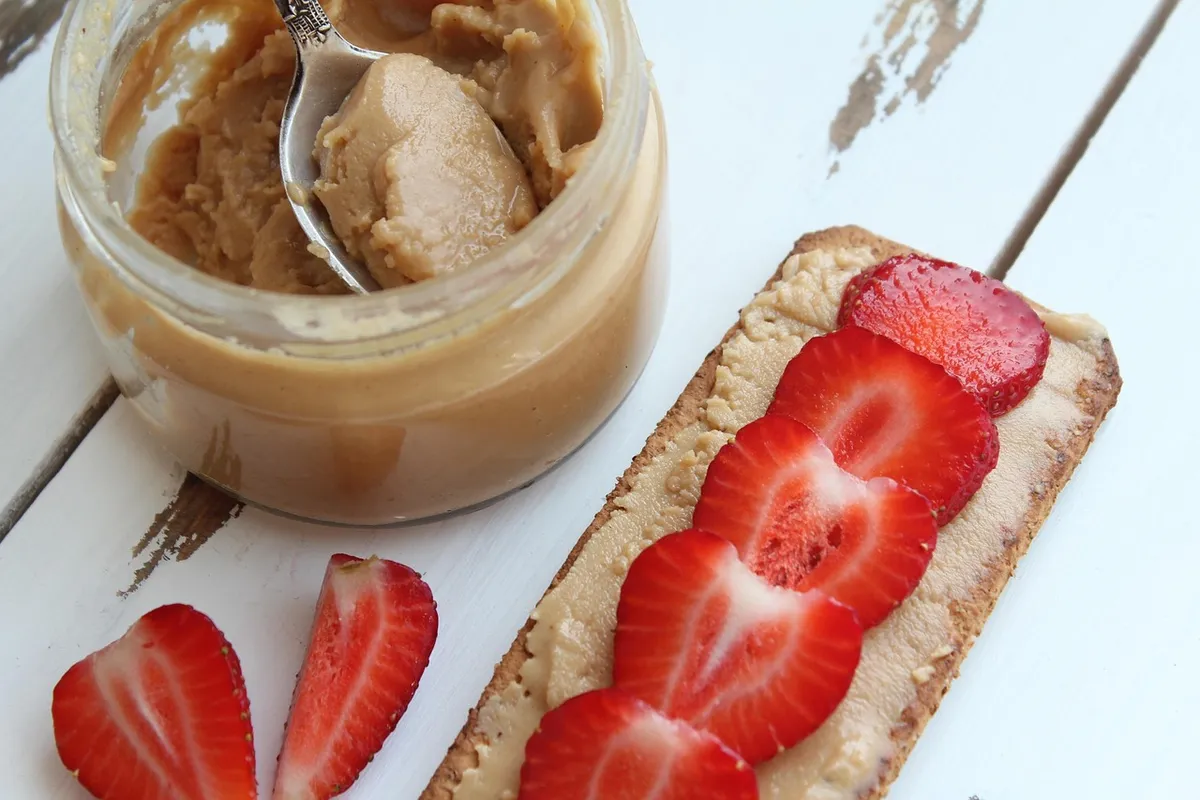
- Texture: smooth (creamy) and crunchy (chunky) are the two core options. Crunchy contains peanut pieces in a smooth base.
- Recipe: natural (100% peanuts, salt optional), stabilised (with a small amount of vegetable-oil stabiliser so the oil does not separate), sweetened or unsalted.
- Positioning: high-protein, palm-oil-free, organic or flavoured lines each target a different shopper. See our comparison of peanut butter without palm oil for the trade-offs.
- Pack size: retail jars such as 340 g, 510 g and 1 kg, or 20 kg pails and 200 kg drums for bakeries and food service.
Check what is already on your local shelves. A clear point of difference, such as a cleaner label, a local flavour or a better price per kilogram, gives your brand a reason to exist. Order samples of the leading brands and compare taste, texture, ingredients and price per kilogram before you brief your supplier.
Should You Source Peanuts or Finished Peanut Butter?
Source finished peanut butter if you want to launch fast with little capital. Source peanuts if you plan to build your own plant and control the whole process.
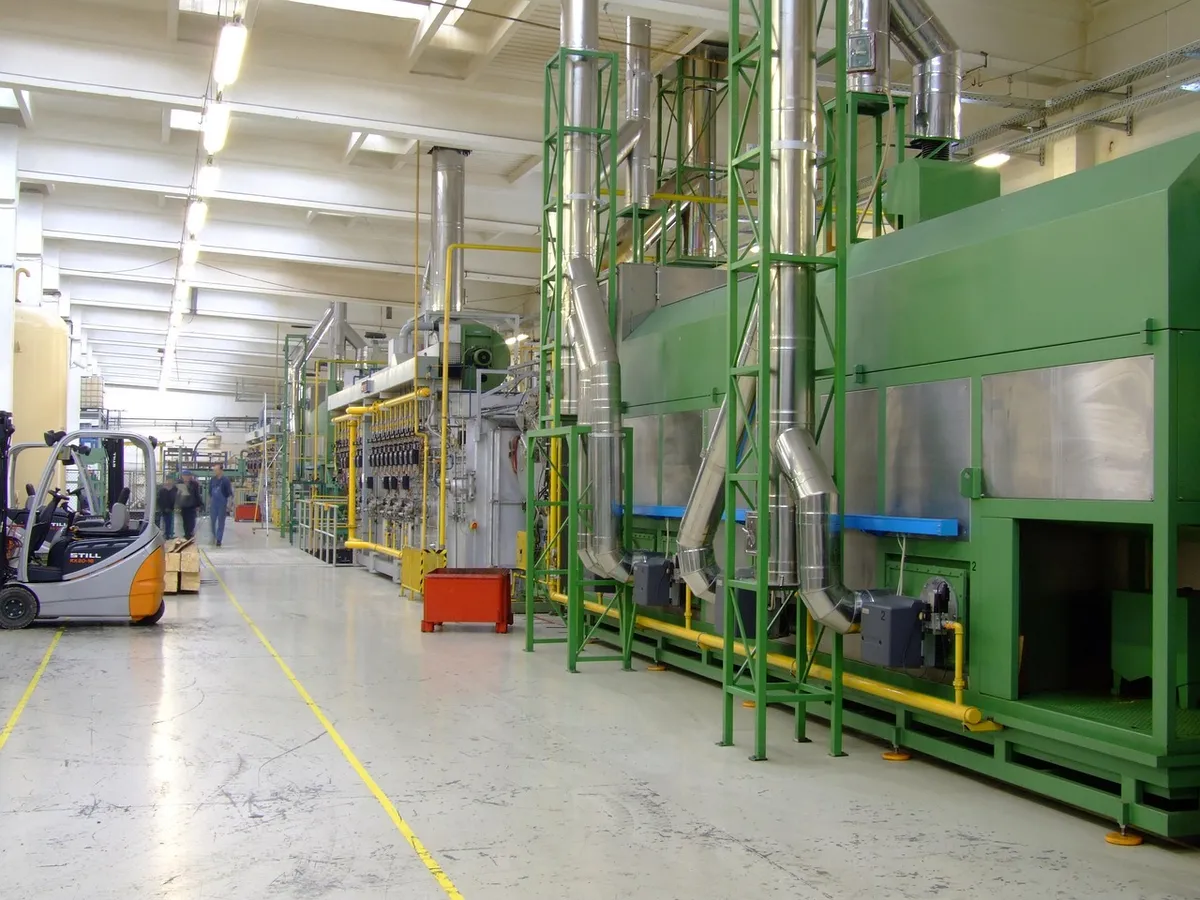
If you make it yourself, you will need the right raw material. Most manufacturers use small, sweet Java peanuts or split blanched peanuts with the skins and hearts removed. Our guide to the best peanuts for peanut butter compares the options. A commercial line usually needs a roaster, a cooling unit, a blancher to remove skins, a sorting step, a grinder or colloid mill, a mixer for salt, sugar or stabiliser, a cooling or tempering step for stabilised recipes, a metal detector, and a filling, capping and labelling line.
If you buy finished product, you can buy bulk peanut butter in drums and fill it into jars locally, or buy fully packed retail jars under your brand. Bulk filling suits brands with access to a local food-grade filling unit. Fully packed jars suit brands that want the simplest supply chain.
How Do Private Label and Own Manufacturing Compare?
The table compares the two main models for a peanut butter business.
| Factor | Private label | Own manufacturing |
|---|---|---|
| Upfront investment | Low: samples, artwork and first order | High: premises, machinery and utilities |
| Time to launch | Shorter: weeks to a few months | Longer: building, licensing and trials |
| Control over recipe | Agreed with the supplier | Full control |
| Food safety system | Supplier’s certified unit and testing | You build and run your own |
| Minimum order | Set by packaging and SKUs | Set by your batch size and raw material buying |
| Cost per jar at small volume | Usually lower | Usually higher until volume grows |
| Best for | New brands, retailers, online sellers | Established brands with steady volume |
A general comparison. Your costs depend on your market, volumes and recipe.
What Are the Quality, Labelling and Compliance Basics?
Peanut butter is a ready-to-eat food made from a crop that can carry aflatoxin and Salmonella, so food safety must come first. Ask your supplier for batch-wise test results for aflatoxin, Salmonella and other microbes, and for moisture, fat and acid value.
- Aflatoxin: the EU limit for peanuts for direct consumption is B1 ≤ 2 µg/kg and total ≤ 4 µg/kg. Other markets have their own limits.
- Standards of identity: in the USA, 21 CFR 164.150 limits optional ingredients to 10% and fat to 55%. Products outside these rules must use another name.
- Labels in the EU: Regulation (EU) 1169/2011 requires the ingredient list, net quantity, best before date, nutrition declaration and an EU food business address. Peanuts must be emphasised as an allergen.
- Labels in the USA: FDA rules include a Nutrition Facts panel and allergen declaration.
- Your registration: as the brand owner or importer, you usually need your own food business registration in your market.
What Minimum Order Quantities and Packaging Should You Plan For?
Minimum orders for private label peanut butter depend mostly on packaging, not on the peanut butter itself. Printed jars, labels, lids and cartons each have their own minimum print run. Every size, flavour or recipe is a separate production run, and jars, pails and drums fill on different lines.
To keep your first order manageable, start with fewer SKUs, use labels rather than fully printed jars, and combine several SKUs to fill one container. Glass jars look premium but are heavy and can break. PET jars are lighter and cheaper to ship. Bulk drums and pails cost less per kilogram than retail jars. Natural recipes also need clear storage advice on the label, because the oil separates and the shelf life is shorter than for stabilised butter.
What Are the Main Cost Components?
The cost of a jar of peanut butter builds up in layers. Know each one before you set your price.
- Peanuts: the largest cost. Prices move with each Indian crop and the world market.
- Other ingredients: salt, sugar, stabiliser or flavours.
- Processing and testing: roasting, grinding, filling and batch testing.
- Packaging: jars, lids, labels, cartons and pallets.
- Freight and insurance: sea freight, port charges and inland transport.
- Import duty and taxes: for example, peanut butter under EU CN 2008 11 10 carries a 12.8% third-country duty.
- Sales costs: retailer margins, marketing and distribution.
Our landed cost calculator helps you add freight, duty and charges to an ex-works or FOB price.
Related reading: Peanut Butter With Highest Protein: Nutrition Facts Explained.
How Can You Launch Your Brand with an Indian Supplier?
Elysium Agri Corporation supplies bulk and private label peanut butter from Jamnagar, Gujarat, made from blanched, roasted and colour-sorted Gujarat peanuts. We offer smooth or crunchy, natural or stabilised, sweetened or unsalted recipes, in 200 kg drums, 20 or 25 kg pails, IBCs and retail jars of 340 g, 510 g and 1 kg. Every batch is tested for aflatoxin, Salmonella and other parameters.
Our private label process runs in six steps: brief, samples, artwork, compliance, production and shipment. We check your artwork against your market’s labelling rules and provide nutrition and allergen data. Our registrations are on the certificates page. If you are planning a peanut butter business, send us your brief with the products, pack sizes, market and volume, and we will quote the MOQ and lead time for your SKUs. Request a private label peanut butter quote →
Frequently asked questions
How do I start a peanut butter business?
Define your customer, choose a small product range, and decide whether to use a private label manufacturer or build your own plant. Then check your market's food registration, labelling and allergen rules, approve samples and artwork, and work out your landed cost per jar. Most new brands start with private label because it needs far less capital.
What peanut grade is best for making peanut butter?
Small, sweet, high-oil peanuts work best. In India, Java peanuts from Spanish-type varieties are the usual choice. Many manufacturers buy split blanched peanuts, which have the skins and bitter hearts removed and cost less than whole kernels. Every lot should come with an aflatoxin test result from an approved laboratory.
What is the minimum order for private label peanut butter?
It depends mainly on packaging and the number of SKUs. Printed jars, labels, lids and cartons each have a minimum print run, and every size or recipe is a separate production run. Starting with fewer SKUs and using labels instead of printed jars keeps the first order smaller. Ask your supplier to quote MOQ per SKU.
What equipment is needed to make peanut butter commercially?
A commercial line usually includes a roaster, a cooling unit, a blancher to remove skins, a sorting step, a grinder or colloid mill, and a mixer for salt, sugar or stabiliser. Stabilised recipes need controlled cooling. A metal detector and a filling, capping and labelling line complete the process, along with laboratory testing.
Can I source peanut butter from an Indian manufacturer?
Yes. Indian manufacturers supply bulk peanut butter in drums and pails, and private label retail jars under your brand. Choose a supplier with an FSSAI licence and APEDA export registration that tests every batch for aflatoxin and Salmonella, provides nutrition and allergen data, and checks your artwork against your market's labelling rules.
Related reads


