
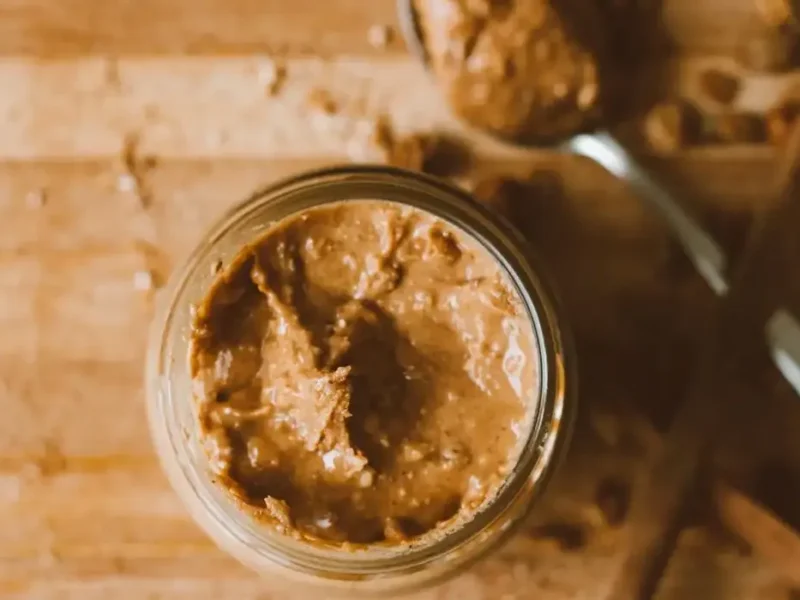
On this page
- How Does Palm-Oil-Free Peanut Butter Compare With Stabilised Peanut Butter?
- Why Does Peanut Butter Separate?
- What Do Stabilisers Do and Which Are Used?
- How Do Palm-Oil-Free and Stabilised Peanut Butter Compare?
- How Do Texture, Shelf Life and Consumer Perception Differ?
- What Labelling and Retail Positioning Points Should You Consider?
- How Can You Source Private Label Peanut Butter Without Palm Oil from India?
- Frequently asked questions
Peanut butter without palm oil is either natural peanut butter made from peanuts alone, with optional salt, or a stabilised butter that uses a different hardened vegetable oil instead of palm. Natural butter has the cleanest label but the oil separates, while stabilised butter stays smooth for longer. The choice affects texture, shelf life, labelling and cost. This guide compares palm-oil-free and stabilised peanut butter for brands, retailers and food manufacturers.
Key takeaways
- Oil separation is natural in peanut butter. Stabilisers stop it; they do not improve safety.
- Palm oil is common as a stabiliser because it is solid at room temperature and cheap, but other hardened oils can do the same job.
- Natural 100% peanut butter has a shorter shelf life and needs stirring, but it suits clean-label positioning.
- In the EU, the specific vegetable oil, such as palm, must be named in the ingredient list.
How Does Palm-Oil-Free Peanut Butter Compare With Stabilised Peanut Butter?
Palm-oil-free peanut butter and stabilised peanut butter differ mainly in one ingredient: a small amount of solid fat added to hold the peanut oil in place. Everything else, from the roasted peanuts to the grinding, can be the same.
There are three common recipes in the market. Natural peanut butter is made from peanuts only, sometimes with salt. Stabilised with palm oil adds a little palm fat, often with sugar and salt. Stabilised without palm oil uses another fully hardened vegetable oil, such as rapeseed or cottonseed, to do the same job. Only the first and third can be labelled palm-oil-free.
Many shoppers now look for peanut butter without palm oil, either for environmental reasons or because they want a short ingredient list. Retailers respond by stocking both types, so brands often sell a natural line next to a stabilised one.
Why Does Peanut Butter Separate?
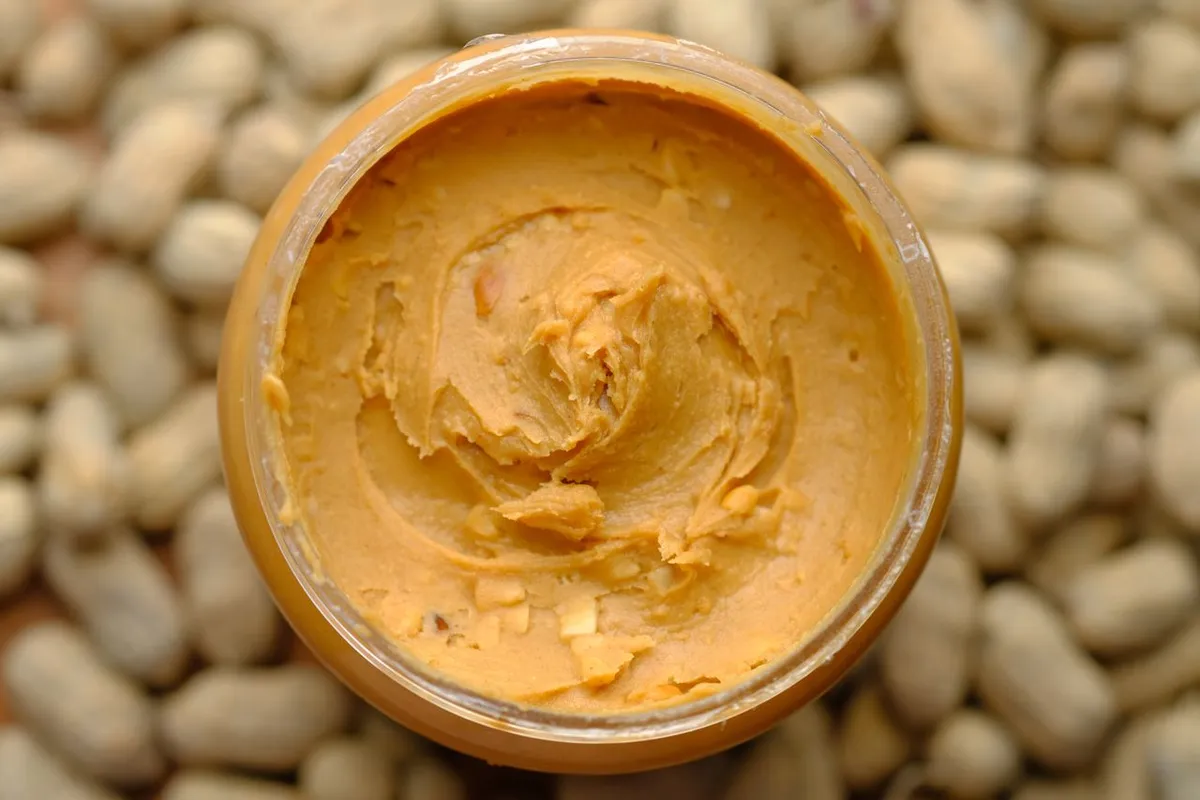
Peanut butter separates because it is a mix of liquid oil and fine solid particles, and the oil slowly rises to the top. Peanuts contain about half their weight in oil. Grinding releases this oil, and the ground protein, fibre and starch particles are heavier, so they settle over time.
Separation speeds up when the jar is warm, when the butter is ground very fine, or when it sits on a shelf for months. It is not a sign of spoilage. A layer of oil on top of natural peanut butter is normal and is mixed back in by stirring. The problem is commercial: some shoppers see the oil as a defect, and the dry, hard layer at the bottom of an unstirred jar is hard to spread.
What Do Stabilisers Do and Which Are Used?
A stabiliser is a fat that is solid at room temperature. When it is mixed into warm peanut butter and cooled, it forms a fine crystal network that traps the liquid peanut oil. The butter then stays even from top to bottom and does not need stirring.
- Palm oil or palm fractions: naturally semi-solid, easy to use and low in cost. This is the most common choice in many markets.
- Fully hydrogenated vegetable oils: rapeseed, cottonseed or soybean oil hardened completely. They work at low doses and allow a palm-free claim.
- Other solid fats: some brands test alternatives such as shea or coconut fats, which change melting behaviour and flavour.
Doses are small. Our stabilised peanut butter uses up to about 2% vegetable-oil stabiliser. In the USA, the standard of identity for peanut butter (21 CFR 164.150) requires that oils used as stabilisers be hydrogenated vegetable oils. Since the FDA ruled in 2015 that partially hydrogenated oils are not generally recognised as safe, US recipes use fully hydrogenated oils, which do not carry the same trans-fat concern.
How Do Palm-Oil-Free and Stabilised Peanut Butter Compare?
The table compares the three common recipes on the points that matter to a brand or buyer.
| Factor | Natural (100% peanuts) | Stabilised, palm-free oil | Stabilised with palm oil |
|---|---|---|---|
| Ingredients | Peanuts, optional salt | Peanuts, hardened non-palm oil, often sugar and salt | Peanuts, palm oil, often sugar and salt |
| Oil separation | Yes, needs stirring | No | No |
| Typical shelf life | About 6 months, kept cool | About 12 months, ambient | About 12 months, ambient |
| Texture | Looser, oil on top, firm at bottom | Even, firm, spreadable | Even, creamy, spreadable |
| Palm-oil-free claim | Yes | Yes | No |
| Relative cost per kg | Highest | Medium | Lowest |
| Best fit | Clean-label, health and premium ranges | Mainstream retail with a palm-free promise | Value and food service lines |
Shelf lives are typical values for our bulk and private label peanut butter. Actual shelf life depends on recipe, packing and storage.
How Do Texture, Shelf Life and Consumer Perception Differ?
Stabilised peanut butter wins on convenience, while natural peanut butter wins on label. Each suits a different shopper.
Texture. Stabilised butter is smooth and even from the first spoon to the last. Natural butter is looser after stirring and can become dry at the bottom if it is not mixed. Crunchy versions behave the same way, with pieces larger than 1.6 mm in a smooth base.
Shelf life. Stabilised peanut butter keeps for about 12 months at ambient temperature. Natural peanut butter keeps for about 6 months, ideally in a cool place. Both should be stored below 25 °C and away from light. A high-oleic peanut, where available, or nitrogen flushing of the jar can help slow rancidity in natural butter.
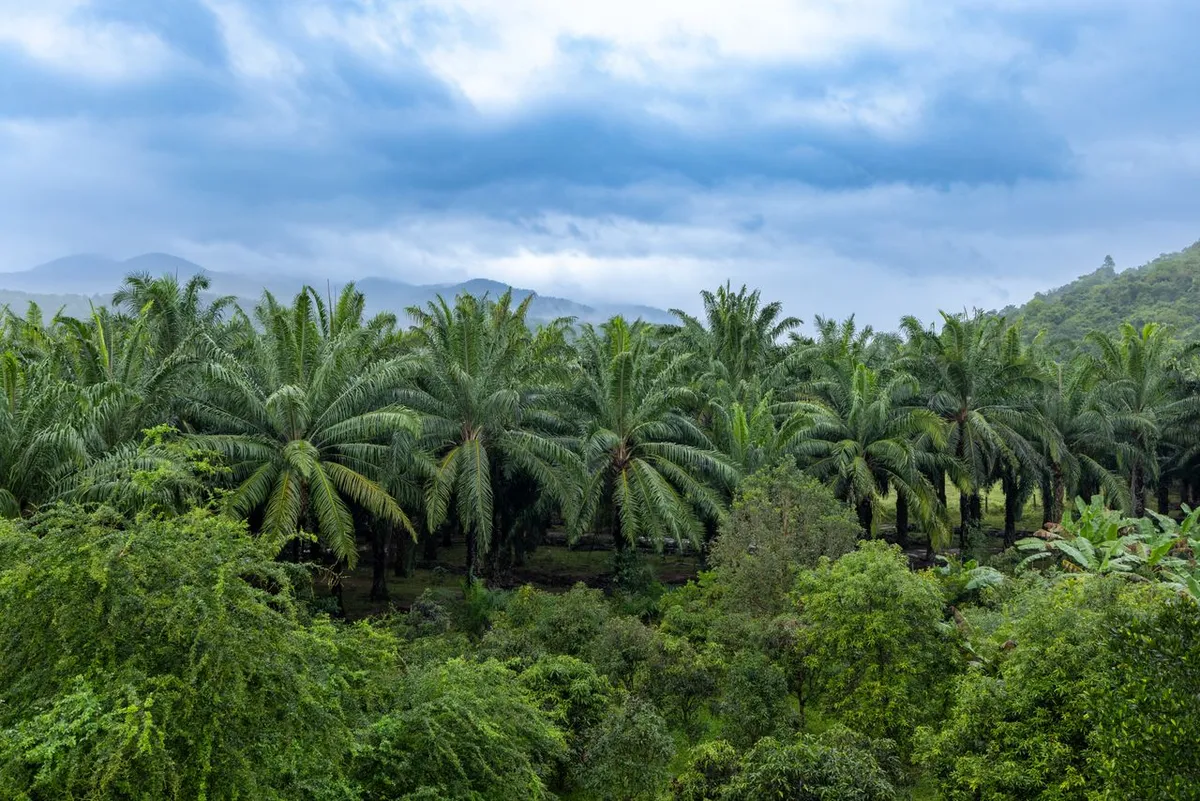
Perception. Shoppers who read labels often see “peanuts, salt” as a sign of quality. Others, especially children’s and family buyers, prefer a butter that spreads straight from the jar. Palm oil also carries an environmental image problem in some markets, which has pushed retailers to ask for palm-free or certified sustainable palm options.
What Labelling and Retail Positioning Points Should You Consider?
Labelling rules decide what you can claim, so check them before you choose a recipe. In the EU, Regulation (EU) No 1169/2011 on food information requires refined vegetable oils to be listed with their specific plant origin, for example “vegetable oil (palm)”. A palm-based stabiliser is therefore visible to every shopper.
- Palm-free claims: make sure no ingredient contains palm, including in flavourings or chocolate inclusions.
- “Natural” wording: rules differ by country. Use it only where your market allows it for your recipe.
- Allergen labelling: peanut is a major allergen almost everywhere and must be clearly declared.
- Standards of identity: in the USA, peanut butter must contain at least 90% peanuts and no more than 55% fat. Products outside these limits need a different name, such as “peanut spread”.
- Sustainability: if you use palm, certified sustainable palm can support retailer policies, but it does not allow a palm-free claim.
For positioning, many brands sell natural peanut butter as the premium line and a stabilised version as the everyday line. A palm-free stabilised recipe sits between the two.
Related reading: Peanut Butter Business: How to Start Your Own Brand and Peanut Butter With Highest Protein: Nutrition Facts Explained.
How Can You Source Private Label Peanut Butter Without Palm Oil from India?
Elysium Agri Corporation supplies bulk and private label peanut butter from Jamnagar, Gujarat. We make it from blanched, roasted and colour-sorted Gujarat peanuts, in smooth or crunchy and in natural (100% peanuts) or stabilised recipes. Natural peanut butter is our standard option for a palm-oil-free label. If you need a stabilised recipe without palm oil, send us your specification and we will confirm the stabiliser and the sample.
Every batch is tested for aflatoxin, Salmonella and other parameters, as set out on our lab testing page. We pack in 200 kg drums, 20 or 25 kg pails, IBCs and retail jars of 340 g, 510 g and 1 kg, filled and labelled under your brand. Our packaging page shows the options for peanut butter without palm oil and other recipes.
Before you launch, run a shelf test on both recipes in your own market conditions. Store jars at room temperature and at a warmer setting for several weeks, and check oil separation, colour and taste. Natural 100% peanut butter costs more per kg than stabilised or sweetened recipes, and jars cost more per kg than drums, so compare the full delivered cost with our landed cost calculator.
Tell us your recipe, texture, pack size and destination, and we will send a sample and price. Request a peanut butter quote →
Frequently asked questions
Why do some peanut butters contain palm oil?
Palm oil is added as a stabiliser. It is semi-solid at room temperature, so a small amount forms a network that holds the liquid peanut oil in place and stops it rising to the top. It is also widely available and low in cost. The result is a smooth butter that spreads straight from the jar and keeps longer.
Can peanut butter be made without palm oil or stabilisers?
Yes. Natural peanut butter is made from roasted peanuts alone, sometimes with salt, and contains no palm oil or stabiliser. The oil separates over time and needs stirring. A palm-free stabilised version is also possible, using a fully hardened non-palm vegetable oil such as rapeseed or cottonseed instead of palm.
What does a stabiliser do in peanut butter?
A stabiliser is a solid fat mixed into warm peanut butter. As it cools, it forms fine crystals that trap the liquid peanut oil, so the butter stays even from top to bottom. It improves texture and shelf appeal but does not change food safety. Doses are small, often up to about 2% of the recipe.
Does natural peanut butter separate on the shelf?
Yes. Natural peanut butter is a mix of peanut oil and fine solids, and the oil slowly rises to the top, faster in warm conditions. This is normal and not a sign of spoilage. Stirring mixes it back in. Storing the jar below 25 degrees Celsius and away from light slows separation and rancidity.
Is palm-oil-free peanut butter suitable for private label?
Yes. Natural 100% peanut butter is a popular private label product for clean-label and premium ranges, and a palm-free stabilised recipe can serve mainstream shoppers. Check your market's labelling rules, confirm that no ingredient contains palm, and agree the shelf life, pack size and storage advice with your supplier before launch.
Related reads


