
On this page
- What Are the EU Import Controls on Indian Groundnuts?
- Why Do Indian Groundnuts Face Increased Official Controls?
- Which Health Certificate and Lab Results Are Required?
- What Are the Aflatoxin Limits and How Is Sampling Done at the Border?
- What Are the Border Check Steps at a Glance?
- What Happens if a Consignment Is Rejected?
- How Do Exporters Prepare a Compliant Peanut Export to the EU?
- Where Can You Source EU-Ready Groundnuts from India?
- Frequently asked questions
For a peanut export to the EU from India, each consignment must travel with an official health certificate and the results of aflatoxin sampling and analysis, because Indian groundnuts are listed in Annex II of Regulation (EU) 2019/1793. At the EU border, 50% of consignments are selected for identity and physical checks, including aflatoxin testing, under the current amendment, Regulation (EU) 2026/194. This guide explains why the controls exist, what documents are needed, how border sampling works, what happens if a lot fails and how exporters prepare compliant shipments. It was last reviewed in October 2026.
Key takeaways
- Indian groundnuts in shell, shelled groundnuts, peanut butter and prepared peanuts are listed in Annex II for aflatoxins.
- Every consignment needs an official certificate issued in India, plus lab results from official sampling.
- EU border control posts check 50% of consignments physically, including aflatoxin sampling.
- The EU limit for peanuts for direct consumption is 2 µg/kg aflatoxin B1 and 4 µg/kg total.
What Are the EU Import Controls on Indian Groundnuts?
The EU applies “special conditions” to certain foods from certain countries when there is a known risk. These rules are set in Commission Implementing Regulation (EU) 2019/1793, which the Commission reviews and amends regularly. The latest amendment, Regulation (EU) 2026/194, keeps Indian groundnuts in Annex II for aflatoxins.
The Annex II entry for India covers:
- Groundnuts (peanuts) in shell, CN 1202 41 00
- Groundnuts (peanuts) shelled, CN 1202 42 00
- Peanut butter, CN 2008 11 10
- Groundnuts otherwise prepared or preserved, including mixtures, under several CN codes in 2008 11 and 2008 19
For these products, the importer must pre-notify the consignment and present it at a designated border control post. Each consignment must carry an official certificate and lab results, and a set share of consignments is checked physically on arrival.
Why Do Indian Groundnuts Face Increased Official Controls?
The controls exist because of aflatoxin. Aflatoxins are toxins made by moulds that can grow on peanuts in the field, during drying or in storage. They are classified as carcinogenic to humans, so the EU sets very strict limits.
The Commission decides which products to list, and how often to check them, based on the results of official controls and alerts raised through the EU’s Rapid Alert System for Food and Feed (RASFF). When non-compliance is frequent, a product can be moved to stricter controls or the check rate can be raised. When results improve, the rate can be lowered. This is why exporters and importers should check the current version of the regulation before each season.

Which Health Certificate and Lab Results Are Required?
Each consignment of Indian groundnuts for the EU must travel with an official certificate issued by India’s competent authority and the results of official sampling and analysis for aflatoxins.
In India, this process runs through APEDA’s Peanut.Net system:
- Registered processing: peanuts are shelled, graded and stored at APEDA-registered units and warehouses.
- Lot creation: the lot is registered in Peanut.Net.
- Official sampling: an approved ISO 17025 lab draws and seals samples. For the EU, sampling follows Regulation (EU) 2023/2782.
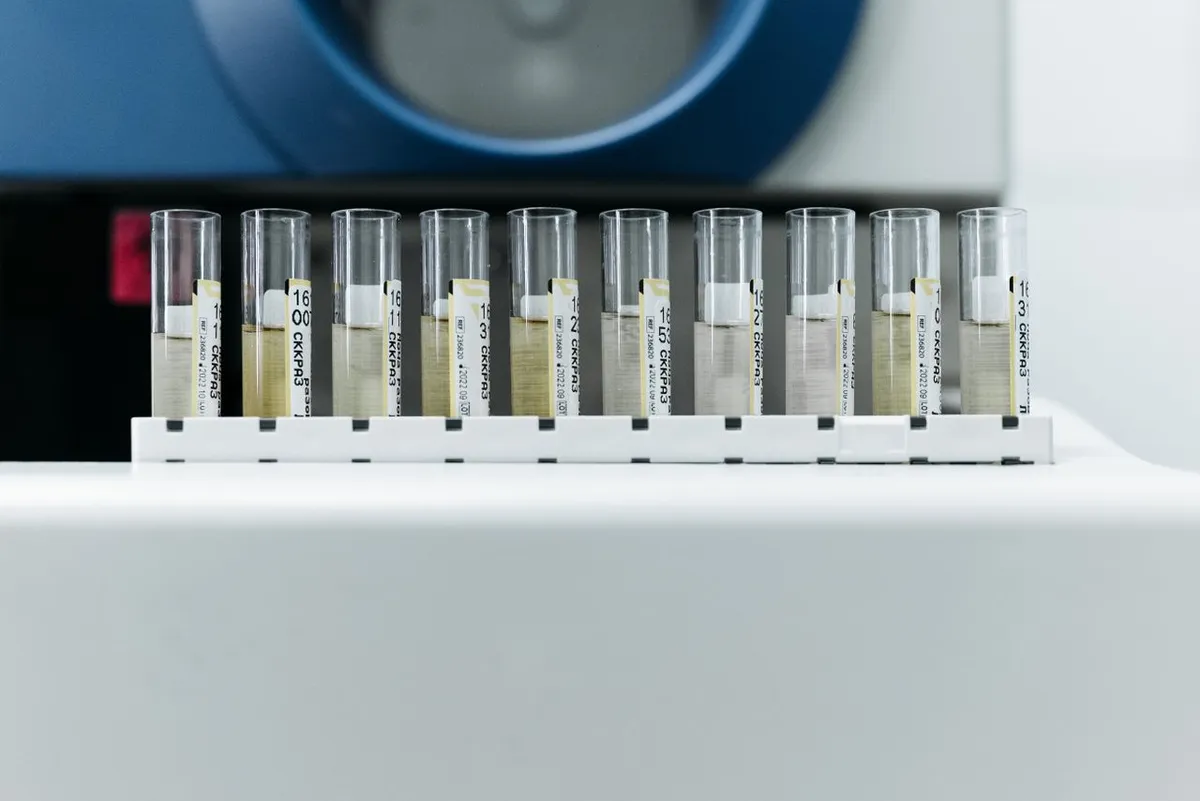
- Testing: aflatoxin B1 and total aflatoxins are measured by HPLC or LC-MS/MS, and the results are recorded in Peanut.Net.
- Certification: APEDA issues the Certificate of Export and the EU health certificate, and the phytosanitary certificate follows.
Each certificate is linked to one lot and one consignment. The lot code on the bags should match the certificate, the lab report and the invoice. Our traceability page shows how we link these records.
What Are the Aflatoxin Limits and How Is Sampling Done at the Border?
The EU maximum levels are set in Regulation (EU) 2023/915. For groundnuts placed on the market for direct human consumption or use as a food ingredient, the limits are 2.0 µg/kg aflatoxin B1 and 4.0 µg/kg total aflatoxins. For groundnuts that will be sorted or physically treated before use, the limits are 8.0 and 15.0 µg/kg.
What percentage of shipments are checked? Under Regulation (EU) 2026/194, the frequency of identity and physical checks for Indian groundnuts is 50%. Every consignment gets a documentary check. Half of consignments, on average, also get an identity check and a physical check, which includes official sampling for aflatoxin.
Border sampling follows the EU sampling rules in Regulation (EU) 2023/2782. Many small portions are taken from different parts of the consignment and combined, then the sample is ground and analysed. Because aflatoxin is unevenly spread, a lot that passed in India can still give a different result at the EU port. For this reason, the pre-shipment result needs a safety margin below the limit. Learn more in our guide to aflatoxin in peanuts.
What Are the Border Check Steps at a Glance?
| Step | Who acts | What happens |
|---|---|---|
| Pre-notification | Importer or agent | Consignment notified in advance through the EU’s official system before arrival |
| Documentary check | Border control post | Health certificate and lab results checked for every consignment |
| Identity check | Border control post | Goods, marks and seals compared with the documents (50% of consignments) |
| Physical check | Border control post | Official sampling and aflatoxin analysis (50% of consignments) |
| Decision | Competent authority | Consignment released for free circulation, or detained if non-compliant |
| Follow-up | Authority and operator | Rejected lots dealt with under official control; alerts may be raised |
EU border check steps for Indian groundnuts. Check rates are set by Regulation (EU) 2026/194.
While a consignment is held for sampling, it normally cannot be released until the result is known. Importers should plan for this delay and for port storage costs.
The importer’s side of the process runs through the EU’s TRACES system. Before the goods arrive, the importer or its agent completes part of the Common Health Entry Document for food of non-animal origin (CHED-D) and attaches the health certificate and lab results. The border control post records its checks and decision on the same document. The goods can only be cleared by customs once the CHED-D shows a positive decision. A clear, correct certificate from the exporter saves time at this stage, so ask your supplier for scans of all documents before the vessel arrives.
What Happens if a Consignment Is Rejected?
If a consignment fails the aflatoxin limit or the documents are not in order, the authorities detain it. Under the EU official controls rules, the options usually include destruction, re-dispatch outside the EU, or special treatment such as sorting under official control, depending on the case. The costs are normally borne by the operator responsible for the consignment.
A rejection can also be notified through RASFF, where it is visible to all EU member states. Repeated notifications for a product and origin can lead to higher check rates for everyone shipping it. A failed shipment is therefore expensive for the importer and harmful for the whole trade. Contracts should state who bears the cost of a border rejection and how retained samples will be used to compare results.
How Do Exporters Prepare a Compliant Peanut Export to the EU?
Good exporters reduce the risk long before the container reaches Europe:
- Buy well-dried crop and keep kernels at low moisture in clean, dry stores.
- Sort hard: grading, colour sorting, hand picking and blanching remove damaged kernels, which carry most of the aflatoxin.
- Test with a margin: aim well below 2 / 4 µg/kg, not just under it.
- Keep lots separate: one lot, one certificate, one container, with clear lot codes on every bag.
- Protect in transit: clean, dry, inspected containers with liners or desiccants to limit condensation.
Related reading: Roasted Peanut Calories and Nutrition: Roasted vs Raw Compared.
Where Can You Source EU-Ready Groundnuts from India?
For a peanut export to the EU, choose an exporter that works through APEDA-registered units, uses APEDA-approved labs and can supply lots to the EU limit for direct consumption.
Elysium Agri Corporation exports Bold, Java and TJ peanuts, blanched peanuts and peanut butter from Jamnagar, Gujarat. Every export lot is sampled and tested through Peanut.Net, and APEDA issues the Certificate of Export and the EU health certificate. Each bag carries a lot code linked to the source, processing unit, lab report and container. See our lab testing page and our guide on how peanuts are processed for export.
Tell us the grade, count, quantity and EU port of entry, and we will quote for an EU-compliant lot. Request an EU groundnut quote →
Frequently asked questions
What are the EU import requirements for peanuts from India?
Indian groundnuts are listed in Annex II of Regulation (EU) 2019/1793 for aflatoxins. Each consignment needs an official health certificate from India's competent authority and the results of official aflatoxin sampling and analysis. The importer must pre-notify the consignment and present it at a designated border control post, where documentary, identity and physical checks are carried out.
Why are Indian groundnuts subject to EU border checks?
The checks exist because of the risk of aflatoxin, a mould toxin classified as carcinogenic to humans. The European Commission lists products for special controls based on official control results and RASFF alerts. Indian groundnuts are listed for aflatoxins, so every consignment needs certification in India and a share is checked again on arrival.
What is a health certificate for groundnut exports?
It is an official certificate issued by the exporting country's competent authority confirming that the consignment was sampled and analysed for aflatoxins and meets EU requirements. In India, it is issued by APEDA through its Peanut.Net system after official sampling at a registered warehouse and testing at an approved laboratory. It is linked to one lot and consignment.
What percentage of shipments are checked at EU borders?
Under Commission Implementing Regulation (EU) 2026/194, Indian groundnuts, peanut butter and prepared peanuts are subject to identity and physical checks at a frequency of 50%. Every consignment receives a documentary check, and on average half also have their identity verified and are sampled for aflatoxin analysis. Rates are reviewed regularly, so check the latest version.
What happens if a peanut shipment fails EU aflatoxin testing?
The consignment is detained and cannot be released. Depending on the case, it may be destroyed, re-dispatched outside the EU or given special treatment such as sorting under official control. Costs are normally borne by the responsible operator. The failure can be notified through RASFF, and repeated failures can lead to higher check rates.
Related reads


