

On this page
- What Is Aflatoxin in Peanuts?
- How Does Aflatoxin Form in the Field and in Storage?
- Why Do Aflatoxin Limits Exist?
- What Are the Aflatoxin Limits in the EU, US and GCC?
- How Are Peanuts Sampled and Tested?
- How Do Sorting, Blanching and Other Steps Reduce Aflatoxin?
- What Should Importers Ask For in a Lab Report?
- Where Can You Buy Aflatoxin-Tested Peanuts from India?
- Frequently asked questions
Aflatoxin in peanuts is a natural toxin made by moulds, mainly Aspergillus flavus and Aspergillus parasiticus, that can grow on groundnuts in the field or in storage. Because it is a known carcinogen, every major market sets a legal limit, and the EU limit for peanuts sold for direct consumption is the strictest at 2 µg/kg aflatoxin B1 and 4 µg/kg total. For importers, aflatoxin is the test that decides whether a peanut shipment is accepted or rejected. This guide explains how it forms, the limits in the EU, US and GCC, how peanuts are sampled and tested, and what to ask for in a lab report.
Key takeaways
- Aflatoxins are produced by moulds when peanuts are stressed by drought, damaged, or dried and stored badly.
- EU limits are 2 / 4 µg/kg (B1 / total) for direct consumption and 8 / 15 µg/kg for peanuts that will be sorted first.
- The US FDA action level is 20 µg/kg total, and the GCC limit is 15 µg/kg total.
- Sampling is as important as the test itself, because aflatoxin is unevenly spread in a lot.
What Is Aflatoxin in Peanuts?
Aflatoxins are a group of toxic compounds called mycotoxins. They are made by certain Aspergillus moulds that live in soil and on crops. Peanuts are one of the crops most at risk, together with maize, tree nuts, cottonseed and some spices.
There are four main types: B1, B2, G1 and G2. Aflatoxin B1 is the most common and the most toxic. For this reason, most regulations set one limit for B1 and a second limit for “total aflatoxins”, which is the sum of all four. A lab report should always show both figures.
Aflatoxin cannot be seen, smelled or tasted. A lot of peanuts can look clean and still fail. Heat does not reliably destroy it, so roasting does not make a contaminated lot safe. The only way to know the level is by proper sampling and lab testing.
How Does Aflatoxin Form in the Field and in Storage?
Aflatoxin forms when the mould infects the peanut and finds the right conditions to grow. This can happen at three stages.
- In the field: drought and heat stress late in the season weaken the pods. Insect and mechanical damage open the shell, so mould spores from the soil can enter.
- At harvest and drying: pods left wet or piled up before drying give mould time to grow. Peanuts need to be dried quickly to a safe moisture level.
- In storage and transport: warm, humid stores, leaking roofs and condensation inside containers raise the moisture of the kernels and allow mould to grow again.
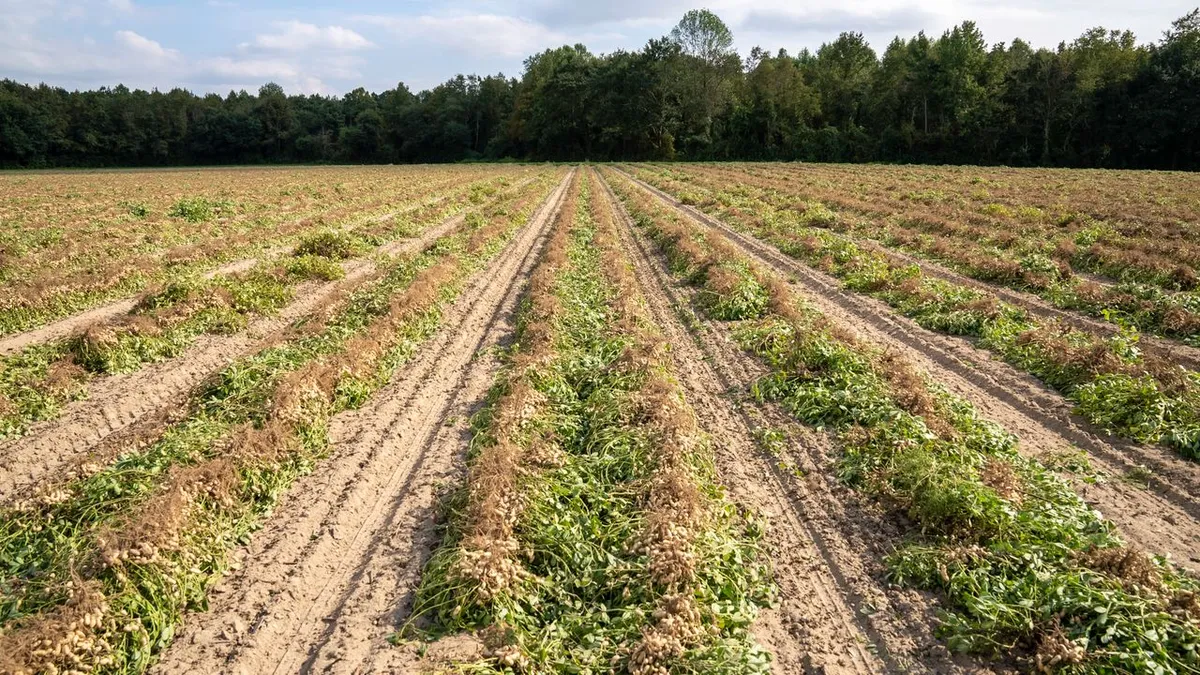
Contamination is usually concentrated in a small number of kernels. Damaged, shrivelled, immature and discoloured kernels carry much more aflatoxin than sound kernels. This is why sorting is so effective and why sampling must be done carefully.
Why Do Aflatoxin Limits Exist?
Limits exist because aflatoxins are harmful to human and animal health. The International Agency for Research on Cancer (IARC) classifies aflatoxins as Group 1, carcinogenic to humans. Long-term exposure is linked to liver cancer, and very high doses can cause acute poisoning.
Because there is no safe level that can be clearly defined for a carcinogen, regulators aim to keep exposure as low as is reasonably achievable. Limits differ between markets because each one balances health risk, typical diets and what producers can achieve. For exporters and importers, the result is simple: you must meet the limit of the market where the peanuts will be sold.
What Are the Aflatoxin Limits in the EU, US and GCC?
The aflatoxin limit in peanuts depends on the market and on whether the peanuts will be eaten directly or sorted first. The table summarises the main limits for peanuts.
| Market | Product use | Aflatoxin B1 | Total aflatoxins | Legal basis |
|---|---|---|---|---|
| European Union | Direct human consumption or ingredient | 2.0 µg/kg | 4.0 µg/kg | Regulation (EU) 2023/915 |
| European Union | To be sorted or physically treated first | 8.0 µg/kg | 15.0 µg/kg | Regulation (EU) 2023/915 |
| USA | Human food | No separate limit | 20 µg/kg (FDA action level) | FDA Compliance Policy Guide |
| GCC | Peanuts, ready-to-eat and for processing | No separate limit | 15 µg/kg | GSO 193 |
| Codex | Peanuts for further processing | No separate limit | 15 µg/kg | CXS 193-1995 |
Aflatoxin limits for peanuts by market. Check the current rule for your country before you contract.
The EU limits are set in Commission Regulation (EU) 2023/915. The US figure is the FDA action level for total aflatoxins in human food. Within the US, peanuts under the USDA marketing programme are also held to 15 µg/kg. The GCC figure comes from GSO 193, which the UAE and other Gulf states apply. Many buyers set private limits that are tighter than the law, so always write your limit into the contract.
How Are Peanuts Sampled and Tested?
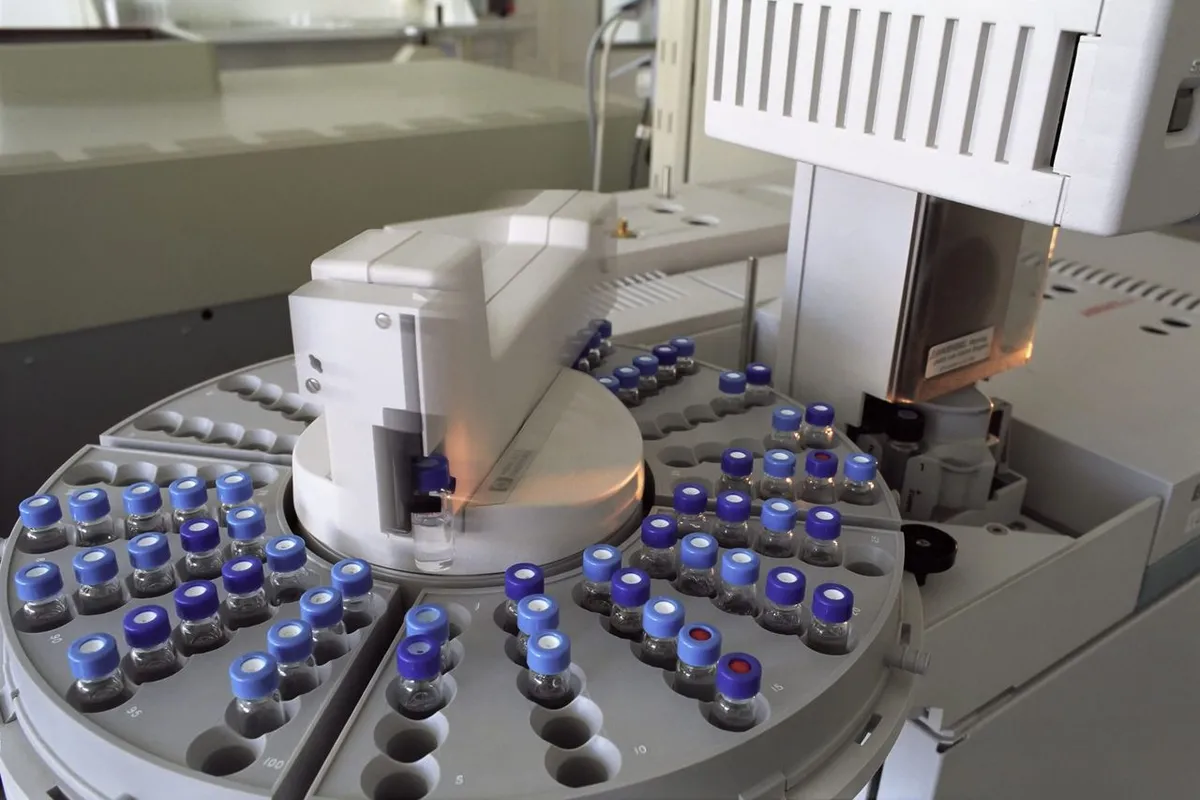
Peanuts are sampled by taking many small portions from across the whole lot, combining and grinding them, and then testing a sub-sample in the lab. Correct sampling matters because a few contaminated kernels can decide the result.
- Incremental samples: small portions are drawn from many bags or points in the lot, not from the top layer only.
- Aggregate sample: the portions are combined into a large sample, often several kilograms.
- Grinding and mixing: the whole aggregate sample is ground finely and mixed so the toxin is evenly spread.
- Analysis: a test portion is extracted and measured by HPLC with fluorescence detection or by LC-MS/MS.
For the EU, official sampling follows Regulation (EU) 2023/2782. In India, peanuts for export are sampled and tested by APEDA-approved labs, and EU results are recorded in APEDA’s Peanut.Net system. Rapid test kits are useful for screening at buying points, but a contract should rely on a lab result by a confirmatory method.
How Do Sorting, Blanching and Other Steps Reduce Aflatoxin?
Because aflatoxin sits in a small share of bad kernels, removing those kernels lowers the level in the lot. Good practice combines several steps.
- Fast drying: peanuts are dried quickly after harvest and kept at low moisture.
- Grading and sizing: small, shrivelled and immature kernels are screened out.
- Colour sorting: optical sorters remove discoloured and damaged kernels.
- Hand picking: trained workers remove defects that machines miss.
- Blanching: removing the skin makes defects easier to see, so blanched kernels can be sorted more precisely.
- Clean, dry storage: lined containers, desiccants and ventilated warehouses limit moisture uptake during transit.
These steps reduce risk but do not remove the need for testing. Every lot should still be tested after final sorting and before loading. A failed result at the destination is costly. Depending on the market, the consignment may be detained, re-exported, sent for sorting under official control or destroyed, usually at the importer’s cost. A border rejection can also lead to more frequent checks on later shipments from the same origin, so prevention at source is always cheaper.
What Should Importers Ask For in a Lab Report?
Ask for a Certificate of Analysis that links one result to one lot. A useful report shows:
- The lab’s name, address and accreditation number (for example NABL under ISO/IEC 17025).
- The lot number, product, grade and count, matching the invoice and bag marks.
- Who drew the sample, when, and how much was taken.
- Results for B1 and total aflatoxins, with the method (HPLC or LC-MS/MS) and the limit of quantification.
- The limit the result is compared with, such as the EU 2 / 4 µg/kg limit.
For large orders, you can also appoint an independent inspection company to sample at loading. Our lab testing page explains our test panel, and our traceability system shows how each lot is linked to its report.
Related reading: Peanuts Origin: Where Peanuts Grow in India, State by State and How Peanuts Are Processed for Export: From Field to Container.
Where Can You Buy Aflatoxin-Tested Peanuts from India?
Buy from an exporter that ships from APEDA-registered units and gives a lot-wise aflatoxin report from an APEDA-approved lab before loading. Agree the limit for your market in writing.
Elysium Agri Corporation exports Bold, Java and TJ peanuts, as well as blanched peanuts and peanut products, from Jamnagar in Gujarat’s Saurashtra groundnut belt. Every export lot is sampled and tested for aflatoxin B1 and total aflatoxins by an APEDA-approved lab, whatever the destination, and we can supply lots to the EU limit for direct consumption. Read more about our quality process, or see our guide on how to import peanuts from India.
To avoid aflatoxin in peanuts reaching your market, tell us the grade, count, destination and the limit you need. Request a peanut quote →
Frequently asked questions
What is the aflatoxin limit for peanuts in the EU?
Under Regulation (EU) 2023/915, peanuts for direct human consumption or use as a food ingredient may contain at most 2.0 µg/kg aflatoxin B1 and 4.0 µg/kg total aflatoxins. Peanuts that will be sorted or physically treated before use may contain up to 8.0 µg/kg B1 and 15.0 µg/kg total. These are among the strictest limits in the world.
What causes aflatoxin contamination in peanuts?
Aflatoxin is produced by Aspergillus flavus and Aspergillus parasiticus moulds. Risk rises when peanuts suffer drought and heat stress late in the season, when pods are damaged by insects or machines, and when they are dried slowly or stored in warm, humid conditions. Damaged, shrivelled and immature kernels usually carry most of the contamination.
How is aflatoxin in peanuts tested?
Many small samples are taken across the whole lot and combined into a large aggregate sample. This is ground and mixed so the toxin is spread evenly, then a test portion is extracted and measured by HPLC with fluorescence detection or by LC-MS/MS. The report should show results for both aflatoxin B1 and total aflatoxins.
Are the aflatoxin limits in the US and GCC the same?
No, but they are close. The US FDA action level for human food is 20 µg/kg total aflatoxins, while peanuts under the USDA marketing programme are held to 15 µg/kg. The GCC standard GSO 193 sets 15 µg/kg total for peanuts. Neither sets a separate B1 limit, unlike the EU.
How can exporters reduce aflatoxin risk in peanut shipments?
Exporters reduce risk by buying well-dried crop, keeping moisture low, and removing damaged and discoloured kernels through grading, colour sorting, blanching and hand picking. Clean, dry storage, lined containers and desiccants help during transit. Every lot should still be tested by an accredited lab after final sorting and before loading.
Related reads


