
On this page
- What Are White, Red and Pink Onion Powders?
- How Do the Onion Powder Varieties Compare?
- How Do Flavour, Pungency and Colour Differ?
- What Are the Best Applications for Each Type?
- Which Moisture, Mesh Size and Quality Specifications Matter?
- How Do You Choose the Right Onion Powder?
- How Do You Buy White Onion Powder in Bulk from India?
- Frequently asked questions
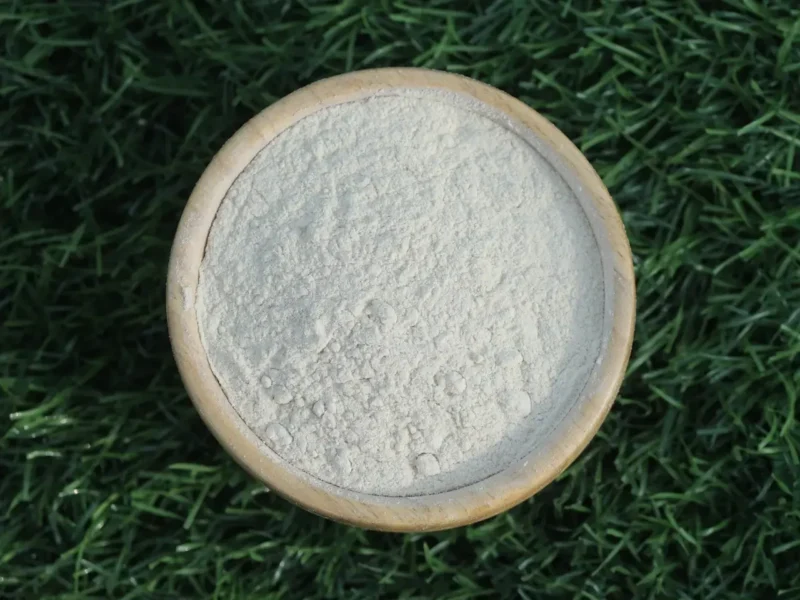
White onion powder is made from white dehydration onions and is creamy white with a full, balanced onion flavour; red onion powder is made from red onions and has a pinkish-purple tint and a sharper taste; pink onion powder comes from light red or pink onions and is usually milder. For most seasonings, soups, sauces and snack coatings, white onion powder is the industry standard because its colour does not show in the finished product. This guide compares the three types side by side and explains which one suits which application, what specifications to ask for and how to buy in bulk from India.
Key takeaways
- The three powders differ mainly in onion variety, colour and flavour, not in how they are processed.
- White onion powder is the most widely used grade in industrial seasonings and processed foods.
- Red and pink powders are chosen where a tinted colour or a different flavour profile is wanted.
- Check mesh size, moisture, colour, microbiology and pesticide residues for every lot.
What Are White, Red and Pink Onion Powders?
All three are dehydrated onion (Allium cepa) milled into a fine powder. The onions are peeled, washed, sliced, dried, milled and sieved. The main difference is the variety of onion used at the start.
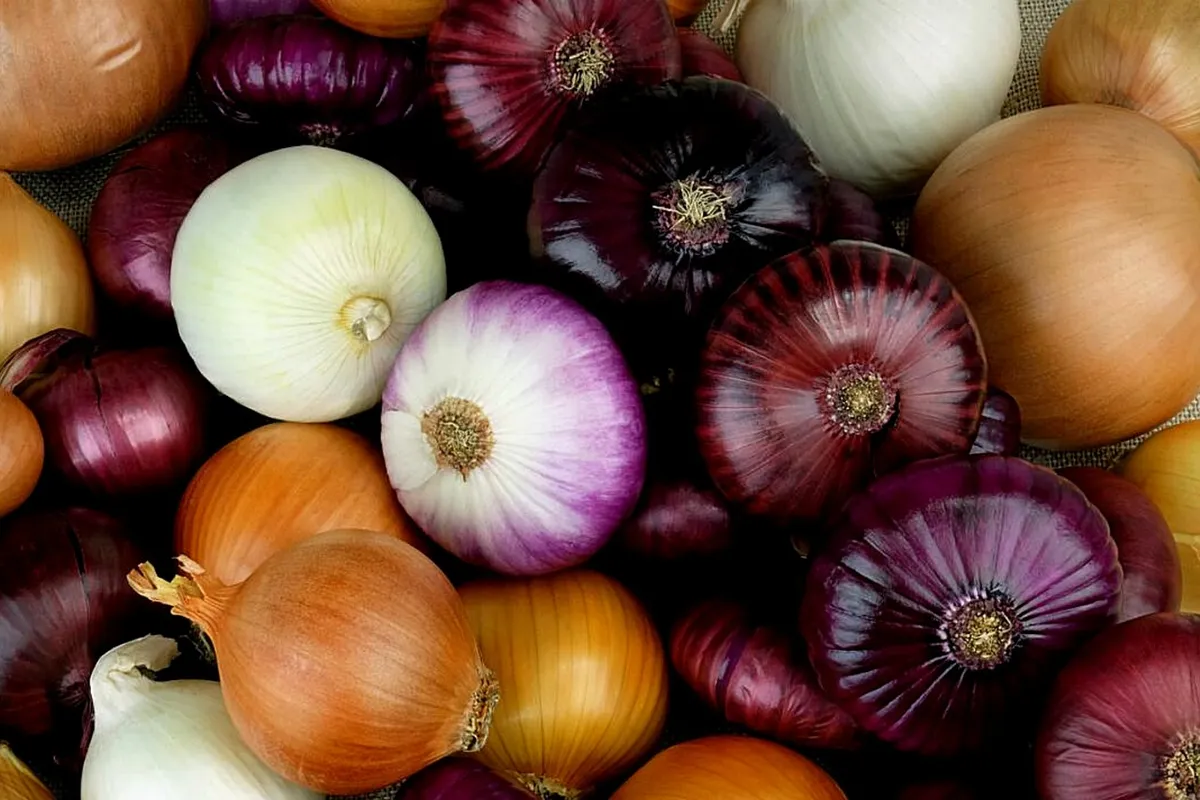
- White onion powder: made from white-skinned, white-fleshed onions grown for dehydration. In India, most of these come from the Mahuva and Bhavnagar area of Gujarat, the centre of the country’s onion dehydration industry.
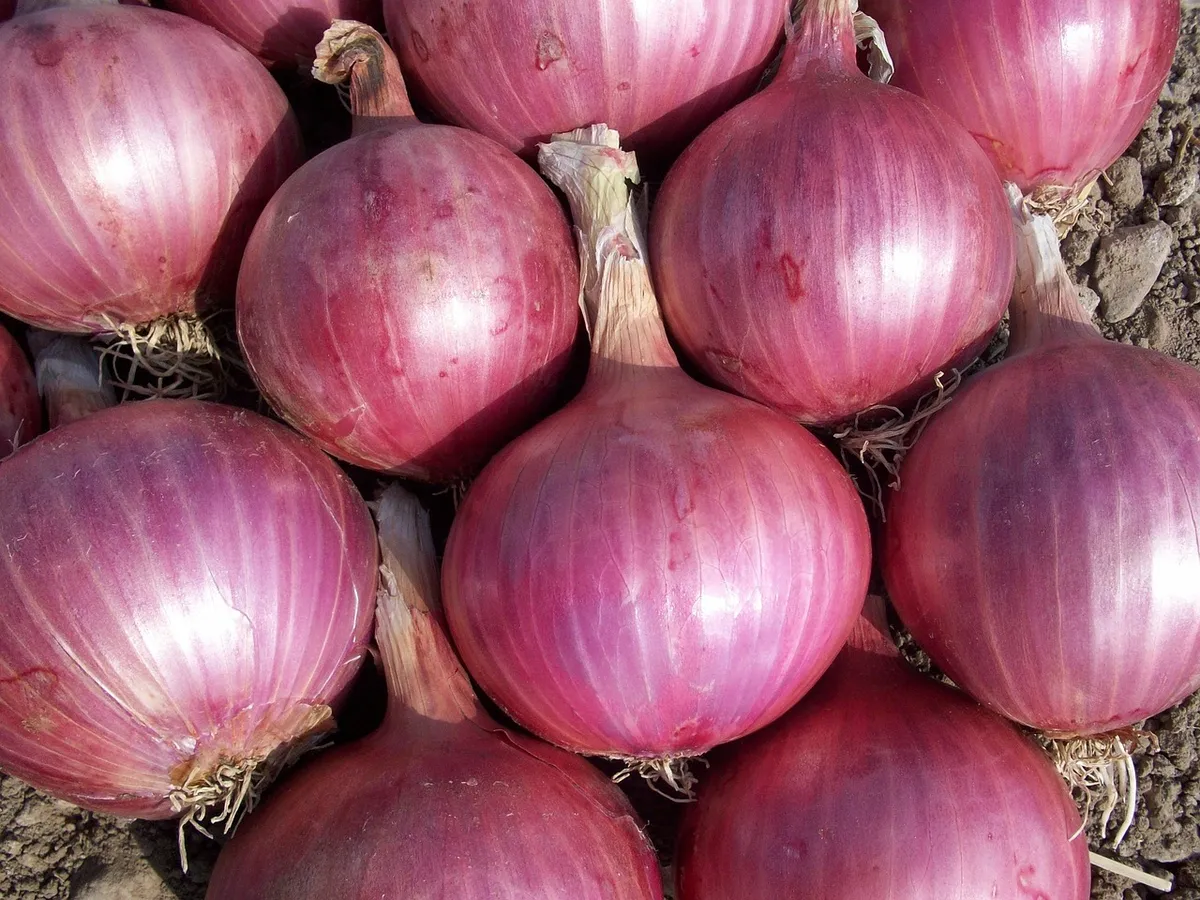
- Red onion powder: made from red onions, which have red-purple skin and red-tinged layers. Red onion colour comes mainly from natural pigments called anthocyanins.
- Pink onion powder: made from lighter red or pink onions. It sits between white and red in colour.
India is the world’s largest exporter of dehydrated onion. It shipped about 1.13 lakh tonnes worth US$ 221 million in 2024, mainly to the USA, Brazil, Germany and Indonesia. Most of this trade is in white onion products.
The process is the same for all three colours. Fresh onions are peeled, washed in chlorinated water and sliced. The slices are dried on belt dryers until they are crisp, then milled into powder, sieved to the required mesh, passed through optical sorters and checked by magnets and a metal detector. Because the steps are shared, the differences between the three powders come almost entirely from the raw onion.
Dehydration onions are also chosen for high dry matter. An onion with more solids and less water gives more powder per tonne of fresh onion and dries more evenly. This is one reason why white dehydration onions dominate the industry, while red and pink onions are grown mainly for the fresh market.
How Do the Onion Powder Varieties Compare?
The table compares the three types on the points buyers ask about most. Flavour descriptions are general; always test a sample in your own recipe.
| Feature | White onion powder | Red onion powder | Pink onion powder |
|---|---|---|---|
| Raw material | White dehydration onion | Red onion | Light red or pink onion |
| Colour of powder | White to creamy white | Pinkish to purple-brown tint | Light pink to beige |
| Flavour | Full, balanced onion flavour | Sharp, peppery | Milder, slightly sweet |
| Colour effect in food | Neutral, does not show | Can tint light products | Slight tint |
| Main uses | Seasonings, soups, sauces, snack coatings, ready meals | Regional seasonings, chutneys, curry pastes, snack mixes | Cost-sensitive blends, home and food service use |
| Global trade volume | Highest | Lower | Lower |
White, red and pink onion powder compared. Flavour notes are typical and vary by crop and process.
For an international seasoning or food manufacturer, the deciding factor is usually colour. A neutral, creamy white powder disappears into sauces, dressings, dips and coatings. A tinted powder may show as specks or a colour change in light-coloured products.
How Do Flavour, Pungency and Colour Differ?
Onion flavour comes from sulphur compounds that form when onion tissue is cut. Pungency is the sharp, hot part of that flavour. It depends on the variety, the soil, the season and how the onion is dried. So the flavour of each powder can vary from crop to crop.
Which onion powder has the strongest flavour? In general trade descriptions, red onion powder is described as the sharpest and most peppery, white onion powder as full and balanced, and pink onion powder as the mildest and slightly sweet. In practice, a good white dehydration onion gives a strong, clean onion taste that suits most products. If flavour strength is critical, compare samples side by side at the same dosage.
Why does red onion powder have a different colour? Red onions contain anthocyanins, natural pigments in the outer layers of each ring. When red onions are dried and milled, these pigments spread through the powder and give it a pinkish to purple-brown tint. Heat during drying and storage can darken the colour further. White onions contain little of these pigments, so their powder stays creamy white.
What Are the Best Applications for Each Type?
Choose the powder that matches your product’s colour, flavour and cost targets.
- White onion powder: dry seasoning blends, rubs and marinades, instant soups and noodle seasonings, sauces and dressings, dips, snack and chip coatings, meat products and ready meals. It is the safe default for any export product. A toasted grade, roasted to a golden colour, is also used where a cooked, fried-onion note is wanted.
- Red onion powder: products where a reddish tint is acceptable or wanted, such as some curry pastes, chutneys, regional spice mixes and darker snack seasonings.
- Pink onion powder: blends where a mild onion note is enough and a slight tint does not matter, often for local or price-sensitive markets.
Which onion powder suits seasoning and sauce blends best? For most seasoning and sauce blends, white onion powder is the best fit. It blends evenly, does not change the colour of the sauce and gives a dependable onion flavour from lot to lot.
Which Moisture, Mesh Size and Quality Specifications Matter?
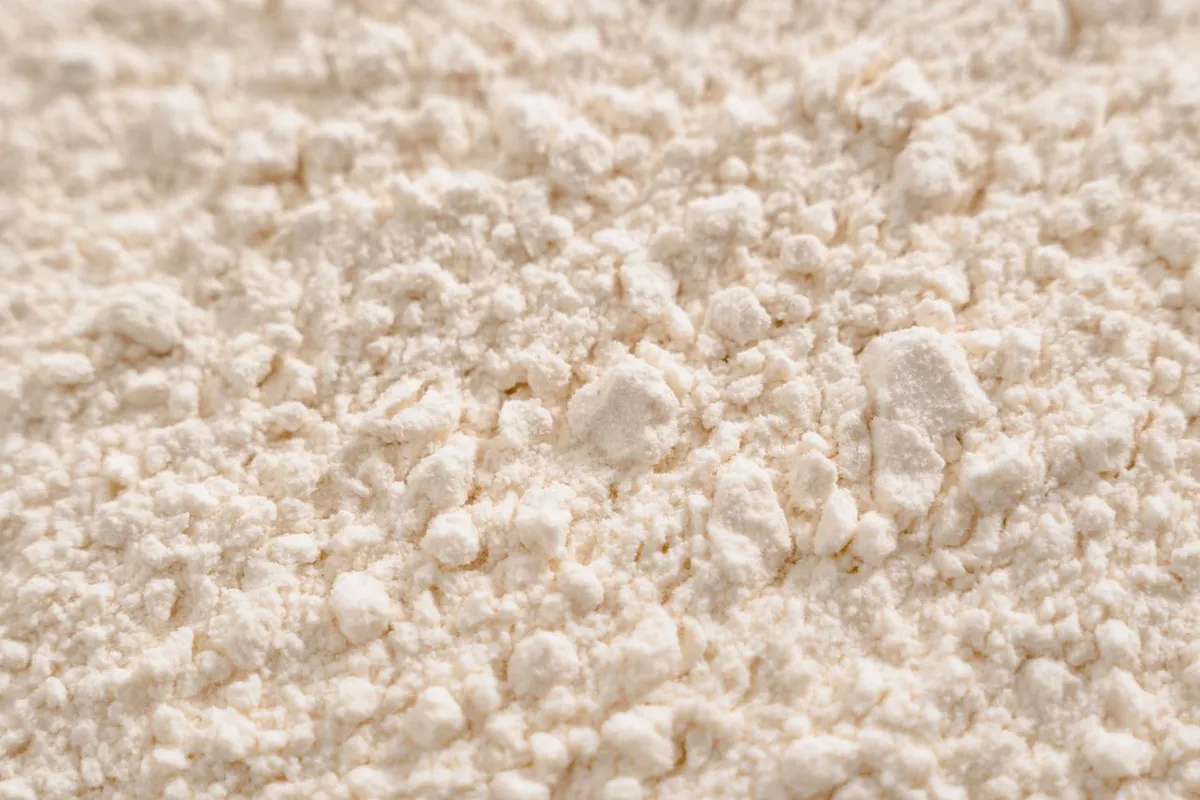
Whatever the colour, ask for the same core specification. Our standard export specification for white onion powder is:
- Mesh: 80–100 mesh (95% through), with 100–120 mesh fine powder on request.
- Moisture: 5% maximum, which is the FSSAI limit for onion powder.
- Total ash and acid-insoluble ash: 5% and 0.5% maximum.
- Hot-water-insoluble solids: 20% maximum.
- Microbiology: coliforms 100 cfu/g maximum, E. coli below 10 cfu/g and Salmonella absent in 25 g. Steam-sterilised low-micro powder is available on request.
- Residues and additives: pesticides within destination limits, no sulphite added, no ethylene oxide used.
Onion powder absorbs moisture from the air, so packing matters. It should be packed in lined cartons and kept sealed in cool, dry storage. Stored well, it keeps for 18–24 months. Our packaging page explains the options. Ask for the same tests on red and pink powders, and add a colour standard to the contract, because their tint can vary more from lot to lot than white powder.
How Do You Choose the Right Onion Powder?
Use four questions to narrow the choice:
- Will the colour show? If your product is light-coloured, choose white.
- What flavour do you need? Run a side-by-side test at the same dosage.
- What particle size suits your process? Fine powder for instant products, standard mesh for cooked foods, or granules and flakes for visible pieces.
- What microbial grade do you need? Ready-to-eat products such as dips and snack coatings often need a low-micro grade.
Related reading: How to Prepare Garlic Powder: The Commercial Process Explained.
How Do You Buy White Onion Powder in Bulk from India?
Buy from a supplier that sources from the Mahuva onion belt, tests every lot and can match your mesh and microbial grade. Ask for a sample and a Certificate of Analysis before you confirm the order.
Elysium Agri Corporation exports white onion powder milled from Mahuva white onion, in 80–100 mesh and finer grades, with every lot tested for microbiology and pesticides. We pack in 20–25 kg lined cartons. A 20 ft container holds about 14–15 MT and a 40 ft HC about 25–26 MT. We also supply garlic powder, so you can combine both in one container. For documents and duties, see our guide to importing dehydrated onion and garlic.
Tell us the grade, mesh, quantity and destination port, and we will send a price with the specification sheet. Request a white onion powder quote →
Frequently asked questions
What is the difference between white, red and pink onion powder?
The main difference is the onion variety used. White onion powder comes from white dehydration onions and is creamy white with a full, balanced flavour. Red onion powder comes from red onions and has a pinkish to purple-brown tint and a sharper taste. Pink onion powder comes from lighter pink onions and is usually milder.
Which onion powder has the strongest flavour?
In general trade descriptions, red onion powder is the sharpest and most peppery, white onion powder is full and balanced, and pink onion powder is the mildest. Flavour varies with variety, soil, season and drying, so a good white dehydration onion can be just as strong. Compare samples side by side at the same dosage before choosing.
Is white onion powder better for food manufacturing?
For most food manufacturing, yes. White onion powder has a neutral creamy colour that does not show in sauces, dressings, dips or coatings, and it gives a dependable flavour from lot to lot. It is the most traded type worldwide, so supply, specifications and testing are well established. Red or pink suit only specific products.
Why does red onion powder have a different colour?
Red onions contain anthocyanins, natural pigments found in the outer layer of each ring. When the onions are dried and milled, these pigments spread through the powder and give it a pinkish to purple-brown tint. Heat during drying and storage can darken it further. White onions contain little of these pigments, so their powder stays creamy white.
Which onion powder suits seasoning and sauce blends best?
White onion powder suits most seasoning and sauce blends best. It mixes evenly, keeps the colour of the finished product clean and delivers a steady onion flavour. Choose a fine mesh for instant soups and drinks, a standard 80 to 100 mesh for cooked sauces, and a low-micro grade for ready-to-eat dips and snack coatings.
Related reads


