
On this page
- What Are Pre-Shipment Samples and Inspections?
- Pre-Shipment Samples vs Inspection
- How Does an SGS Inspection Work Step by Step?
- What Do Inspectors Check?
- How Do Lab Testing and Certificates of Analysis Fit In?
- How Are Samples Drawn and Sealed?
- How Should You Act on Inspection Results?
- Requesting a Sample from Elysium
- Frequently asked questions
An SGS inspection is an independent pre-shipment check in which a surveyor from SGS, or a similar agency such as Intertek or Bureau Veritas, samples, examines and often supervises the loading of your goods before they leave the exporter, then issues a report or certificate on quality, quantity and packing. A pre-shipment sample is different: it is a sample of the actual lot, sent to you or your lab for approval before loading. This guide explains both, how an inspection works and what to do with the results.
Key takeaways
- A pre-shipment sample lets you test the real lot; an inspection checks the goods and the loading on site.
- Inspectors check quality, quantity, packing, marking and container condition, and can draw sealed samples for lab tests.
- The party that appoints the agency usually pays, unless the contract says otherwise.
- Write the inspection agency, scope and the final say on quality into the contract.
What Are Pre-Shipment Samples and Inspections?
Pre-shipment samples and inspections are two ways to confirm that the goods match the contract before they are shipped. Both happen after the lot is cleaned and packed, but before the container is sealed and the balance payment is due. They protect you from paying for goods that do not meet your specification.
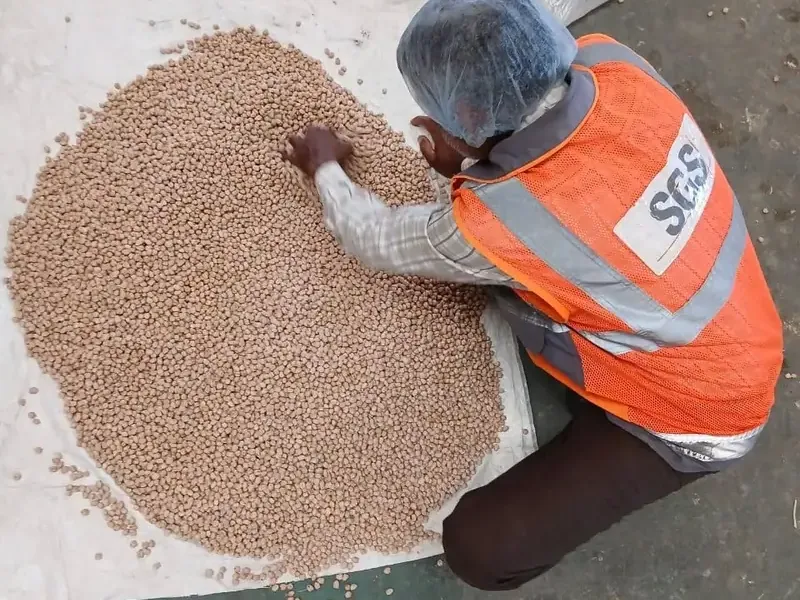
A pre-shipment sample is a small, representative quantity taken from your lot and sent by courier to you or your chosen lab. A pre-shipment inspection (PSI) is a visit by an independent surveyor to the warehouse or loading site. The best-known agencies include SGS, Intertek and Bureau Veritas. SGS, for example, describes its agricultural quality and quantity inspection as covering weighing, quality assessment, cleanliness inspections, loading supervision and analytical testing, in line with GAFTA and FOSFA guidelines.
Pre-Shipment Samples vs Inspection
The main difference is who looks at the goods and where. With a sample, you judge the goods yourself in your own lab. With an inspection, an independent expert checks the goods on site, including things a sample cannot show, such as the bag count, the marking and the condition of the container.
- Use a pre-shipment sample when taste, colour, grind or processing performance matter to you, for example for a spice blender or tahini maker.
- Use an inspection when you need independent proof of quality and quantity for a bank, a letter of credit, an insurer or a large order.
- Use both for first orders, high-value goods or strict markets.
A pre-shipment sample is not the same as a type sample. A type sample shows the grade before you sign the contract. A pre-shipment sample comes from the exact lot that will be loaded.
Timing is the other practical difference. A courier sample and lab test can take a week or more, so plan it well before the vessel cut-off. An inspection at loading takes a day, but lab results from sealed samples may follow a few days later. Build both into your shipment schedule.
How Does an SGS Inspection Work Step by Step?
A typical SGS inspection of an agro shipment follows six steps:
- Appointment: the buyer (or seller) books the agency and sends the contract specification and the scope of work.
- Scheduling: the exporter confirms the date, place and time of loading.
- Visual and physical checks: the inspector checks the lot, the packing, the marking and the bag count.
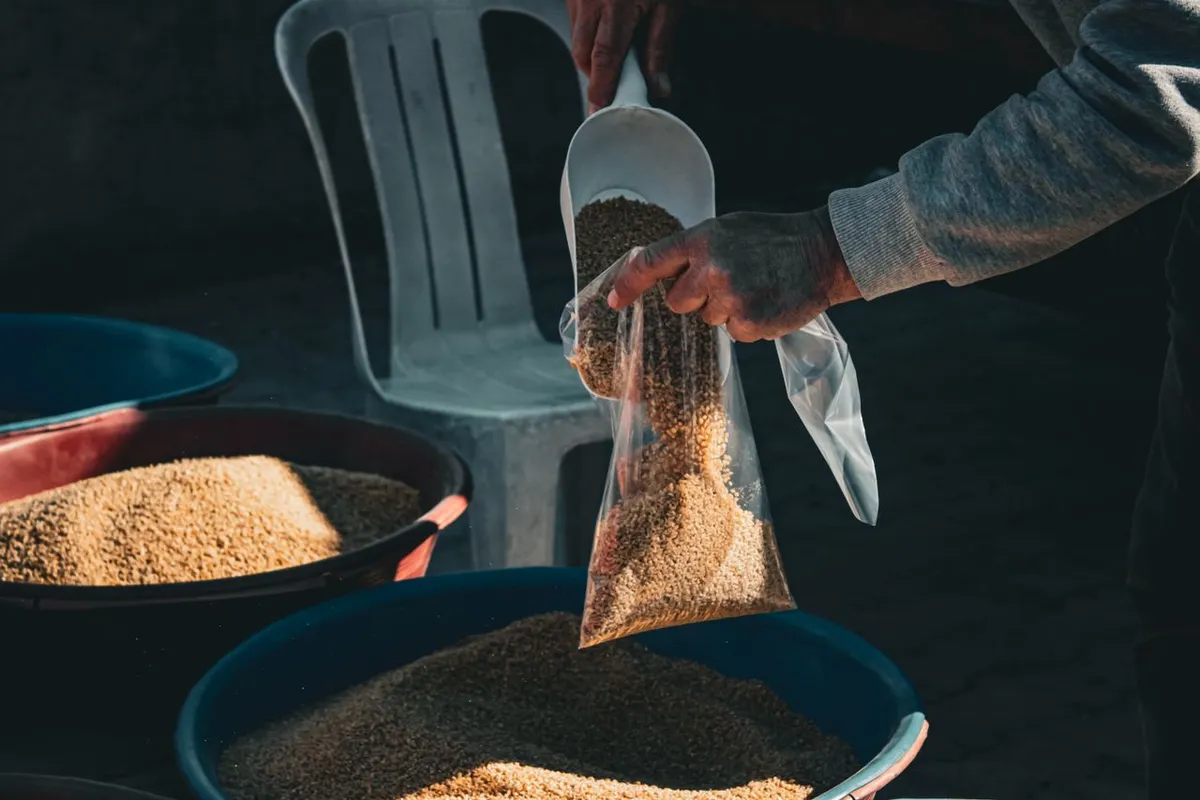
- Sampling: samples are drawn from many bags, mixed, divided and sealed.
- Loading supervision: the inspector checks the empty container, watches stuffing, records the container and seal numbers and photographs each stage.
- Reporting: the agency issues its report or certificate, and the lab results follow if testing was ordered.
The quality of the inspection depends on the instructions you give. Send the agency the full contract specification, with each limit written as a number, not just a grade name. State which tests the lab must run and by which method, how many samples you want and where they should go. Ask for photos of the lot, the open container, the loaded cargo and the closed seal. Clear instructions avoid a report that says “goods found in order” without checking what matters to you.
What Do Inspectors Check?
Inspectors check the points named in their scope of work. The table shows the usual checks for agro commodities.
| Area | What is checked | Example |
|---|---|---|
| Quality (visual) | Colour, size, foreign matter, damaged or insect-affected goods | Peanut count per ounce, spice purity |
| Quality (lab) | Moisture, purity and safety tests on sealed samples | Aflatoxin, pesticide residues, Salmonella |
| Quantity | Bag count and weight, by check-weighing a share of bags | Net weight per bag and total |
| Packing and marking | Bag type, liners, labels, lot codes and buyer’s marks | Lot code matches the CoA |
| Container condition | Clean, dry, odour-free, no holes, sound doors | Container cleanliness check |
| Loading and sealing | Stuffing, desiccants, container and seal numbers | Photos of each stage |
How Do Lab Testing and Certificates of Analysis Fit In?
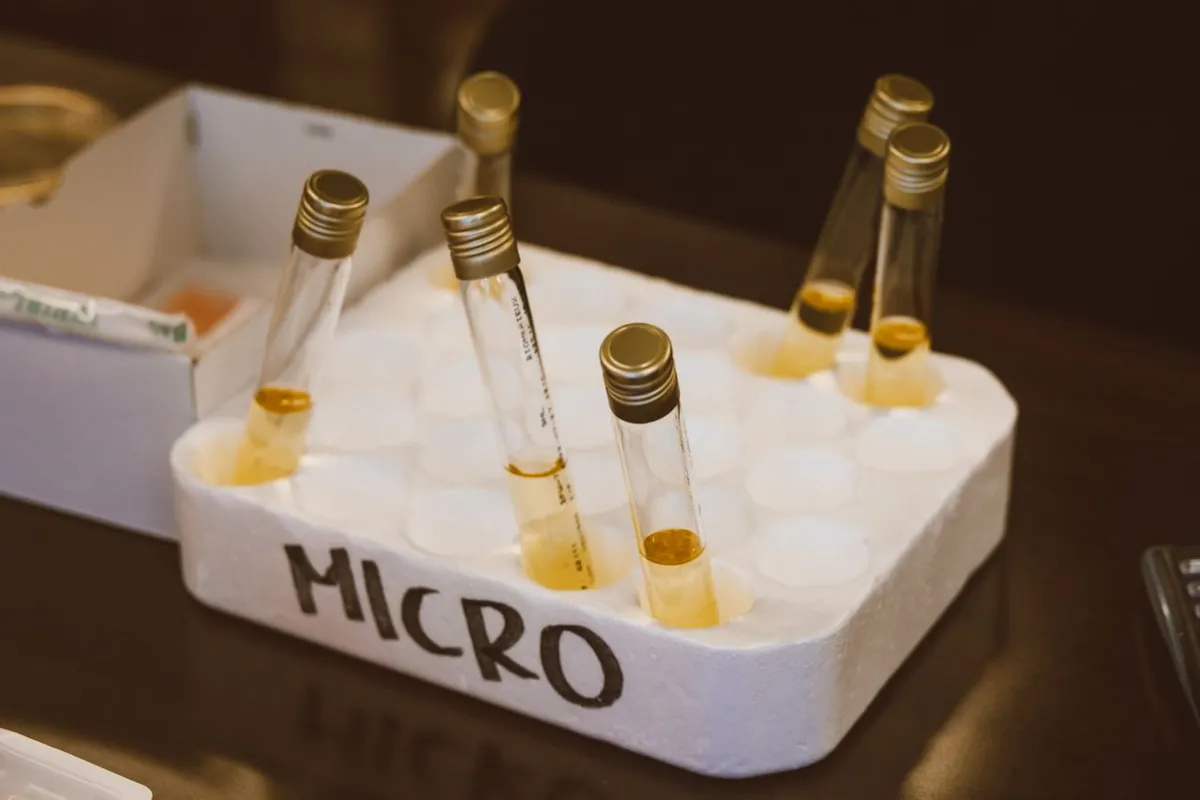
Lab testing turns samples into numbers you can rely on. For food safety, the key tests for agro commodities are aflatoxin, pesticide residues, ethylene oxide and Salmonella, plus moisture and purity. The results are reported on a Certificate of Analysis (CoA).
Check that the CoA comes from a lab accredited to ISO/IEC 17025. In India, the main accreditation body is NABL, which is a signatory of the ILAC mutual recognition arrangement, so its accredited results are recognised widely. A good CoA shows the lab’s name and accreditation number, the methods, the results and the limits. Some markets also need official testing: for example, EU-bound groundnuts are sampled and tested under APEDA’s Peanut.Net system, and EU spice lots go through the Spices Board’s sampling. See our lab testing page for the full panel.
How Are Samples Drawn and Sealed?
Good sampling decides whether the result is meaningful. Toxins such as aflatoxin are spread unevenly in a lot, so one handful from one bag can give a misleading result. Inspectors therefore take many small samples (increments) from bags across the lot, using sampling spears for bags, and combine them into an aggregate sample.
Official rules set the method for some tests. For mycotoxins in food sent to the EU, sampling follows Regulation (EU) 2023/2782, which sets the number and size of increments by lot size. The aggregate sample is divided into identical portions, each placed in a sealed, labelled bag. Typical portions are one for the lab, one for the buyer and one retained as a reference in case of dispute.
How Should You Act on Inspection Results?
Act on results quickly, because the vessel booking will not wait. If the goods pass, the agency’s certificate goes with the shipping documents, and you can release payment under the agreed terms. If they fail, the options are usually:
- Reprocess: re-clean or re-sort the lot and inspect again.
- Replace: load a different lot that meets the specification.
- Renegotiate: accept the goods at an agreed discount, if the defect is minor.
- Reject: cancel the lot under the contract terms.
Disputes are easier when the contract says which result is final, for example “quality final at loading as per SGS certificate”. If a destination test differs, the retained sample can be tested by an agreed referee lab. Keep all reports, photos and lab results together with the shipping documents, because your bank, insurer or customs broker may ask for them later.
Related reading: Container Desiccant Guide: Stopping Moisture in Agro Cargo and Food Traceability Explained: From Farm Lot to Container.
Requesting a Sample from Elysium
We welcome both samples and inspections. At Elysium Agri Corporation, every lot goes through six checks: source checks, pre-purchase sampling, cleaning and sorting, NABL-accredited lab testing, pre-shipment inspection and container checks, with the results shared with you. We send samples of most products, and we can send a pre-shipment sample of your lot to your own lab. If you want an SGS inspection, or a check by Intertek, Bureau Veritas or your own surveyor at loading, we arrange access. We also keep a retained sample of each lot, and the lot code on every bag links to its traceability records.
Read more about our quality process, our certificates and the moisture controls in our packaging. Then tell us the product, grade and destination, and say whether you need a sample or a surveyor at loading. Request a sample or quote →
Frequently asked questions
What is a pre-shipment inspection?
A pre-shipment inspection is a check by an independent surveyor, such as SGS, Intertek or Bureau Veritas, before goods leave the exporter. The inspector examines quality, quantity, packing, marking and container condition, often draws sealed samples for lab tests and may supervise loading. The agency then issues a report or certificate that the buyer, bank or insurer can rely on.
What does an SGS inspection cover for agro commodities?
An SGS inspection of agro commodities usually covers visual quality, sampling for lab tests, weighing or check-weighing, bag count, packing and marking, container cleanliness and loading supervision with container and seal numbers. The exact scope is set by the party that appoints SGS, so list the parameters and limits from your contract when you book.
Who pays for pre-shipment inspection?
Usually the party that appoints the inspection agency pays, and in most agro trades that is the buyer. The contract can say otherwise, for example the seller may pay where the inspection is required by the importing country or by a letter of credit. Agree who appoints and who pays before the contract is signed to avoid disputes.
What is a pre-shipment sample and why is it used?
A pre-shipment sample is a representative sample taken from the actual lot that will be loaded and sent to the buyer or the buyer's lab. It lets you check taste, colour, grind, moisture and safety results on the real goods before loading and before paying the balance. It differs from a type sample, which only shows the grade before contracting.
What documents does an inspection agency issue?
Depending on the scope, an inspection agency may issue a certificate of quality, a certificate of weight or quantity, a packing and marking report, a container cleanliness or condition report, a loading supervision report with seal numbers and photos, and lab results or a Certificate of Analysis for tested samples. These documents can be presented under a letter of credit.
Related reads


