
On this page
- What Is Food Traceability?
- Why Does Traceability Matter for Buyers?
- What Are the Key Elements of a Traceability System?
- How Does Traceability Work from Farm Lot to Container, Step by Step?
- Which Traceability Records Are Kept at Each Stage?
- How Does Traceability Support Recalls and Regulations?
- How Do You Source Traceable Products from India?
- Frequently asked questions
Food traceability is the ability to follow a food product through every stage of the supply chain, one step back to where it came from and one step forward to where it went. In practice, it means each lot carries a code that links it to its source, processing, test results and shipment records. For importers, good traceability makes recalls faster, supports regulatory compliance and builds trust in a supplier. This guide explains how it works for agricultural exports.
Key takeaways
- Traceability links each lot of food to its source, processing, tests and shipment through a lot code.
- EU law requires “one step back, one step forward” traceability for all food and feed under Regulation 178/2002.
- The US FSMA 204 rule adds extra records for foods on FDA’s Food Traceability List, including peanut butter, from 20 July 2028.
- A good system lets a supplier trace any bag to its records within minutes.
What Is Food Traceability?
Food traceability is a system of records that lets you find out where a food came from, what was done to it and where it went. The Codex Alimentarius describes it as the ability to follow the movement of a food through specified stages of production, processing and distribution.
Every business in the chain keeps two kinds of records. The first shows who supplied each input, which is the step back. The second shows who received each output, which is the step forward. When every business does this and uses lot codes, the whole chain can be rebuilt from farm to shelf. Traceability is different from tracking. Tracking follows a shipment forward in real time, for example a container on a vessel. Traceability works in both directions, and it can be used long after the goods have been delivered.
Why Does Traceability Matter for Buyers?
Traceability matters because it lets you act quickly and precisely when something goes wrong, and it is required by law in major markets. It also shows that a supplier controls its own process.
- Faster, smaller recalls: if a problem is found, you can identify the affected lots and withdraw only those, rather than all stock.
- Regulatory compliance: EU, US and many other import rules require traceability records.
- Root-cause analysis: when a test fails, records show whether the cause was the raw material, the process or storage.
- Customer requirements: retailers and food brands ask suppliers for lot codes and trace reports during audits.
- Claims and certification: origin, organic, halal and other claims depend on records that show the product stayed in the certified chain.
- Supplier trust: a supplier that can trace a bag in minutes is more likely to run a controlled operation.
Traceability also supports certifications that depend on separation of products. For example, see our guide to halal certification in India, where audits check that certified goods stay apart from other goods.
What Are the Key Elements of a Traceability System?
A traceability system needs five elements: lot identification, records at each step, links between lots, labelling and the ability to retrieve records quickly.
- Lot identification: each batch of product gets a unique lot code. A lot should be small enough to limit a recall but practical to manage.
- Records at each step: who supplied the goods, what was done, when, where and by whom.
- Links between lots: when lots are cleaned, mixed or processed, the records must show which input lots went into which output lots.
- Labelling: the lot code is printed on every bag or carton and on the shipping documents.
- Fast retrieval: records must be easy to search. Under the US rule, for example, records must be provided to FDA within 24 hours of a request.
A lot code can carry useful information on its own. At Elysium, a code such as EA-GN-26K-0412 shows the company, the product (groundnut kernels), the crop year and season (2026 kharif) and a lot number that links to the source, processing and test records.
How Does Traceability Work from Farm Lot to Container, Step by Step?
For an agro commodity such as peanuts, sesame or spices, lot traceability follows the goods from the market or farm to the sealed container. Each step adds records to the same lot code.
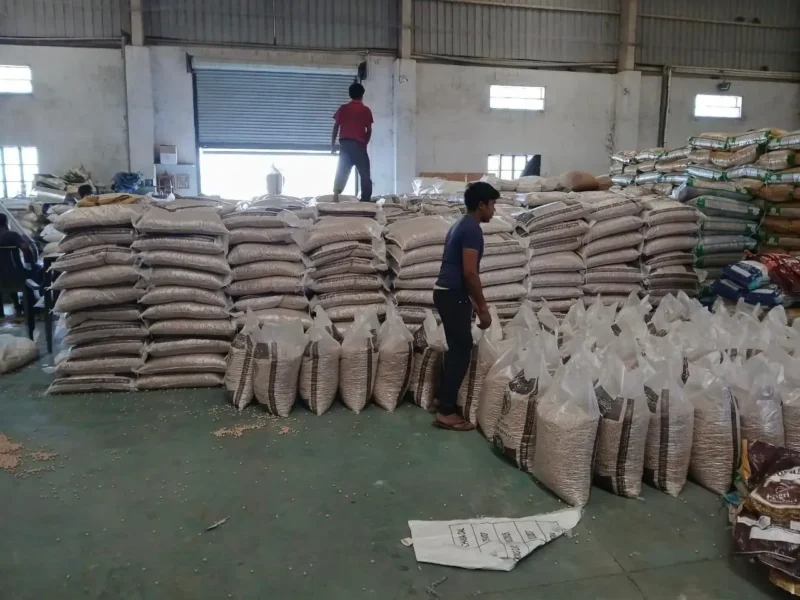
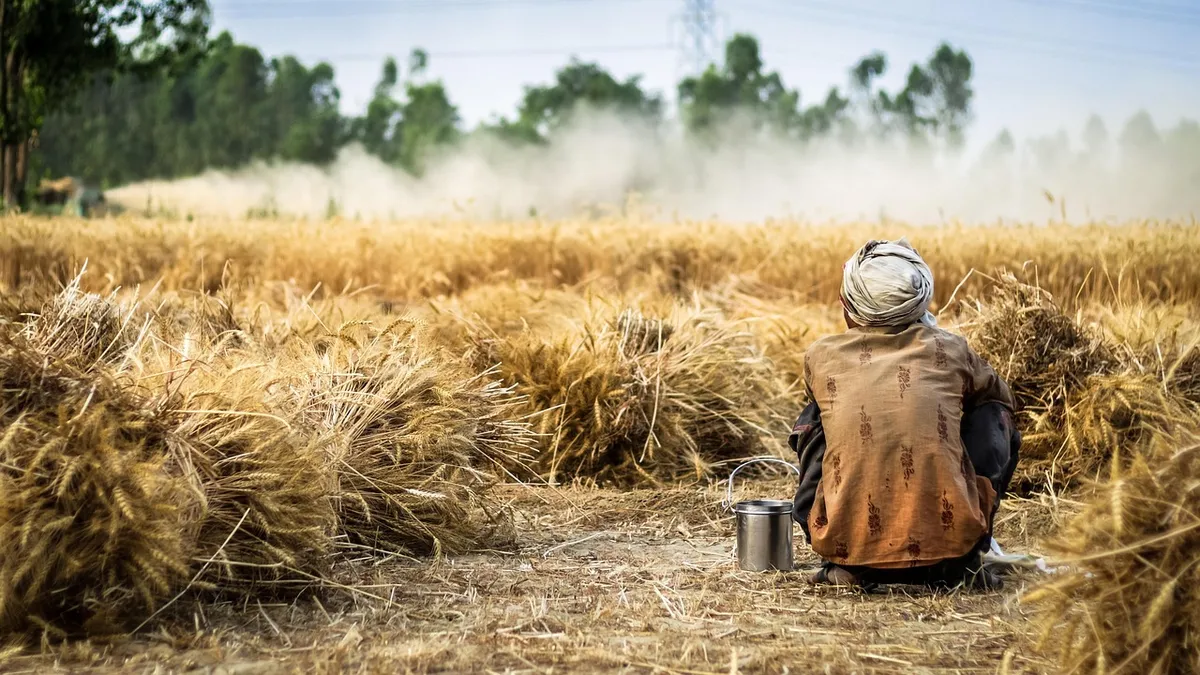
- Sourcing: the raw material is bought from farmers, farmer groups or regulated markets. The supplier, location, date and quantity are recorded.
- Receiving: the goods are weighed, sampled and given an incoming lot number.
- Processing: cleaning, grading, sorting, hulling or roasting is recorded with the processing unit, date, steps and output weight. Mixed inputs are linked to the new output lot.
- Testing: samples go to the lab, and the report number and results are linked to the lot.
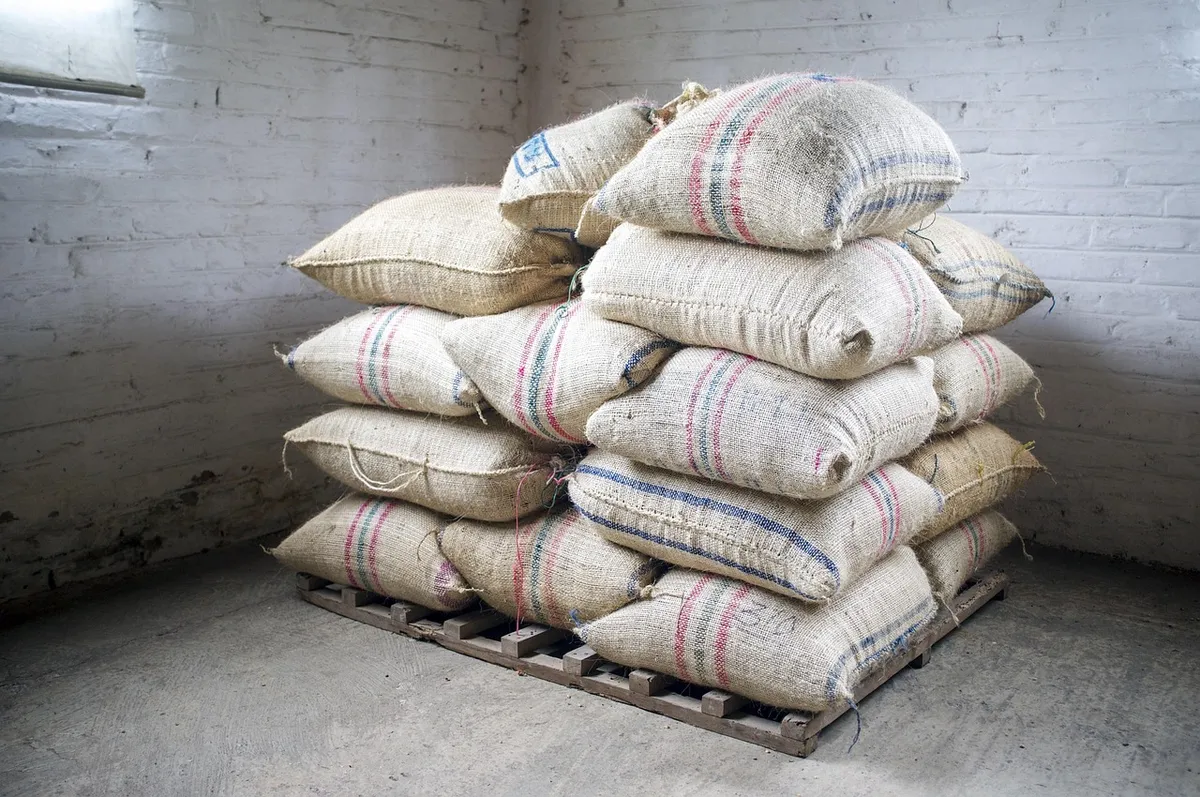
- Packing: the pack type, bag count, lot code and packing date are recorded, and the code is printed on each bag.
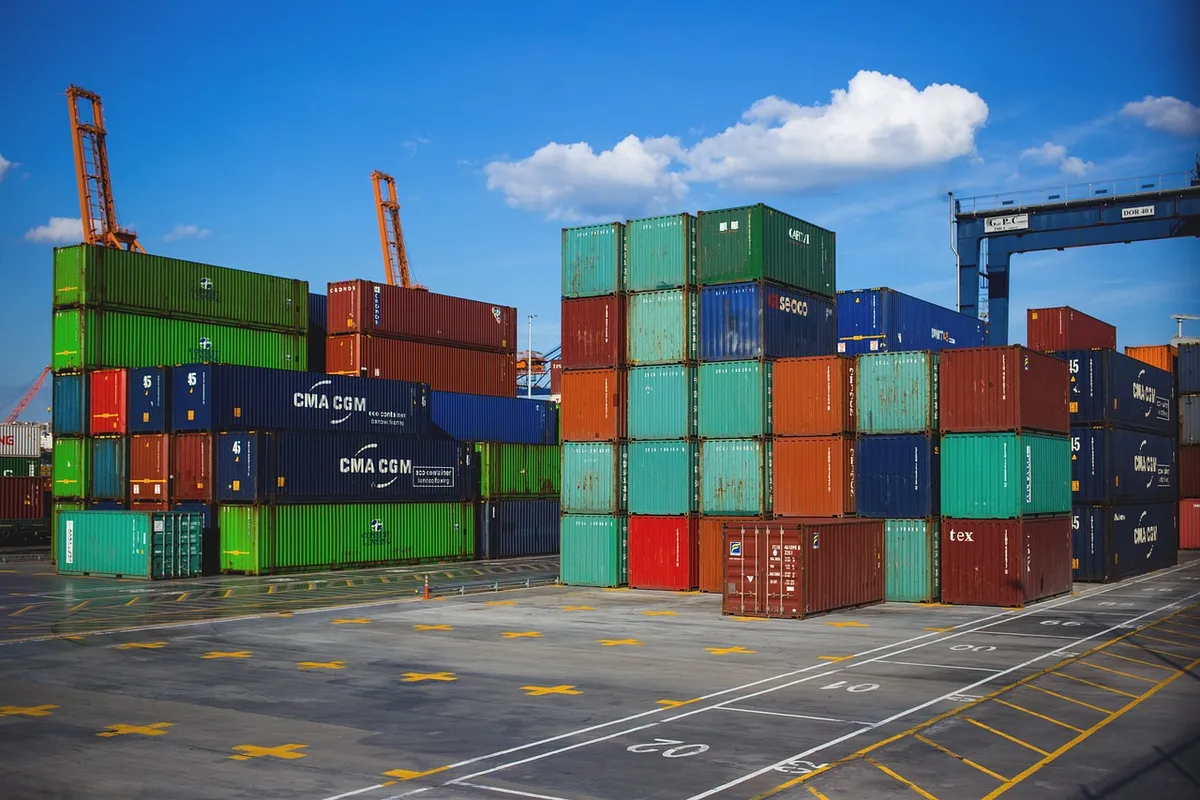
- Shipment: the container and seal number, vessel, bill of lading and buyer are recorded against the lot.
Which Traceability Records Are Kept at Each Stage?
The table shows the main records kept at each stage of an export supply chain and why each one matters.
| Stage | Records kept | Why it matters |
|---|---|---|
| Source | Supplier or market, location, purchase date, quantity, crop year | Links the lot to its origin; supports origin claims |
| Processing | Processing unit, date, cleaning and sorting steps, input and output weights | Shows how input lots became the output lot |
| Testing | Lab name, report number, results against specification | Proves the lot met limits before shipment |
| Packing | Pack type, bag count, lot code, packing date | Lets any single bag be identified |
| Shipment | Container and seal number, vessel, bill of lading, buyer | Gives the “one step forward” link |
| Buyer (importer) | Receiving date, lot codes received, customers supplied | Continues the chain in the destination market |
Traceability records at each stage of an agri export chain.
Some products have extra rules. Indian groundnut exports run through APEDA’s Peanut.Net system, where registered units create lots, approved labs record sampling and results, and APEDA issues export certificates. The EU Deforestation Regulation (EU) 2023/1115 adds plot geolocation and a due-diligence statement for soya, including soybean meal, from 30 December 2026 for large and medium operators.
How Does Traceability Support Recalls and Regulations?
Traceability is the tool that makes a recall possible. When a safety problem is found, the business uses lot codes to find every affected lot, where it came from and where it went, and then removes it from sale.
In the EU, Article 18 of the General Food Law, Regulation (EC) 178/2002, requires every food and feed business to identify its suppliers and its business customers. In the USA, the FSMA Food Traceability Rule requires extra key data elements for critical tracking events, such as shipping, receiving and transformation, for foods on the Food Traceability List. Peanut butter and other nut butters are on the list, and compliance is required from 20 July 2028. Whole peanuts, spices, sesame and pulses are not on the list, but importers of these foods still keep standard one-up, one-down records under other US rules.
A mock recall is the best way to test a system. Pick one finished lot, trace it back to its inputs and forward to its customers, and time how long it takes. Gaps found in a test are much cheaper to fix than gaps found in a real recall.
Related reading: Container Desiccant Guide: Stopping Moisture in Agro Cargo.
How Do You Source Traceable Products from India?
Ask every supplier how its food traceability system works before you place an order. Ask to see an example lot code, a sample trace report and how fast it can produce one. Check that the lot code appears on each bag, on the Certificate of Analysis and on the packing list, and that the test report matches the lot you receive.
At Elysium Agri Corporation, every bag carries a lot code that links it to where the goods were bought, the processing unit, the lab report and the container they shipped in. The same code is printed on the Certificate of Analysis and the packing list, so a single bag can be traced to its records in minutes. Farm or village-level detail is available for some lots, depending on the sourcing channel. Read more on our traceability page, and see our quality and lab testing pages for how lots are checked. You can also confirm our registrations through the verify page.
Tell us the product, grade and quantity you need, and we will send a quote with the specification sheet and an example trace report. Request a traceable product quote →
Frequently asked questions
What is food traceability?
Food traceability is the ability to follow a food through every stage of production, processing and distribution. Each business records where its inputs came from and where its products went, and uses lot codes to link them. This lets anyone in the chain trace a product back to its source or forward to its customers.
Why is traceability important in the food supply chain?
Traceability lets businesses find and remove unsafe lots quickly, so recalls are faster and smaller. It is required by law in the EU, the USA and other markets. It also helps find the root cause of quality problems and supports origin, organic and halal claims that depend on proof of the supply chain.
What is the difference between traceability and tracking?
Tracking follows a shipment forward in real time, such as a container moving on a vessel. Traceability works in both directions, back to the source and forward to the customers, and it uses stored records. Traceability can be used long after delivery, for example during a recall or a customer audit.
How does lot traceability work for agro exports?
Each batch gets a lot code when it is received. The code is linked to the source, processing steps, lab report, packing details and container. It is printed on every bag, the Certificate of Analysis and the packing list, so any bag can be traced to its records. Mixed inputs are linked to the output lot.
What records are needed for food traceability?
Key records are the supplier, location, date and quantity of each input; processing unit, steps and weights; lab name, report number and results; pack type, bag count and lot code; and container, seal number, vessel, bill of lading and buyer. US FSMA 204 adds set data elements for listed foods.
Related reads


