
On this page
- Onion vs Onion Powder: What Are the Basics?
- What Are the Conversion Ratios for Recipes?
- What Are the Ratios for Industrial Production?
- How Do Flavour and Texture Differ?
- What Moisture and Yield Considerations Matter?
- When Should You Choose Onion Powder over Fresh Onion?
- How Do You Buy Onion Powder in Bulk from India?
- Frequently asked questions
In the onion vs onion powder comparison, the key difference is water: fresh onion is about 89% water, while onion powder is dried to 5% moisture or less, so 1 kg of powder replaces about 8–9 kg of fresh onion by weight. In home cooking, a common rule of thumb is about 1 tablespoon of onion powder for one medium onion, adjusted to taste. Powder gives an even, savoury onion flavour without the texture, sweetness or browning of fresh onion. This guide gives conversion ratios for recipes and production, and explains when powder is the better choice.
Key takeaways
- By weight, 1 part onion powder replaces about 8–9 parts fresh onion.
- In recipes, start with about 1 tablespoon of powder per medium onion and adjust to taste.
- Powder dissolves and spreads flavour evenly but gives no texture or caramelised sweetness.
- Food manufacturers use powder for consistent flavour, long shelf life and easy handling.
Onion vs Onion Powder: What Are the Basics?
Fresh onion and onion powder come from the same vegetable, but they behave very differently in food.
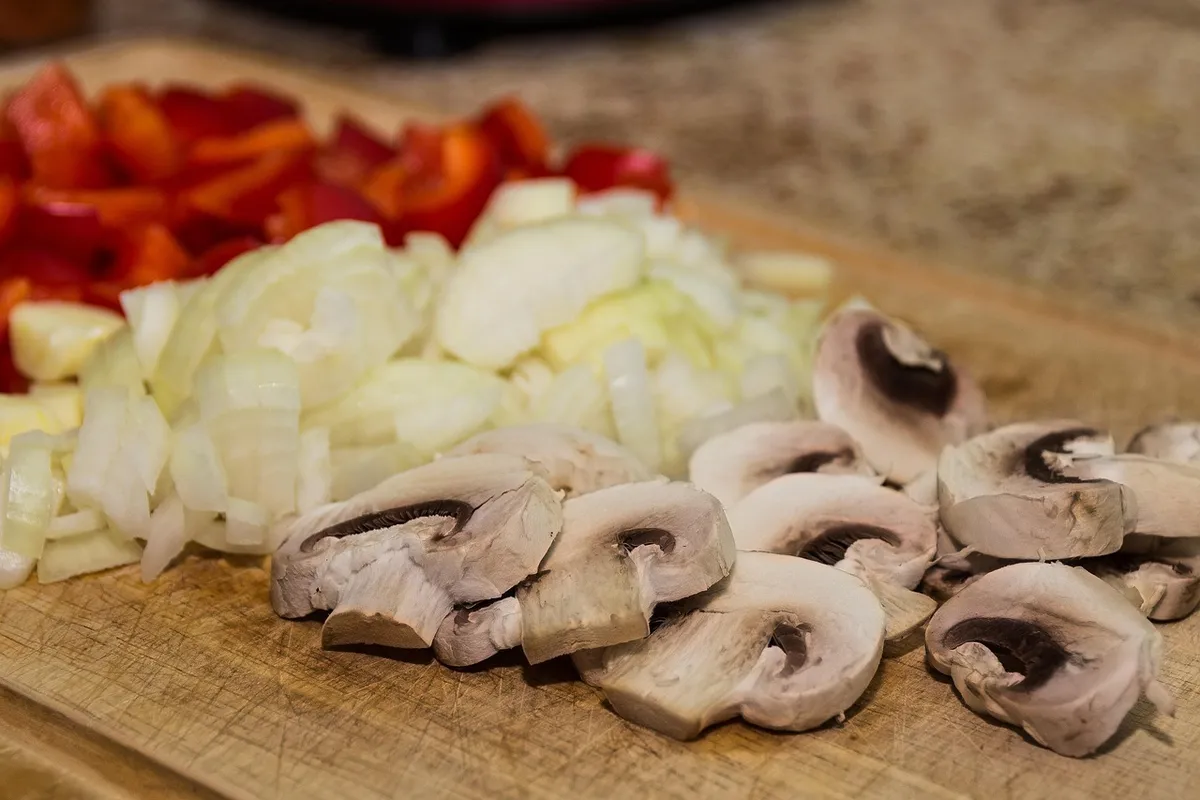
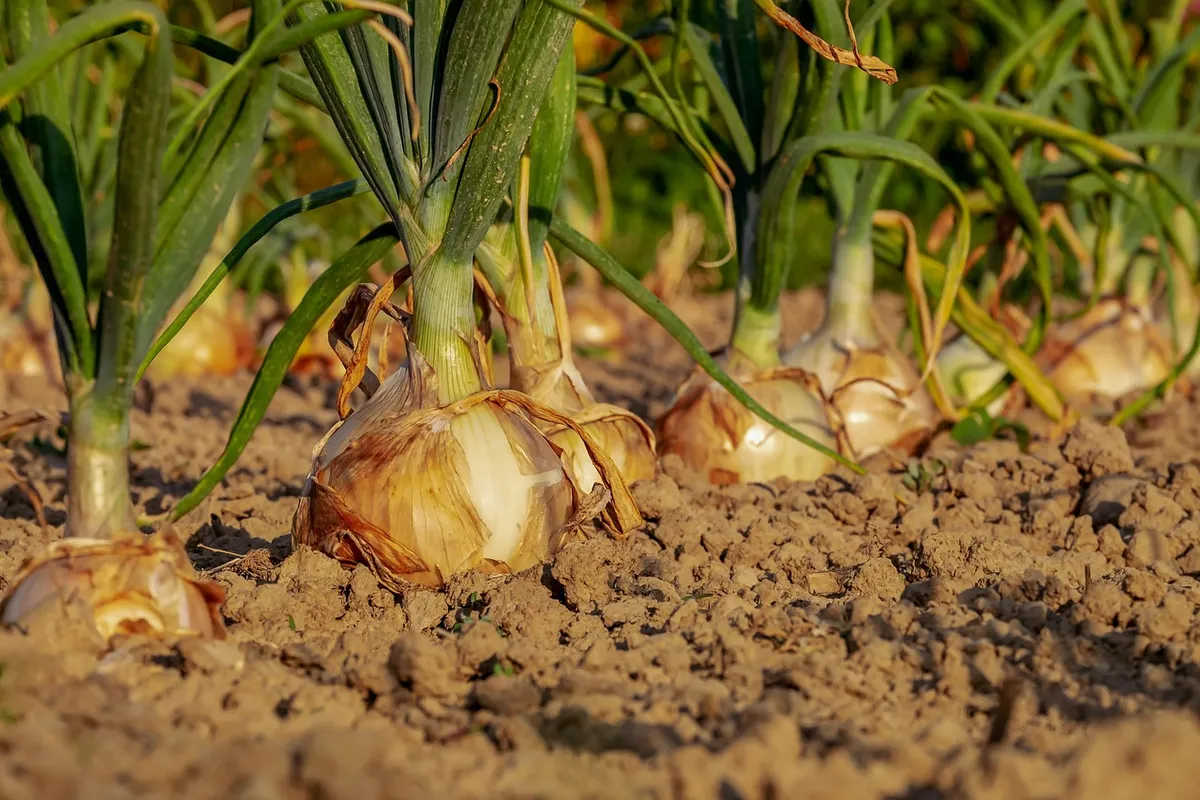
Fresh onion is mostly water. According to USDA FoodData Central, raw onion contains about 89 g of water per 100 g. When cut, it releases sharp sulphur compounds. When cooked, it softens, sweetens and browns, adding both texture and flavour.
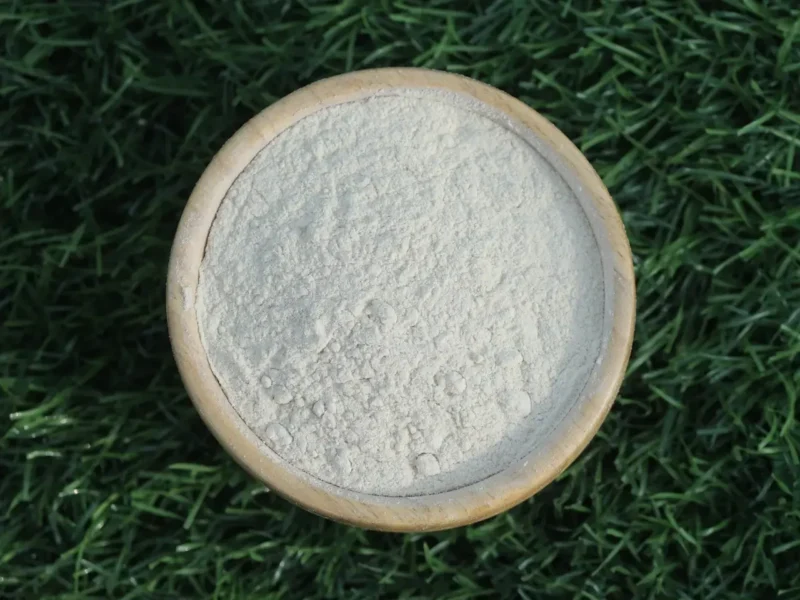
Onion powder is made by slicing onions, drying them in hot air to low moisture, and milling the dried flakes into a fine powder. Export onion powder is usually 80–100 mesh, with moisture of 5% or less. It is a shelf-stable ingredient that keeps for 18–24 months in cool, dry storage, compared with weeks for fresh onion. White onion with high solids is the preferred raw material, and India, mainly Gujarat, is the world’s largest exporter of dried onion.
What Are the Conversion Ratios for Recipes?
There are two ways to convert fresh onion to onion powder: by weight and by kitchen measure. The weight method is exact on solids. The kitchen rule is based on taste, because powder spreads its flavour more fully than chopped onion.
A medium onion weighs roughly 110 g. One tablespoon of onion powder weighs about 7 g, and one teaspoon about 2–2.5 g, based on USDA portion data. The table gives practical starting points.
| Fresh onion | Approx. weight | Onion powder by weight (1:8–9) | Kitchen starting point |
|---|---|---|---|
| 1 small onion | About 70 g | About 8 g | About 2 teaspoons |
| 1 medium onion | About 110 g | About 12–14 g | About 1 tablespoon |
| 1 large onion | About 150 g | About 17–19 g | About 1½ tablespoons |
| 1 cup chopped onion | About 160 g | About 18–20 g | About 1½ tablespoons |
| 1 kg fresh onion | 1,000 g | About 110–125 g | Use weight |
Onion powder to onion ratio. Weight values use a dry-to-fresh ratio of 1:8–9; kitchen values are rules of thumb to adjust by taste.
You may notice that the kitchen starting point uses less powder than the weight method. That is intentional. Powder dissolves completely, so its flavour reaches every part of the dish, and many cooks find a full weight-equivalent dose too strong. Start with the kitchen amount, taste, and add more if needed. If you are replacing dehydrated minced onion rather than powder, use slightly more minced onion, because the pieces release their flavour more slowly.
What Are the Ratios for Industrial Production?
Food manufacturers work by weight, not by spoon. The standard industry figure is that 8–9 kg of fresh onion make 1 kg of dehydrated onion, because fresh onion is 85–90% water. This gives a simple formula:
- Powder needed = fresh onion in the recipe ÷ 8 to 9.
- Water to add back = fresh onion weight − powder weight, if the recipe depends on the onion’s moisture, as in sauces or fillings.
For example, a sauce that uses 90 kg of fresh onion per batch would need about 10–11 kg of onion powder, plus about 79–80 kg of water if the moisture balance must stay the same. In dry seasonings, snack coatings and instant mixes, no water is added, and the powder dose is set by flavour trials.
Run a trial batch before switching a full line. Onion strength varies with variety, crop and drying, so agree a reference sample with your supplier and check each new lot against it. Our landed cost calculator helps you compare the cost per batch of fresh and dehydrated onion.
How Do Flavour and Texture Differ?
Onion powder tastes savoury, slightly sweet and toasted, with less of the sharp bite of raw onion. Drying and milling change the flavour compounds, so powder does not taste exactly like fresh onion, raw or cooked.
- Texture: fresh onion gives soft pieces or crunch. Powder gives none and simply disappears into the food.
- Browning: fresh onion caramelises when fried, building deep sweetness. Powder can burn quickly in hot oil, so it is usually added with liquid or later in cooking.
- Evenness: powder spreads flavour uniformly, which is ideal for rubs, batters, dips and seasonings.
- Raw use: in salads and salsas, fresh onion cannot be replaced by powder without changing the dish.
Many cooks and manufacturers use both: fresh or dehydrated pieces for texture, and powder to boost and even out the onion flavour.
What Moisture and Yield Considerations Matter?
Moisture affects both cost and product quality. When you replace fresh onion with powder, you remove a large amount of water from the recipe. In a sauce or filling, you need to add that water back. In a dry product, the removal is an advantage, because it lowers water activity and helps shelf life.
Powder also absorbs moisture from the air. Above about 5% moisture, it can cake and lose its free flow. Keep it in sealed, lined bags in a cool, dry store, and close part-used bags tightly. Fresh onion has its own yield loss: peeling, trimming and waste can remove a share of the weight you buy, and it spoils if stored too long. Powder has almost no waste.
For food safety, fresh onion is usually cooked, which reduces microbes. Powder is often added to foods that are not cooked further, such as dips and seasonings. In those cases, ask for low-micro, steam-sterilised powder with tested plate count, yeast and mould, and Salmonella. Our lab testing page lists the microbiology tests we run.
When Should You Choose Onion Powder over Fresh Onion?
Choose onion powder when consistency, convenience and shelf life matter more than texture. It is usually the better choice for:
- dry seasoning blends, spice rubs and snack coatings;
- instant soups, gravies, sauces and ready-meal bases;
- processed meats, burgers and plant-based products;
- batters, breadings and savoury bakery;
- food service kitchens that want to save prep time and avoid waste;
- products that need a long shelf life or are shipped over long distances.
Logistics make a strong case for powder. A 20 ft container holds about 14–15 MT of onion powder. At a ratio of 1:8–9, that replaces roughly 110–135 MT of fresh onion, which would need several refrigerated or ventilated containers and would start to spoil within weeks. Powder needs no cold chain, takes little warehouse space and can be bought once or twice a year. For importers far from onion-growing regions, this often makes powder cheaper per unit of onion flavour, even though its price per kilo is much higher than fresh onion.
Fresh onion remains the better choice for raw dishes, fried onion bases and recipes where visible pieces matter. If you need pieces but want the convenience of a dried product, look at chopped, minced or flaked dehydrated onion. Our guide to dehydrated onion forms explains each cut, and our article on what dried onion is covers the basics.
Related reading: Granulated Garlic vs Garlic Powder: Differences and Uses.
How Do You Buy Onion Powder in Bulk from India?
Once you have settled the onion vs onion powder question for your product, fix the mesh, moisture, colour and microbiology limits in your specification. Elysium Agri Corporation exports white onion powder from Gujarat’s dehydration belt in 80–100 mesh, with 100–120 mesh on request. Moisture is 5% maximum, colour is white to creamy white, and every lot is tested for microbiology and pesticide residues. Low-micro lots are steam-sterilised, never treated with ethylene oxide. A 20 ft container holds about 14–15 MT, and we also supply flakes, chopped, minced and granules in the same load.
Tell us the mesh, quantity, packing and destination port, and we will send a quote and specification sheet. Request an onion powder quote →
Frequently asked questions
How much onion powder equals one fresh onion?
For a medium onion of about 110 g, a common kitchen starting point is about 1 tablespoon of onion powder. On a strict weight basis, the same onion equals about 12–14 g of powder, because fresh onion is mostly water. Powder spreads flavour fully, so start with the smaller amount and adjust to taste.
What is the ratio of onion powder to fresh onion?
By weight, the industry ratio is about 1:8 to 1:9, meaning 1 kg of onion powder replaces about 8–9 kg of fresh onion. This reflects the 85–90% water content of fresh onion. In home recipes, many cooks use a little less powder than the weight ratio suggests, because its flavour is more evenly dispersed.
Can I substitute onion powder for onion in recipes?
Yes, in most cooked dishes such as soups, sauces, stews, rubs and batters. Use about 1 tablespoon per medium onion and add a little extra liquid if the recipe relied on the onion's moisture. Powder will not give texture or caramelised sweetness, so it is a poor swap in salads, salsas and fried onion bases.
How much dehydrated onion equals fresh onion?
About 1 kg of dehydrated onion, in any form, replaces about 8–9 kg of fresh onion by weight. For a medium onion of about 110 g, that is roughly 12–14 g of dried onion. Larger pieces such as minced or flaked onion release flavour more slowly than powder, so you may need slightly more of them.
Does onion powder taste different from fresh onion?
Yes. Onion powder tastes savoury, slightly sweet and toasted, with less of the sharp bite of raw onion, because drying and milling change its flavour compounds. It gives no texture and does not caramelise like fresh onion. It does give an even, consistent onion flavour, which is why manufacturers use it.
Related reads


