
On this page
- What Are the Main Indian Spices?
- What Are the Whole Seed Spices: Cumin, Coriander, Fennel and Fenugreek?
- What Are the Rhizome and Root Spices: Turmeric and Ginger?
- What Are the Spice Names in English, Hindi and Arabic?
- How Do Seed Spices and Ground Spices Differ?
- Why Do Correct Spice Names Matter in Trade Documents?
- How Can You Buy Indian Spices in Bulk?
- Frequently asked questions
The main spices in India include cumin (jeera), coriander (dhania), fennel (saunf), fenugreek (methi), turmeric (haldi), ginger (adrak), black pepper (kali mirch), cardamom (elaichi), red chilli (lal mirch) and mustard seed (rai). India’s Spices Board lists 52 spices under its purview. This list of spices in India gives the English, Hindi and Arabic names of the most traded spices, explains the main groups, and shows why correct names matter on trade documents.
Key takeaways
- India grows and exports a wide range of spices. The Spices Board lists 52 spices under its purview.
- Seed spices such as cumin, coriander, fennel and fenugreek come mainly from Gujarat and Rajasthan.
- Turmeric and ginger are rhizome spices, grown in south, central and north-east India.
- Trade documents should use the English name, the botanical name and the HS code, not only the local name.
What Are the Main Indian Spices?
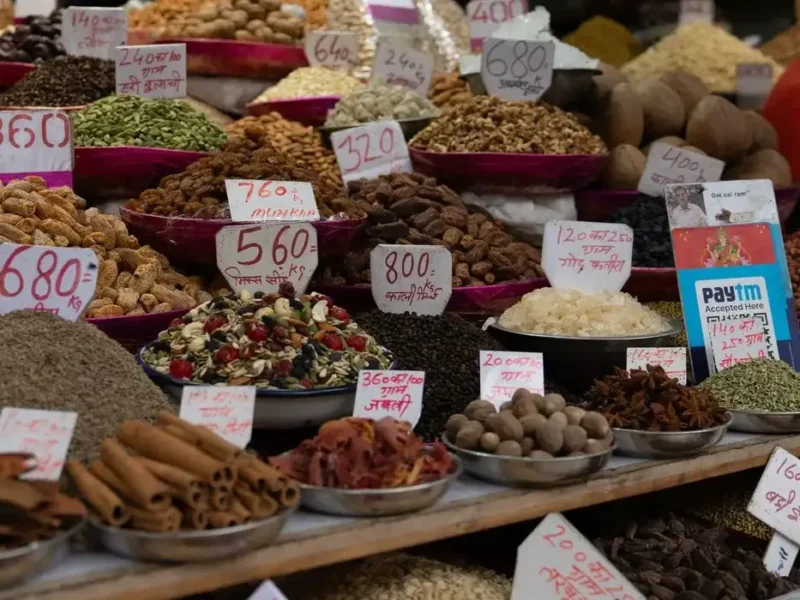
The main Indian spices fall into a few groups: seed spices, rhizome spices, berry and fruit spices, and bark and bud spices. A typical Indian kitchen uses most of them every week, and many are also traded worldwide.
Here are the names of ten common Indian spices, with their Hindi names:
- Cumin (jeera)
- Coriander seed (dhania)
- Fennel (saunf)
- Fenugreek (methi)
- Turmeric (haldi)
- Ginger (adrak; dry ginger is saunth)
- Black pepper (kali mirch)
- Green cardamom (elaichi)
- Red chilli (lal mirch)
- Mustard seed (rai or sarson)
Other common spices include ajwain (carom seed), cinnamon (dalchini), cloves (laung), nigella or black cumin (kalonji) and asafoetida (hing). The Spices Board of India publishes the full list of 52 spices it covers, with botanical names.
Beyond the seed and rhizome spices covered below, India is also a major source of berry, fruit, bark and bud spices. Black pepper and small cardamom grow mainly in the hills of Kerala and Karnataka in the south-west. Red chilli is grown across several states, with Guntur in Andhra Pradesh among the best-known trading centres. Cinnamon-type barks, cloves and nutmeg are grown on a smaller scale in the south. Each group has its own harvest season, grading system and quality tests.
What Are the Whole Seed Spices: Cumin, Coriander, Fennel and Fenugreek?
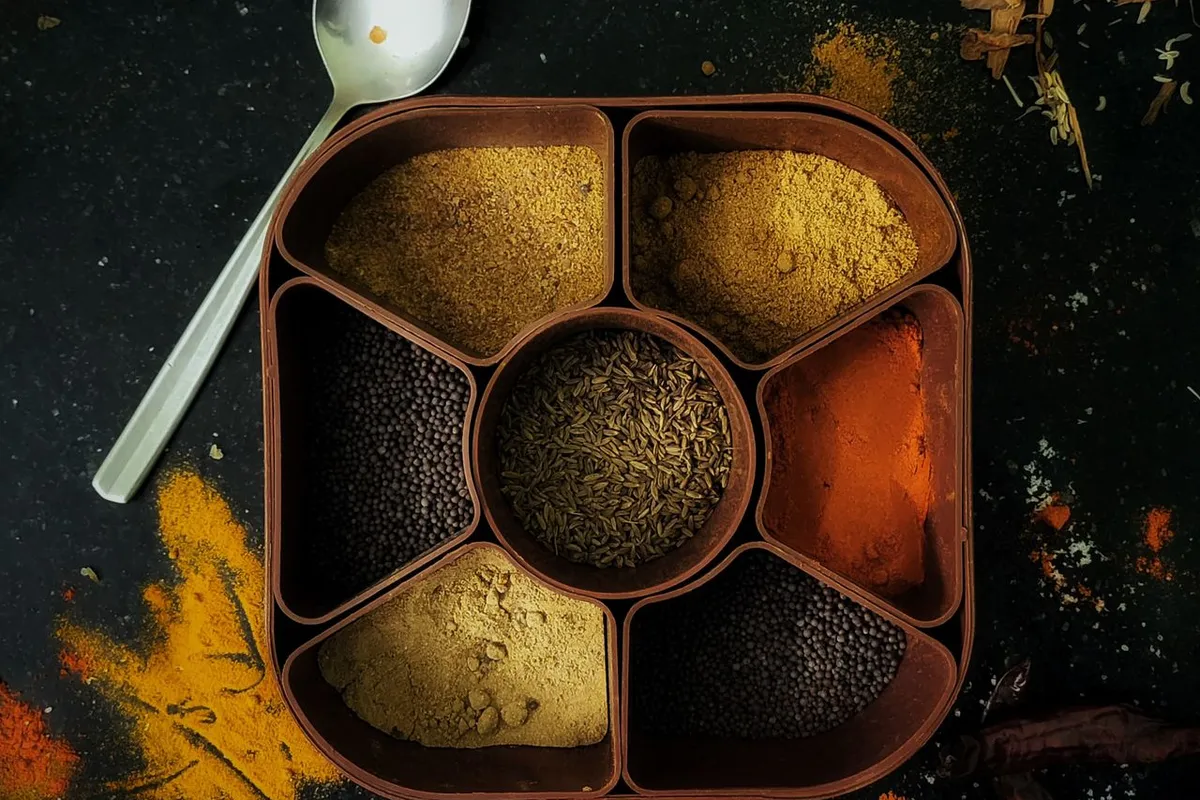
Seed spices are the dried seeds or fruits of annual plants. In India, they are mainly rabi (winter) crops, sown from October to November and harvested from February to April. Gujarat and Rajasthan grow more than 80% of India’s seed spices, and Unjha in north Gujarat is one of Asia’s largest cumin and fennel markets.
- Cumin (Cuminum cyminum): small, ridged, brown seeds with a warm, earthy taste. Used whole in tempering and ground in spice blends.
- Coriander (Coriandrum sativum): round, light brown seeds with a citrus, sweet flavour. Sold whole, split or ground.
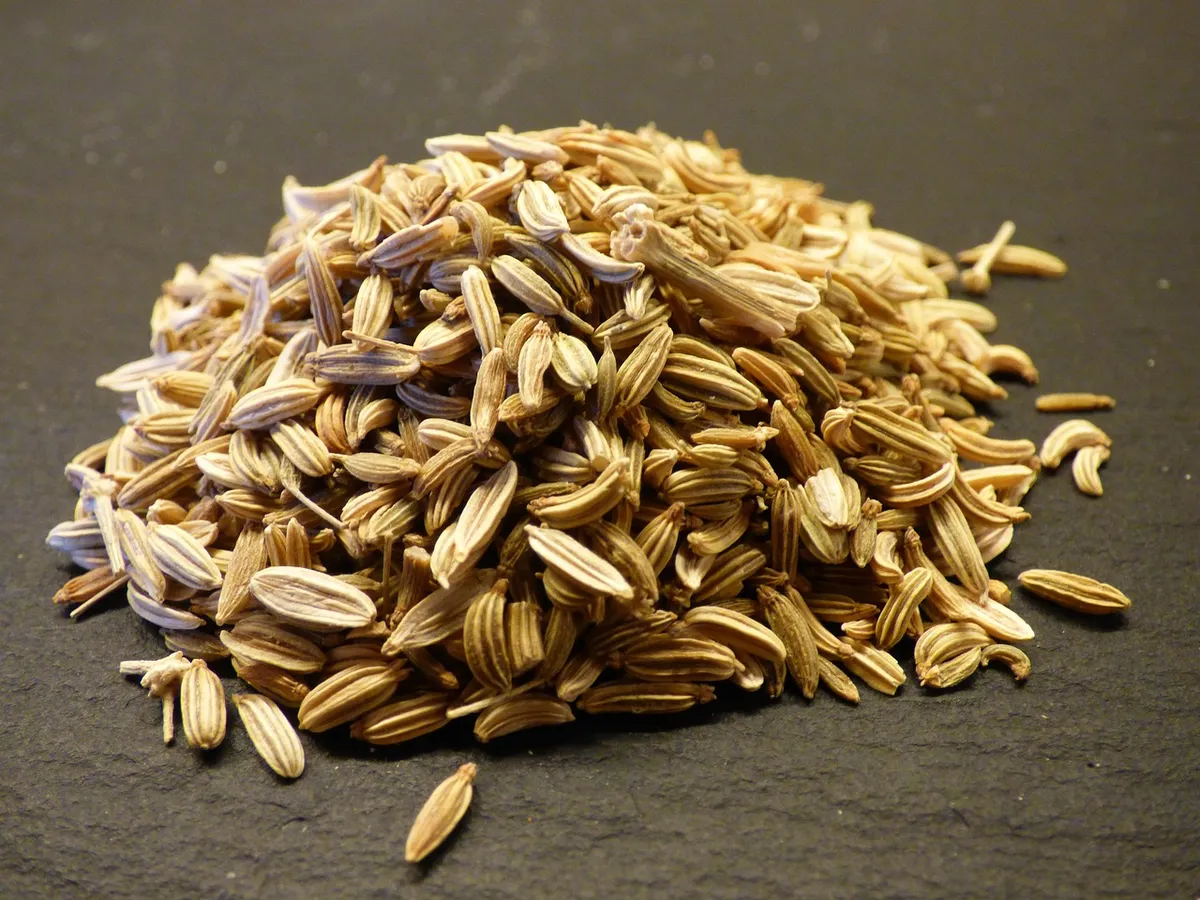
- Fennel (Foeniculum vulgare): long, green seeds with a sweet, anise-like flavour. Eaten after meals in India and used in breads, sausages and blends.
- Fenugreek (Trigonella foenum-graecum): hard, yellow-brown seeds with a bitter, maple-like taste. Used in curry powder, pickles and spice mixes.
Other seed spices include ajwain, dill seed, celery seed, mustard and nigella (kalonji). Seed spices are traded by purity and cleaning grade, such as machine-cleaned or sortex. A grade name such as “Singapore 99” or “Eagle” can mean different things to different traders, so the purity, moisture and volatile oil figures should always be written into the contract.
What Are the Rhizome and Root Spices: Turmeric and Ginger?
Rhizome spices come from the underground stems of plants in the ginger family. They are harvested, boiled or washed, dried and then sold whole or ground.
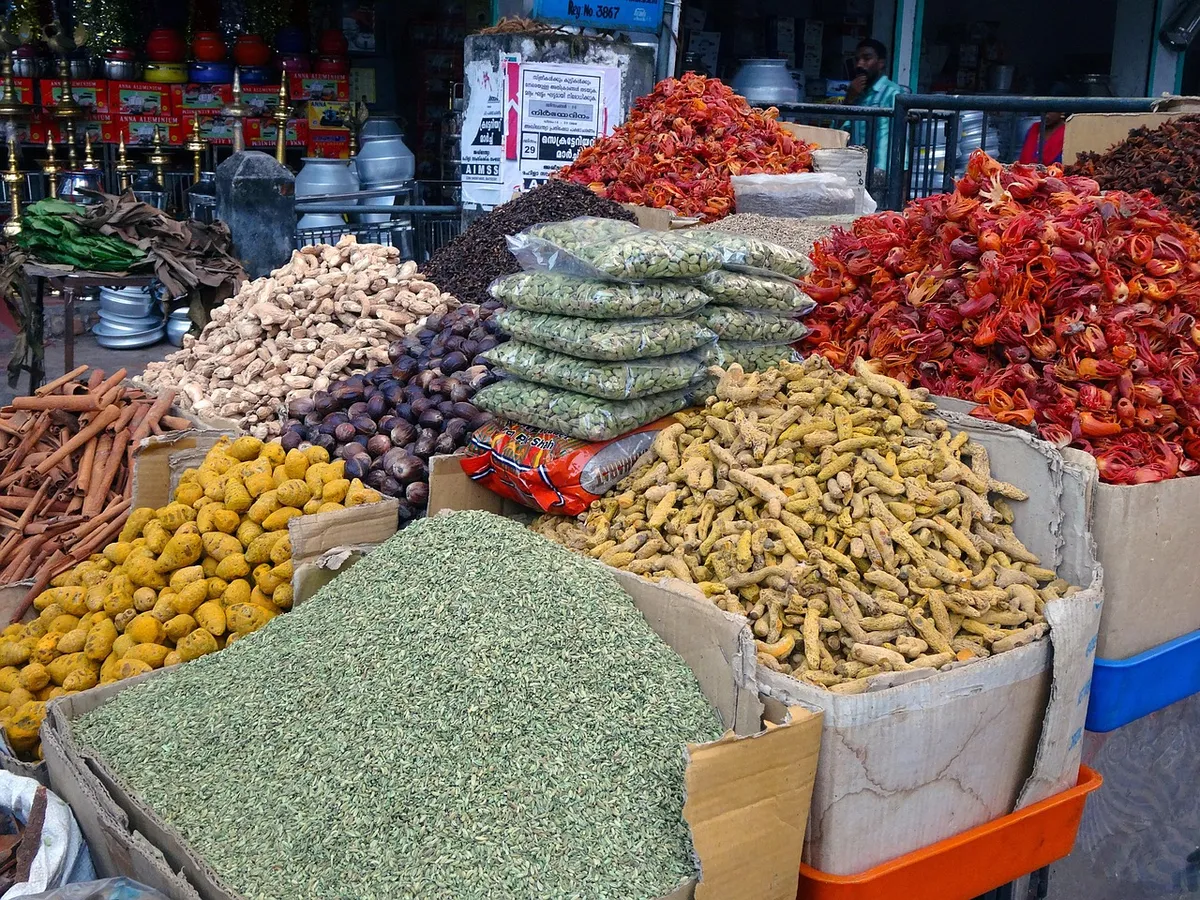
- Turmeric (Curcuma longa): known as haldi, it gives a bright yellow colour from curcumin. Major trading centres include Salem and Erode in Tamil Nadu, Nizamabad in Telangana and Sangli in Maharashtra. It is sold as dried fingers or as powder.
- Ginger (Zingiber officinale): called adrak when fresh and saunth when dried. Dry ginger is sold whole, sliced or as powder, and gives a warm, sharp heat.
Turmeric is harvested from January to April and reaches the markets from February to May. Both spices are tested closely at export, turmeric especially for lead, chromate and illegal dyes. Other rhizome and root spices used in India include galangal and mango ginger, but turmeric and ginger account for most of the trade. In the home, fresh ginger and fresh turmeric root are also common in pickles, teas and chutneys.
What Are the Spice Names in English, Hindi and Arabic?
Many of our buyers are in the Middle East, so we often use Arabic names alongside English and Hindi. The same spice can have several local names inside India too, such as jeerakam in Malayalam or jeeru in Gujarati for cumin. The table lists common Indian spices in all three languages, with transliterations.
| English | Hindi | Arabic | Botanical name |
|---|---|---|---|
| Cumin | Jeera | كمون (kammun) | Cuminum cyminum |
| Coriander seed | Dhania | كزبرة (kuzbara) | Coriandrum sativum |
| Fennel | Saunf | شمر (shamar) | Foeniculum vulgare |
| Fenugreek | Methi | حلبة (hulba) | Trigonella foenum-graecum |
| Turmeric | Haldi | كركم (kurkum) | Curcuma longa |
| Ginger | Adrak / saunth (dry) | زنجبيل (zanjabil) | Zingiber officinale |
| Black cumin, nigella | Kalonji | حبة البركة (habbat al-baraka) | Nigella sativa |
| Black pepper | Kali mirch | فلفل أسود (filfil aswad) | Piper nigrum |
| Green cardamom | Elaichi | هيل (hail) | Elettaria cardamomum |
| Cinnamon | Dalchini | قرفة (qirfa) | Cinnamomum species |
| Cloves | Laung | قرنفل (qaranful) | Syzygium aromaticum |
| Mustard seed | Rai / sarson | خردل (khardal) | Brassica juncea |
| Sesame seed | Til | سمسم (simsim) | Sesamum indicum |
Common spice names. Spellings vary by region, so use the botanical name on contracts.
How Do Seed Spices and Ground Spices Differ?
Whole seed spices keep their flavour longer, while ground spices are ready to use but lose aroma faster. The choice affects storage, price and even classification.
- Shelf life: the volatile oils that give spices their aroma stay protected inside whole seeds. Grinding exposes them to air, so ground spices fade sooner.
- Quality checks: whole spices can be inspected by eye for purity and foreign matter. Ground spices need lab tests to detect added starch, colour or other adulterants.
- Use: food makers and spice blenders often buy whole seeds and grind them in their own plant, so they control freshness and mesh size.
- Blends: spice mixes such as garam masala, curry powder and chaat masala combine several ground spices. Their recipes vary by brand and region, so buyers usually specify each ingredient.
- Customs code: whole and ground forms often have different HS codes. Whole cumin is 0909.31, while ground cumin is 0909.32.
Why Do Correct Spice Names Matter in Trade Documents?
Correct names matter because customs, labs and buyers must all agree on exactly which product is in the container. Local names can be confusing. “Black cumin” can mean nigella (Nigella sativa) in one market and a different plant elsewhere. “Kala jeera” in India often refers to a different seed from kalonji. A mistake can lead to the wrong HS code, the wrong duty or a rejected shipment.
- Use the English trade name and the botanical name on the invoice, packing list and certificates.
- Add the HS code and keep it the same on every document. Our HS code finder lists codes for the spices we export.
- Name the form: whole, split, crushed or ground.
- Name the grade: such as purity, cleaning method or curcumin level, rather than a trade nickname alone.
Every spice exporter in India must also hold a Certificate of Registration as Exporter of Spices (CRES) from the Spices Board. Our registrations are listed on the certificates page.
Related reading: Indian Spices Export: A Guide to India's Spice Export Industry.
How Can You Buy Indian Spices in Bulk?
Elysium Agri Corporation exports seed spices and turmeric from Jamnagar, Gujarat. Our range covers cumin, coriander, fennel, fenugreek, black cumin (kalonji), turmeric fingers and turmeric powder, in machine-cleaned, sortex and steam-sterilised grades. We source cumin and fennel through Unjha, coriander through Gondal and Rajkot, and turmeric from Salem, Erode, Nizamabad and Sangli.
Every lot is tested for pesticides, ethylene oxide, aflatoxin, ochratoxin A and Salmonella, and we can combine several spices in one container. Our guide on how to import spices from India explains documents and shipping. Use this list of spices in India to name the products you need, and we will quote on each. Request a spices quote →
Frequently asked questions
What are the names of ten common Indian spices?
Ten common Indian spices are cumin (jeera), coriander seed (dhania), fennel (saunf), fenugreek (methi), turmeric (haldi), ginger (adrak), black pepper (kali mirch), green cardamom (elaichi), red chilli (lal mirch) and mustard seed (rai). Other everyday spices include ajwain, cinnamon (dalchini), cloves (laung), nigella (kalonji) and asafoetida (hing).
What is jeera called in English?
Jeera is called cumin in English. Its botanical name is Cuminum cyminum. The small, ridged, brown seeds have a warm, earthy flavour and are used whole in tempering or ground in spice blends. Do not confuse jeera with kala jeera or kalonji, which are different seeds sometimes called black cumin in trade.
What is the Arabic name for cumin?
The Arabic name for cumin is kammun, written كمون. It is one of the most widely used spices in Middle Eastern cooking, in dishes such as falafel, hummus and spice mixes. On trade documents for Gulf buyers, it is good practice to give the English name, the botanical name Cuminum cyminum and the HS code as well.
What are the Hindi names for turmeric, coriander and fennel?
In Hindi, turmeric is haldi, coriander is dhania and fennel is saunf. Dhania can refer to both the seed and the fresh leaves, so traders usually say dhania seeds or sabut dhania for the whole seed spice. Saunf is the sweet, green fennel seed often eaten after meals in India.
Which Indian spices are most exported?
By value, India's largest spice exports in 2025-26 were chilli, cumin, spice oils and oleoresins, cardamom, mint products and turmeric, according to the Spices Board. Cumin exports were worth about US$ 524 million and turmeric about US$ 327 million. In total, India exported spices worth about US$ 4.43 billion that year.
Related reads


