

On this page
- What Are Ethylene Oxide and Pesticide MRLs in Spices?
- Why Did Ethylene Oxide Become a Concern?
- How Do MRLs Work?
- How Do EU and US Requirements Compare?
- Which Tests and Lab Reports Do Buyers Ask For?
- What Are the Sterilisation Alternatives to Ethylene Oxide?
- How Do Exporters Control Residues at Source?
- How Can You Buy Compliant Spices from India?
- Frequently asked questions
Ethylene oxide in spices is a residue left by a gas fumigant that was once used to kill Salmonella and other microbes in dry spices and seeds. The EU does not allow it on food and enforces a limit of 0.1 mg/kg for spices and 0.05 mg/kg for sesame, while the USA still allows set tolerances. For an importer, this means every lot bound for Europe must be tested and certified before loading. This guide explains the rules, the tests, the alternatives and what to ask your supplier.
Key takeaways
- Ethylene oxide (ETO) is measured as the sum of ethylene oxide and 2-chloroethanol, expressed as ethylene oxide.
- EU limits are set at the lowest level labs can measure: 0.1 mg/kg for spices and 0.05 mg/kg for sesame seeds.
- The US EPA sets tolerances of 7 ppm ethylene oxide and 940 ppm 2-chloroethanol for dried herbs and spices.
- Steam sterilisation is the main alternative, and a lot-wise lab report from an accredited lab is the buyer’s best proof.
What Are Ethylene Oxide and Pesticide MRLs in Spices?
Ethylene oxide is a colourless gas used to sterilise medical equipment and, in some countries, to fumigate dry foods. It kills bacteria, moulds and insects without heat, which made it popular for spices that lose aroma when heated. When it reacts with chloride in the food, it forms 2-chloroethanol, which can remain in the product long after the gas has gone.
An MRL, or maximum residue level, is the highest level of a pesticide residue legally allowed in a food. Each market sets its own MRLs. Ethylene oxide sits inside this system because many regulators treat it as a pesticide or fumigant. Spices are also tested for many other residues, such as insecticides and fungicides used in the field. Together these are called pesticide residue in spices, and they are the most common reason for spice rejections at borders.
Why Did Ethylene Oxide Become a Concern?
Ethylene oxide became a concern because it is a genotoxic carcinogen and because high residues were found in food in Europe. The International Agency for Research on Cancer classifies ethylene oxide as carcinogenic to humans. For this reason, the EU does not permit its use on food, and no safe level of intake is assumed.
In September 2020, Belgian authorities found ethylene oxide in sesame seeds from India. According to the Institute of Food Science and Technology, one result reached 30.1 mg/kg, about 600 times the EU limit. More than 400 alerts followed across Europe, and the problem spread to spices, food additives and other products. The European Commission’s crisis coordinators led the response, and products already on shelves were recalled.
The incident changed the trade. The EU added Indian sesame, seed spices, ginger and turmeric to its list of foods under increased border checks. India also tightened its own export controls, with Spices Board sampling and certification for EU-bound spices.
How Do MRLs Work?
An MRL works as a legal ceiling: a lot that tests above it cannot be sold in that market. Regulators set MRLs for each pesticide and each food. When a pesticide is not approved, the limit is usually set at the limit of quantification (LOQ). This is the lowest level that a good lab can measure with confidence.
In the EU, MRLs are set under Regulation (EC) No 396/2005. If no specific MRL exists for a pesticide, a default limit of 0.01 mg/kg applies. For ethylene oxide, the EU limit is 0.1 mg/kg for spices and 0.05 mg/kg for oilseeds such as sesame. The residue is defined as the sum of ethylene oxide and 2-chloroethanol, expressed as ethylene oxide. This is important, because a lab that tests only for ethylene oxide can miss most of the residue.
Other markets work differently. The USA sets tolerances through the Environmental Protection Agency, and the Food and Drug Administration enforces them at the border. Japan and Korea use positive list systems with a default limit of 0.01 mg/kg for pesticides that have no specific limit. When you buy, always state the market and its MRLs in your specification.
How Do EU and US Requirements Compare?
The EU and the USA take opposite views on ethylene oxide. The EU treats it as a contaminant that should not be present at all. The USA still allows post-harvest fumigation of spices within set tolerances. The table sets out the main differences.
| Requirement | European Union | United States |
|---|---|---|
| Use on food | Not permitted | Permitted as a post-harvest fumigant |
| Limit for spices | 0.1 mg/kg (sum of ethylene oxide and 2-chloroethanol) | 7 ppm ethylene oxide; 940 ppm 2-chloroethanol |
| Limit for sesame | 0.05 mg/kg | 7 ppm ethylene oxide; 940 ppm 2-chloroethanol |
| Legal basis | Regulation (EC) No 396/2005 | 40 CFR 180.151 |
| Border checks on Indian origin | Increased checks under Regulation (EU) 2019/1793, with an official certificate | FDA sampling; Prior Notice for every shipment |
| Importer duty | Ensure the food meets EU limits | Foreign Supplier Verification Program (FSVP) |
EU and US rules on ethylene oxide in spices. Check the current legal text before contracting.
The US tolerances come from 40 CFR 180.151. Even so, many US buyers now ask for ETO-free spices because they sell into several markets or follow retailer standards. A product that meets EU limits will meet US limits, but not the other way round.
Which Tests and Lab Reports Do Buyers Ask For?
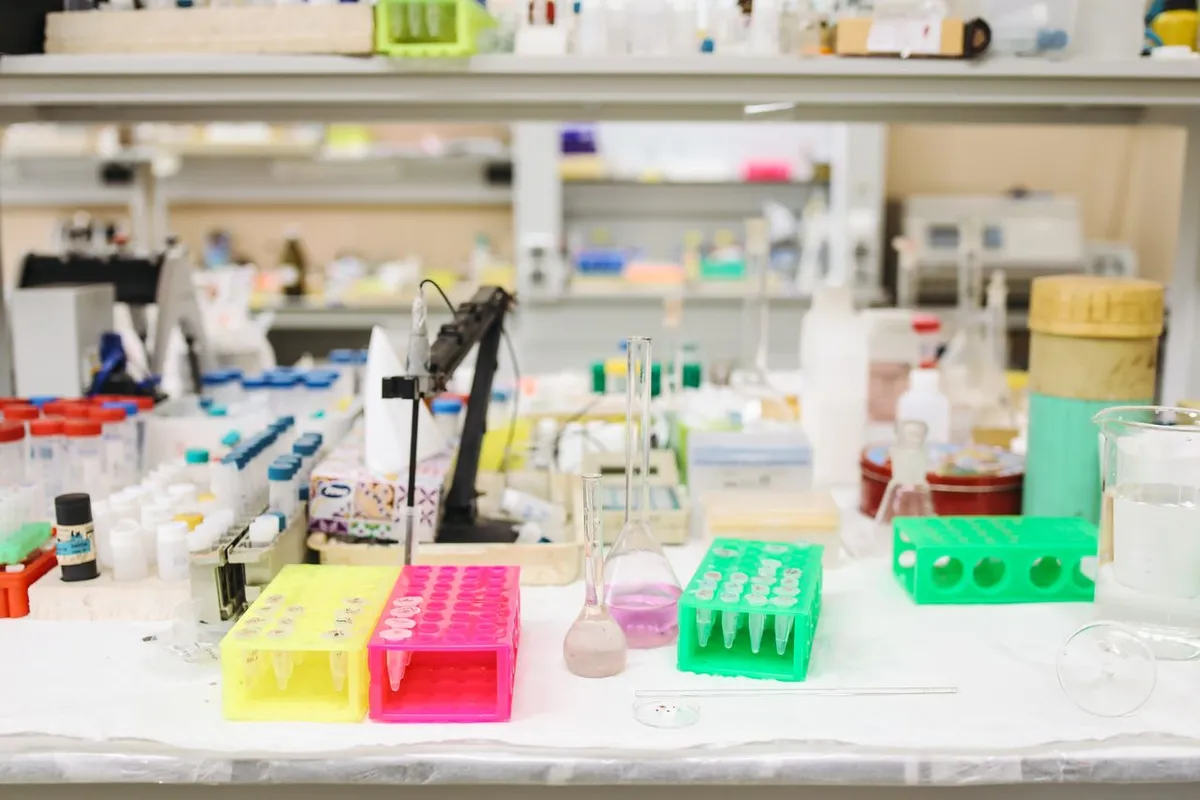
Buyers ask for a lot-wise Certificate of Analysis (CoA) from an accredited lab that covers ethylene oxide, pesticide residues, aflatoxin and Salmonella. Ethylene oxide is tested by gas chromatography with tandem mass spectrometry (GC-MS/MS). Pesticide residues are usually screened by multi-residue methods on GC-MS/MS and LC-MS/MS, which cover hundreds of compounds in one run.
A good lab report should show:
- The lot number, product name and sampling date, so the report links to your shipment.
- The lab name, address and accreditation number, such as NABL under ISO/IEC 17025.
- Ethylene oxide reported as the sum with 2-chloroethanol.
- Each result with its method, LOQ and the limit it was judged against.
- A clear pass or fail against your market’s MRLs.
For the EU, Indian seed spices, ginger and turmeric also need the official certificate required under Regulation (EU) 2019/1793, issued after Spices Board sampling. Large buyers often add a third-party survey by SGS, Intertek or Bureau Veritas at loading. Our lab testing page lists the full panel we run and the methods used.
What Are the Sterilisation Alternatives to Ethylene Oxide?
The main alternative is steam sterilisation, which uses saturated steam for a short time to reduce microbes, followed by quick drying and cooling. It leaves no chemical residue and is accepted in all major markets.
Other options include:
- Irradiation: allowed for dried herbs and spices in the EU and the USA, but it must be stated on the label, and many retailers avoid it.
- Dry heat or infrared treatment: used for some seeds, with careful control of temperature.
- Clean handling without a kill step: good drying, cleaning and hygiene to keep microbial counts low, often enough for products that will be cooked later.
Your choice depends on your end use. Spices for ready-to-eat foods often need a validated kill step for Salmonella. Spices for cooked sauces may not. Tell your supplier which treatment you need and ask for it to be named in the contract.
How Do Exporters Control Residues at Source?
Exporters control residues by choosing clean raw material, testing before they buy, and keeping every lot separate and traceable. Testing at the end alone is risky, because a failed lot has already been cleaned and packed. A sound control plan has these steps:
- Source checks: buy from known farmer groups and markets with a record of good practice.
- Pre-purchase sampling: test raw lots for key residues before purchase.
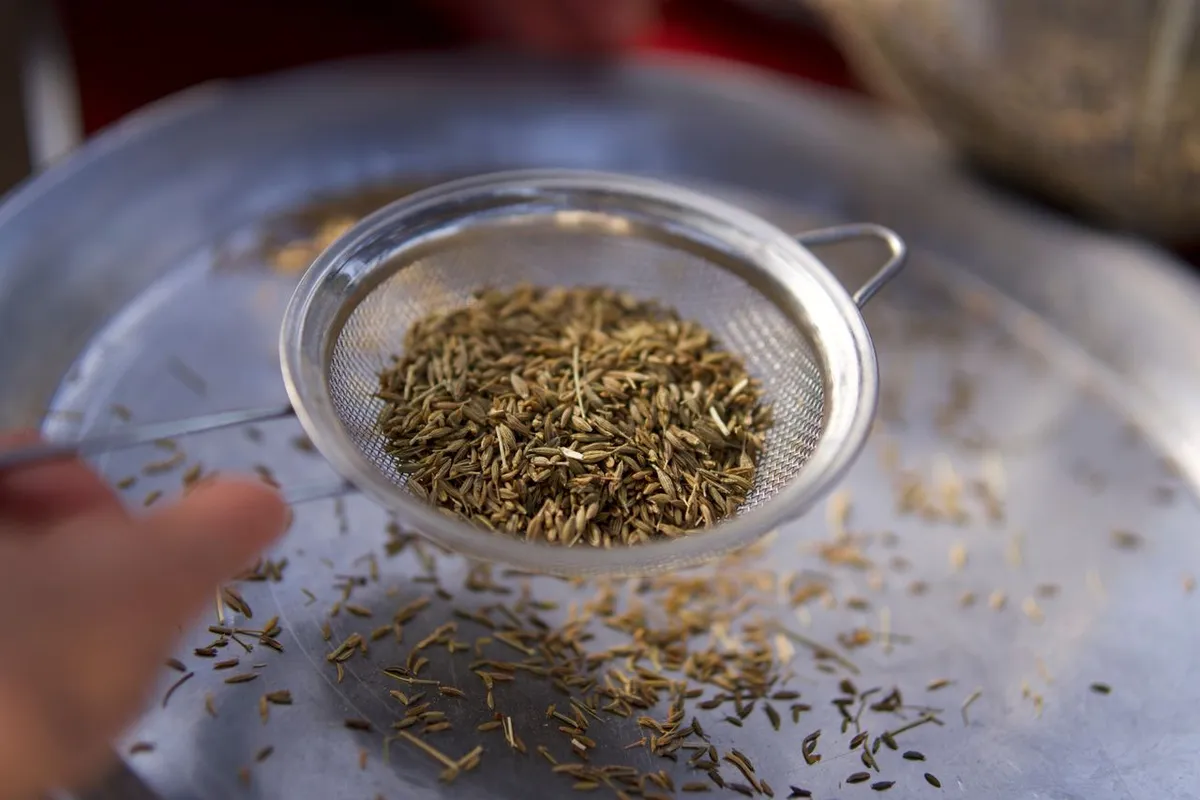
- Cleaning and sorting: machine and sortex cleaning remove dust, stones and damaged seed, which can carry residues and microbes.
- Residue-free treatment: avoid ethylene oxide fumigation and use steam sterilisation where a kill step is needed.
- Final lab testing: test each finished lot against the buyer’s market limits.
- Traceability: keep lot codes from farm market to container, so any issue can be traced.
You can read more about how we manage this on our quality page and our traceability page. For the wider import process, see our guide on how to import spices from India.
Related reading: Indian Spices Export: A Guide to India's Spice Export Industry and List of Spices in India: Names in English, Hindi and Arabic.
How Can You Buy Compliant Spices from India?
To keep ethylene oxide in spices below your market’s limits, buy from an exporter that tests every lot and shares the report before loading. Send your full specification with your enquiry, including the destination, the MRLs that apply and the treatment you need. Ask for a sample with a CoA before you sign.
Elysium Agri Corporation exports cumin, coriander, fennel, fenugreek, turmeric and other spices from Jamnagar, Gujarat. We supply machine-cleaned, sortex-cleaned or steam-sterilised spices to your specification. Every lot is tested for ethylene oxide, pesticide residues, aflatoxin, ochratoxin A and Salmonella in NABL-accredited labs before shipment. Our registrations are listed on the certificates page, and you can check them yourself on our verification page.
Tell us the spice, grade, quantity, destination and test panel, and we will send a quote with a matching specification sheet. Request a spice quote →
Frequently asked questions
What is ethylene oxide and why is it found in spices?
Ethylene oxide is a gas fumigant that kills bacteria, moulds and insects without heat. Some processors used it on spices and seeds to reduce Salmonella. It reacts with chloride in food to form 2-chloroethanol, which can remain long after treatment. Residues are found when lots were fumigated or mixed with treated material.
What are MRLs for pesticide residue in spices?
An MRL is the maximum residue level of a pesticide legally allowed in a food. Each market sets its own MRLs. In the EU, unapproved substances are limited to the lowest measurable level, often 0.01 mg/kg. For ethylene oxide, the EU limit is 0.1 mg/kg for spices and 0.05 mg/kg for sesame.
Why did the EU restrict ethylene oxide in spices?
The EU does not permit ethylene oxide on food because it is classed as a carcinogen and can damage genetic material. In 2020, high residues were found in sesame from India, which led to hundreds of alerts and recalls. The EU then added Indian sesame and several spices to its list of foods under increased border checks.
How do exporters test spices for pesticide residues?
Exporters send samples from each lot to an accredited lab. Ethylene oxide is tested by GC-MS/MS as the sum with 2-chloroethanol. Other pesticides are screened by multi-residue methods on GC-MS/MS and LC-MS/MS. The lab issues a Certificate of Analysis showing each result, the method, the limit of quantification and the applicable MRL.
Which certificates do EU and US buyers request for spices?
EU buyers ask for a lot-wise Certificate of Analysis, a phytosanitary certificate, a certificate of origin and the official certificate under Regulation (EU) 2019/1793 for listed Indian spices. US buyers ask for a CoA and the supplier details they need for FDA Prior Notice and their Foreign Supplier Verification Program records.
Related reads


