
On this page
- What Is Hulled Sesame?
- How Is the Raw Seed Cleaned and Sorted?
- How Is the Seed Coat Soaked and Softened?
- How Does Mechanical Dehulling and Hull Separation Work?
- How Is Hulled Sesame Dried, Colour-Sorted and Graded?
- What Is the Difference Between Natural and Hulled Sesame?
- Which Quality Checks and Purity Standards Apply?
- How Do You Source Hulled Sesame Seeds from India?
- Frequently asked questions
Sesame seeds are hulled by soaking cleaned seed in water to soften the outer seed coat, rubbing the hull off by friction in a dehulling machine, separating the loose hulls by washing or flotation, and then drying and colour-sorting the white kernels. Some plants use a caustic soda solution instead of plain water to loosen the hull faster. If you are asking how are sesame seeds hulled for tahini, halva or bakery, the method matters, because it affects colour, taste and “natural” label claims. This guide walks through each stage and the quality checks that follow.
Key takeaways
- Hulling removes the outer seed coat to leave a bright white, mild, soft kernel.
- Mechanical hulling uses water and friction. Chemical hulling uses a caustic soda (lye) solution to dissolve the hull.
- After hulling, the seed is dried to about 4–5% moisture and sortex-cleaned to 99.95–99.98% purity.
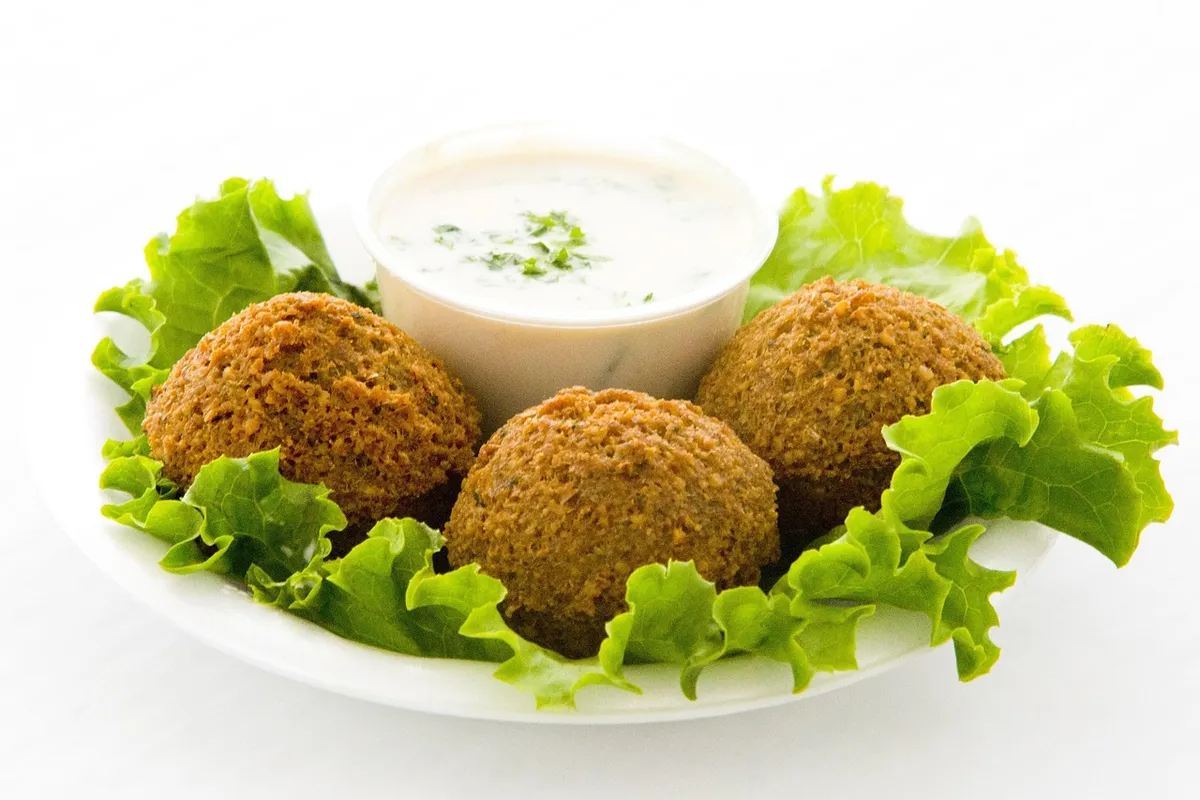
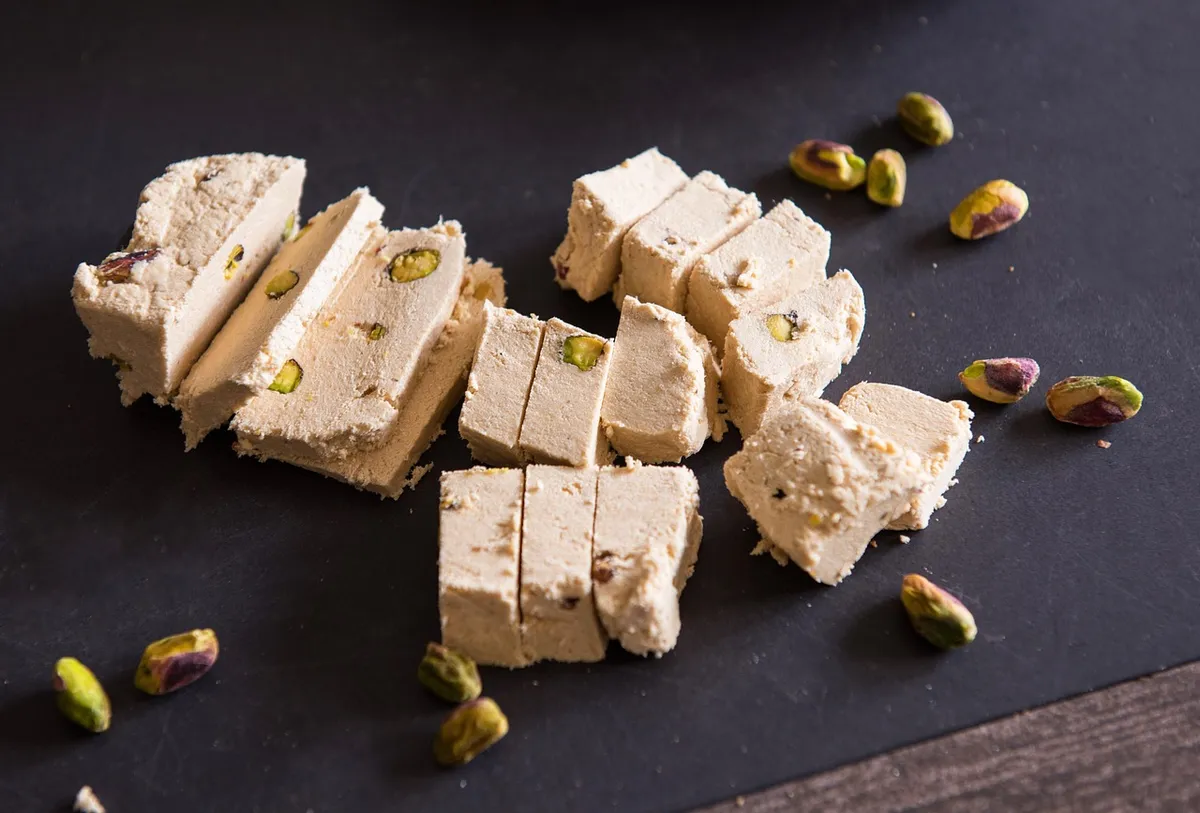
- Hulled sesame is preferred for tahini, halva and buns, and usually costs about 15% more than natural seed.
What Is Hulled Sesame?
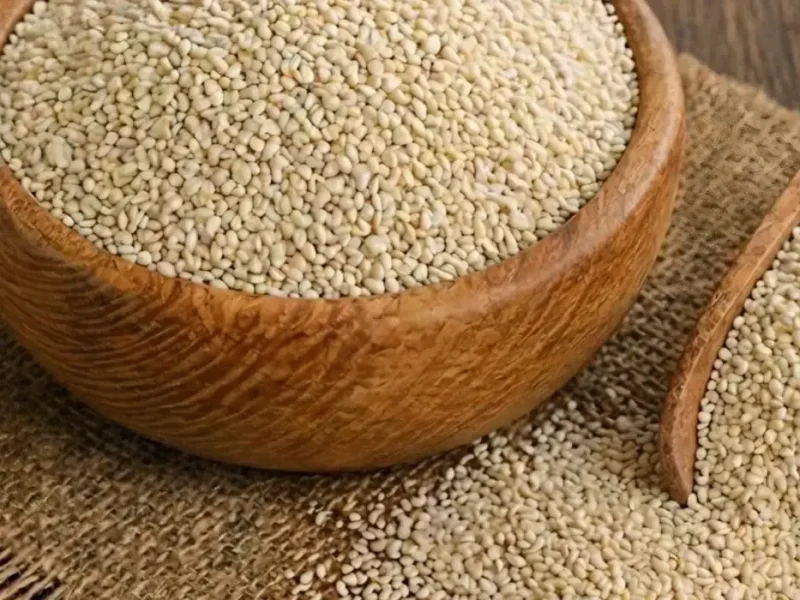
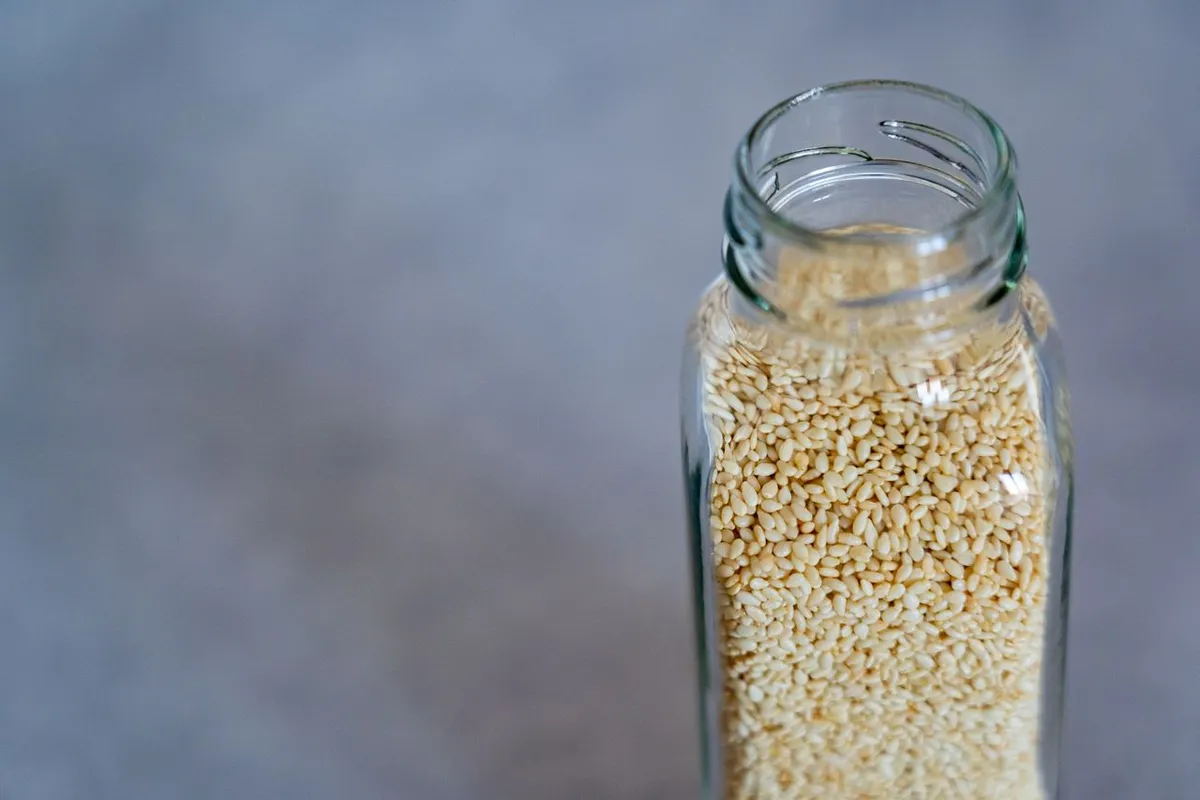
Hulled sesame is white sesame seed with its outer hull, or seed coat, removed. What remains is the kernel: bright white to creamy white, soft, and mild in taste. Natural (unhulled) sesame keeps the hull, which gives it an off-white colour, a crunchier bite and a nuttier, slightly bitter flavour.
The hull is removed for several reasons. It contains most of the seed’s calcium, but also oxalates and bitter compounds, and it adds fibre and a darker colour to pastes and flours. Research published by the United Nations University notes that dehulling removes oxalates and bitterness and gives a whiter, protein-rich product. For tahini and halva, that means a lighter, smoother and less bitter result.
How Is the Raw Seed Cleaned and Sorted?
Hulling always starts with clean, sound seed. Raw sesame from the market contains dust, stones, stalks, other seeds and immature grains, and any of these can end up in the finished product if they are not removed first.
A typical pre-cleaning line includes:
- Sieving and aspiration: vibrating screens and air remove dust, chaff and large impurities.
- Destoning: a gravity destoner separates stones and heavy particles.
- Gravity separation: removes light, hollow and immature seeds.
- Size grading: keeps seeds of a similar size together so they hull evenly.
Seed size and crop quality affect the hulling result. Bold, mature seed hulls more cleanly and gives a higher kernel yield. Old or weather-damaged seed is harder to whiten and more likely to break. That is why many hullers buy fresh natural sesame soon after the Gujarat harvests.
How Is the Seed Coat Soaked and Softened?
The cleaned seed is soaked so that the hull absorbs water, swells and loosens from the kernel. The method used at this stage decides whether the product is called mechanically or chemically hulled.
Mechanical (water) hulling. The seed is soaked in clean water for a set time. The hull softens and can then be rubbed off. No chemical hulling agent is used. This method is preferred for natural-label, organic-style and premium products.
Chemical (lye) hulling. The seed is soaked in a dilute caustic soda (sodium hydroxide) solution, which breaks down the hull much faster. The seed is then rinsed well to remove the solution. This method is quicker and can give a very white seed, but it weakens “natural” claims, and some tahini and bakery buyers exclude it in their specifications.
If the hulling method matters to you, write it into the contract. A specification that says “mechanically hulled” is clearer than one that only says “hulled”.
How Does Mechanical Dehulling and Hull Separation Work?
Once the hull is soft, the wet seed goes into a dehuller. Inside, the seeds rub against each other and against the machine’s surfaces. This friction peels the loosened hull away from the kernel without crushing it.
The kernels and loose hulls then need to be separated. Plants use one or more of these methods:
- Washing: water carries away the light hull fragments.
- Flotation: in a salt solution (brine), kernels and hulls separate by density, so one can be skimmed off.
- Sieving and aspiration after drying: dry hull flakes are lighter than kernels and can be blown or screened out.
The removed hulls are a by-product. They are often used in animal feed. Good separation is important, because leftover hull pieces show up later as dark specks or unhulled seeds in the finished lot.
Hulling also has a cost in weight. Every tonne of natural seed loses its hulls, plus some broken and rejected kernels, before it becomes a tonne of export-grade hulled sesame. Energy for drying and several sortex passes add further cost. This is why hulled sesame is priced above natural sesame, and why the gap widens in years when natural seed is expensive. When you compare hulled sesame offers, check that each quote gives the same purity grade, hulling method and test panel, because a cheaper offer often means a lower grade or fewer tests.
How Is Hulled Sesame Dried, Colour-Sorted and Graded?
After hulling, the kernels are wet and must be dried quickly and evenly. Driers bring the moisture down to about 4–5%, against a typical export limit of 5% maximum. Seed that is too wet can grow mould or bacteria in storage. Seed that is dried too hard can discolour or develop a cooked taste.
The dry seed then passes through sortex (optical colour sorting) machines. Cameras detect seeds that are off-colour, unhulled, black or damaged, and air jets blow them out of the stream. Several passes may be needed for the highest grades. Final screens and aspirators remove broken pieces and dust before the seed is packed.
Hulled sesame is graded by purity. Common export grades are 99.95% (standard, for food processors and halva makers), 99.97% (premium bakery and confectionery) and 99.98% (lowest admixture, for tahini and EU or US bakery). The seed is usually packed in 25 kg multi-wall paper bags with a PE liner, or 25 or 50 kg PP bags with a liner, because bare hulled seed picks up moisture and odours easily.
What Is the Difference Between Natural and Hulled Sesame?
Hulling changes the colour, taste, nutrition and price of the seed. The table compares the two forms.
| Feature | Natural (unhulled) | Hulled |
|---|---|---|
| Colour | Off-white to creamy | Bright white |
| Taste and texture | Nuttier, crunchier | Mild, soft |
| Calcium | Higher | Lower (much of it is in the hull) |
| Moisture limit | 6% max | 5% max |
| Typical purity grades | 99/1 to 99.95% | 99.95, 99.97, 99.98% |
| Shelf life | About 12 months or more | About 12 months |
| Price | Lower | About 15% higher |
| Best for | Bakery, chikki, oil, hulling | Tahini, halva, buns, sushi, confectionery |
Natural vs hulled sesame: typical export specifications from Gujarat.
Which Quality Checks and Purity Standards Apply?
Hulled sesame is often eaten with little or no further cooking, so food safety tests are as important as purity. Because the seed is wet during hulling, Salmonella control is a key concern. A complete specification usually covers:
- Purity and admixture: 99.95–99.98%, with unhulled and off-colour seeds at 1% maximum.
- Moisture and free fatty acid: moisture 5% maximum, FFA 1.0–1.5% maximum.
- Salmonella: absent in 25 g, with multi-sample testing on request.
- Ethylene oxide: below the EU limit of 0.05 mg/kg.
- Pesticide residues and aflatoxin: within EU or destination limits.
Indian sesame is under increased official controls at EU borders for Salmonella and ethylene oxide, so each EU consignment needs an official certificate and lab results. Our lab testing page explains the full panel, and our quality page covers our process controls.
Related reading: How to Eat Sesame Seeds: Raw, Roasted, Soaked or as Tahini.
How Do You Source Hulled Sesame Seeds from India?
When you buy hulled sesame, ask your supplier how sesame seeds are hulled, dried and sorted, and write the method, grade and test panel into the contract. Elysium Agri Corporation exports mechanically hulled sesame seeds from Gujarat in 99.95%, 99.97% and 99.98% purity. The seed is soaked in water, hulled by friction, dried and sortex-cleaned, then tested for Salmonella, ethylene oxide, pesticide residues and aflatoxin before every shipment. We also supply natural sesame seeds for buyers who want the hull on.
A 20 ft container holds about 19 MT of hulled sesame. You can read more about grades and shipping in our guide to importing sesame seeds from India and our article on sesame allergen labelling rules. Tell us the grade, quantity and destination port, and we will send a quote and specification sheet. Request a hulled sesame quote →
Frequently asked questions
How are sesame seeds hulled?
Cleaned sesame is soaked in water, or in a dilute caustic soda solution, so the hull softens. A dehulling machine then rubs the hull off by friction. Loose hulls are separated by washing, brine flotation or sieving, and the white kernels are dried to about 4–5% moisture and colour-sorted to the required purity grade.
What is the difference between hulled and natural sesame seeds?
Natural sesame keeps its outer hull, so it is off-white, crunchier, nuttier and higher in calcium. Hulled sesame has the hull removed, leaving a bright white, mild and soft kernel. Hulled seed has a stricter moisture limit, usually costs about 15% more, and is preferred for tahini, halva, buns and confectionery.
Does hulling change the taste of sesame seeds?
Yes. The hull carries much of the seed's bitterness and its oxalates, so removing it gives a milder, sweeter and softer seed. Pastes made from hulled sesame, such as tahini, are lighter in colour and smoother than those made from natural seed. Natural sesame tastes stronger and nuttier and has more crunch.
Why is hulled sesame preferred for bakery and tahini?
Hulled sesame looks bright and even on buns and bread, and it grinds into a smooth, light, less bitter tahini. It has less fibre and fewer dark specks, which matters for halva and premium spreads. Many tahini and bakery buyers also specify mechanically hulled seed to support natural-label claims.
How is hulled sesame sorted and cleaned after dehulling?
After drying, the seed passes through sortex optical colour sorters that blow out off-colour, unhulled, black and damaged seeds, often over several passes. Screens and aspirators then remove broken pieces and dust. The finished lot is tested for purity, moisture, Salmonella, ethylene oxide, pesticides and aflatoxin before packing in lined bags.
Related reads


