On this page
- How Is Peanut Butter Made at Industrial Scale?
- Step 1: How Are Peanuts Selected and Cleaned?
- Step 2: Why Are Peanuts Roasted and Cooled?
- Step 3: Why Are Peanuts Blanched and Sorted?
- Step 4: How Are Peanuts Ground, Blended and Stabilised?
- What Are the Production Steps and Quality Checks?
- How Is Peanut Butter Packed and Filled?
- How Can You Source Private Label Peanut Butter from India?
- Frequently asked questions
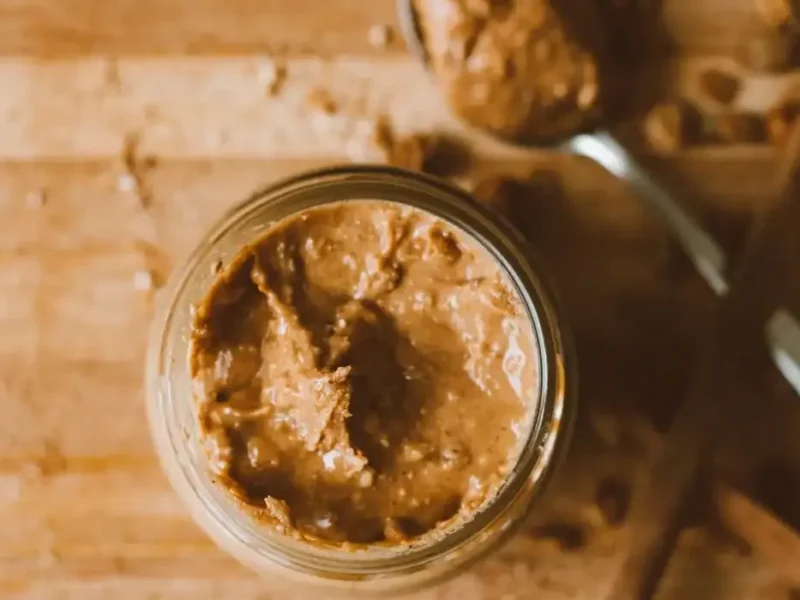
How is peanut butter made? At industrial scale, peanuts are cleaned and sorted, dry-roasted, cooled, blanched to remove the skins and bitter hearts, then ground in two stages into a smooth paste. Salt, sweetener and a stabiliser are blended in as needed, and the butter is deaerated, cooled and filled into jars, pails or drums. Quality checks at each step control flavour, texture and food safety, especially aflatoxin and Salmonella. This guide walks through the peanut butter manufacturing process step by step.
Key takeaways
- Good peanut butter starts with graded, aflatoxin-tested kernels; no later step can remove a raw-material problem.
- Roasting sets the colour and flavour; blanching removes skins and the bitter hearts.
- Grinding is usually done in two stages, and a stabiliser of about 2% vegetable oil stops oil separation.
- Under the US FDA standard of identity, peanut butter must contain at least 90% peanuts.
How Is Peanut Butter Made at Industrial Scale?
Industrial peanut butter is made in a continuous line that turns raw kernels into a stable, smooth paste. The main stages are selection and cleaning, roasting and cooling, blanching and sorting, grinding and blending, and packing.
The main machines in a peanut butter plant are:
- Cleaners and graders: sieves, aspirators, destoners and magnets.
- Roasters: batch or continuous hot-air roasters.
- Coolers: perforated drums or belts with forced air.
- Blanchers: heat and abrasive rollers that remove skins and split the kernels.
- Sorters: optical colour sorters and inspection belts.
- Mills: plate, stone or colloid mills for coarse and fine grinding.
- Mixers, deaerators and heat exchangers: for blending, removing air and cooling.
- Fillers, cappers and metal detectors: for jars, pails and drums.
Small plants may combine some steps, but the logic is the same: control the raw material, develop flavour, remove defects, grind and stabilise, and pack cleanly.
Step 1: How Are Peanuts Selected and Cleaned?
Peanut butter makers start with shelled kernels of a known variety, size and quality. In India, Java and Bold kernels from Gujarat are widely used.
Each lot is checked on arrival for moisture, defects, foreign matter and, most importantly, aflatoxin. Aflatoxin is a toxin produced by moulds that can grow on peanuts in the field or in storage. Roasting does not reliably destroy it, so the only safe approach is to buy tested kernels and reject or sort out bad lots. The kernels are then cleaned through sieves, aspirators, destoners and magnets to remove dust, stones, shells and metal.
Step 2: Why Are Peanuts Roasted and Cooled?
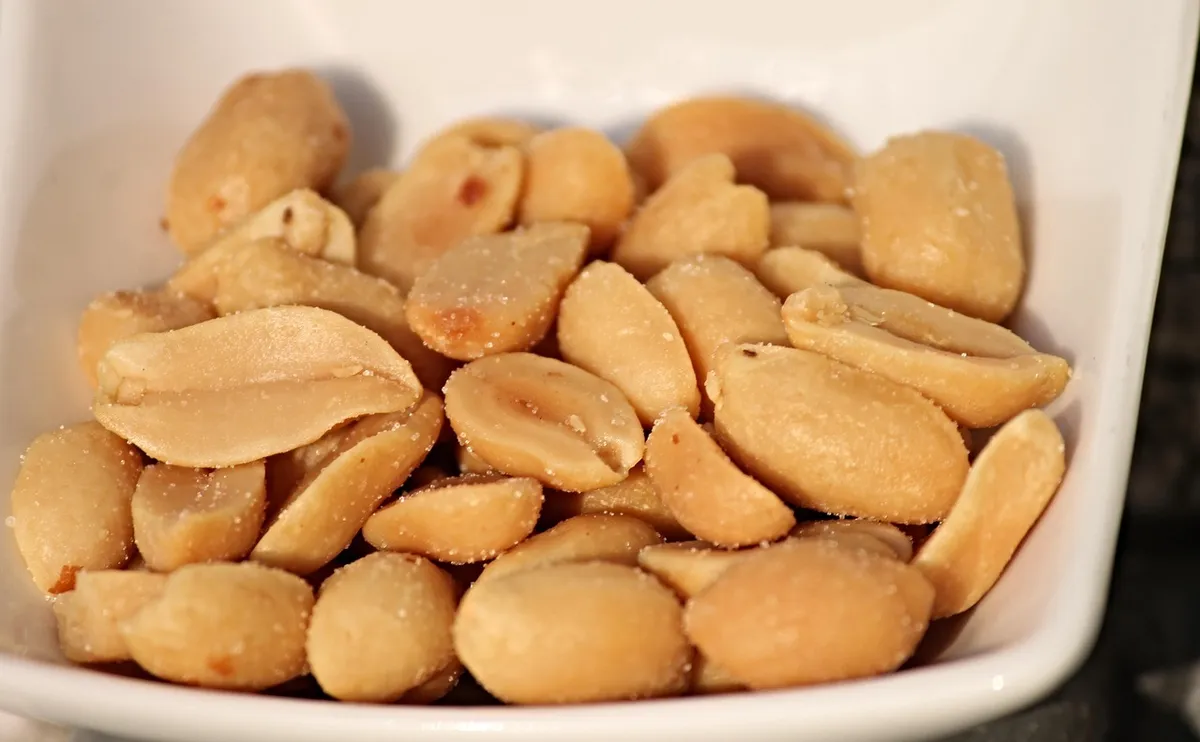
Roasting develops the typical peanut butter flavour, aroma and colour. It also dries the kernel and helps loosen the skin.
According to the Institute of Food Technologists, continuous roasters use hot air at about 160–210 °C for 20–40 minutes. The roast level is set by colour, and most commercial butters use a medium roast. Under-roasted peanuts taste raw and beany; over-roasted peanuts taste bitter and burnt.
As soon as they leave the roaster, the peanuts are cooled quickly with forced air to around 30 °C. Fast cooling stops the roast at the right point and protects the oil from damage.
Roasting is also an important food-safety step, because the heat reduces bacteria such as Salmonella on the kernels. After roasting, the product must be protected from recontamination. Well-run plants separate the raw and roasted areas, control air flow and staff movement between them, keep the roasted side dry and clean, and test the finished butter. Contamination after roasting is a recognised risk for nut butters, because Salmonella can survive for long periods in dry, fatty foods. This is why the zoning and the finished-product tests matter.
Step 3: Why Are Peanuts Blanched and Sorted?
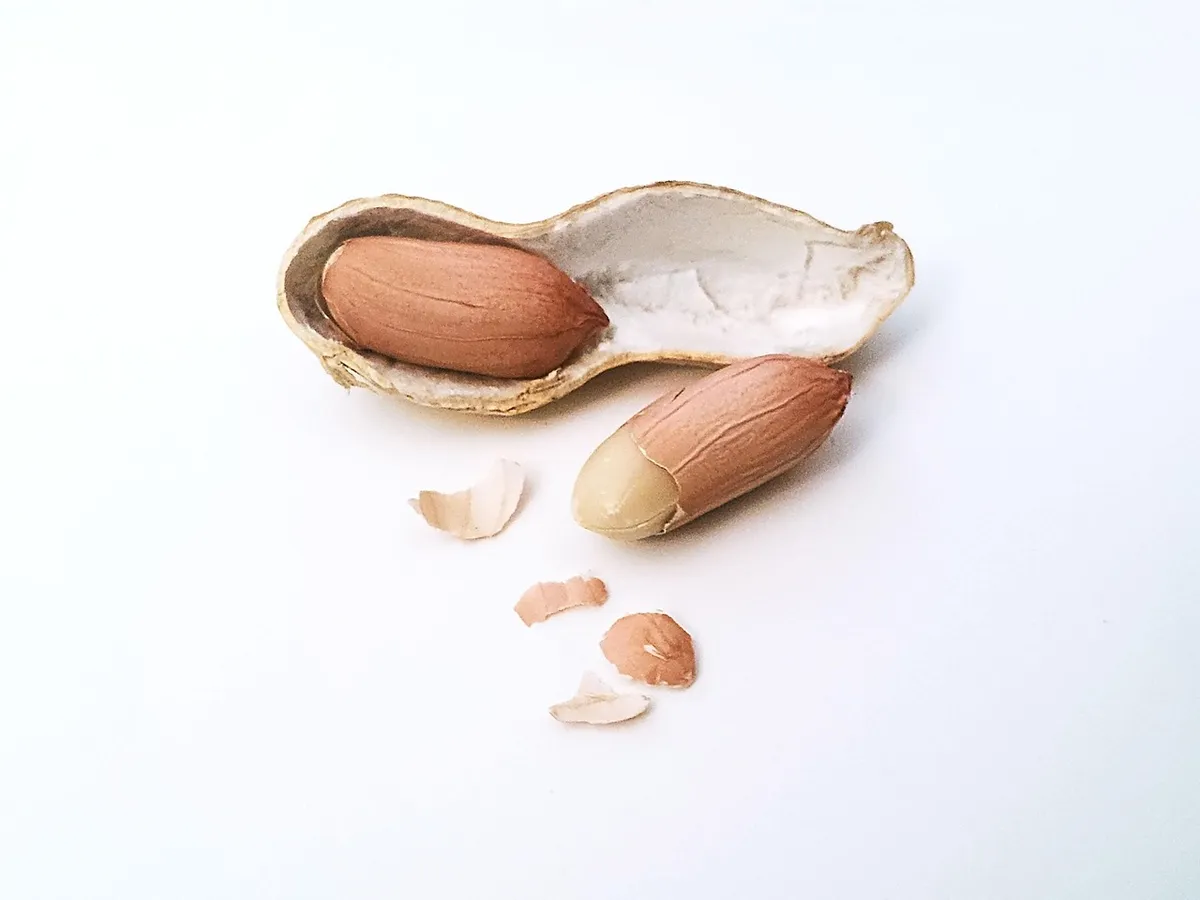
Blanching removes the thin red-brown skins, and sorting removes defective kernels. Both steps improve colour, taste and safety.
Skins add bitterness and dark specks. In dry (heat) blanching, the warm kernels pass between soft rollers or brushes that rub off the skins and split the kernels into halves. This also releases the small germ, or “heart”, which tastes bitter and is removed by sieving and aspiration.
The blanched kernels then pass through optical colour sorters and inspection belts. These remove discoloured, mouldy, shrivelled or damaged kernels. Because aflatoxin is concentrated in a small number of damaged or mouldy kernels, careful sorting is one of the most effective ways to reduce it.
Step 4: How Are Peanuts Ground, Blended and Stabilised?
Grinding turns the kernels into butter. It is usually done in two stages: a coarse grind, then a fine grind. The IFT describes a coarse grind to about 100 mesh and a final grind to about 200 mesh for smooth peanut butter.
Grinding releases the oil and creates heat, so mills are often cooled. Salt, sugar or other sweeteners and a stabiliser are added during or after grinding. For crunchy peanut butter, roasted peanut pieces larger than 1.6 mm (1/16 inch) are folded into a smooth base.
Natural peanut butter contains only peanuts, and sometimes salt. Its oil slowly rises to the top, and it needs stirring. To prevent this, most retail brands add a stabiliser, typically about 2% of a vegetable oil with a high melting point, such as hydrogenated vegetable oil or palm oil. The stabiliser crystallises as the butter cools and holds the peanut oil in the paste. The butter is also deaerated under vacuum to remove air bubbles, which improves texture and slows oxidation.
What Are the Production Steps and Quality Checks?
The table summarises the peanut butter manufacturing process and the checks used at each step.
| Step | Purpose | Key quality checks |
|---|---|---|
| Selection and cleaning | Start with clean, sound kernels | Aflatoxin, moisture, defects, foreign matter, metal |
| Roasting | Develop flavour and colour | Roast colour (for example Hunter L), temperature, time |
| Cooling | Stop the roast; protect the oil | Kernel temperature after cooling |
| Blanching | Remove skins and bitter hearts | Skin and heart removal rate |
| Sorting | Remove damaged and mouldy kernels | Defect count; aflatoxin re-test |
| Grinding and blending | Make a smooth or crunchy paste | Particle size, recipe, salt, fat, moisture |
| Deaeration and cooling | Remove air; set the stabiliser | Fill temperature, oil separation |
| Filling and packing | Seal the product safely | Fill weight, seal, metal detection, label |
| Finished product | Release for sale | Aflatoxin, Salmonella, Listeria, E. coli, sensory |
How peanut butter is made: main steps and quality controls.
Our own specification sets moisture at 2% max, fat at 48–55% and protein at 25% min (dry basis), with Salmonella and Listeria absent in 25 g. Aflatoxin is tested on every batch to EU limits (B1 ≤ 2, total ≤ 4 µg/kg) or the buyer’s market.
How Is Peanut Butter Packed and Filled?
After deaeration, the butter is cooled in scraped-surface heat exchangers. The IFT notes cooling to about 40–60 °C before packaging. Cooling at the right rate lets the stabiliser crystallise evenly, so the product stays smooth without oil on top.
The butter is then filled into retail jars (PET or glass), food-service pails or industrial drums lined with food-grade liners. Each container passes a metal detector and a check weigher, and is capped, sealed and coded with a batch number for traceability. Stabilised peanut butter typically has a shelf life of about 12 months, and natural peanut butter about 6 months in cool storage.
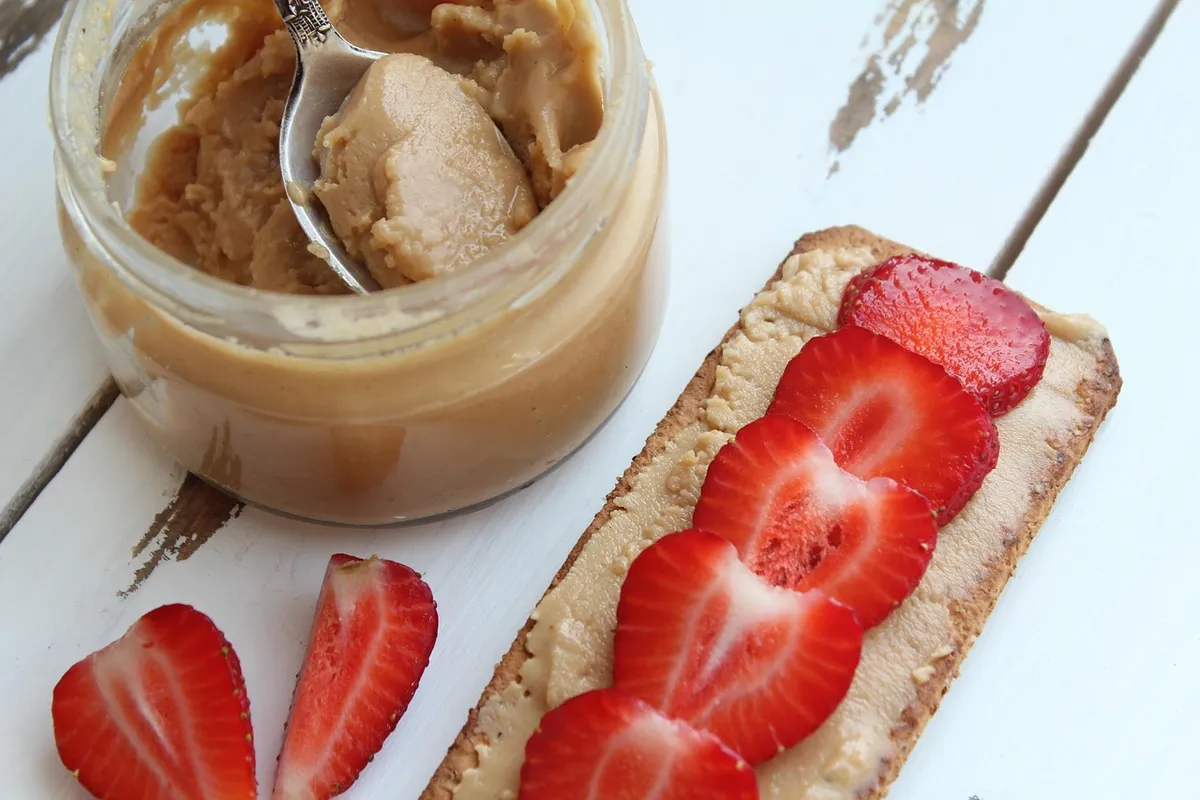
Related reading: Benefits of Peanut Butter: Nutrition Facts and What Research Says and Peanut Butter With Highest Protein: Nutrition Facts Explained.
How Can You Source Private Label Peanut Butter from India?
Now that you know how peanut butter is made, the supplier’s control over raw kernels is the first thing to check. A maker that grades, blanches and roasts its own peanuts can control colour, grind and aflatoxin from the start.
Elysium Agri Corporation supplies bulk peanut butter made from Gujarat Java and Bold peanuts that are blanched, roasted and colour-sorted. We offer smooth or crunchy, natural or stabilised, sweetened or unsweetened recipes, made under an FSSAI licence and tested for aflatoxin and microbiology on every batch. Packs range from 200 kg drums and 20 kg pails to retail jars. Our private label service puts your recipe and brand on the jar, and our lab testing page explains the tests. For raw kernels, see our blanched peanuts.
Tell us your recipe, pack size, quantity and destination, and we will send a price and specification sheet. Request a peanut butter quote →
Frequently asked questions
How is peanut butter made in a factory?
In a factory, shelled peanuts are cleaned and tested for aflatoxin, dry-roasted and quickly cooled, then blanched to remove skins and bitter hearts. Colour sorters remove bad kernels. The peanuts are ground in two stages, blended with salt, sweetener and stabiliser as needed, deaerated, cooled and filled into jars, pails or drums.
What machines are used to make peanut butter?
A typical line uses cleaners and destoners, a batch or continuous roaster, an air cooler, a blancher, optical colour sorters, coarse and fine grinding mills such as stone or colloid mills, mixers, a vacuum deaerator, a scraped-surface heat exchanger for cooling, and filling, capping and metal-detection equipment.
Why are peanuts roasted and blanched before grinding?
Roasting develops the nutty flavour, aroma and golden colour of peanut butter and dries the kernels. Blanching removes the thin red-brown skins, which add bitterness and dark specks, and releases the small bitter heart. Together with colour sorting, these steps give a cleaner taste, an even colour and better control of defects.
What ingredients go into commercial peanut butter?
Commercial peanut butter is mostly roasted peanuts, at least 90% under the US FDA standard. Optional ingredients include salt, sugar, honey or other sweeteners, and a stabiliser such as hydrogenated vegetable oil or palm oil at about 2%. Natural peanut butter contains only peanuts, sometimes with a little salt.
How is oil separation prevented in peanut butter?
Manufacturers add a stabiliser, usually about 2% of a high-melting vegetable oil, which crystallises as the butter cools and holds the peanut oil in the paste. Fine grinding, deaeration and controlled cooling before filling also help. Natural peanut butter without a stabiliser will separate over time and needs stirring.
Related reads