

On this page
- What Are Heavy Metals in Spices and Seeds?
- How Do Lead, Cadmium and Arsenic Enter the Supply Chain?
- Why Are Heavy Metals in Spices a Health Concern?
- What Are the Heavy Metal Limits by Region?
- How Are Spice Samples Tested for Heavy Metals in the Lab?
- Which Sourcing and Processing Practices Reduce Heavy Metal Risk?
- How Do You Read a Heavy Metals Test Report?
- How Can You Buy Lab-Tested Spices and Seeds from India?
- Frequently asked questions
Heavy metals in spices are trace amounts of lead, cadmium, arsenic and mercury that reach spices and seeds from soil, water, processing equipment and, in rare cases, deliberate adulteration. Most importing markets now set limits, such as the EU’s lead limits of 0.90 mg/kg for seed spices and 1.50 mg/kg for root spices, so every export lot should be tested before shipment. For importers, the risk is practical: a lot above the limit can be detained, recalled or destroyed. This guide explains where heavy metals come from, which limits apply and how to read a test report.
Key takeaways
- Lead, cadmium and arsenic are the heavy metals most often tested in spices and seeds.
- The EU sets lead limits by spice type, from 0.60 mg/kg for fruit spices to 2.0 mg/kg for bark spices.
- Labs measure heavy metals by ICP-MS or atomic absorption after acid digestion of the sample.
- Origin control, clean processing and lot-wise testing are the best ways to stay within limits.
What Are Heavy Metals in Spices and Seeds?
Heavy metals in spices are metallic elements that are toxic at low doses and do not break down in the body or the environment. In food safety, the term usually means lead (Pb), cadmium (Cd), inorganic arsenic (As) and mercury (Hg). They are contaminants, not ingredients, so the aim is to keep them as low as reasonably achievable.
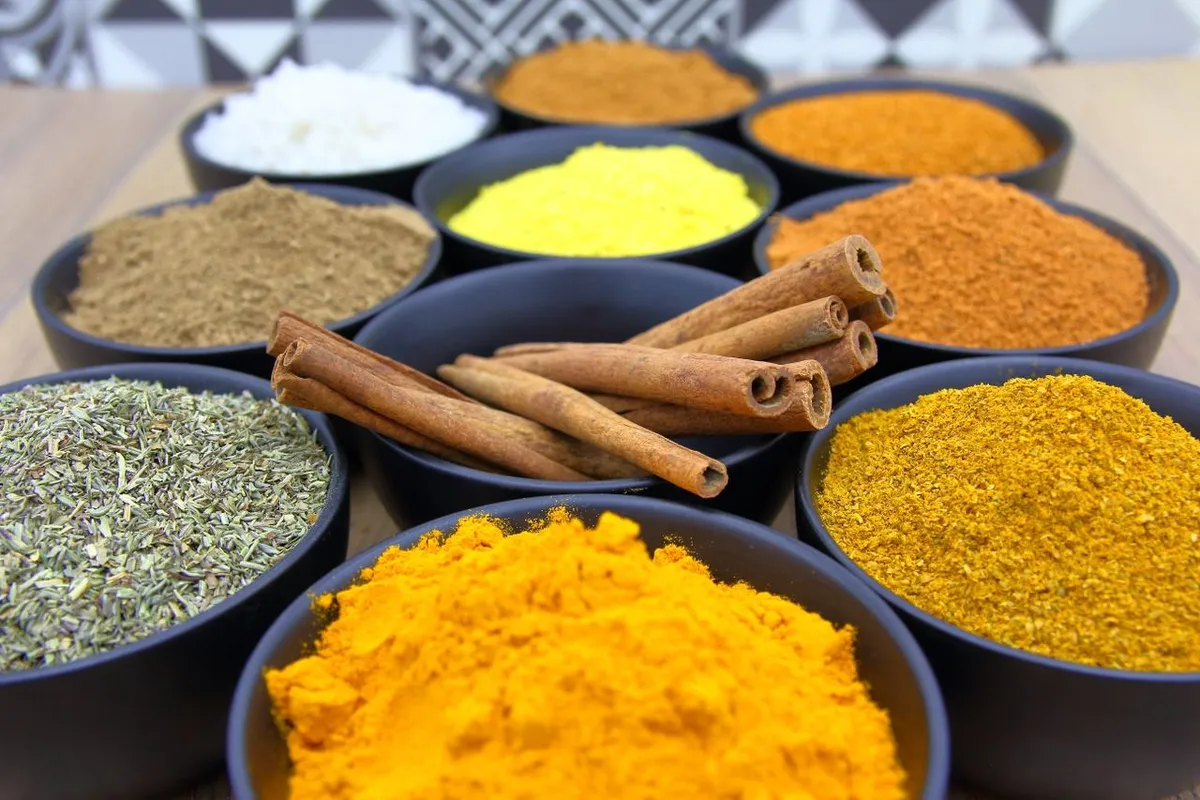
Spices and seeds can carry more of these metals per kilogram than fresh foods. Drying removes water and concentrates everything that remains, including any metal taken up by the plant or stuck to its surface. Roots and barks, such as turmeric, ginger and cinnamon, are in close contact with soil and tend to show higher levels. Seeds such as cumin, coriander, fennel, sesame and flax are usually lower, but they still need testing.
How Do Lead, Cadmium and Arsenic Enter the Supply Chain?
Heavy metals enter spices at four main points: the field, the drying yard, the processing plant and, occasionally, through fraud. Knowing the route helps you decide which controls to ask your supplier about.
- Soil and water: plants take up metals from the soil and irrigation water. Cadmium levels can rise with long use of some phosphate fertilisers. Arsenic can come from groundwater in certain regions.
- Air and dust: crops grown or dried near busy roads, smelters or industrial sites can collect lead-bearing dust on their surface.
- Drying and handling: spices dried on bare ground pick up soil particles. Poor cleaning leaves sand and dust in the lot.
- Processing equipment: worn grinding plates, old metal parts and some solders can add metal particles during milling.
- Adulteration: the most serious cases come from fraud. Lead chromate has been used to brighten turmeric colour. See our guide to lead and adulteration in turmeric.
Natural background levels cannot be removed fully, because they come from the soil itself. Adulteration and dirty processing, however, can be prevented.
Why Are Heavy Metals in Spices a Health Concern?
Regulators limit heavy metals because long-term exposure, even at low levels, can harm health. Spices are eaten in small amounts, but they are used every day by many people, so they add to total dietary intake.
According to the World Health Organization, there is no level of lead exposure that is known to be without harmful effects, and young children are the most vulnerable. Cadmium builds up in the kidneys over many years. Inorganic arsenic and cadmium are both classified by the International Agency for Research on Cancer as carcinogenic to humans. Because of this, limits are set to keep exposure as low as reasonably achievable, not at a level that is considered safe to reach.
What Are the Heavy Metal Limits by Region?
The EU has the most detailed limits for lead in spices, and many buyers in other markets now use them as a benchmark. The table below summarises the main rules for lead in spices and cadmium in seeds. Always check the current law of your market and your own contract, because limits are reviewed often.
| Market / body | Lead in spices (mg/kg) | Cadmium in seeds (mg/kg) | Notes |
|---|---|---|---|
| European Union (Reg 2023/915) | Fruit spices 0.60 · seed spices 0.90 · bud and flower spices 1.0 · root and rhizome spices 1.50 · bark spices 2.0 | Poppy seed 1.20 · rapeseed 0.15; other oilseeds have their own limits | Legal maximum levels; lots above the limit cannot be placed on the market |
| Codex (CXS 193-1995) | Dried bark spices 2.5 · dried culinary herbs 2.0 | None set for spices | Adopted in November 2025; used as a reference by many importing countries |
| USA (FDA and ASTA) | No federal limit for spices; ASTA industry guidance matches the EU lead levels | No federal limit | FDA acts case by case and issued alerts on lead in ground cinnamon in 2024 |
| India (FSSAI) | Set under the Contaminants, Toxins and Residues Regulations, 2011 | Set by food category | Exporters test to the destination limit, which is usually stricter |
The EU lead limits were introduced by Regulation (EU) 2021/1317 and now sit in Regulation (EU) 2023/915. The American Spice Trade Association guidance uses the same category values for lead. For seeds such as sesame, flax and mustard, check the cadmium limit for the specific oilseed, since it varies by crop.
How Are Spice Samples Tested for Heavy Metals in the Lab?
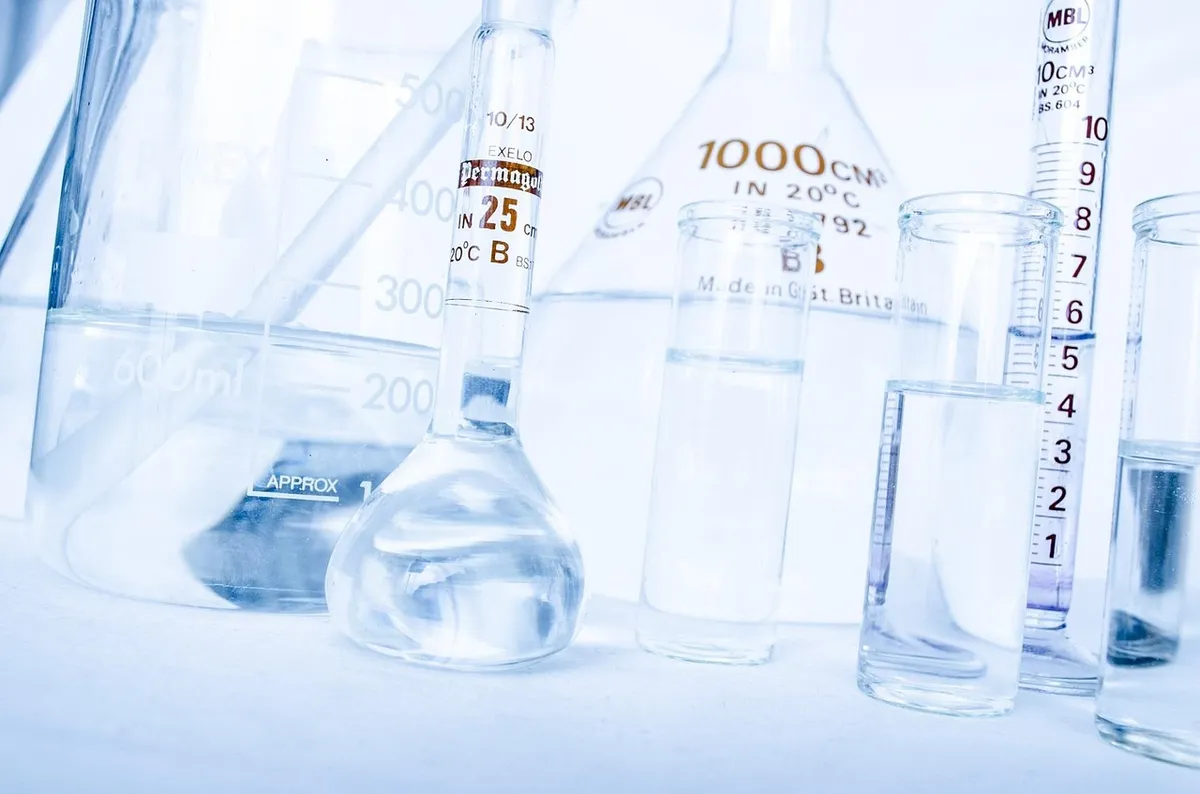
Labs test heavy metals in spices by digesting a ground sample in strong acid and measuring the metals with ICP-MS or atomic absorption spectroscopy (AAS). ICP-MS can measure lead, cadmium, arsenic and mercury together, at very low levels, in a single run.
The process has four steps. First, a representative sample is drawn from many bags in the lot, mixed and reduced to a lab sample. Second, the lab grinds and homogenises it. Third, a small portion is digested, usually with nitric acid in a closed microwave system, which turns the solid into a clear solution. Fourth, the solution is run on the instrument against calibration standards and reference materials.
Use a lab accredited to ISO/IEC 17025 for metals testing. In India, that means a lab accredited by NABL, whose results are recognised worldwide through the ILAC arrangement. Sampling matters as much as the method. A single bag is not a fair sample of a 20-tonne lot, so ask how the sample was drawn and sealed.
Which Sourcing and Processing Practices Reduce Heavy Metal Risk?
The most effective controls are choosing clean origins, keeping the crop off the ground, cleaning well and testing every lot.
- Know the origin: buy from regions and farms with a clean testing history and keep lot-level traceability back to the market or farmer group.
- Dry on clean surfaces: use tarpaulins, concrete floors or mechanical dryers instead of bare earth or roadsides.
- Clean thoroughly: destoning, sieving, de-dusting and gravity separation remove soil particles that carry metals.
- Maintain equipment: use food-grade grinding parts and inspect them for wear.
- Buy whole, then grind: grinding whole spices of known origin reduces the risk of adulterated powder.
- Test every lot: test before shipment against the destination limit, and retain a sealed sample.

How Do You Read a Heavy Metals Test Report?
Read a heavy metals report by checking that it matches your lot, uses a suitable method and shows each result against the correct limit.
- Lab and accreditation: the lab name, address and accreditation number, and whether metals testing is within its scope.
- Sample details: product, lot number, sampling date and who drew the sample. These must match your invoice and packing list.
- Method: ICP-MS or AAS, with the standard method named.
- Units: results are usually in mg/kg, which is the same as ppm. Some reports use µg/kg (ppb). Check which one is used before you compare.
- Limit of quantification (LOQ): a result shown as “< LOQ” means the metal was below the level the lab can measure reliably. The LOQ should be well below your limit.
- Measurement uncertainty: a result very close to the limit may fail at the border once uncertainty is considered.
Compare each result to the limit for the right spice category. Cumin is a seed spice, with an EU lead limit of 0.90 mg/kg, while turmeric is a root spice, with a limit of 1.50 mg/kg. Our quality page explains how we check reports before loading.
Related reading: Moisture Content in Grains: Safe Levels, Testing and Contracts and Sampling of Grains: Methods for Bulk Commodities.
How Can You Buy Lab-Tested Spices and Seeds from India?
Buy from an exporter that tests every lot for heavy metals in spices against your market’s limit and can show the report before you pay the balance. Elysium Agri Corporation exports seed spices, turmeric and sesame from Jamnagar, Gujarat. We test for lead and cadmium by ICP-MS or AAS against EU Regulation 2023/915 limits. For example, our cumin seeds are supplied with lead at or below 0.9 mg/kg, and turmeric is tested for lead and chromate on every lot.
Our lab testing page lists the full test panel, the NABL-accredited labs we use and the options for independent sampling by SGS, Intertek or Bureau Veritas. Send us your specification, and we will confirm the tests and limits before you order. Request a lab-tested spice quote →
Frequently asked questions
What are the heavy metal limits for lead in spices?
In the EU, Regulation 2023/915 sets lead limits by spice type: 0.60 mg/kg for fruit spices, 0.90 mg/kg for seed spices, 1.0 mg/kg for bud and flower spices, 1.50 mg/kg for root and rhizome spices and 2.0 mg/kg for bark spices. Codex sets 2.5 mg/kg for dried bark spices and 2.0 mg/kg for dried culinary herbs.
Why do spices contain lead, cadmium or arsenic?
Spices take up heavy metals from soil and irrigation water, and collect dust when grown or dried near roads or industry. Drying on bare ground, poor cleaning and worn grinding equipment can add more. In rare cases, spices are adulterated, for example turmeric brightened with lead chromate. Drying also concentrates any metal present per kilogram of product.
How are heavy metals in spices tested?
A representative sample is drawn from the whole lot, ground and homogenised. The lab digests a small portion in acid, usually in a closed microwave system, and measures lead, cadmium, arsenic and mercury with ICP-MS or atomic absorption spectroscopy. Results are reported in mg/kg against the destination limit by a lab accredited to ISO/IEC 17025.
Which countries set limits on cadmium in seeds?
The European Union sets legal cadmium limits for many oilseeds, such as 1.20 mg/kg for poppy seed and 0.15 mg/kg for rapeseed, under Regulation 2023/915. Many other markets follow Codex or their own national rules, which cover cadmium in some foods but not all seeds. Buyers often write the EU limit into contracts as a benchmark.
How can exporters keep heavy metals in spices within limits?
Exporters keep heavy metals low by sourcing from clean origins with a good testing history, drying the crop on tarpaulins or concrete rather than bare ground, cleaning out soil and dust, and maintaining food-grade grinding equipment. They should also keep lot-level traceability and test every lot at an accredited lab against the destination limit before loading.
Related reads


