
On this page
- What Is the EUDR, and Does It Cover Soybean Meal?
- Which Commodities and Products Are in Scope?
- What Are the Key Obligations for Operators and Traders?
- What Are the Due Diligence and Geolocation Requirements?
- Who Must Do What Along the Feed Chain?
- What Are the Traceability Challenges for Soybean Meal?
- What Practical Steps Should Feed Importers Take?
- How Can You Source Soybean Meal from India Under the EUDR Regulation?
- Frequently asked questions
The EUDR regulation, the EU Deforestation Regulation (EU) 2023/1115, requires that soy, cattle, cocoa, coffee, oil palm, rubber and wood products placed on the EU market are deforestation-free, legally produced and covered by a due diligence statement. Soybean meal is in scope, and the main obligations apply from 30 December 2026 for large and medium companies. For feed importers, this means collecting the geolocation of the plots where the soybeans were grown. This guide explains the rules, who must do what, and how to prepare. Last reviewed October 2026.
Key takeaways
- Soybeans, soybean meal (HS 2304), soybean flour and soybean oil are listed in Annex I of the EUDR.
- Products must come from land that was not deforested after 31 December 2020.
- Under Regulation (EU) 2025/2650, the rules apply from 30 December 2026, and from 30 June 2027 for most micro and small operators.
- India is classed as low risk, so simplified due diligence applies, but geolocation data is still required.
What Is the EUDR, and Does It Cover Soybean Meal?
The EUDR is an EU law that aims to stop EU consumption from driving deforestation and forest degradation around the world. It entered into force on 29 June 2023 and replaced the EU Timber Regulation. It bans the sale and export of listed products unless they meet three conditions:
- They are deforestation-free: produced on land that was not deforested after 31 December 2020.
- They are produced in line with the relevant laws of the country of production, such as land use, environmental and labour laws.
- They are covered by a due diligence statement filed in the EU Information System.
Yes, soybean meal is covered. The text of Regulation (EU) 2023/1115 lists soya beans, soya bean flour and meal, soya bean oil, and the oil-cake and other solid residues from soya oil extraction, which is soybean meal under HS 2304. Of our product range, soybean meal is the only product in scope.
Which Commodities and Products Are in Scope?
The EUDR covers seven commodities and a list of products made from them, defined by HS code in Annex I. The commodities are cattle, cocoa, coffee, oil palm, rubber, soya and wood. Only the products and HS codes listed in Annex I are covered, so always check the exact tariff line.
For the feed chain, the key soy products are whole soybeans, soybean meal and soybean oil. Meat, milk and eggs from animals fed with soybean meal are not listed under soya, so the obligation sits with whoever places the soy product itself on the EU market. The Commission also reviews the product scope from time to time. In May 2026 it reported on a draft delegated act that would add or remove some products, so check for updates before each contract season. Our HS code finder can help you confirm your tariff line.
What Are the Key Obligations for Operators and Traders?
The main obligations fall on the operator, the company that first places the product on the EU market or exports it. For imported soybean meal, that is usually the EU importer. The operator must carry out due diligence and submit a due diligence statement before the goods are released for free circulation.
The rules were changed in December 2025 by Regulation (EU) 2025/2650. According to the Commission’s May 2026 report, the amended rules mean:
- The regulation applies from 30 December 2026 for most companies, and from 30 June 2027 for most micro and small operators.
- Micro and small primary operators can file a one-time simplified declaration instead of regular statements.
- Downstream operators and traders no longer submit their own due diligence statements. They keep the reference numbers of statements from their direct suppliers, where those suppliers are upstream operators.
Penalties are set by each Member State. The regulation requires them to be effective and dissuasive, including fines with a maximum of at least 4% of the company’s total annual EU turnover, confiscation of goods and exclusion from public contracts.
What Are the Due Diligence and Geolocation Requirements?
Due diligence has three steps: collect information, assess the risk, and reduce any risk that is not negligible. The information must include the product, quantity, supplier, country of production and the geolocation of every plot of land where the commodity was produced.
Geolocation means latitude and longitude coordinates. For a plot of more than four hectares used for crops such as soy, the operator must provide a polygon that outlines the plot. For smaller plots, a single point is enough. The data must link to the actual shipment, so mixing soybeans of unknown origin with traced soybeans breaks the chain.
Country risk changes the depth of the work. Under the Commission’s benchmarking in Implementing Regulation (EU) 2025/1093, India is classed as low risk. Products from low-risk countries qualify for simplified due diligence under Article 13. The operator must still collect the information, including geolocation, but does not need to carry out the full risk assessment and mitigation steps, unless it learns of a risk of non-compliance.
Who Must Do What Along the Feed Chain?
The table summarises the main roles for soybean meal entering the EU feed chain, under the amended rules.
| Role | Example | Main EUDR duty |
|---|---|---|
| Farmer | Soybean grower in India | No direct EUDR duty; provides plot location and land records through the supply chain |
| Crusher and exporter | Indian soybean meal producer or exporter | No direct EUDR duty; supplies traceability data, geolocation and legality documents to the EU buyer |
| Operator (importer) | EU company importing soybean meal | Due diligence, geolocation, risk check and due diligence statement before customs release |
| Downstream operator or trader | EU feed mill or distributor buying from the importer | Keep the statement reference numbers from upstream suppliers |
| Competent authority | National enforcement body in each Member State | Checks, audits and penalties |
EUDR roles for soybean meal in the EU feed chain. Check the latest Commission guidance before you contract.
What Are the Traceability Challenges for Soybean Meal?
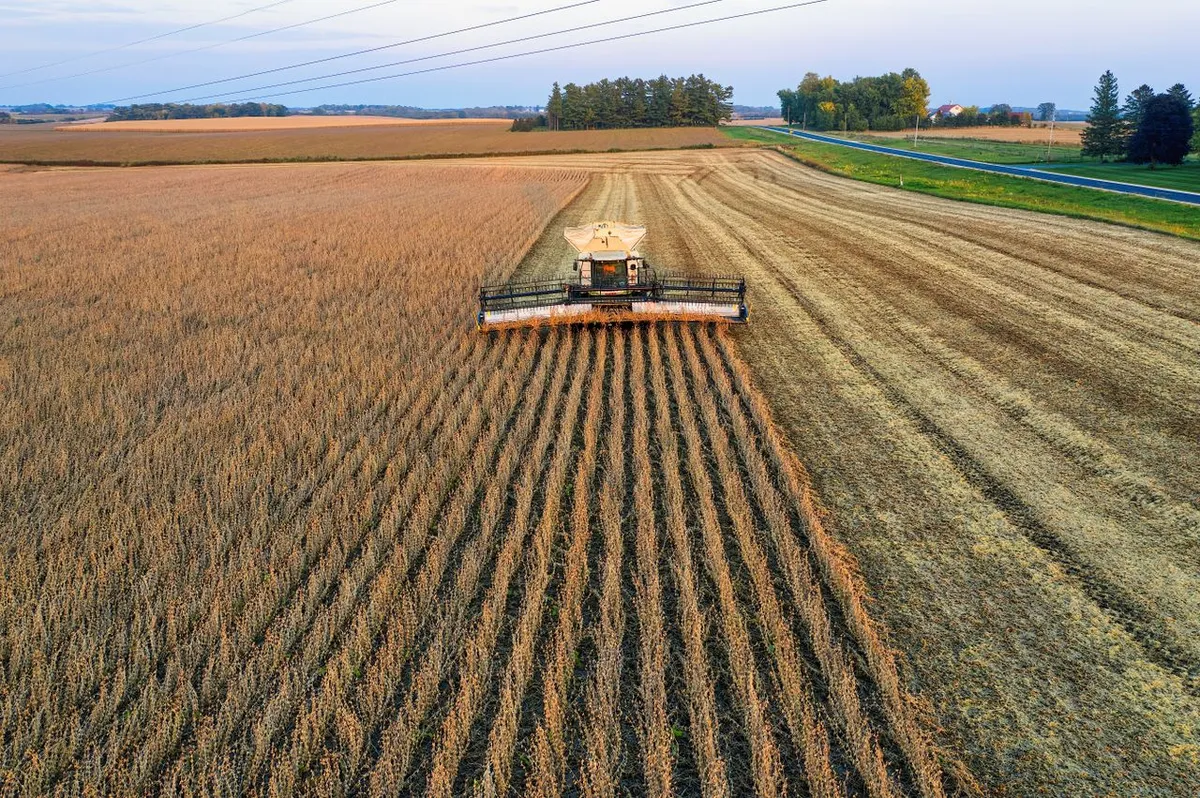
Soybean meal is hard to trace because many small plots supply one crushing plant, and the beans are mixed before crushing. Indian soybeans are grown mainly in Madhya Pradesh, Maharashtra and Rajasthan, often on smallholdings bought through local markets and traders. A single lot of meal can come from thousands of farms.
The main challenges are mapping all supplying plots, keeping traced and untraced beans apart at the crusher, linking crushing batches to export lots, and holding the records for at least five years. India’s low-risk status helps, but it does not remove the geolocation requirement. Exporters that can segregate traced supply and pass on the data in a usable format will be best placed to supply the EU.
What Practical Steps Should Feed Importers Take?
- Map your soy volumes: list every product, HS code and supplier in scope.
- Confirm your role: operator, downstream operator or trader, and your company size.
- Write EUDR data into contracts: require geolocation, legality evidence and lot links from each supplier.
- Test the data early: ask suppliers for a sample data file and check the format against the Information System.
- Keep non-GMO and EUDR files together: many EU buyers of Indian meal already hold non-GMO documents that can sit with EUDR records.
- Review guidance regularly: the scope and procedures have changed several times, so set a review date each year.
For feed safety and the wider import process, see our guides to aflatoxin in animal feed and importing animal feed from India.
How Can You Source Soybean Meal from India Under the EUDR Regulation?
Indian soybean meal remains an attractive option for EU buyers, because India grows no GM soybeans. Under the EUDR regulation, the key is to agree the traceability data at the contract stage, so your due diligence statement can be filed on time.
Elysium Agri Corporation exports Indian non-GMO soyabean meal with 46–48% protein, shipped from Kandla with protein and aflatoxin tested on every lot. Each lot carries a code that links it to its source, processing, test and shipment records, as explained on our traceability page. Tell us the EUDR data your due diligence requires, and we will confirm what we can supply for your order. Our registrations are listed on the certificates page.
Send us the grade, quantity, destination port and your EUDR data needs, and we will reply with a quote. Request a soybean meal quote →
Frequently asked questions
What is the EU Deforestation Regulation?
The EU Deforestation Regulation, Regulation (EU) 2023/1115, requires listed products of cattle, cocoa, coffee, oil palm, rubber, soya and wood to be deforestation-free, legally produced and covered by a due diligence statement before they are sold in or exported from the EU. Its main obligations apply from 30 December 2026.
Does EUDR apply to soybean meal?
Yes. Annex I of the EUDR lists soya beans, soya bean flour and meal, soya bean oil, and the oil-cake and other solid residues from soya oil extraction, which is soybean meal under HS 2304. Any soybean meal placed on the EU market, including non-GMO meal from India, must meet the regulation.
What information do soy importers need to provide under EUDR?
Importers must collect the product description, HS code, quantity, supplier and buyer details, the country of production, and the geolocation of every plot where the soybeans were grown. They must also hold evidence that the soy is deforestation-free after 31 December 2020 and legally produced, then file a due diligence statement.
How does EUDR affect animal feed importers?
An EU company that imports soybean meal is the operator and must carry out due diligence and file the statement before customs release. Under the 2025 amendment, feed mills and traders buying from that importer no longer file their own statements. They keep the reference numbers of statements from their upstream suppliers.
What is geolocation traceability under EUDR?
Geolocation means the latitude and longitude of each plot where a commodity was produced. For crop plots larger than four hectares, a polygon outlining the plot is required. For smaller plots, a single point is enough. The coordinates must be linked to the specific shipment, so traced and untraced supply cannot be mixed.
Related reads


