
On this page
- White, Red and Black Quinoa: What Is the Short Answer?
- What Is White Quinoa?
- What Is Red Quinoa?
- What Is Black Quinoa?
- How Do Taste, Texture and Cooking Compare Across Quinoa Types?
- Are There Nutrition Differences Between Quinoa Colours?
- Which Types of Quinoa Should Your Business Stock?
- How Do You Source Quinoa from India?
- Frequently asked questions
The three main types of quinoa traded worldwide are white, red and black. They are all seeds of the same plant, Chenopodium quinoa, and have very similar protein and fibre, but they differ in colour, flavour, texture and cooking behaviour. White quinoa is the mildest and softest, red quinoa is nuttier and holds its shape, and black quinoa is the earthiest and crunchiest. This guide compares the types of quinoa for importers, food manufacturers and repackers, and explains which colour to stock for each use.
Key takeaways
- White, red and black quinoa are colour types of one species. Their nutrition is broadly similar.
- White quinoa is mild and fluffy; red quinoa is chewier and keeps its shape; black quinoa has the strongest, earthiest taste and a crunchy bite.
- Darker seeds tend to contain more betalain pigments and show higher antioxidant capacity in lab studies.
- White quinoa is the volume product for most buyers. Red and black quinoa sell in smaller volumes, usually at a premium.
White, Red and Black Quinoa: What Is the Short Answer?
White, red and black quinoa differ mainly in seed coat colour, taste and texture, not in species or core nutrition. The colour comes from natural pigments in the outer layer of the seed. Each colour comes from different varieties that farmers grow, mostly in the Andes of Peru and Bolivia, and increasingly in other countries, including India.
For a buyer, the practical differences are clear. White quinoa cooks fastest and has the softest texture, so it is the default for most food uses. Red quinoa stays firm after cooking, which suits salads and ready meals. Black quinoa gives the strongest flavour and the most striking look. A fourth product, tricolour quinoa, is simply a blend of all three.
All three colours must be processed to remove saponin, the bitter, soapy coating on the seed. Saponin is removed by washing or by dry scarification (light abrasion). Whatever colour you buy, the saponin level is one of the first specifications to check.
What Is White Quinoa?
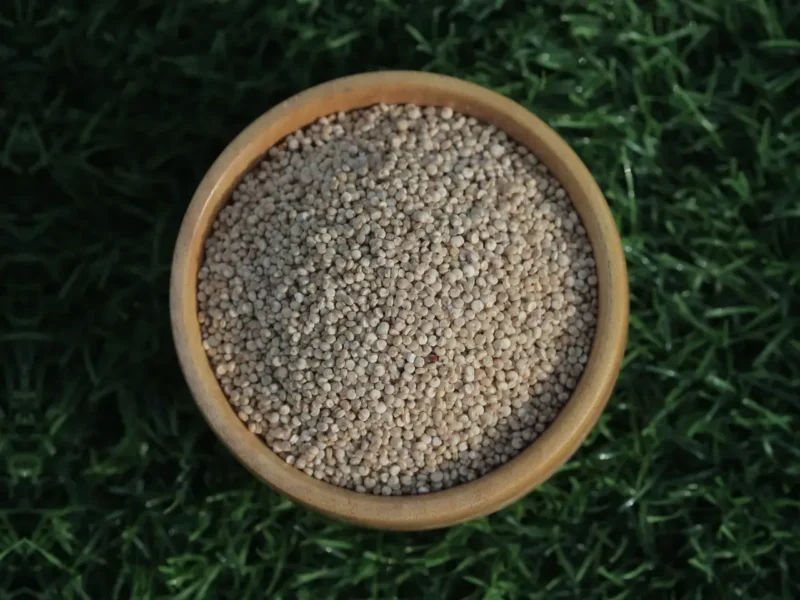
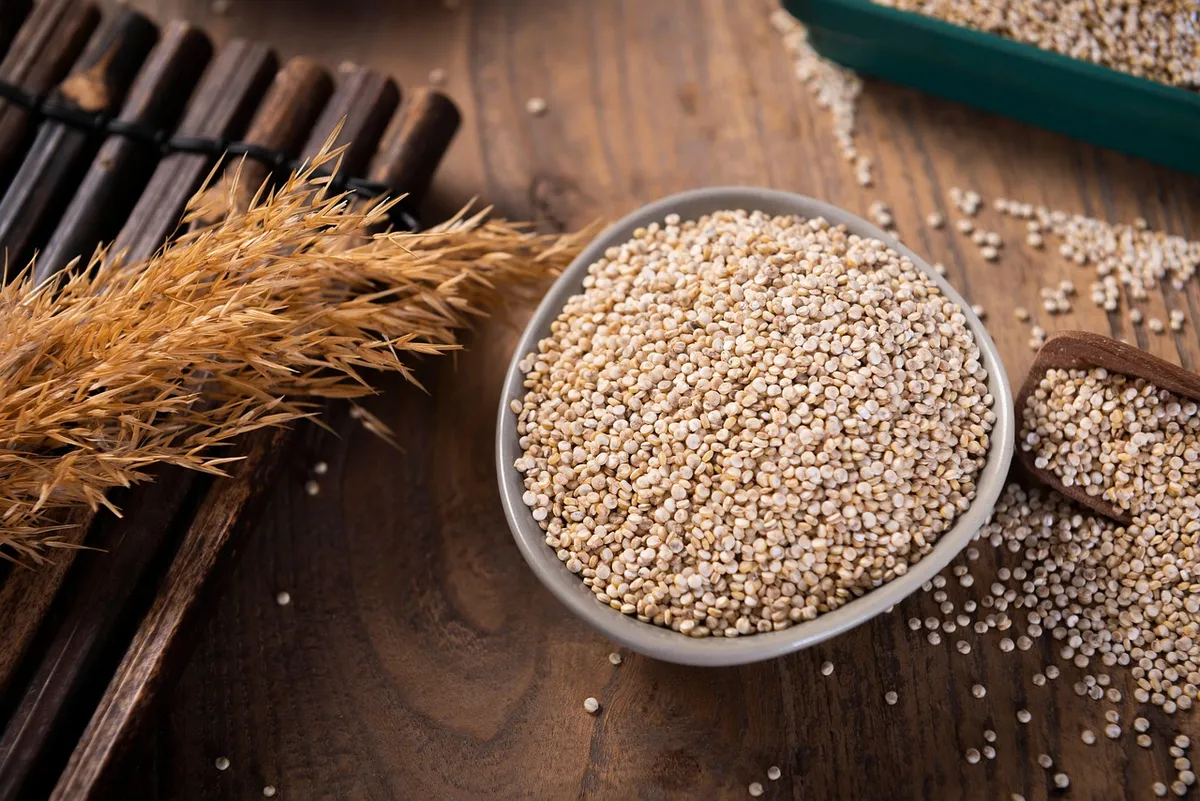
White quinoa is the most common type of quinoa in world trade. Its seeds are white to ivory, and after cooking they turn soft and fluffy, with a mild taste and a small visible “tail” (the germ) that curls around each grain.
Because its flavour is neutral, white quinoa works in almost any recipe. It is the main type used in breakfast cereals, granola, porridge, quinoa flour, flakes, puffed quinoa, gluten-free bakery and retail packs. It is also the easiest colour to source in large, consistent lots, and it is usually the lowest-priced colour.
Indian quinoa is mainly white. It is grown in Rajasthan and Andhra Pradesh as a rabi (winter) crop and harvested in February and March. Indian white quinoa is a little smaller and milder than Peruvian and Bolivian quinoa, and it usually costs 8–25% less. Read more in our guide to how millets grow, which covers other dryland grains from the same regions.
What Is Red Quinoa?
Red quinoa has reddish-brown to deep red seeds. It has a nuttier, slightly richer flavour than white quinoa and a chewier texture.
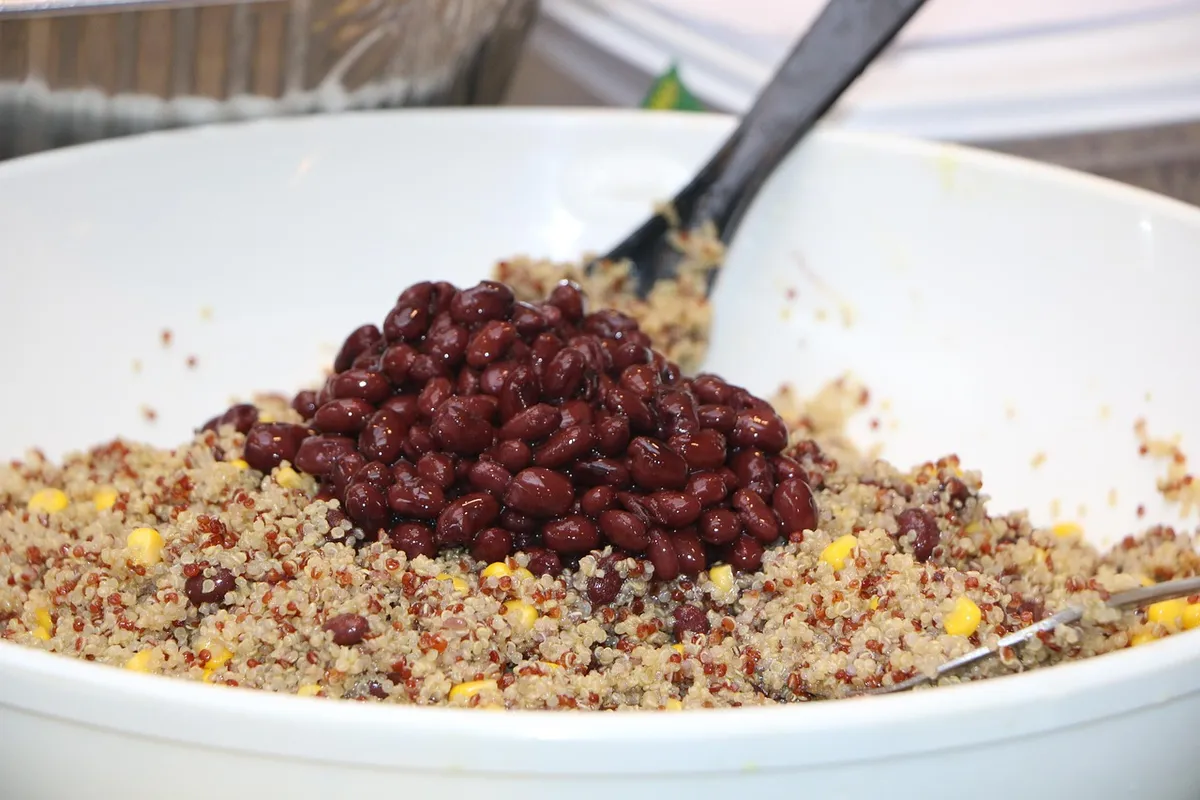
The main advantage of red quinoa is that it holds its shape well after cooking. The grains stay separate and firm instead of becoming soft. This makes red quinoa popular for cold salads, grain bowls, ready meals and food service dishes that are cooked ahead and served later. It keeps much of its colour when cooked, which adds visual appeal to mixed dishes.
Red quinoa usually needs a few minutes longer to cook than white. It sells in smaller volumes and normally carries a price premium over white quinoa.
What Is Black Quinoa?
Black quinoa has dark brown to black seeds. It has the strongest flavour of the three colours, often described as earthy and slightly sweet, and the crunchiest texture.
Black quinoa keeps a firm bite and a distinct look after cooking. Chefs and brands use it in salads, side dishes, premium mixes and as a contrast colour in tricolour blends. Like red quinoa, it usually takes a little longer to cook than white.
Black quinoa is the least common of the three colours in trade. Volumes are smaller, supply can be less regular, and prices are usually the highest. Buyers should confirm availability and colour uniformity with a sample before contracting.
How Do Taste, Texture and Cooking Compare Across Quinoa Types?
The three colours differ most in flavour strength, firmness and cooking time. The table below gives a practical comparison for buyers and product developers.
| Feature | White quinoa | Red quinoa | Black quinoa |
|---|---|---|---|
| Seed colour | White to ivory | Reddish-brown to red | Dark brown to black |
| Flavour | Mild, neutral | Nutty, richer | Earthy, slightly sweet, strongest |
| Cooked texture | Soft and fluffy | Chewy, holds shape | Crunchy, firm bite |
| Cooking time | Shortest | A few minutes longer | A few minutes longer |
| Best uses | Cereals, flour, flakes, bakery, porridge, retail | Salads, bowls, ready meals | Salads, premium sides, blends |
| Trade volume | Highest | Medium | Lowest |
| Typical price | Base price | Premium | Highest premium |
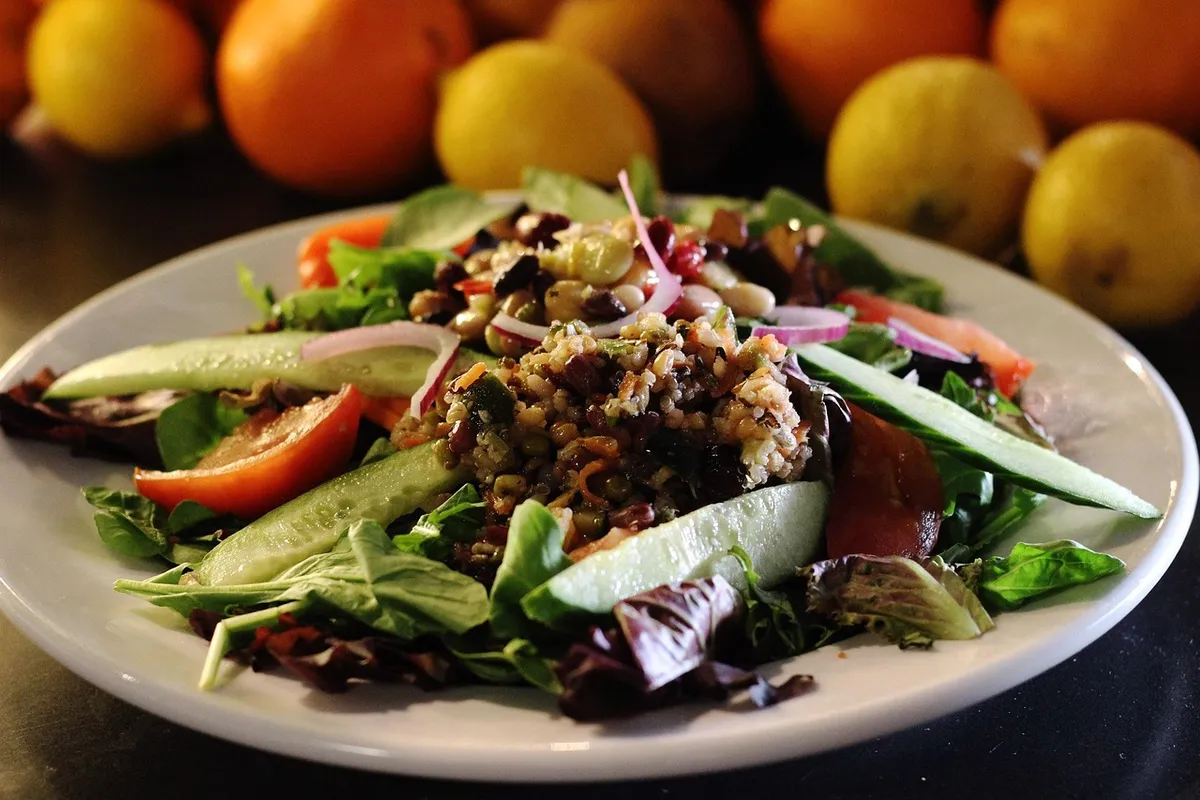
For baking, white quinoa is the usual choice. Its mild taste and light colour do not change the look or flavour of bread, crackers or cakes, and it mills into a pale flour. For salads, red and black quinoa are often preferred because they stay separate and firm. Tricolour quinoa combines the soft white grain with the firmer red and black grains, so it suits mixed salads and retail packs that sell on appearance.
Are There Nutrition Differences Between Quinoa Colours?
The main nutrients in white, red and black quinoa are broadly similar. The clearest differences are in pigments and antioxidant compounds, which tend to be higher in darker seeds.
According to USDA FoodData Central, uncooked quinoa provides about 14 g of protein and 7 g of dietary fibre per 100 g. Quinoa contains all nine essential amino acids and is naturally gluten-free. These values vary more with variety, soil and season than with colour alone, so a lot-wise analysis is more useful than a colour label.
Colour does matter for pigments. Red and black quinoa get their colour partly from betalains, the same family of pigments found in beetroot. A study of thirteen coloured quinoa varieties from the Peruvian Altiplano, published in Food Chemistry in 2015, found that darker seeds were linked with higher betalain content and higher antioxidant capacity. These are laboratory measures, and they do not mean that one colour has proven health effects over another.
For product labels, a buyer can treat all three colours as high-protein, high-fibre, gluten-free grains, subject to testing. Any nutrition or gluten-free claim should be based on the analysis of the actual lot and the rules of the destination market.
This article is for general information and is not medical or dietary advice.
Which Types of Quinoa Should Your Business Stock?
Most businesses should stock white quinoa as their core product and add red, black or tricolour quinoa only if their customers ask for colour or texture. White quinoa sells in the highest volume, is easiest to source and costs the least.
- Cereal, flour and bakery manufacturers: white quinoa, for its mild taste and pale colour.
- Ready meal and food service companies: red or tricolour quinoa, which stays firm after cooking and reheating.
- Retail repackers: white quinoa as the main line, with red, black or tricolour as premium lines.
- Health food and premium brands: black or tricolour quinoa for a distinct look and story.
Whatever the colour, write these points into the contract: saponin (for example ≤ 0.1%), purity, grain size class, moisture, broken grains, and the food-safety panel for aflatoxin, heavy metals, pesticide residues and Salmonella. The Codex standard for quinoa (CXS 333-2019) gives a useful baseline. You can estimate the full delivered cost with our landed cost calculator.
Related reading: Quinoa Farming in India: How Farmers Plant Quinoa Seeds and Protein Content of Quinoa: Nutrition Facts per 100 g.
How Do You Source Quinoa from India?
To source quinoa from India, buy from a registered exporter that washes or scarifies the grain to remove saponin, sortex-cleans it and tests every lot. Indian quinoa is harvested in February and March, so it can serve as an off-season alternative to South American quinoa, with shorter freight to the Middle East and Asia.
Elysium Agri Corporation exports Indian white quinoa from Rajasthan and Andhra Pradesh, washed or scarified to saponin ≤ 0.1%, sortex-cleaned to 99.5–99.9% purity and tested against the Codex quinoa standard and FSSAI limits. White quinoa is our standard product, and we can quote red and black quinoa on request, subject to crop availability. We pack in 25 kg PP or paper bags and 1 MT FIBCs, and a 40 ft container holds about 24–27 MT. Our lab testing covers saponin, protein, microbiology, aflatoxin, heavy metals and pesticide residues, and our certificates page lists our registrations.
If you are comparing the types of quinoa for a new product line, send us the colour, grain size, quantity and destination port, and we will reply with a price and specification sheet. We also supply related gluten-free seeds such as chia seeds. Request a quinoa quote →
Frequently asked questions
What is the difference between white, red and black quinoa?
White, red and black quinoa are colour types of the same plant, Chenopodium quinoa. White quinoa is mild and cooks soft and fluffy. Red quinoa is nuttier and holds its shape after cooking. Black quinoa has the strongest, earthiest flavour and a crunchy bite. Their protein and fibre are broadly similar, but darker seeds contain more pigments.
Which quinoa colour has the strongest flavour?
Black quinoa has the strongest flavour. It is usually described as earthy and slightly sweet, with a firm, crunchy texture. Red quinoa comes next, with a nutty taste, while white quinoa is the mildest and most neutral. For products where quinoa should not change the taste, such as bakery or cereals, white quinoa is the usual choice.
Does red quinoa hold its shape better than white?
Yes. Red quinoa stays firmer and more separate after cooking, while white quinoa becomes softer and fluffier. This is why red quinoa is popular for cold salads, grain bowls and ready meals that are cooked in advance. Red quinoa usually needs a few minutes longer to cook than white quinoa to reach the right texture.
Is tricolour quinoa a mix of the three types?
Yes. Tricolour quinoa, also called rainbow quinoa, is a blend of white, red and black quinoa. It combines the soft white grain with the firmer red and black grains and gives an attractive mixed colour. Buyers should agree the blend ratio, saponin level, purity and moisture for each component in the contract before shipment.
Which quinoa type is best for salads and which for baking?
Red, black or tricolour quinoa is best for salads, because the grains stay firm and separate and add colour to the dish. White quinoa is best for baking, flour, flakes and cereals, because its mild taste and pale colour do not change the look or flavour of the finished product. It is also the lowest-cost colour.
Related reads


