
On this page
- What Is FDA Food Facility Registration?
- Who Must Register, and Who Is Exempt?
- What Is a US Agent for FDA Registration?
- Which FSMA Rules Affect Foreign Suppliers?
- What Must US Importers Verify Under FSVP?
- What Are the Requirements at a Glance for Importer and Supplier?
- Which Documents Should US Importers Request?
- How Can You Source from Indian Exporters for the US Market?
- Frequently asked questions
FDA food facility registration is the US requirement for every domestic and foreign facility that manufactures, processes, packs or holds food for consumption in the United States to register with the Food and Drug Administration. Registration is free, must be renewed every two years, and foreign facilities must name a US Agent. Under the Food Safety Modernization Act (FSMA), US importers must also verify that their foreign suppliers meet US safety standards. This guide explains both, for US importers and Indian exporters. Last reviewed October 2026.
Key takeaways
- Foreign food facilities that make, process, pack or hold food for the US must register with the FDA, with a few exemptions.
- Registrations must be renewed between 1 October and 31 December of each even-numbered year; the current window closes on 31 December 2026.
- The FDA charges no fee and does not issue registration certificates.
- Under FSMA, the US importer is responsible for the Foreign Supplier Verification Program (FSVP).
What Is FDA Food Facility Registration?
FDA food facility registration is a listing of the facilities that supply food to the US market. It was introduced by the Bioterrorism Act of 2002 and later updated by FSMA. The register lets the FDA know who makes and handles the food Americans eat, so it can trace problems, plan inspections and act quickly in an emergency.
Each registration includes the facility’s name and address, its owner or operator, emergency contacts, the food product categories it handles, and a unique facility identifier (UFI). The FDA currently accepts the Data Universal Numbering System (DUNS) number as the UFI. Once registered, a facility receives a registration number, which importers use when they file Prior Notice for each shipment.
Registration is free. The FDA states that there is no cost for registration or renewal. The FDA also does not issue certificates of registration. A “certificate” offered by a private agent is not an FDA document, and registration does not mean the FDA has approved a facility or its products.
Who Must Register, and Who Is Exempt?
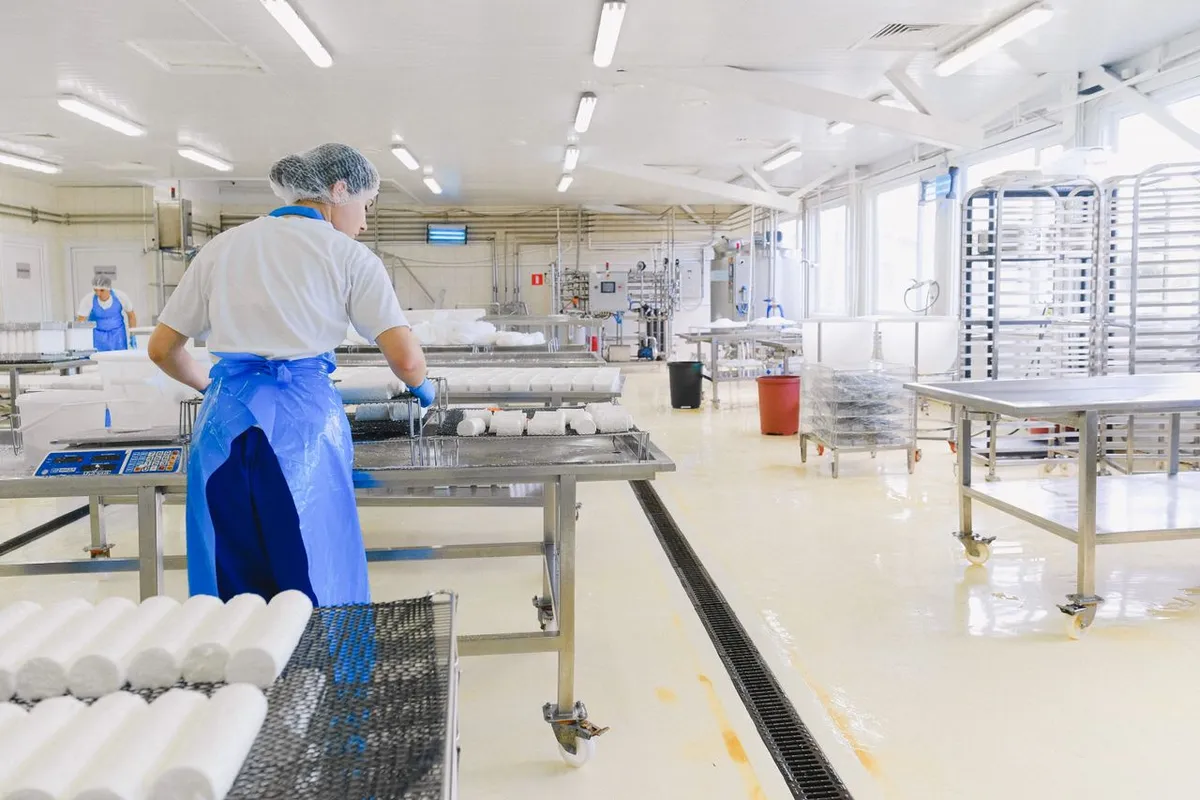
Any facility that manufactures, processes, packs or holds food for consumption in the US must register, whether it is in the US or abroad. For an Indian exporter, this can include a spice grinding unit, a peanut blanching plant, a dehydration plant, a packing house or a warehouse that holds export goods.
There is an important exemption for foreign facilities. A foreign facility does not need to register if its food is further manufactured or processed, including packaged, by another foreign facility before export to the US. The exemption does not apply if the later facility only does minor work, such as adding a label. Other exemptions include farms, restaurants, retail food establishments, non-profit food establishments, fishing vessels and facilities regulated only by the US Department of Agriculture.
Does an Indian food exporter have to register? If the exporter itself processes, packs or holds the food, yes. If it is a trading company that buys finished, packed goods from a registered processor and ships them without further handling, the processor’s registration is usually the one that matters. Every foreign facility must also designate a US Agent.
What Is a US Agent for FDA Registration?
A US Agent is a person or company that lives or has a place of business in the United States and is physically present there. It acts as the FDA’s contact for a foreign facility, both in emergencies and in routine communication. The FDA can contact the US Agent about the facility, and it can send information to the agent that is treated as sent to the facility.
A US Agent can be an importer, a consultant or a specialised service firm. The FDA verifies the agent’s consent, so a facility cannot simply list a name without agreement. Choose an agent who responds quickly, because FDA requests often have short deadlines.
Which FSMA Rules Affect Foreign Suppliers?
FSMA, signed into law in 2011, shifted US food safety from reacting to problems to preventing them. Several of its rules reach foreign suppliers, directly or through their US customers:
- Preventive Controls for Human Food (21 CFR Part 117): registered facilities must have a written food safety plan, with a hazard analysis and risk-based preventive controls, unless an exemption applies.
- Foreign Supplier Verification Program (FSVP): US importers must verify that the food they import is produced to the same level of public health protection as US rules require.
- Sanitary Transportation: covers the hygienic transport of food within the US.
- Food Traceability Rule (FSMA 204): requires extra records for foods on the FDA’s Food Traceability List, such as peanut butter. Compliance is required from 20 July 2028. Whole peanuts, spices, sesame and pulses are not on the list.
- Prior Notice: every food shipment to the US needs advance notice to the FDA before it arrives.
What Must US Importers Verify Under FSVP?
Under FSVP, the US importer must show that each foreign supplier controls the hazards in its food. The importer, not the foreign supplier, carries this legal duty. The main steps are:
- Hazard analysis: identify the known or reasonably foreseeable hazards in each food, such as Salmonella in spices or aflatoxin in peanuts.
- Supplier evaluation: assess the supplier’s performance and the risk of the food, including its compliance history and test results.
- Verification activities: choose the right checks, such as onsite audits, sampling and testing, or review of the supplier’s food safety records.
- Corrective actions: act when a supplier fails, and stop using it if needed.
- Records and identification: keep FSVP records and identify the FSVP importer on each entry, using its DUNS number.
Good suppliers make this easier by sharing clear documents. That is why US buyers ask Indian exporters for detailed specifications, lab reports and process information before the first order.
What Are the Requirements at a Glance for Importer and Supplier?
| Requirement | Foreign supplier (e.g. Indian facility) | US importer |
|---|---|---|
| FDA food facility registration | Required if it manufactures, processes, packs or holds the food, unless exempt | Required only for its own US facilities |
| Biennial renewal | 1 October to 31 December of even-numbered years | Same, for its own facilities |
| US Agent | Must designate one | Not applicable |
| Unique facility identifier | DUNS number | DUNS number to identify the FSVP importer |
| Food safety plan | Preventive controls plan where the rule applies | Not applicable to imported goods |
| FSVP | Supports with documents and records | Legally responsible |
| Prior Notice | Provides shipment and facility details | Usually files, often through a broker |
FDA and FSMA duties for foreign suppliers and US importers. Check FDA guidance for exemptions.
Which Documents Should US Importers Request?
To support FSVP and Prior Notice, a US importer should ask its Indian supplier for:
- The FDA registration number of each facility that processes, packs or holds the food.
- A product specification and a lot-wise Certificate of Analysis from an accredited lab.
- A summary of the food safety plan or HACCP plan, and any third-party audit or certification.
- Test results for the key hazards, such as Salmonella, aflatoxin and pesticide residues.
- Labels that meet FDA rules, including the Nutrition Facts panel and allergen statements for retail packs.
- The commercial invoice, packing list, bill of lading and certificate of origin for each shipment.
For an overview of the certificates buyers ask for, see our guide to food safety certifications.
Related reading: NPOP Certification: Organic Certification for Indian Food Exports.
How Can You Source from Indian Exporters for the US Market?
Before you place an order, confirm that every facility in the chain has a current FDA food facility registration, renewed in the 2026 window, and that you can build your FSVP file from the supplier’s documents. Ask who will act as US Agent and how quickly the supplier can respond to FDA questions.
Elysium Agri Corporation exports peanuts, sesame, spices, pulses, psyllium, dehydrated vegetables and peanut butter from Gujarat. We hold IEC, APEDA, FSSAI and Spices Board registrations, listed with their numbers on our certificates page and checkable on our verification page. Every lot is tested in NABL-accredited labs, as shown on our lab testing page, and we provide the specifications, CoAs and shipment details US importers need for FSVP and Prior Notice. Tell us your FSVP requirements and the processing facilities you need registered, and we will confirm the details for your product.
Send us the product, specification, quantity and US port, and we will reply with a quote. Request a quote for the US market →
Frequently asked questions
What is FDA food facility registration and who needs it?
It is the FDA's register of facilities that manufacture, process, pack or hold food for consumption in the United States. Both US and foreign facilities must register, unless exempt. Registration is free, must be renewed every two years, and gives each facility a number used when importers file Prior Notice for shipments.
Does an Indian food exporter have to register with the FDA?
Yes, if the exporter manufactures, processes, packs or holds food for the US market. A foreign facility is exempt only if another foreign facility further processes or packages the food before export, beyond minor work such as labelling. A trader shipping goods packed by a registered processor usually relies on that processor's registration.
What does FSMA require from foreign food suppliers?
FSMA requires many facilities to have a written food safety plan with hazard analysis and preventive controls. Foreign suppliers must also support their US importers' Foreign Supplier Verification Program with specifications, test results and records. Every shipment needs Prior Notice, and foods on the Food Traceability List will need extra records from July 2028.
What is a US Agent for FDA registration?
A US Agent is a person or company that lives or has a place of business in the United States and is physically present there. Every foreign food facility must designate one. The agent is the FDA's contact for the facility in emergencies and routine matters, and the FDA verifies that the agent has agreed to act.
What should a US importer ask an Indian supplier about FSMA compliance?
Ask for the FDA registration number of each facility handling the food, a product specification, lot-wise lab reports, a summary of the food safety or HACCP plan, any third-party audits, and labels that meet FDA rules. Also ask who the US Agent is and how the supplier handles corrective actions after a failed test.
Related reads


