
On this page
- What Is Organic Certification for Indian Exports?
- What Is NPOP Certification?
- What Is USDA NOP Certification?
- What Is EU Organic Certification?
- How Do NPOP, USDA NOP and EU Organic Compare?
- How Does the Certification Process Work?
- Which Documents and Traceability Do Organic Shipments Need?
- How Do You Source Certified Organic Products from India?
- Frequently asked questions
NPOP certification is India’s national organic certification, issued under the National Programme for Organic Production run by APEDA, the export development authority of the Ministry of Commerce. Products certified under NPOP by an accredited certification body can be exported as organic, and the EU and Switzerland recognise NPOP as equivalent for unprocessed plant products. For the USA, Indian exporters now need separate USDA NOP certification. This guide explains each standard, the process and the documents an organic shipment needs.
Key takeaways
- NPOP sets India’s organic standards and accredits certification bodies. APEDA implements it.
- The EU and Switzerland recognise NPOP for unprocessed plant products. The USA ended its recognition in 2021.
- Organic exports to the USA need certification by a USDA-accredited certifier and an electronic NOP Import Certificate.
- Every organic export from India needs a transaction certificate issued through APEDA’s TraceNet system.
What Is Organic Certification for Indian Exports?
Organic certification for Indian exports is an independent check that a product was grown and handled according to an organic standard, from farm to shipment. A certification body inspects the farms, processing units and warehouses, reviews records, and may test samples. If the operation complies, it is certified for a defined scope of products and activities.
Organic certification in India works on two levels. NPOP certification covers exports and is linked to recognition by importing countries. For the domestic market, FSSAI regulates organic food labelling. The importing country’s rules then decide which certificate is accepted at the border. India is a major organic supplier: according to APEDA, it ranks first in the world by number of organic producers.
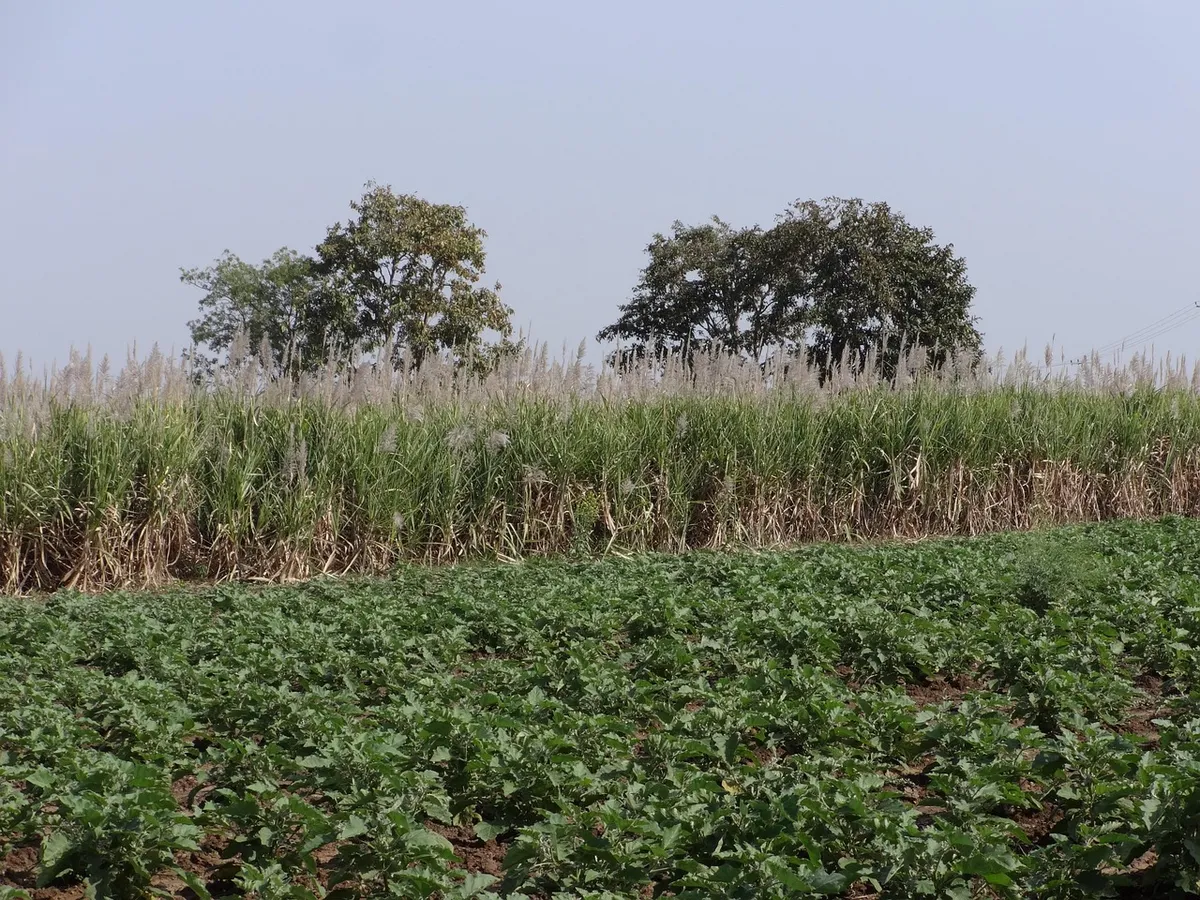
APEDA reports that in 2022-23 India had about 10.17 million hectares under organic certification and produced about 2.9 million tonnes of certified organic products. Organic exports were about 312,800 tonnes, worth ₹5,525 crore. Madhya Pradesh has the largest certified area, followed by Maharashtra, Gujarat, Rajasthan and Odisha.
What Is NPOP Certification?
NPOP certification is certification against the standards of India’s National Programme for Organic Production. NPOP was launched in 2001 and is implemented by APEDA. It sets standards for organic production and processing, accredits certification bodies, and supports organic farming and marketing.
- Standards: crop production, wild collection, livestock, processing, handling, storage and labelling.
- Certification bodies: independent agencies, accredited under NPOP, inspect and certify operators.
- Grower groups: small farmers can be certified together through an internal control system (ICS), which suits India’s many smallholders.
- Conversion period: land must be managed organically for a conversion period, typically two years before sowing for annual crops and three years before harvest for perennial crops.
- Logo: certified products may carry the India Organic logo.
What Is USDA NOP Certification?
USDA NOP certification is certification under the US National Organic Program, which is required to sell a product as organic in the USA. The rules are set out in the US organic regulations (7 CFR Part 205). Products certified under NOP may carry the USDA Organic seal.
For India, the key change came in 2021. The USDA Agricultural Marketing Service ended its recognition agreement with APEDA on 11 January 2021, and the transition period for existing operations ended on 12 July 2022. Indian operations exporting to the USA must now be certified directly by a USDA-accredited certifier. Each shipment must also be accompanied by an electronic NOP Import Certificate, and Indian exporters must still issue a TraceNet transaction certificate.
What Is EU Organic Certification?
EU organic certification is certification under the EU organic regulation, now Regulation (EU) 2018/848, which applies to organic products sold in the European Union. Imported organic products must come from a recognised country or a recognised control body, and each consignment needs an electronic certificate of inspection (COI) in the EU’s TRACES system.
Is Indian organic certification accepted in the EU? Yes, for unprocessed plant products: APEDA states that the EU and Switzerland recognise NPOP standards as equivalent for this category. Other products need certification by a control body that the EU recognises. The EU’s new regulation is changing how third-country recognition works, so importers should confirm the current position with their own control body before contracting. The UK operates its own organic import regime after Brexit.
How Do NPOP, USDA NOP and EU Organic Compare?
| Feature | NPOP (India) | USDA NOP (USA) | EU Organic |
|---|---|---|---|
| Run by | APEDA, Ministry of Commerce and Industry | USDA Agricultural Marketing Service | European Commission and member states |
| Legal basis | National Programme for Organic Production | 7 CFR Part 205 | Regulation (EU) 2018/848 |
| Who certifies in India | NPOP-accredited certification bodies | USDA-accredited certifiers | NPOP bodies (unprocessed plant products) or EU-recognised control bodies |
| Recognition of NPOP | Home standard | Not recognised since 2021 | Recognised for unprocessed plant products |
| Shipment document | TraceNet transaction certificate | NOP Import Certificate plus TraceNet TC | Certificate of inspection (TRACES) plus TraceNet TC |
| Logo | India Organic | USDA Organic seal | EU organic logo |
Recognition arrangements change. Confirm the current rules with your certifier before each season.
The difference between NPOP and USDA NOP is therefore practical as well as technical. The standards are similar in principle, but a US buyer cannot accept an NPOP certificate alone. Many Indian exporters hold both, so that one lot can be sold to either market. Holding both adds audit cost and paperwork, so it makes sense mainly for exporters who sell organic volumes to both regions every year.
How Does the Certification Process Work?
A food exporter gets organic certified in India by applying to an accredited certification body and passing inspection. The usual steps are:
- Choose a certification body accredited for the standards you need: NPOP, USDA NOP, or both.
- Apply and submit an organic system plan covering farms or suppliers, processing, storage, cleaning and pest control.
- Conversion: farms complete the conversion period before their crops can be sold as organic.
- Inspection: inspectors visit farms and units, check records and buffer zones, and take samples for residue testing.
- Certification: the certification body issues a scope certificate listing the products and activities covered.
- Annual renewal: inspections are repeated at least once a year, with unannounced visits possible.
Which Documents and Traceability Do Organic Shipments Need?
Organic shipments need proof that the specific lot is organic, not just that the exporter is certified. The key documents are:
- Scope certificate: shows the operator is certified for the product.
- Transaction certificate (TC): issued by the certification body for each consignment through APEDA’s TraceNet system. It links the shipped quantity to certified production and is required for all organic exports from India.
- Import documents: the NOP Import Certificate for the USA, or the certificate of inspection in TRACES for the EU.
- Residue test report: many buyers ask for a lot-wise test for pesticides and, for spices and seeds, ethylene oxide.
- Standard export documents: invoice, packing list, bill of lading, phytosanitary certificate and certificate of origin.
Ask your supplier for copies of the scope certificate and a draft TC before loading, and check them in the certifier’s or TraceNet’s public records. Residue testing matters even for certified lots. Organic status covers how a crop was grown and handled, but drift from neighbouring farms, contaminated storage or a prohibited fumigant can still leave residues, and importing authorities test for them. A clean lab report alongside the TC protects both the buyer and the exporter. Our traceability page explains how a lot code on every bag links it to its source, processing, test records and container.
Related reading: Halal Certification India: Halal and Kosher for Food Exports.
How Do You Source Certified Organic Products from India?
To source organic products, first decide which market you will sell in. Then ask for NPOP certification for the EU or Switzerland, USDA NOP certification for the USA, and a transaction certificate for every shipment. Confirm that the certificate’s scope covers the exact product and that test results meet your limits.
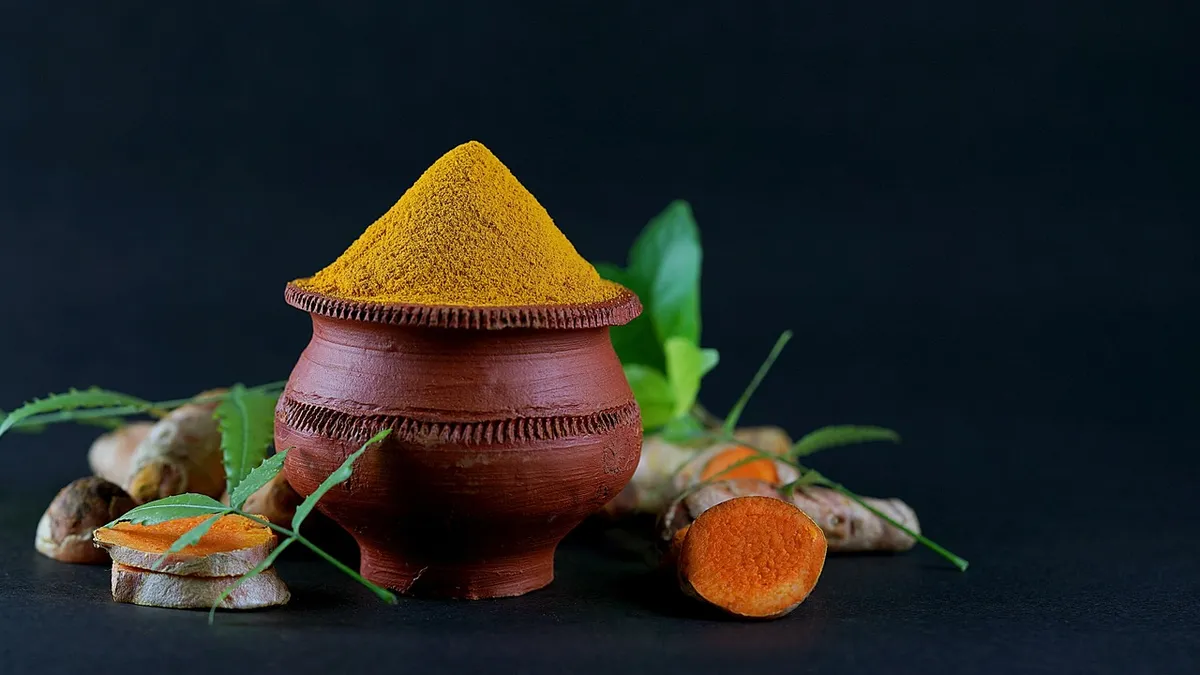
Elysium Agri Corporation is a registered exporter with an IEC, APEDA RCMC, Spices Board CRES and an FSSAI Central Licence; see our certificates page and verify page. Organic lots of selected products, such as turmeric powder, psyllium and chia, can be supplied with the relevant organic certificate on request, and every lot is tested; see our lab testing page. For other certifications, see our guide to food safety certifications. Tell us the product and the organic standard you need. Request an organic product quote →
Frequently asked questions
What is NPOP certification?
NPOP certification is organic certification under India's National Programme for Organic Production, launched in 2001 and implemented by APEDA under the Ministry of Commerce and Industry. Accredited certification bodies inspect farms and processors against NPOP standards. Certified products can be exported as organic and may carry the India Organic logo.
What is the difference between NPOP and USDA NOP?
NPOP is India's national organic programme, run by APEDA. USDA NOP is the US National Organic Program. The standards are similar in principle, but the USA ended its recognition of NPOP in 2021, so products sold as organic in the USA need certification by a USDA-accredited certifier and an electronic NOP Import Certificate.
Is Indian organic certification accepted in the EU?
Yes, for unprocessed plant products. According to APEDA, the EU and Switzerland recognise NPOP standards as equivalent for this category. Other products need a control body recognised by the EU. Each consignment also needs an electronic certificate of inspection in TRACES, and rules are changing under Regulation (EU) 2018/848.
How does a food exporter get organic certified in India?
The exporter chooses an accredited certification body, applies with an organic system plan and completes the conversion period for its farms or sources. Inspectors then visit farms and units, review records and take samples. If compliant, the body issues a scope certificate, which is renewed after inspections at least once a year.
What is a transaction certificate for organic exports?
A transaction certificate is issued by the certification body for each organic consignment through APEDA's TraceNet system. It links the shipped quantity to certified production, so the buyer knows that specific lot is organic. It is required for all organic exports from India, including shipments certified under USDA NOP.
Related reads


