
On this page
- Does Peanut Butter Have Gluten? The Direct Answer
- Why Are Peanuts Naturally Gluten Free?
- Where Can Gluten Enter: Additives and Cross-Contact?
- What Does the Research Say About Gluten Cross-Contact?
- What Are the Gluten-Free Claim Requirements by Market?
- Which Supplier Controls and Tests Should Brands Check?
- How Do You Source Gluten-Free Peanut Butter from India?
- Frequently asked questions
No, plain peanut butter does not have gluten. Peanuts are naturally gluten free, and a peanut butter made only from peanuts, salt, sugar and vegetable oil contains no gluten ingredients. Gluten can still enter through flavoured recipes or cross-contact on shared lines, so a “gluten-free” label needs controls and testing. This guide explains where the risk lies and what brands should check.
Key takeaways
- Peanuts are a legume, not a cereal, and contain no gluten.
- The risk comes from added ingredients such as cookie pieces or malt, and from shared equipment, storage and transport.
- The EU, the USA, Canada and Codex set a gluten-free limit of 20 mg/kg (20 ppm); Australia and New Zealand require no detectable gluten.
- Brands making a gluten-free claim should check the recipe, the supplier’s allergen controls and batch test results.
Does Peanut Butter Have Gluten? The Direct Answer
Plain peanut butter does not have gluten. Gluten is a group of proteins found in wheat, barley, rye and their hybrids, such as triticale. None of these are used in a standard peanut butter. So smooth, crunchy, natural, salted, sweetened and stabilised peanut butters are all gluten free by ingredient.
The answer can change for flavoured products. Peanut butter with biscuit pieces, cereal crunch, malt flavouring or some chocolate inclusions may contain gluten. And even a plain product can pick up traces from shared equipment. This is why “naturally gluten free” and “labelled gluten free” are not the same thing. The first describes the ingredients. The second is a legal claim that must meet a limit.
This matters most to people who avoid gluten for medical reasons, such as those with coeliac disease, and to the retailers and food service buyers who serve them. For these customers, a clear and well-supported label is as important as the recipe itself. Many of them look for a gluten-free claim or a certification logo before they buy.
Why Are Peanuts Naturally Gluten Free?
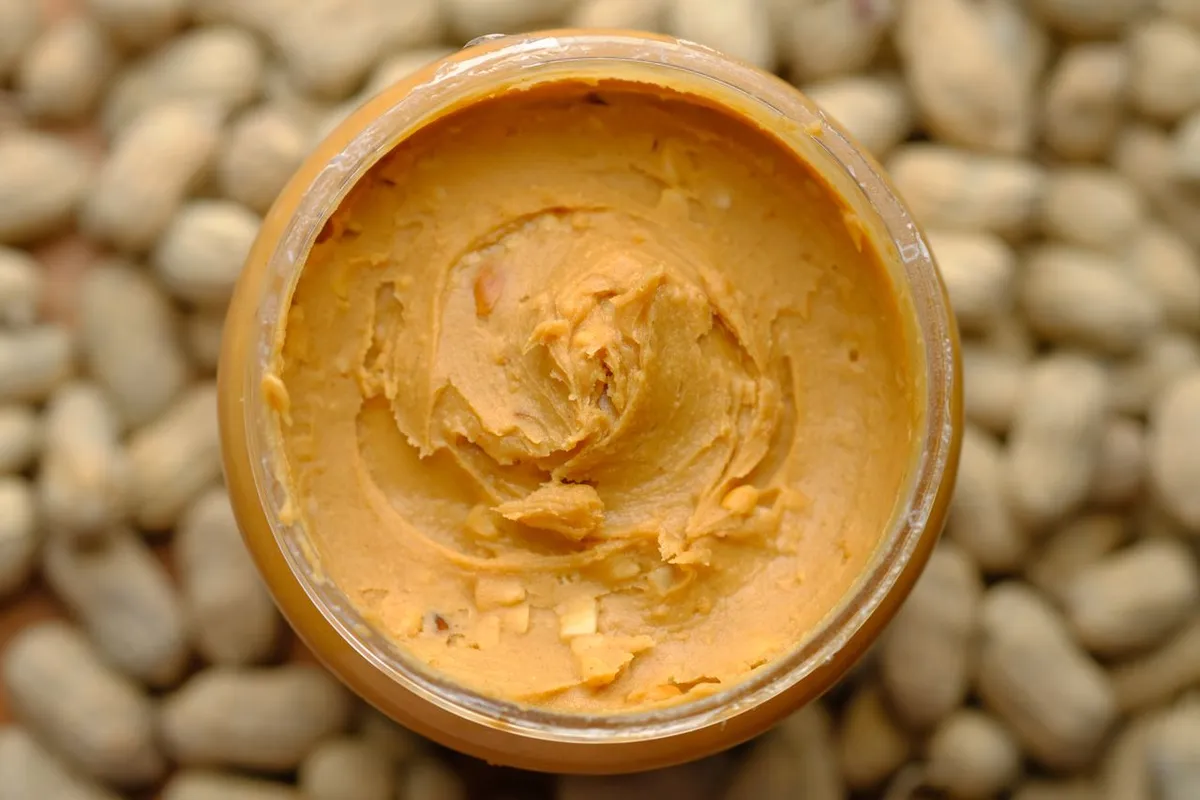
Peanuts are naturally gluten free because they are a legume, not a cereal grain. They belong to the same plant family as chickpeas, lentils and beans. Their protein is made up of different storage proteins, mainly arachin and conarachin, which are not related to the gluten proteins of wheat.
A typical peanut butter is at least 90% peanuts. The US standard of identity for peanut butter requires a minimum of 90% peanuts, and natural peanut butter is 100% peanuts. The other 10% or less is usually salt, sugar or jaggery, molasses and a vegetable oil stabiliser such as palm oil or hydrogenated vegetable oil. None of these contain gluten. The stabiliser is used only to stop the oil separating on the shelf.
Where Can Gluten Enter: Additives and Cross-Contact?
Gluten can enter peanut butter in two ways: through an added ingredient, or through cross-contact during farming, processing, storage or transport.
- Added ingredients: cookie or biscuit pieces, cereal or granola, wafer, malt extract or malt flavouring, and some flavourings or inclusions can contain wheat or barley. Check every ingredient specification in a flavoured recipe.
- Shared processing lines: if the same roaster, grinder or filler also handles products with wheat, traces can carry over if cleaning is not validated.
- Shared storage and handling: peanuts stored or moved in bags, bins or trucks that held wheat can pick up flour dust or grains.
- Farm and field: peanuts can be grown in rotation with wheat. Cleaning, blanching and sorting remove most foreign grain, but good raw material control still matters.
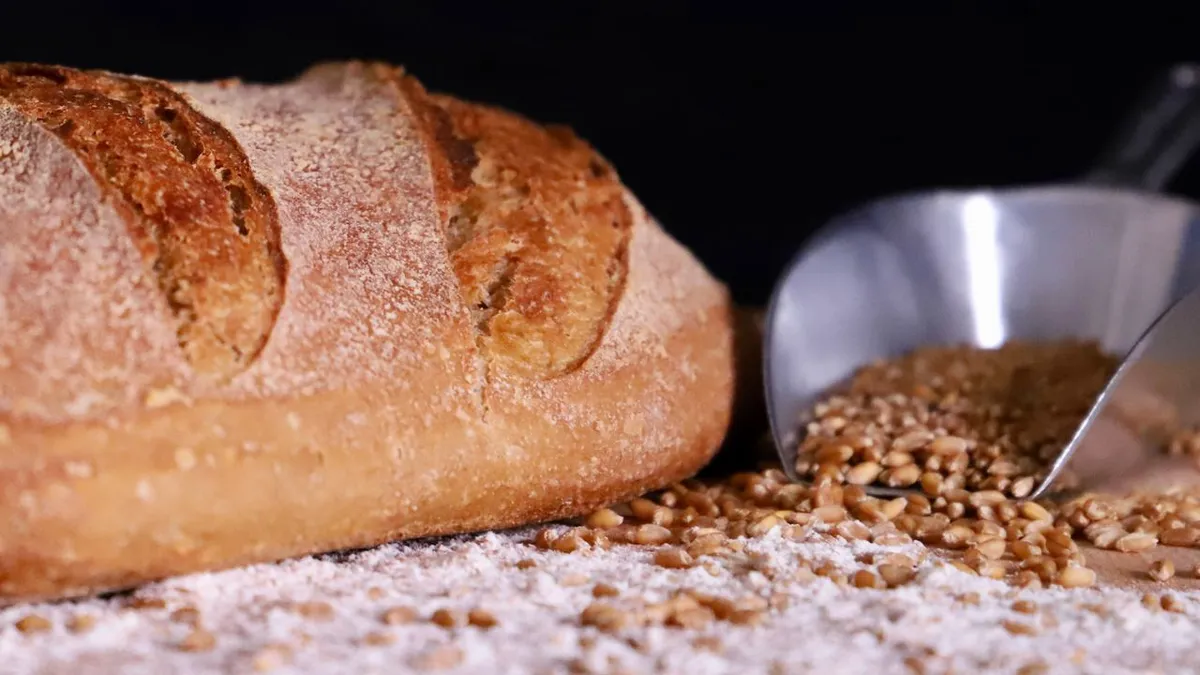
For plain peanut butter, the most important control point is usually the processing line. A dedicated peanut line, or one shared only with other gluten-free products, keeps the risk very low.
Precautionary statements such as “may contain wheat” or “made in a factory that also handles gluten” are a separate decision. They should follow a real risk assessment, not be added by default. A product that carries a gluten-free claim and a “may contain gluten” warning at the same time confuses consumers and may not be allowed. Decide on one position, base it on the controls in place, and make sure your supplier’s allergen statement supports it.
What Does the Research Say About Gluten Cross-Contact?
Research shows that naturally gluten-free foods can carry gluten from cross-contact, which is why testing matters for a gluten-free claim. There are few published studies on peanut butter itself, but studies on other naturally gluten-free foods show the risk clearly.
A pilot study published in the Journal of the American Dietetic Association in 2010 tested 22 inherently gluten-free grains, seeds and flours sold in the USA that were not labelled gluten free. Seven of the 22 samples, about 32%, had mean gluten levels of 20 ppm or more. The likely causes were shared fields, transport and milling with wheat, barley or rye. The lesson for peanut butter brands is simple: an ingredient that is gluten free by nature is not proof that the finished product meets a gluten-free limit. Only controls and testing can show that.
Gluten is usually measured by an ELISA test. The R5 ELISA (Mendez method) is the method endorsed by Codex for gluten in food, and many labs use it to check gluten-free claims.
What Are the Gluten-Free Claim Requirements by Market?
Most major markets allow a “gluten-free” claim only if the food contains less than 20 mg/kg (20 ppm) of gluten. Australia and New Zealand are stricter. The table sums up the main rules.
| Market | Rule | Gluten-free limit |
|---|---|---|
| European Union / UK | Regulation (EU) 828/2014 (retained in UK law) | 20 mg/kg or less; “very low gluten” up to 100 mg/kg |
| USA | FDA gluten-free labelling rule, 21 CFR 101.91 | Less than 20 ppm |
| Canada | Food and Drug Regulations, B.24.018 | Health Canada considers below 20 ppm acceptable |
| Codex (international) | Codex Standard CXS 118-1979 | 20 mg/kg or less |
| Australia / New Zealand | Food Standards Code, Standard 1.2.7 | No detectable gluten; no oats or malted gluten cereals |
Gluten-free claim limits in main markets. Check the current rule with your regulator before labelling.
Under the FDA rule, a food that is gluten free by nature, such as plain peanut butter, may also carry a gluten-free claim if it meets the limit. In the EU, a claim must not suggest that a food is special when all similar foods are also gluten free, so brands often word the claim with care. Peanut must also be declared as an allergen in every market.
Which Supplier Controls and Tests Should Brands Check?
If you plan a gluten-free claim, check the recipe, the supplier’s allergen controls and the test results. Ask your peanut butter supplier for these points:
- Full ingredient declaration: every ingredient, carrier and processing aid, with its own specification.
- Allergen map of the plant: which lines and areas handle wheat, barley, rye or oats, if any.
- Line use and cleaning: whether the line is dedicated, and how cleaning between products is validated.
- Raw material control: cleaning, blanching and colour sorting of peanuts to remove foreign grains.
- Gluten test results: ELISA (R5) results for your batches, with the limit of quantification stated.
- Batch codes and traceability: so that any result can be linked back to the batch and raw material.

Include aflatoxin and Salmonella in the same testing plan. For peanut butter, these remain the main safety tests, and every batch should pass them before shipment. Our lab testing and traceability pages explain how we test and track each lot.
This article is for general information and is not medical or dietary advice.
Related reading: How Is Peanut Butter Made? The Industrial Process Step by Step and Does Peanut Butter Go Bad? Shelf Life, Oil Separation and Storage.
How Do You Source Gluten-Free Peanut Butter from India?
Since plain peanut butter does not have gluten by ingredient, sourcing a gluten-free product is mainly about choosing a simple recipe and a supplier with clear allergen controls. Agree the recipe, the claim you plan to make, the test method and the limit in your contract.
Elysium Agri Corporation supplies bulk peanut butter made from blanched, roasted and colour-sorted Gujarat peanuts. Choose smooth or crunchy, natural (100% peanuts) or stabilised, sweetened or unsweetened, in drums, pails or retail jars. Optional ingredients are limited to salt, sugar or jaggery, vegetable oil stabiliser and molasses, and every batch is tested for aflatoxin and Salmonella. If you need a gluten-free claim, tell us your market and we will confirm the gluten testing for your batches. We also pack under your brand through our private label service.
Send your recipe, pack size and destination, and we will send a quote with the specification sheet. Request a peanut butter quote →
Frequently asked questions
Is peanut butter naturally gluten free?
Yes. Peanuts are a legume, not a cereal, and contain no gluten. A plain peanut butter made from peanuts with salt, sugar and a vegetable oil stabiliser has no gluten ingredients. However, flavoured recipes and shared equipment can add gluten, so a gluten-free label still needs controls and testing.
How can peanut butter become contaminated with gluten?
Gluten can enter through cross-contact. This can happen on shared roasting, grinding or filling lines that also handle wheat products, in shared storage bins, bags or trucks, or from wheat grown in rotation with peanuts. Validated cleaning, dedicated lines and good raw material sorting keep the risk low.
Do peanut butter ingredients ever contain gluten?
Standard ingredients such as peanuts, salt, sugar, molasses and vegetable oil do not contain gluten. Flavoured products can. Cookie or biscuit pieces, cereal crunch, wafer, malt extract, malt flavouring and some inclusions may contain wheat or barley, so every ingredient in a flavoured recipe needs checking.
What does a gluten-free label require on a food product?
In the EU, the UK, the USA, Canada and under Codex, a gluten-free food must contain less than 20 mg/kg (20 ppm) of gluten. Australia and New Zealand require no detectable gluten. The brand must be able to show that its product meets the limit, usually through controls and ELISA test results.
What should food brands verify to make gluten-free peanut butter?
Brands should check the full ingredient declaration, the supplier's allergen map and line use, how cleaning between products is validated, and how peanuts are sorted. They should also ask for ELISA gluten test results for their batches and batch codes that link each result to its raw material.
Related reads


