
On this page
The main advantages of chia seeds are their nutrient density: 100 g of dried chia provides about 34 g of dietary fibre, 17.8 g of the plant omega-3 alpha-linolenic acid (ALA), 16.5 g of protein and 631 mg of calcium, according to USDA FoodData Central. They also absorb water to form a gel, which makes them useful in puddings, drinks, bakery and egg replacement. This fact sheet sets out chia’s nutrition per 100 g, what human studies have found so far, and how food makers use the seed.
Key takeaways
- Chia seed is about one-third fibre and one-third fat by weight, and most of that fat is omega-3 ALA.
- It is a good source of calcium, magnesium, phosphorus, iron and manganese.
- Human trials show some effects on waist size and blood pressure, but evidence on cholesterol and blood sugar is limited.
- Chia forms a gel in liquid, which makes it valuable for puddings, drinks, bakery and plant-based products.
What Are Chia Seeds?
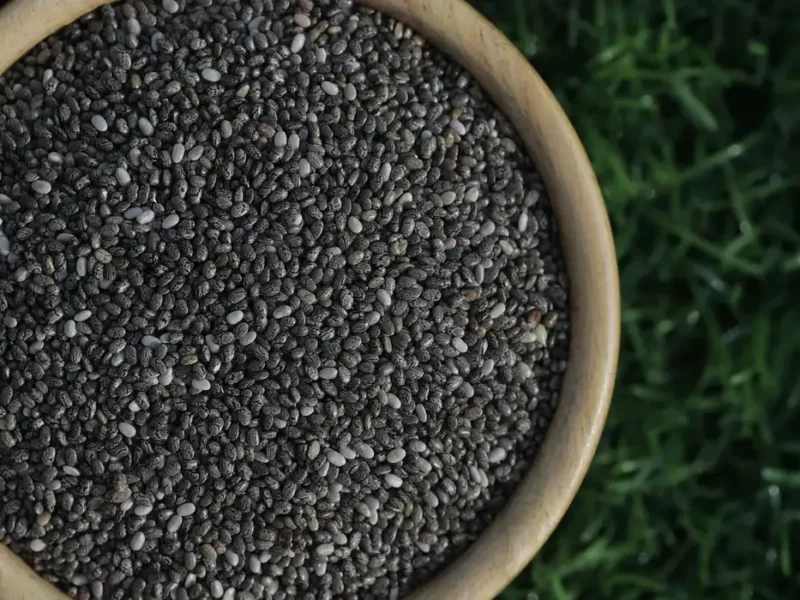
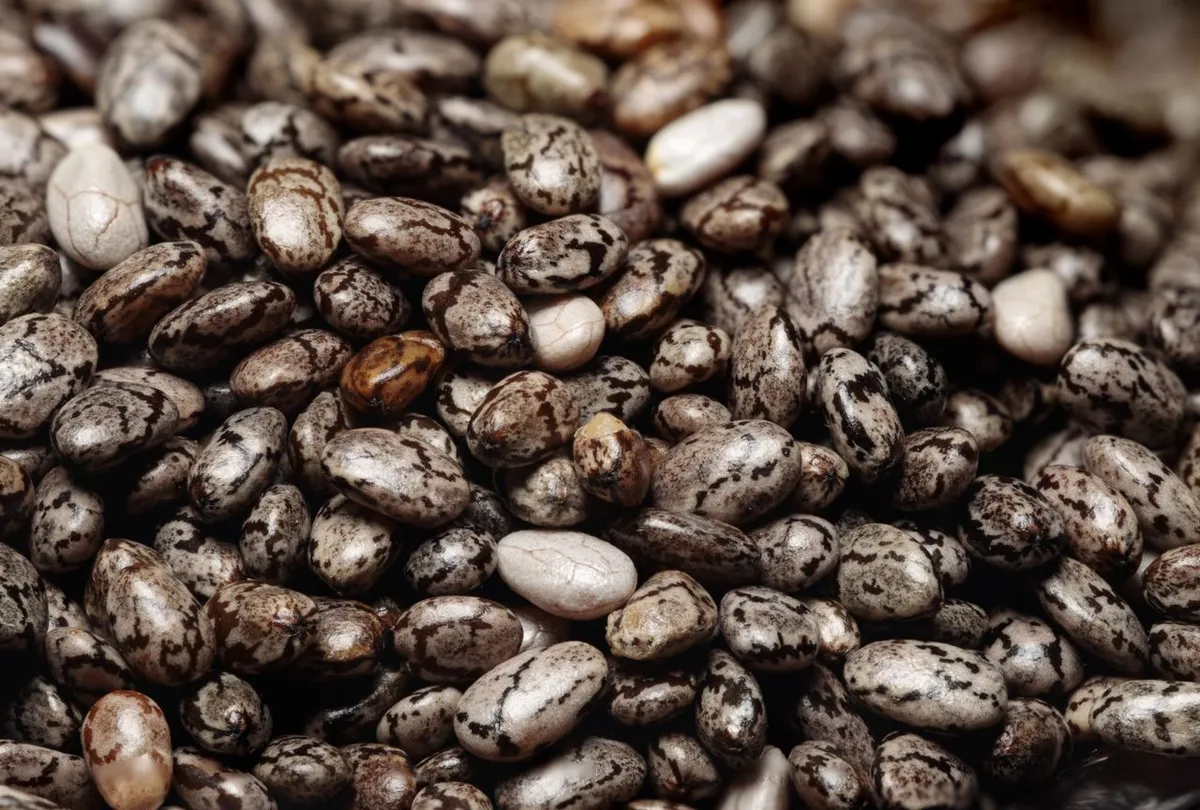
Chia seeds are the small oval seeds of Salvia hispanica, a flowering plant of the mint family that is native to Mexico and Central America. The seeds are about 1–2 mm long. Most commercial chia is black or grey with a mottled pattern, and a smaller share is white. Both colours have very similar nutrition.
Chia was an important food crop in pre-Columbian Mexico. Today, Paraguay and Bolivia lead world production, and India has become a growing source. Indian chia is grown mainly in the Neemuch–Mandsaur belt of Madhya Pradesh, with newer areas in Maharashtra and Karnataka. It is a rabi (winter) crop, sown from October to December and harvested in February and March. Chia is an authorised novel food in the EU, and since 2021 it can be sold there “as such”, in bulk as well as pre-packed.
What Is Chia Seeds Nutrition per 100g?
The table shows the nutrient content of dried chia seeds per 100 g, from USDA FoodData Central (SR Legacy entry “Seeds, chia seeds, dried”). Values for any lot vary with variety, origin and crop year.
| Nutrient | Per 100 g | Per 15 g serving (approx.) |
|---|---|---|
| Energy | 486 kcal | 73 kcal |
| Protein | 16.5 g | 2.5 g |
| Total fat | 30.7 g | 4.6 g |
| Omega-3 ALA (18:3) | 17.8 g | 2.7 g |
| Carbohydrate | 42.1 g | 6.3 g |
| Dietary fibre | 34.4 g | 5.2 g |
| Water | 5.8 g | 0.9 g |
| Calcium | 631 mg | 95 mg |
| Magnesium | 335 mg | 50 mg |
| Phosphorus | 860 mg | 129 mg |
| Iron | 7.7 mg | 1.2 mg |
| Zinc | 4.6 mg | 0.7 mg |
| Manganese | 2.72 mg | 0.41 mg |
| Potassium | 407 mg | 61 mg |
Chia seeds nutrition per 100 g and per 15 g, based on USDA FoodData Central. Serving values are calculated and rounded.
Most of chia’s carbohydrate is fibre, so it contains very little starch or sugar. Its energy comes mainly from fat. For buyers, typical export specifications show fat of about 30–34% and protein of about 17–22%, depending on the lot.
How Much Fibre, Protein and Omega-3 Do Chia Seeds Contain?
Fibre, omega-3 and protein are the three nutrients behind most of the advantages of chia seeds.
Fibre. At about 34 g per 100 g, chia is one of the richest common foods in dietary fibre. A 15 g serving, a little over one tablespoon, provides about 5 g. Most of this is insoluble fibre, and part is soluble fibre in the seed coat. The soluble part forms the mucilage, or gel, that appears when chia is soaked.
Omega-3. Chia oil is very high in alpha-linolenic acid (ALA), the plant form of omega-3. ALA makes up about 58–60% of the fat in our export lots, or about 17–19 g per 100 g of seed. ALA is an essential fatty acid, which means the body cannot make it and must get it from food. The body converts only a small share of ALA into the longer-chain omega-3s EPA and DHA found in fish, so chia is not a direct replacement for fish oil.
Protein. Chia contains 16.5 g of protein per 100 g, which is high for a seed. Its protein contains all the essential amino acids, though not in the ideal ratio for human needs, as with most plant proteins. In practice, chia adds protein to a meal but is usually eaten in small amounts, so it is a supplement to other protein sources rather than a main one.
Which Vitamins and Minerals Are in Chia Seeds?
Chia is rich in minerals. Per 100 g, it contains 631 mg of calcium, 335 mg of magnesium, 860 mg of phosphorus, 7.7 mg of iron, 4.6 mg of zinc and 2.72 mg of manganese. It also provides B vitamins, including thiamin (0.62 mg) and niacin (8.83 mg) per 100 g.
Two points help put these figures in context. First, people eat chia in small amounts, usually 10–25 g a day, so a serving supplies a useful but modest share of daily needs. Second, seeds also contain phytic acid, which can reduce how much iron, zinc and calcium the body absorbs. Chia is therefore a good contributor of minerals within a varied diet, not a single answer to mineral needs.
What Does the Research Say About Chia Seeds?
Human research on chia is growing but still limited. Many studies are small and short, and they use different doses and groups of people.
A 2024 systematic review and meta-analysis of 10 randomised controlled trials in overweight adults found that chia supplementation was linked to small reductions in waist circumference, systolic blood pressure and C-reactive protein, a marker of inflammation. The same review found no significant effect on blood cholesterol, triglycerides, fasting blood sugar, HbA1c, insulin or body mass index. The authors concluded that chia can be a useful addition to a balanced diet, but should be part of a broader approach that includes diet, exercise and lifestyle.
In short, the strongest advantage of chia is its nutrient profile: high fibre, plant omega-3 and minerals in a small serving. Claims that chia treats or prevents disease are not supported by current evidence. In the EU and many other markets, health claims on food labels are strictly regulated, so brands should check which claims are authorised before printing them.
How Are Chia Seeds Used in Foods?
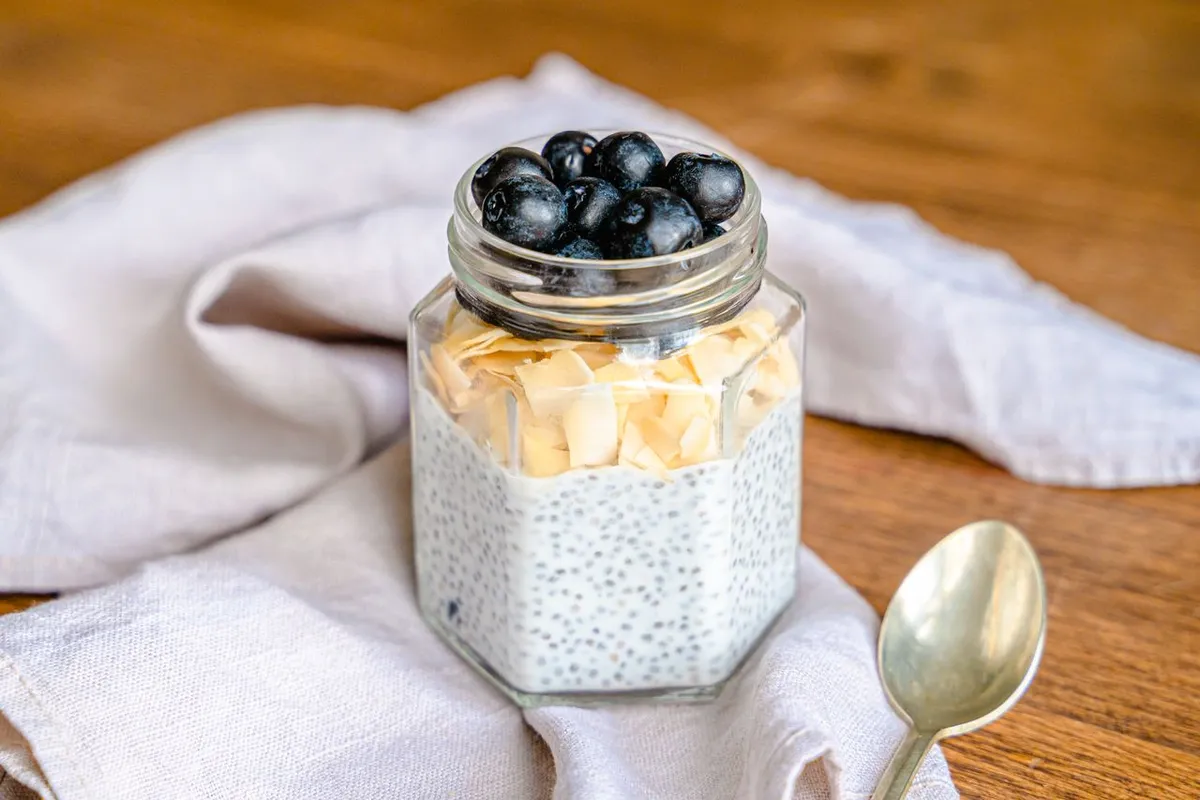
Chia’s other big advantage is functional. When soaked, the seeds absorb several times their own weight in liquid and form a soft gel. Food makers use this property in many products:
- Puddings and overnight oats: the gel thickens milk, plant drinks or yoghurt without starch.
- Drinks and juices: soaked seeds add texture and fibre.
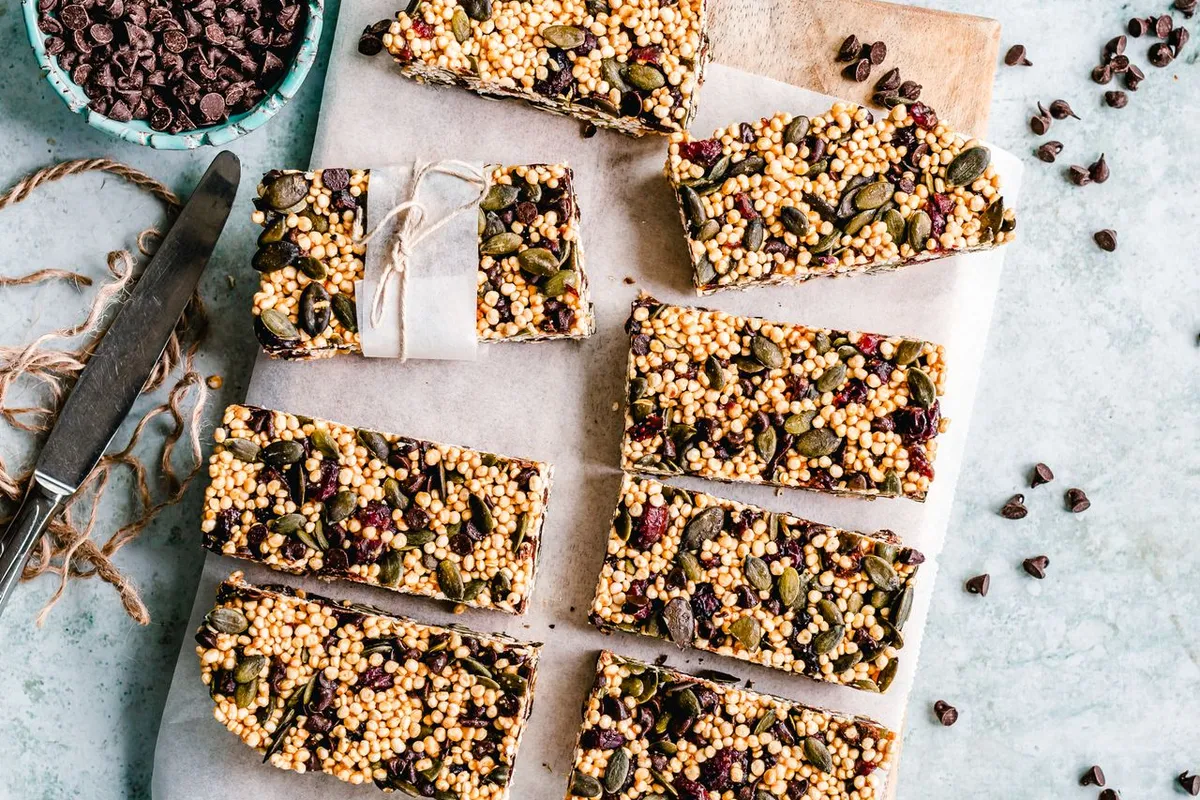
- Bakery and cereals: whole or ground chia goes into bread, crackers, granola and bars.
- Egg replacement: chia gel can partly replace eggs in vegan baking.
- Toppings and mixes: on salads, yoghurt, smoothie bowls and seed blends.
- Oil: cold-pressed chia oil is sold as an omega-3 food oil.
In the EU, chia is authorised under the novel food rules with conditions for some uses. For example, bread can contain up to 5% whole or ground chia, and baked products and breakfast cereals up to 10% whole chia. Most other uses, such as yoghurt, puddings, drinks and seed mixes, have no maximum level.
Soaking is widely recommended for dry chia, or at least eating it with plenty of liquid, because dry seeds swell when they meet water. Ground chia is easier to blend into batters but should be used quickly, as ground seeds oxidise faster than whole seeds.
This article is for general information and is not medical or dietary advice.
Related reading: Chia Seeds vs Flax Seeds: Nutrition, Uses and Shelf Life and How Long to Soak Chia Seeds: Times, Ratios and Storage.
How Do You Buy Chia Seeds in Bulk?
For bulk buyers, the advantages of chia seeds only count if the seed is clean, safe and consistent. Ask for a specification with purity, moisture, microbiology, aflatoxin and pesticide limits, and a lot-wise Certificate of Analysis. Whole chia keeps for about 24 months in cool, dry storage.
Elysium Agri Corporation supplies Indian black chia seeds in machine-cleaned (99.5%) and sortex (99.9–99.95%) grades, with moisture of 8% maximum. Every lot is tested for Salmonella, yeast and mould, aflatoxin, pesticides and cadmium before loading; see our lab testing page. A 20 ft container holds about 18–19 MT, and our private label service can pack chia under your brand. We also export flax seeds and psyllium husk for health-food ranges.
Tell us the grade, quantity and destination port, and we will send a quote with the specification sheet. Request a chia seeds quote →
Frequently asked questions
What nutrients do chia seeds contain per 100g?
According to USDA FoodData Central, 100 g of dried chia seeds provides about 486 kcal, 16.5 g protein, 30.7 g fat including 17.8 g omega-3 ALA, 42.1 g carbohydrate and 34.4 g fibre. It also contains 631 mg calcium, 335 mg magnesium, 860 mg phosphorus, 7.7 mg iron and 4.6 mg zinc.
How much fibre is in 100g of chia seeds?
Dried chia seeds contain about 34.4 g of dietary fibre per 100 g, according to USDA data. That is roughly 5 g in a 15 g serving, a little over one tablespoon. Most of the fibre is insoluble, and part is soluble fibre in the seed coat, which forms a gel when the seeds are soaked.
Are chia seeds a good source of omega-3?
Yes, for plant omega-3. Chia contains about 17.8 g of alpha-linolenic acid (ALA) per 100 g, which is close to 60% of its fat. ALA is an essential fatty acid. The body converts only a small share of ALA into EPA and DHA, so chia does not replace oily fish or fish oil.
How much protein do chia seeds provide?
Chia seeds provide about 16.5 g of protein per 100 g according to USDA data, and export lots often test at 17 to 22%. A 15 g serving gives about 2.5 g. Chia protein contains all essential amino acids, but because people eat small amounts, it adds to other protein sources rather than replacing them.
Should chia seeds be soaked before eating?
Soaking is widely recommended, or at least eating chia with plenty of liquid. Dry seeds absorb several times their weight in water and swell into a gel. Soaking in water, milk or juice for 15 minutes or longer gives a soft texture for puddings and drinks. Whole dry seeds can also be sprinkled on moist foods.
Related reads


