
On this page
- Chia vs Flax Seeds: What Is the Short Answer?
- What Are Chia Seeds?
- What Are Flax Seeds?
- How Does Their Nutrition Compare Side by Side?
- What Are Their Culinary and Industrial Uses?
- How Do Storage, Shelf Life and Rancidity Compare?
- Which One Should Your Business Stock?
- How Can You Source Chia and Flax Seeds from India?
- Frequently asked questions
In the chia seeds vs flax seeds comparison, flax has more omega-3 ALA, more oil and more lignans, while chia has more fibre and calcium and can be eaten whole. Flax should be ground before eating so the body can use its nutrients, but ground flax goes rancid faster than whole chia. Both are small, oil-rich seeds used in bakery, cereals, health foods and supplements. This guide compares their nutrition, uses, shelf life and sourcing for food businesses.
Key takeaways
- Per 100 g, flax has about 22.8 g of ALA omega-3 and chia about 17.8 g, according to USDA data.
- Chia has more fibre (about 34 g) and calcium (about 630 mg) than flax.
- Whole chia keeps well and needs no grinding; flax is best milled, and milled flax must be protected from oxidation.
- India grows both: chia in Madhya Pradesh, Maharashtra and Karnataka, and brown flax in Madhya Pradesh, Uttar Pradesh and Chhattisgarh.
Chia vs Flax Seeds: What Is the Short Answer?
Choose flax if you want the most omega-3 and oil per kilogram and you can mill it. Choose chia if you want a seed that can be used whole, gels well in liquids and keeps for longer without special handling.
Both seeds are good sources of plant omega-3 (alpha-linolenic acid, or ALA), fibre and protein. The differences are in form and handling. Chia seeds are tiny and soft-coated, so they can be eaten whole, and they form a gel when soaked. Flax seeds have a hard, glossy coat, so whole seeds often pass through the body intact. Flax is therefore usually sold milled, which makes it more sensitive to heat, light and air.
What Are Chia Seeds?
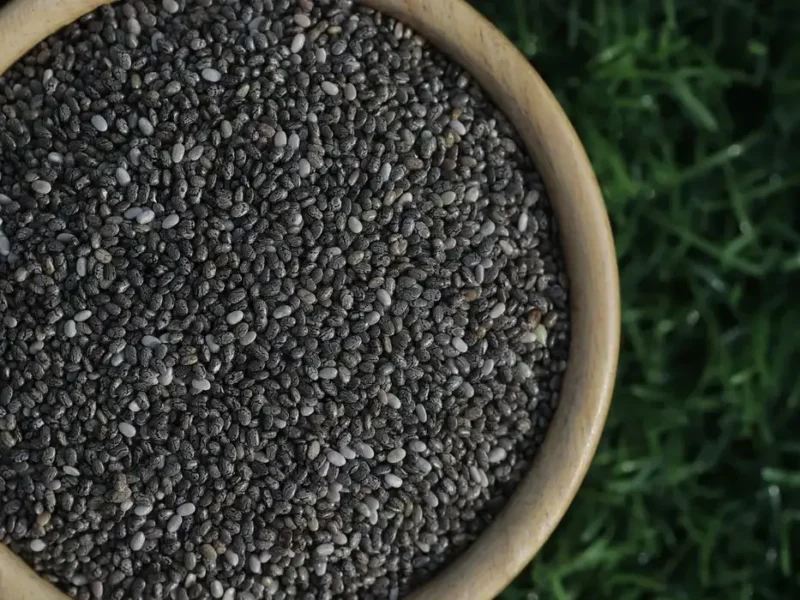
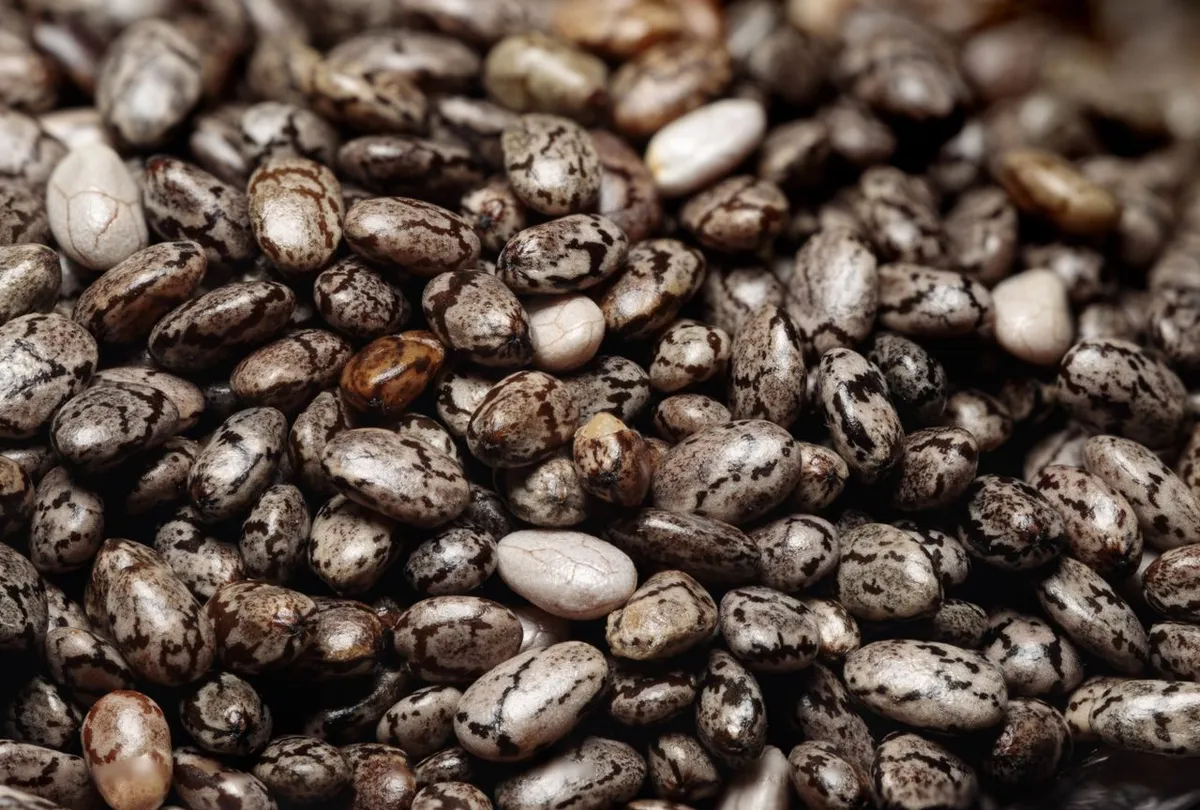
Chia seeds are the seeds of Salvia hispanica, a flowering plant in the mint family native to Mexico and Central America. They are small, oval and mostly black or grey with white flecks. A white variety also exists.
Paraguay and Bolivia still dominate world chia supply, but India is a growing source. Indian chia grows mainly in the Neemuch–Mandsaur belt of Madhya Pradesh, with newer areas in Maharashtra and Karnataka. It is a rabi crop, sown from October to December and harvested in February and March. In the EU, chia is an authorised novel food, and since 2021 it can be sold “as such”, in bulk as well as pre-packed.
The best-known feature of chia is its gel. When the seed is soaked, its outer layer releases a soluble fibre (mucilage) that absorbs many times the seed’s weight in water. This is why chia thickens puddings and drinks without any added starch or gum, and why food makers use it as a natural binder in bars and gluten-free bakery.
What Are Flax Seeds?
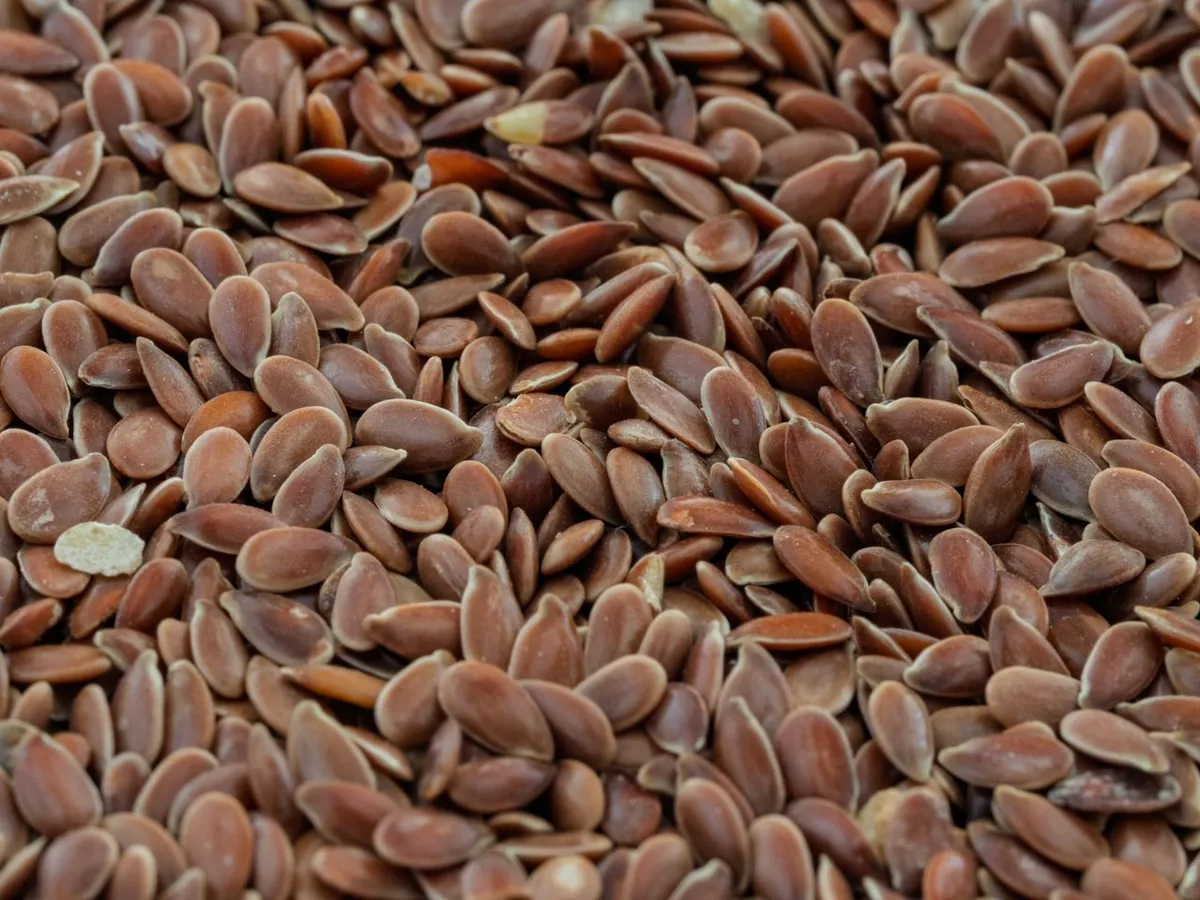
Flax seeds, also called linseed or alsi in India, are the seeds of Linum usitatissimum, one of the oldest cultivated crops. The plant is grown both for its seed and for its fibre, which is used to make linen. Seeds are flat, glossy and brown or golden.
India’s linseed belt covers Madhya Pradesh, Uttar Pradesh and Chhattisgarh. Like chia, flax is a rabi crop, sown in October and November and harvested in February and March. Indian brown flax is rich in oil, typically 38–42%, and India exported about 18,900 tonnes of linseed in 2024, mainly to the USA, Germany, the Netherlands, Canada and the UAE.
Flax naturally contains cyanogenic glycosides, which can release hydrocyanic acid (HCN), and it can take up cadmium from the soil. The EU sets limits for both, so export lots should be tested for HCN and cadmium.
How Does Their Nutrition Compare Side by Side?
The table compares whole dried seeds per 100 g, using SR Legacy values from USDA FoodData Central. Values vary with variety and growing area.
| Per 100 g | Chia seeds | Flax seeds | Higher in |
|---|---|---|---|
| Energy | 486 kcal | 534 kcal | Flax |
| Protein | 16.5 g | 18.3 g | Flax |
| Total fat | 30.7 g | 42.2 g | Flax |
| Omega-3 ALA | 17.8 g | 22.8 g | Flax |
| Dietary fibre | 34.4 g | 27.3 g | Chia |
| Calcium | 631 mg | 255 mg | Chia |
| Magnesium | 335 mg | 392 mg | Flax |
| Iron | 7.7 mg | 5.7 mg | Chia |
| Lignans | Low | Very high | Flax |
| Needs grinding? | No | Yes, for best absorption | – |
Chia seeds vs flax seeds: nutrient values for whole dried seeds.
Grinding matters for flax. A study in the Journal of the American College of Nutrition found that milled flaxseed and flax oil raised blood ALA levels, while whole flaxseed did not raise them significantly. Chia does not need milling in the same way, although milled chia is also sold.
What Are Their Culinary and Industrial Uses?
Both seeds are used in bakery, cereals and health foods, but their different textures send them into different products.
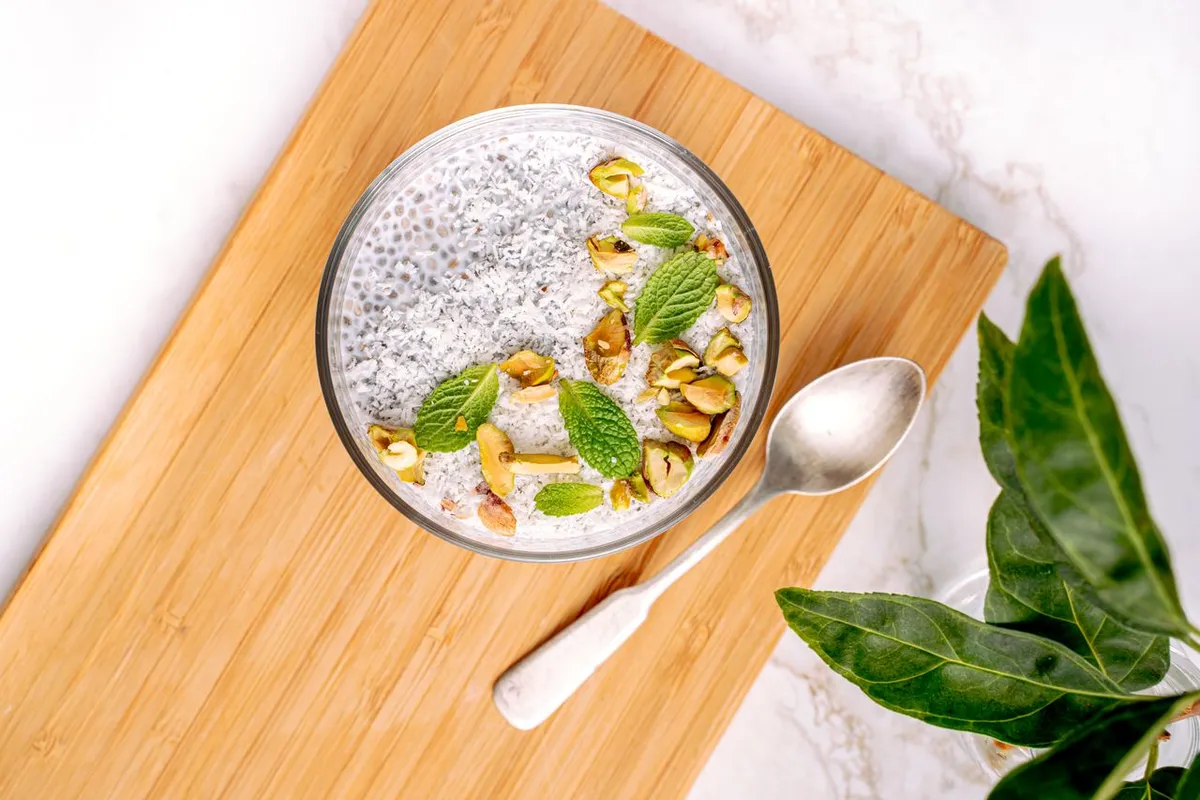
- Chia: puddings, drinks, smoothies, yoghurt toppings, granola, bars and gluten-free bakery. Its gel (mucilage) thickens liquids and binds doughs.
- Flax: multigrain bread, crackers, cereals and muesli, milled flax for supplements and baking, and flaxseed oil. Flax is also crushed for linseed oil used in paints and varnishes, and the cake is used in animal feed.
Both seeds work as egg replacers in vegan baking. Mixing one tablespoon of ground flax or chia with about three tablespoons of water gives a gel that binds like one egg in muffins, cookies and pancakes. It does not whip or set like egg white, so it suits dense baked goods better than light cakes.
How Do Storage, Shelf Life and Rancidity Compare?
Whole chia generally keeps longer than flax, and both last far longer whole than milled. The omega-3 fats in both seeds oxidise when the seed is broken and exposed to air, heat and light.
- Whole chia: our chia has a shelf life of 24 months from production in cool, dry storage.
- Whole flax: our brown flax keeps for 12 to 24 months when stored cool (below 20 °C) and dry.
- Milled seeds: much shorter. Mill close to use, pack in barrier or nitrogen-flushed packs and keep cool.
Keep moisture low (8% max for both seeds in our specifications) and store bags off the floor, away from walls and strong odours. Signs of rancidity are a bitter or paint-like smell and taste.
Which One Should Your Business Stock?
Many health-food brands and bakeries stock both, because they serve different products and customers. Your choice depends on the product, your processing and your market.
- Retail packs of whole seed: chia is easier to sell whole and has a longer shelf life.
- Bakery and cereals: flax is usually cheaper and gives a nutty flavour; chia adds binding and a speckled look.
- Omega-3 claims: flax gives more ALA per gram, but must be milled. Check the nutrition and health claim rules in your market before making any claim.
- Oil pressing: flax, because of its higher oil content.
Price and supply also matter. Flax is a large, established crop in several countries, so it is usually the cheaper seed. Chia supply is smaller and more concentrated, and prices can move sharply with South American harvests. In India, both seeds are harvested in February and March, so new-crop lots are usually available from spring. Buying close to harvest gives the widest choice of lots, and a fixed-price contract for the season can help you plan retail prices. Our crop calendar shows the harvest windows for both seeds.
Flax also offers lignans, plant compounds found in much higher amounts in flax than in other common foods. They are a frequent subject of research, but any health claim on a label must follow the rules of your market.
Related reading: Advantages of Chia Seeds: Nutrition Facts per 100g and How Long to Soak Chia Seeds: Times, Ratios and Storage.
How Can You Source Chia and Flax Seeds from India?
Whichever side of the chia seeds vs flax seeds choice you take, buy to a clear specification and insist on lot-wise testing. India supplies both seeds in export grades.
Elysium Agri Corporation exports black chia seeds in machine-cleaned (99.5%) and sortex (99.9–99.95%) grades, and brown flax seeds at 99, 99.5 and 99.8% purity. Chia is tested for microbiology, aflatoxin, pesticides and cadmium; flax for HCN, cadmium, aflatoxin, Salmonella and pesticide residues against EU limits. A 20 ft container holds about 18–19 MT of chia or 19–22 MT of flax. See our lab testing and private label pages, and plan loads with the container load calculator.
Tell us the seed, grade, quantity and destination port for a price and specification sheet. Request a chia or flax quote →
Frequently asked questions
What is the difference between chia seeds and flax seeds?
Chia comes from Salvia hispanica and flax from Linum usitatissimum. Flax has more oil, omega-3 ALA and lignans, while chia has more fibre and calcium. Chia can be eaten whole and forms a gel in liquid, but flax should be ground so the body can absorb its nutrients.
Which has more omega-3, chia or flax?
Flax has more. USDA data give about 22.8 g of ALA omega-3 per 100 g of flaxseed, against about 17.8 g for chia. However, whole flaxseed is poorly digested, so flax should be milled to make its omega-3 available. Both are plant sources of ALA, not of EPA or DHA.
Do chia seeds need to be ground like flax seeds?
No. Chia seeds have a thin, soft coat and can be eaten whole, soaked or dry. Flax seeds have a hard coat that often passes through the body intact, and research shows milled flax raises blood ALA levels while whole flax does not. Milled chia is available but is optional.
Which seed has a longer shelf life?
Whole chia usually keeps longer. Our chia seeds have a shelf life of 24 months in cool, dry storage, and our whole flax seeds 12 to 24 months below 20 °C. Milled forms of both seeds oxidise much faster, so they should be packed in barrier packs and stored cool.
Can chia and flax replace eggs in baking?
Yes. Mix one tablespoon of ground flax or chia with about three tablespoons of water and leave it to gel for a few minutes. This replaces one egg as a binder in muffins, cookies, pancakes and breads. It does not whip like egg white, so it suits dense bakes better than light sponges.
Related reads


