

On this page
- What Are the Main Types of Sesame Seeds?
- What Are Natural (Unhulled) Sesame Seeds?
- What Are Hulled Sesame Seeds?
- What Are Black Sesame Seeds?
- What Are Roasted Sesame Seeds?
- How Do Sesame Types Compare Side by Side?
- Which Sesame Type Suits Which Application?
- How Do You Buy Sesame Seeds in Bulk from India?
- Frequently asked questions
The main types of sesame seeds in trade are natural (unhulled) white sesame, hulled white sesame, black sesame and roasted sesame. They differ in whether the hull is left on, in colour, in taste and in how they are processed, and each one suits different foods. Natural sesame is the everyday choice for bakery and oil, hulled sesame for tahini and buns, black sesame for East Asian cooking, and roasted sesame for ready-to-use flavour. This guide explains each type and how to choose.
Key takeaways
- Natural sesame keeps its hull, costs the least and suits bakery, confectionery and oil.
- Hulled sesame is bright white and mild, and is the standard seed for tahini, halva and burger buns.
- Black sesame has a stronger, slightly bitter taste and is valued in Japanese, Korean and Chinese food.
- Roasted and toasted sesame are the same thing: seed heated to deepen its flavour and colour.
What Are the Main Types of Sesame Seeds?
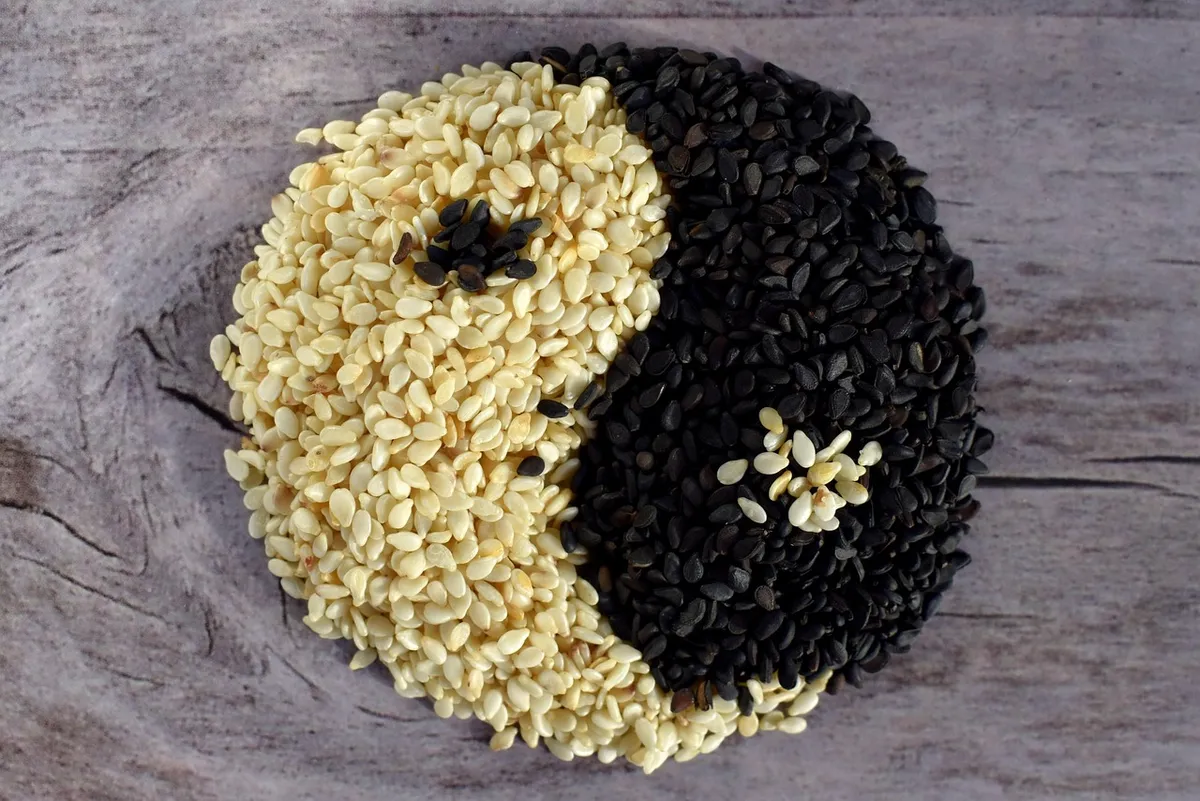
All sesame seeds come from one plant, Sesamum indicum. The types of sesame seeds sold in bulk differ in two ways: the natural colour of the seed, and how it has been processed. The four main types are:
- Natural (unhulled) white sesame: the whole seed with its hull.
- Hulled white sesame: white seed with the hull removed.
- Black sesame: a black-hulled variety, sold whole.
- Roasted sesame: natural, hulled or black seed that has been heated.
Within each type, sesame is sold by purity grade, such as 99/1 or 99.95%, and by cleaning method. Gujarat is a major source of export-grade sesame, and grows two crops a year, so white sesame is available in most months. For the buying process, see our guide on how to import sesame seeds from India.
What Are Natural (Unhulled) Sesame Seeds?
Natural sesame seeds are whole white sesame seeds with the hull left on, cleaned and graded by purity. They have a light cream to golden colour, a nutty taste and a slight crunch.
Because the hull stays on, unhulled sesame keeps more calcium and fibre, has a longer shelf life and costs less than hulled seed. Bakers, confectioners, oil millers and hulling plants buy it most. Natural sesame is exported in machine-cleaned and sortex-cleaned grades from 99/1 to 99.95% purity, with lower 98/2 and 95/5 grades for crushing. A grade of 99/1 means 99% white seeds and up to 1% other-colour seeds or admixture. Typical specifications are 6% maximum moisture and at least 48% oil.
The cleaning method makes a large difference to price and appearance. Machine-cleaned sesame passes through sieves, aspirators and gravity tables that remove dust, stones, stalks and light seeds. Sortex sesame is then passed through an optical colour sorter, which removes off-colour and damaged seeds one by one. Sortex grades reach 99.95% purity and have lower free fatty acid limits, typically 1.5% against 2% for machine-cleaned seed. Some buyers ask for double sortex for retail packs. Gujarat grows two crops a year: the kharif crop, sown in July and arriving in October and November, and a summer crop harvested from April to June. Buying soon after each harvest gives the widest choice of lots.
What Are Hulled Sesame Seeds?
Hulled sesame seeds are white sesame seeds with the outer hull removed. This leaves a bright white, uniform seed with a softer bite and a smoother, milder taste.
Hulled sesame is the seed for tahini, halva, burger buns, sushi and premium bakery, where a white colour and a mild flavour matter. It is sold in high purity grades of 99.95%, 99.97% and 99.98%, with moisture of 5% or less. There are two hulling methods. Mechanical hulling soaks the seed and rubs the hull off by friction. Chemical hulling dissolves the hull in a caustic solution. Mechanically hulled seed is preferred for natural-label and premium products. See our hulled sesame seeds page for the full specification.
What Are Black Sesame Seeds?
Black sesame seeds, known in India as kala til, are whole sesame seeds with a natural black hull. They are a different variety from white sesame, not white seed that has been coloured.
Black sesame has a stronger, nuttier and slightly bitter taste than white. Its colour comes from natural pigments in the hull. It is prized in Japanese, Korean and Chinese cooking, in black sesame paste and roasted oil, and in Indian winter sweets such as til ladoo. It usually sells at a premium over white sesame. Because the hull carries the colour, black sesame is almost always sold unhulled. Buyers should ask for a water-bleed dye test on every lot to confirm the colour is natural. Black sesame is exported in grades from 99/1 to 99.95% purity, with oil content of about 45–48%.
What Are Roasted Sesame Seeds?
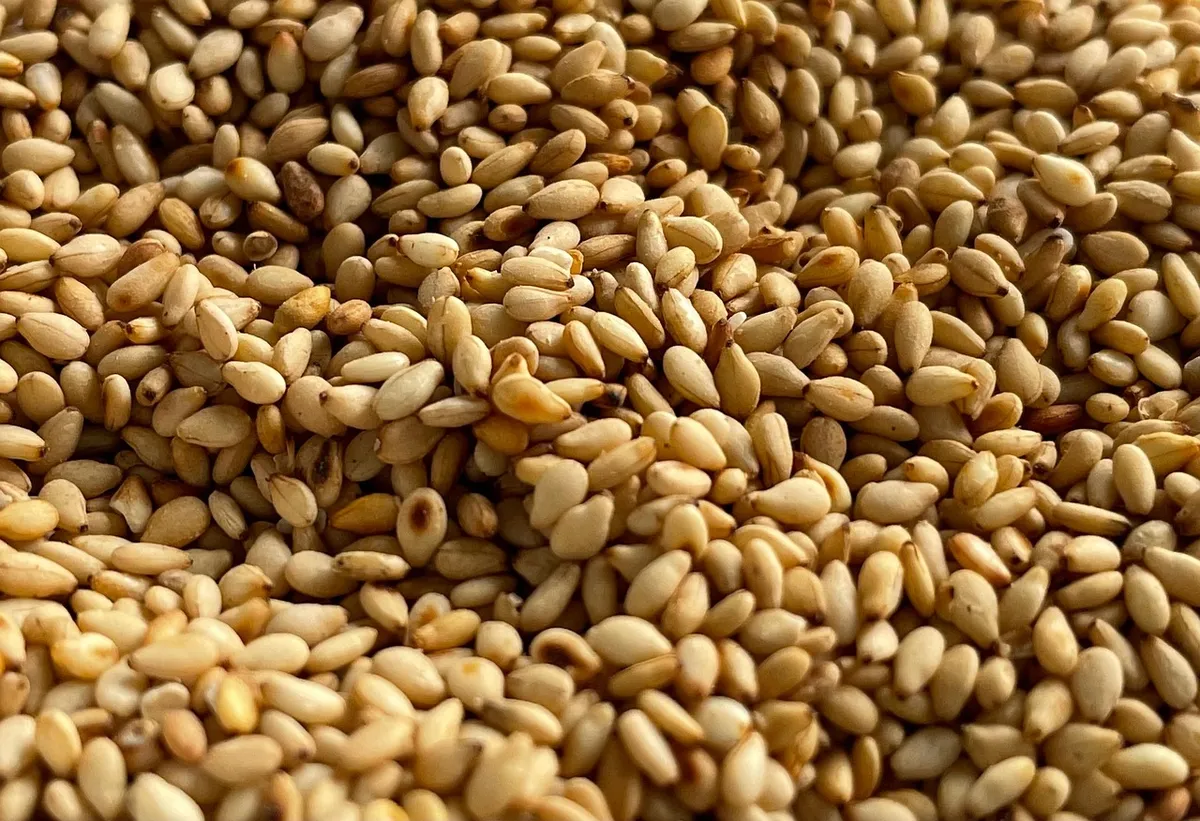
Roasted sesame seeds are natural, hulled or black seeds that have been heated until they turn golden and release a stronger, nutty aroma. Roasted and toasted sesame are the same product; “toasted” is simply the more common word on retail packs.
Roasting changes the flavour much more than it changes the nutrition. The seed loses a little moisture and becomes crisper. Roasted sesame is used as a ready-to-eat topping, in Japanese gomasio seasoning, in sauces and dressings, and as the base for roasted sesame oil, which is darker and stronger than cold-pressed oil. Light roasting is also used in some tahini to give a deeper taste.
Roasted seed goes stale faster than raw seed, because heat starts the oils oxidising. For that reason, many food makers buy raw sesame in bulk and roast it close to the point of use, in small batches. If you buy roasted sesame, check the roast colour against a sample, and ask about packing and shelf life.
How Do Sesame Types Compare Side by Side?
The table compares the four types of sesame seeds on the points buyers ask about most.
| Feature | Natural white | Hulled white | Black | Roasted |
|---|---|---|---|---|
| Hull | On | Removed | On | Depends on base seed |
| Colour | Cream to golden | Bright white | Black | Golden to brown |
| Taste | Nutty, slight crunch | Mild, smooth | Stronger, slightly bitter | Intense, toasty |
| Typical purity grades | 99/1 to 99.95% | 99.95 to 99.98% | 99/1 to 99.95% | As base seed |
| Moisture | 6% max | 5% max | 6% max | Lower after roasting |
| Relative price | Lowest | Higher | Premium | Higher (processing) |
| Shelf life | Longest | Shorter | Long | Shortest |
| Main uses | Bakery, chikki, oil, hulling | Tahini, halva, buns, sushi | East Asian food, paste, sweets | Toppings, seasoning, roasted oil |
Types of sesame seeds compared. Contract specifications apply.
Whatever the type, sesame for food use should be tested for Salmonella, ethylene oxide, pesticide residues and aflatoxin. Indian sesame is under increased EU border checks for Salmonella and ethylene oxide, so a lot-wise lab report is essential. Our lab testing page lists the tests we run.
Which Sesame Type Suits Which Application?
Choose the type from your end product, then the grade from how visible the seed will be.
- Tahini and halva: mechanically hulled white sesame, 99.95% or higher, sometimes lightly roasted.
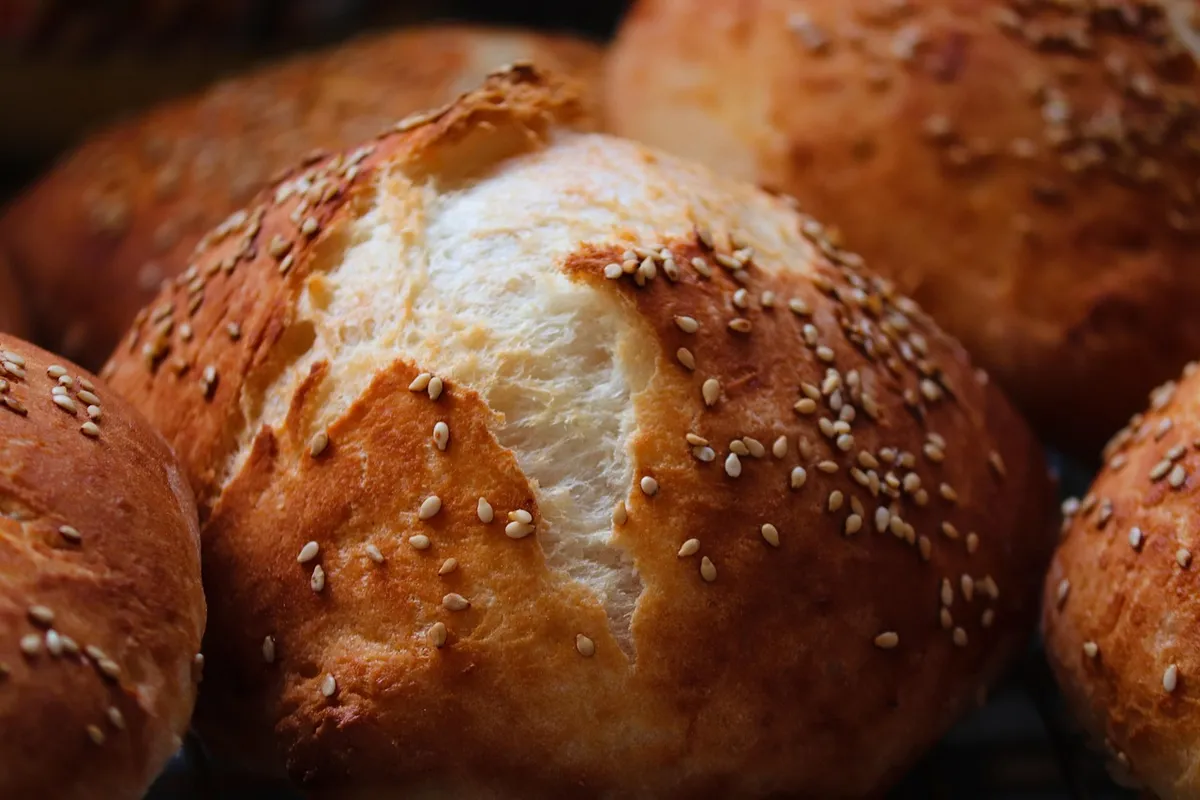
- Burger buns and premium bakery: hulled white sesame for a clean white topping.
- Bread, crackers and everyday bakery: natural white sesame, often sortex grade.
- Chikki, brittle and Indian sweets: natural white or black sesame.
- Japanese, Korean and Chinese food: black sesame, and roasted white or black for toppings.
- Oil crushing: natural sesame in lower grades such as 98/2 or 95/5.
- Health and wellness products: natural or black sesame; see our article on the health benefits of sesame seeds.
How Do You Buy Sesame Seeds in Bulk from India?
Name the type, purity grade, cleaning or hulling method, crop year and packing in your contract, and ask for a lot-wise lab report before loading. Elysium Agri Corporation, based in Jamnagar, Gujarat, exports natural, hulled and black sesame in sortex-cleaned grades up to 99.98% purity. Every lot is tested for Salmonella, ethylene oxide, pesticide residues and aflatoxin, and we provide the official EU certificate where required.
Whichever of the types of sesame seeds you need, we pack in 25 or 50 kg PP bags, 25 kg paper bags with liners or jumbo bags. A 20 ft container holds about 19 MT. Tell us the type, grade, quantity and destination port, and we will send a quote with the specification sheet. Request a sesame quote →
Frequently asked questions
What are the different types of sesame seeds?
The main types are natural (unhulled) white sesame, hulled white sesame, black sesame and roasted sesame. They come from the same plant, Sesamum indicum, but differ in hull, colour, taste and processing. Each type is also sold in purity grades, such as 99/1 or 99.95%, and by cleaning method.
What is the difference between natural and hulled sesame?
Natural sesame keeps its outer hull, so it is cream to golden, nutty and crunchy, with more calcium and fibre and a longer shelf life. Hulled sesame has the hull removed, leaving a bright white, mild and softer seed. Hulled sesame costs more and is preferred for tahini, halva and burger buns.
Are black sesame seeds different from white ones?
Yes. Black sesame is a separate variety with a natural black hull, not dyed white seed. It has a stronger, nuttier and slightly bitter taste and usually sells at a premium. It is popular in Japanese, Korean and Chinese cooking, in black sesame paste and oil, and in Indian sweets such as til ladoo.
Is roasted sesame the same as toasted sesame?
Yes. Roasted and toasted sesame are the same product: seeds heated until they turn golden and develop a stronger nutty aroma. Toasted is the more common word on retail packs. Roasted seed goes stale faster than raw seed, so many food makers roast raw sesame themselves in small batches.
Which sesame type is best for tahini?
Mechanically hulled white sesame of 99.95% purity or higher is the usual choice for tahini. It gives a light colour and smooth, mild taste. Some producers roast the seed lightly for a deeper flavour. Many premium tahini makers avoid chemically hulled seed and specify the hulling method in the contract.
Related reads


