
On this page
- Oil-Grade vs Food-Grade Sesame: What Is the Short Answer?
- What Makes Good Sesame Seeds for Oil Crushing?
- What Defines Food-Grade Sesame?
- How Do Oil-Grade and Food-Grade Sesame Compare?
- Which Oil Content, Purity and Foreign Matter Specifications Apply?
- How Do You Choose the Right Grade for Your Application?
- How Do You Source Sesame Seeds from India in Bulk?
- Frequently asked questions
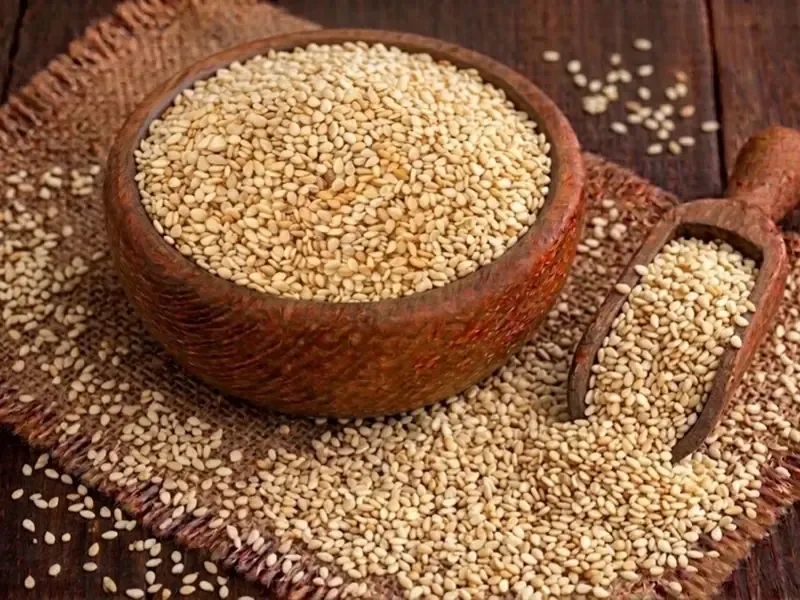
The best sesame seeds for oil are natural (unhulled) white or black seeds with high oil content, typically 48% or more for white sesame, bought in machine-cleaned crushing grades such as 95/5 or 98/2. Oil-grade sesame is chosen for oil yield and low free fatty acids, while food-grade sesame is chosen for purity, colour and appearance. Food-grade seed can be crushed, but it costs more without giving more oil. This guide compares oil-grade and food-grade sesame and sets out the specifications that matter.
Key takeaways
- Oil-grade sesame is bought on oil content, moisture and free fatty acids, not on colour or appearance.
- Common crushing grades are 95/5 and 98/2 machine-cleaned natural sesame. Food grades start at 99/1 and go up to 99.98%.
- Natural white sesame usually carries 48–52% oil, and black sesame about 45–48%.
- Seed for cold-pressed oil needs the same care on cleanliness and food safety as food-grade seed.
Oil-Grade vs Food-Grade Sesame: What Is the Short Answer?
Oil-grade sesame is cleaned to a lower purity and priced lower, because its job is to give oil in a crusher. Food-grade sesame is cleaned to a higher purity, often by sortex, because it is eaten as a visible seed on buns, in tahini, halva and snacks.
Both come from the same crop. The difference lies in cleaning, grading and the specification buyers care about. An oil miller wants the most oil per tonne at the lowest price. A bakery wants white, clean, even seed with no off-colour specks. The best sesame seeds for oil are therefore the cheapest clean seeds that meet your oil, moisture and food safety targets. In practice, most oil mills buy natural white sesame, while some specialist producers buy black sesame for its darker oil.
What Makes Good Sesame Seeds for Oil Crushing?
Sesame is suitable for crushing when it has high oil content, low moisture, low free fatty acids and little foreign matter. Colour matters less, so brown, mixed or black seeds can be used where the final oil colour allows.
- Oil content: the main value driver. Gujarat natural white sesame typically carries 48–52% oil.
- Moisture: dry seed presses better and stores better. Export natural sesame is shipped at 6% max.
- Free fatty acid (FFA): high FFA in the seed means more refining loss and a sharper taste in cold-pressed oil.
- Foreign matter: sand, stones and stalks wear presses, lower yield and add nothing to the oil.
- Mature, sound seed: immature and damaged seeds contain less oil and can raise FFA.
Sesame oil is made in two main ways. Cold-pressed or traditional oil, such as Indian til oil or gingelly oil, is pressed at low temperature and sold unrefined, so seed quality shows directly in its taste. Refined oil is extracted and then refined to remove colour, odour and free fatty acids. Toasted sesame oil, popular in East Asian cooking, is pressed from roasted seed for a dark colour and strong flavour.
Remember that oil content is not the same as oil yield. A mechanical press leaves part of the oil in the press cake, while solvent extraction recovers more. The press cake, or sesame meal, is a protein-rich by-product sold for animal feed, so its quality also adds value. Seed with high foreign matter lowers both the oil yield and the value of the cake.
What Defines Food-Grade Sesame?
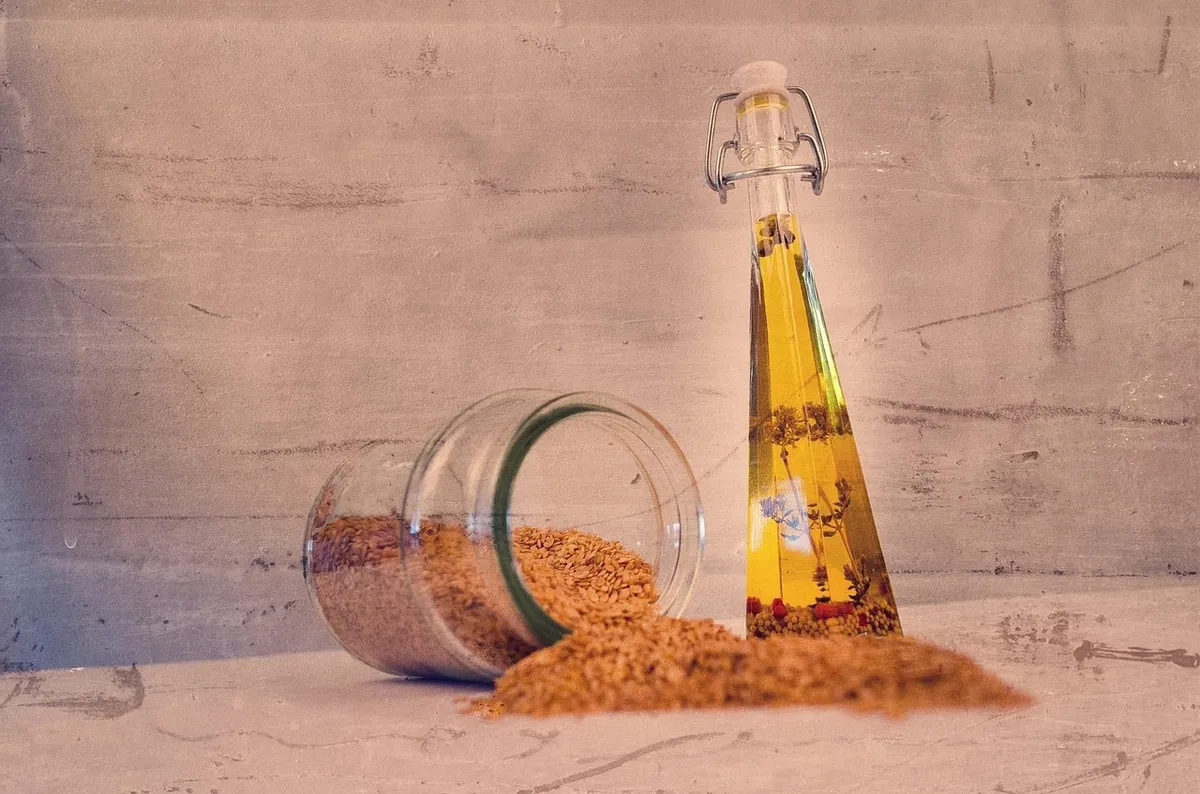
Food-grade sesame is defined by high purity, even colour and strict food safety limits. It is sold in grades from 99/1 to 99.98%, where the figure shows the share of clean, correct-colour seeds by weight.
- Natural sesame: 99/1 machine-cleaned for bakery and traders, and 99.90–99.95% sortex for food processors.
- Hulled sesame: 99.95%, 99.97% and 99.98% for tahini, halva, buns and premium bakery.
- Black sesame: 99.95% sortex for Japan, Korea and EU food buyers.
Food-grade lots must also meet the strict limits of each destination, because the seed reaches the consumer directly. Indian sesame for the EU, for example, travels with an official certificate covering Salmonella and pesticide results. Food buyers also look at seed size, colour uniformity and taste, and often ask for limits on black seeds per 100 g in hulled sesame. Our guide to sesame purity grades explains each grade in detail.
How Do Oil-Grade and Food-Grade Sesame Compare?
The table compares the two on the points that matter to buyers.
| Factor | Oil grade (crushing) | Food grade |
|---|---|---|
| Typical grades | 95/5, 98/2 natural; 99/1 black | 99/1 to 99.95% natural; 99.95–99.98% hulled |
| Cleaning | Machine-cleaned and destoned | Machine-cleaned, then sortex (double sortex for top grades) |
| Main buying factor | Oil content and price | Purity, colour and appearance |
| Oil content | 48% min for white; 45–48% for black | 48% min for white |
| Other-colour seeds | 2–5% allowed | 1% (99/1) down to 0.02% (99.98) |
| Price | Lower | Higher, rising with each grade |
| Typical buyers | Oil mills, cold-press units, refiners | Bakeries, tahini and halva makers, snack and confectionery makers |
Typical Indian sesame specifications. Your contract specification applies.
Which Oil Content, Purity and Foreign Matter Specifications Apply?
A sesame contract for crushing should state oil content, moisture, FFA, admixture and food safety limits. These are the typical figures for Gujarat sesame:
- Oil content: 48% minimum for natural white sesame, typically 48–52%, tested by ISO 659. Black sesame typically carries 45–48%.
- Moisture: 6% maximum for natural sesame.
- FFA: 2% maximum for machine-cleaned natural sesame and 1.5% maximum for sortex grades, tested by ISO 660.
- Purity: 95/5 or 98/2 for crushing, with foreign matter limits agreed in the contract.
- Food safety: aflatoxin, pesticide residues and, for the EU, ethylene oxide and Salmonella results, as with any sesame entering the food chain.
Many crushing contracts also include an oil-content clause, with a price adjustment if the delivered oil content is above or below the agreed base. Agree the test method and the laboratory in advance, and state whether oil content is measured on an as-is or a dry-matter basis, because the two give different figures. Our lab testing page lists the methods we use.
How Do You Choose the Right Grade for Your Application?
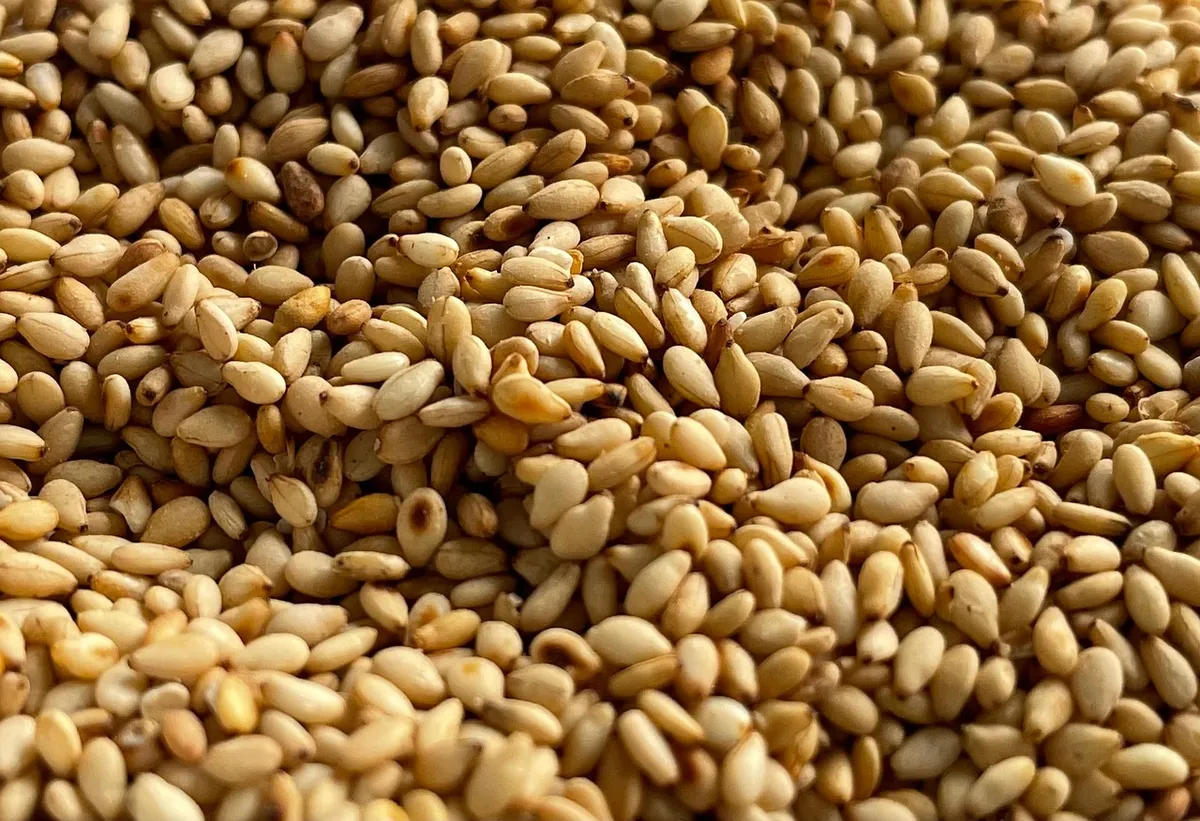
Match the grade to what the end customer will see and taste. If the seed disappears into oil, pay for oil, not for appearance.
- Refined sesame oil: 95/5 or 98/2 natural sesame gives the best value, because refining removes colour and odour.
- Cold-pressed or virgin oil: choose cleaner seed, such as 98/2 or 99/1, with low FFA and a recent crop, because the oil is not refined.
- Black sesame oil: 99/1 machine-cleaned black sesame is a common crushing grade.
- Toasted sesame oil: choose clean, uniform seed so it roasts evenly and does not burn.
- Tahini and paste: this is a food use, so choose hulled 99.95% or above, not oil grade.
Food-grade seed can always be crushed, but the extra cleaning adds cost without adding oil. Oil-grade seed should not be sold for direct eating, because its higher admixture and off-colour seeds will not meet food buyers’ specifications. Timing also matters. Gujarat has two sesame crops a year: the kharif crop arrives in October and November, and the summer crop from April to June. Buying soon after harvest gives fresh seed with low FFA, which suits cold-pressed oil best. For crushing grades, 50 kg PP bags or jumbo bags keep packing cost down, while food grades are more often packed in 25 kg bags. Store crushing seed dry and cool, because rancid seed gives poor oil; see our guide on whether sesame seeds go bad.
How Do You Source Sesame Seeds from India in Bulk?
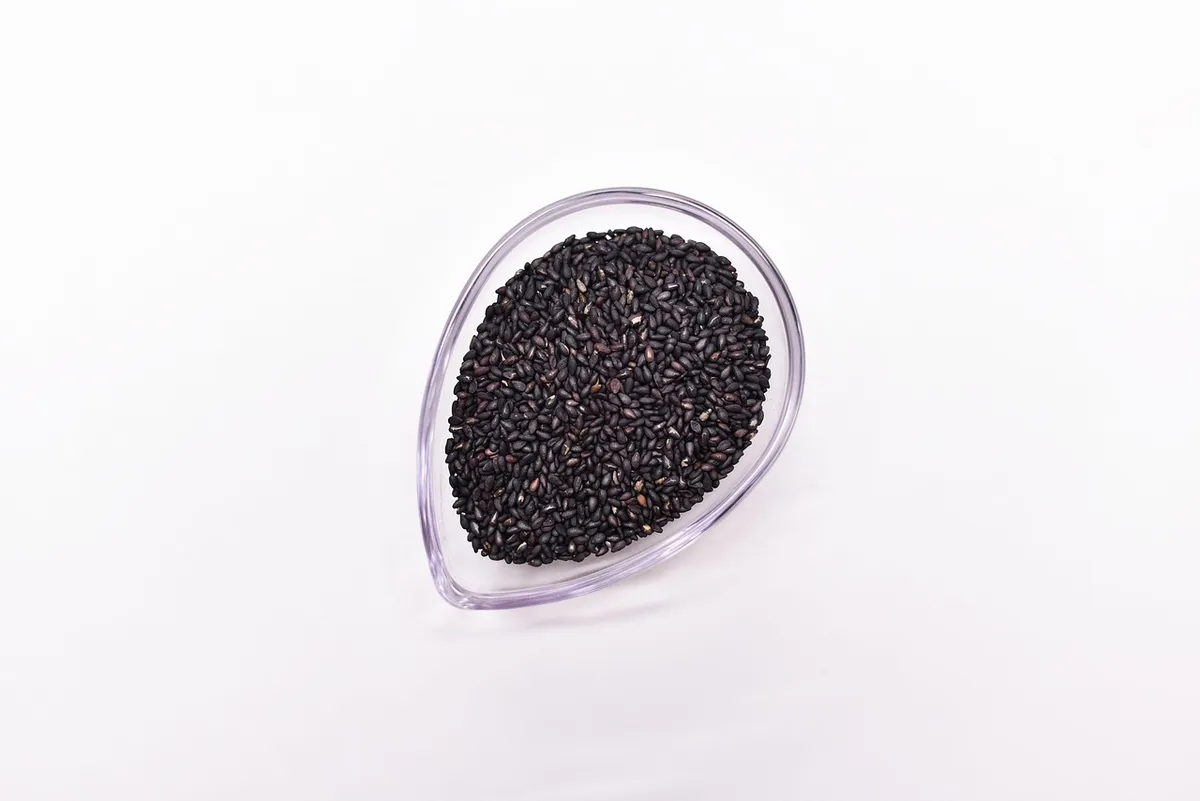
Elysium Agri Corporation exports natural sesame seeds from Jamnagar, Gujarat, in 95/5 and 98/2 crushing grades as well as 99/1 to 99.95% food grades. We also supply black sesame in 99/1 machine-cleaned and 99.95% sortex grades, and hulled sesame for tahini. Every lot is tested at an NABL-accredited lab, and we state the crop year on every contract.
A 20 ft container holds about 19 MT of bagged sesame and a 40 ft about 25–27 MT. Use our landed cost calculator to compare grades on a delivered basis. Tell us your oil content target, grade, quantity and destination port, and we will quote sesame seeds for oil or food use. Request a sesame quote →
Frequently asked questions
Which sesame seeds are best for oil extraction?
Natural unhulled sesame with high oil content, low moisture and low free fatty acids is best. Gujarat white sesame typically carries 48 to 52% oil. For refined oil, machine-cleaned crushing grades such as 95/5 or 98/2 give the best value. For cold-pressed oil, cleaner seed from a recent crop gives a better-tasting oil.
What is the difference between oil-grade and food-grade sesame?
Oil-grade sesame is machine-cleaned to a lower purity, such as 95/5 or 98/2, and bought mainly on oil content and price. Food-grade sesame is cleaned to 99/1 or higher, often by sortex, and bought on purity, colour and appearance for bakery, tahini and snacks. Both come from the same crop and must meet food safety limits.
What oil content do crushing-grade sesame seeds have?
Natural white sesame from Gujarat typically contains 48 to 52% oil, and contracts usually state 48% minimum, tested by ISO 659. Black sesame typically contains about 45 to 48% oil. Many crushing contracts include a price adjustment if the delivered oil content is above or below the agreed base level.
Can food-grade sesame seeds be used for oil crushing?
Yes. Food-grade sesame crushes just as well and often gives clean, good-tasting oil. However, the extra sortex cleaning raises the price without adding oil, so it is usually poor value for refined oil. Some cold-pressed oil makers choose a clean food grade such as 99/1 to protect the flavour of unrefined oil.
What purity levels are required for hulled and confectionery sesame?
Hulled sesame is usually sold at 99.95%, 99.97% or 99.98% purity, with limits such as five black seeds per 100 g. Confectionery makers using natural sesame for chikki, bars and brittles usually buy 99/1 machine-cleaned or 99.90 to 99.95% sortex grades, depending on how visible the seed is in the product.
Related reads


