
On this page
- What Are HPS Peanuts?
- How Does Hand Picking and Selection Work?
- How Do HPS and Machine-Sorted Peanuts Compare?
- Which Grades, Counts and Sizes Are Available?
- Which Quality Parameters Should Buyers Check?
- What Are the Best Uses for HPS Peanuts?
- How Do You Source HPS Peanuts from India?
- Frequently asked questions
HPS peanuts are “hand picked selected” groundnut kernels: shelled peanuts that are machine-graded by size and then picked over by hand to remove damaged, shrivelled, off-colour and foreign kernels. HPS is the standard export grade for edible Indian peanuts and sits between cheaper machine-cleaned kernels and premium sortex (optically colour-sorted) kernels. This guide explains how hand picking works, how HPS compares with machine-sorted grades, which counts are available and which quality parameters buyers should check.
Key takeaways
- HPS stands for hand picked selected. It describes how the kernels are cleaned, not the peanut variety.
- HPS applies to both Bold and Java peanuts, in many counts.
- Sortex-cleaned kernels have the lowest admixture and are preferred for the EU and premium snacks.
- Always specify count, moisture, admixture, damaged kernels and the aflatoxin limit for your market.
What Are HPS Peanuts?
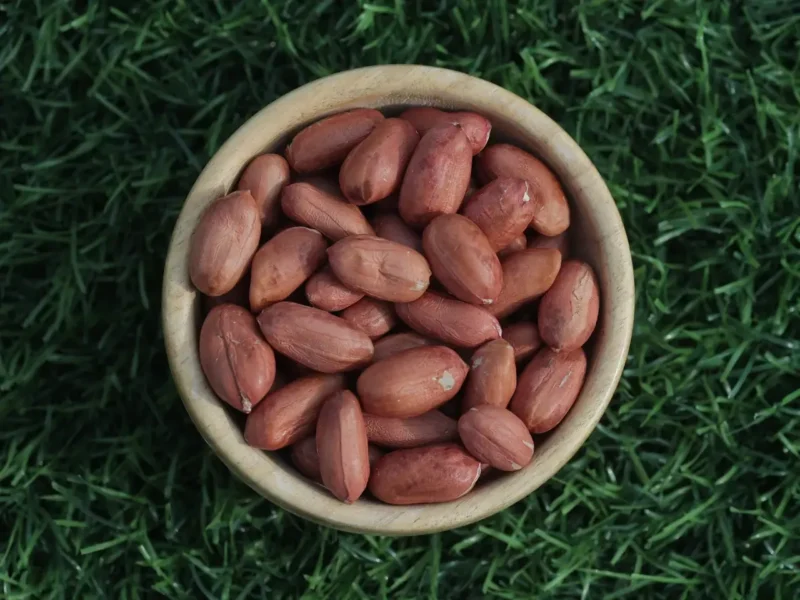
HPS peanuts are raw, shelled groundnut kernels that have been hand picked and selected after mechanical grading. The term is so common in Indian trade that India’s export tariff describes shelled groundnut kernels as “HPS” under ITC-HS code 1202 42 10. In practice, “HPS groundnut” and “HPS peanuts” mean the same thing: edible-quality kernels cleaned by hand to an agreed standard.
HPS is a cleaning and grading standard, not a variety. Both Bold (Virginia-type) and Java (Spanish-type) kernels are sold as HPS. A full description therefore includes the type, the count and the grade, for example “Bold HPS 40/50” or “Java HPS 80/90”.
You may also see “HPS” in the names of some Gujarat groundnut varieties, such as GJG HPS-1 and GG HPS-2. These large-seeded varieties were released for Saurashtra with hand-picked-selection markets in mind. When a contract says HPS, however, it refers to the grade of the kernels, not to these varieties.
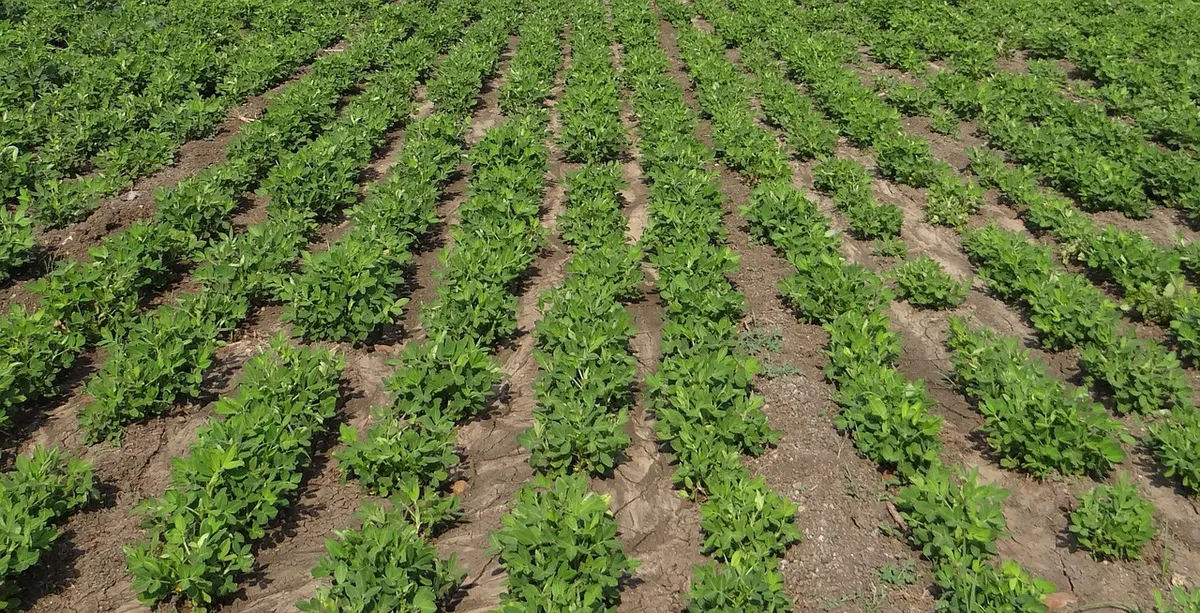
The same idea is also used for in-shell peanuts. HPS in-shell peanuts are pods that are selected by hand and graded by size, so that broken, empty, stained or misshapen pods are removed. For kernels, the HPS work is carried out at shelling and grading units, most of them in Saurashtra close to the growing areas. For export, these units must be registered with APEDA, and every lot is sampled and tested before it can ship. This system links each HPS lot to a registered unit and a lab report.
How Does Hand Picking and Selection Work?
Hand picking is the final cleaning step after shelling and mechanical grading. The usual sequence is:
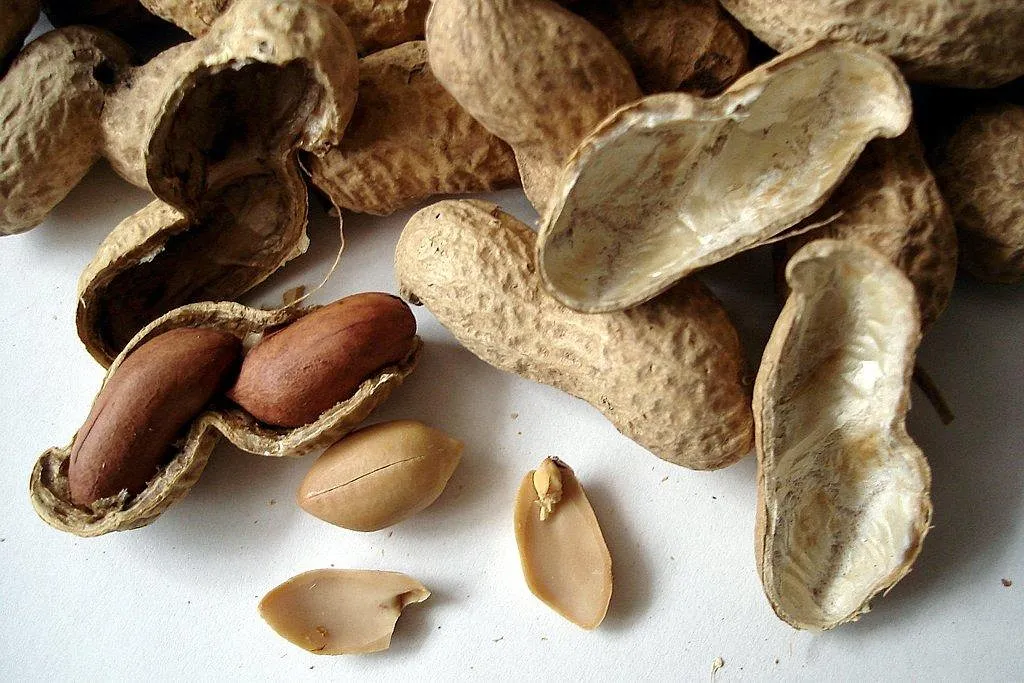
- Shelling: dried pods are cracked, and the shells are blown away.
- Cleaning: sieves and aspirators remove dust, stones and shell pieces.
- Size grading: vibrating screens separate the kernels into counts.
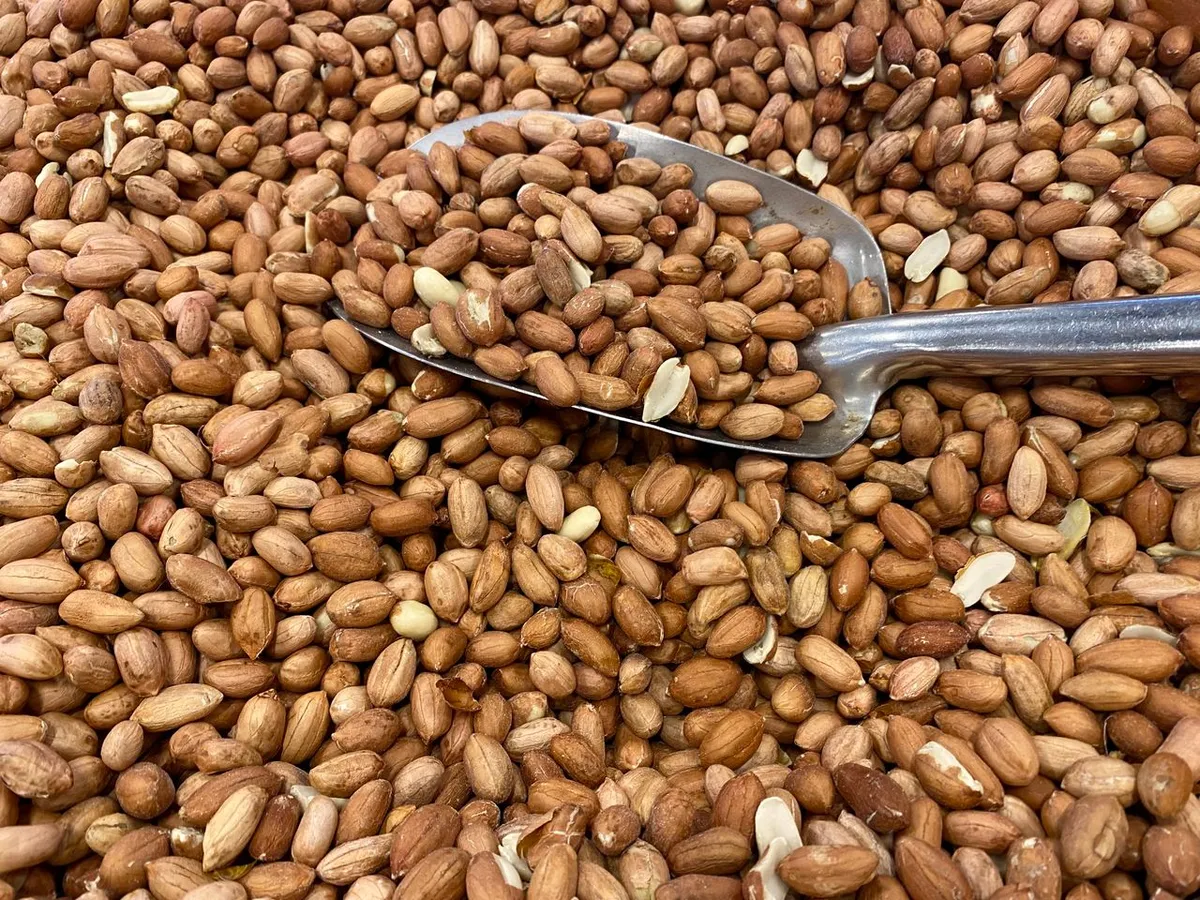
- Hand picking: kernels pass slowly on belts or tables, and trained workers remove damaged, shrivelled, broken, discoloured and mouldy kernels, other peanut types and foreign matter.
- Final check and packing: the lot is checked against the specification, sampled and bagged.
Hand picking matters for safety as well as appearance. Aflatoxin is concentrated in a small share of damaged and discoloured kernels, so removing them lowers the risk for the whole lot. Every lot must still be tested before export.
The quality of hand picking depends on the people and the set-up. Good units use bright, even lighting, slow belt speeds, regular breaks and supervisors who check samples from the picked kernels during each shift. The rejected kernels are not wasted: they are usually sold for oil crushing. Because hand picking takes time and labour, it adds cost, which is one reason HPS kernels are priced above machine-cleaned kernels.
How Do HPS and Machine-Sorted Peanuts Compare?
Indian peanut kernels are usually offered in three cleaning grades. The table compares them using our export grade descriptions.
| Grade | How it is cleaned | Admixture | Price level | Typical buyers |
|---|---|---|---|---|
| Machine-cleaned | Graded and cleaned by machine, no hand picking | Higher | Lowest | Oil millers and crushers |
| HPS (hand picked selected) | Machine graded by size, then hand-picked to remove defects | 1% max (Bold standard) | Medium | Snack makers, processors, wholesalers; the standard export grade |
| Sortex-cleaned | Graded, then colour-sorted by optical machine | Nil | Highest | EU buyers, premium snack and confectionery brands |
HPS vs machine-sorted peanut grades. Exact limits are set in your contract.
What is the difference between HPS peanuts and machine-sorted peanuts? HPS kernels are checked by people after mechanical grading. Sortex kernels are checked by optical colour sorters, which detect small colour differences very consistently and give the lowest admixture. Machine-cleaned kernels skip the selection step and suit crushing. Many lots now combine sortex and hand picking for the best result.
Which Grades, Counts and Sizes Are Available?
HPS peanuts are sold by count: the number of kernels in one ounce (28.35 g). A lower count means bigger kernels. For example, a 40/50 count means 40 to 50 kernels per ounce, which is about 141 to 176 kernels per 100 g. An 80/90 count is about 282 to 317 kernels per 100 g, so each kernel is roughly half the size.
- Bold HPS: large, long, oval kernels with a light red to dark red skin, from Virginia-type varieties. Common counts include 35/40, 38/42, 40/50 and 50/60.
- Java HPS: small, round kernels with a light pink skin, from Spanish-type varieties. Standard counts are 50/60, 60/70 and 80/90, with smaller counts on request.
- TJ: a medium type between Bold and Java, commonly 60/70 to 80/90.
Are HPS groundnuts the same as bold peanuts? No. “Bold” is the peanut type and kernel size, while “HPS” is the cleaning grade. Bold peanuts can be sold as HPS, sortex or machine-cleaned, and Java peanuts can be sold as HPS too. Read more on the Bold peanuts and Java peanuts pages.
Which Quality Parameters Should Buyers Check?
Write these parameters into the contract and check them on the Certificate of Analysis. Typical export limits for Bold HPS kernels are:
- Count: as agreed, for example 40/50, checked by hand count.
- Moisture: 7% maximum (8% on request). The Codex maximum for kernels is 9%.
- Admixture (other types): 1% maximum for HPS; nil for sortex.
- Foreign matter: 0.5% maximum.
- Damaged kernels: 1–2% maximum.
- Aflatoxin: to your market limit, for example EU 2 µg/kg B1 and 4 µg/kg total for direct consumption.
Ask for a pre-shipment sample from the lot that will ship, not a general sample of the grade. For the EU, Indian groundnuts are under special import controls; see our guide to EU import controls on Indian groundnuts. Our lab testing page lists the full test panel.
What Are the Best Uses for HPS Peanuts?
HPS kernels are an all-purpose edible grade. Common uses include:
- Roasted and salted snacks: mainly Bold HPS, where kernel size matters.
- Coated peanuts and confectionery: mainly Java HPS, for their round shape and sweeter taste.
- Peanut butter and paste: Java or Bold HPS, often blanched first.
- Further processing: raw material for blanched, split, roasted and diced peanuts.
- Wholesale and repacking: raw kernels for local markets.
If your product is sold in the EU or under a premium brand, consider sortex-cleaned kernels, or HPS kernels that are also colour-sorted, for the lowest risk.
Price is the other factor. HPS peanut prices are quoted per metric tonne, FOB an Indian port, and move with the crop, the count, the grade and the aflatoxin standard. Larger counts such as 40/50 usually cost more than smaller kernels such as 60/70, and lots tested to EU limits carry a premium. When you compare offers, make sure they are for the same type, count, grade, crop year and test limit.
Related reading: Groundnut Cholesterol: Do Peanuts Contain Cholesterol?.
How Do You Source HPS Peanuts from India?
Elysium Agri Corporation exports HPS and sortex-cleaned peanuts from Jamnagar, in Gujarat’s Saurashtra groundnut belt. We ship Bold, Java and TJ kernels in a wide range of counts, with lot-wise aflatoxin testing at APEDA-approved labs and APEDA certification for every lot. HPS kernels are packed in new 50 kg jute bags, PP bags with liners or vacuum bags in cartons. A 20 ft container holds about 19 MT in 50 kg jute bags, and a 40 ft high cube about 26–27 MT. Containers are inspected to be clean, dry and odour-free before loading. You can plan your load with our container load calculator.
Tell us whether you need HPS peanuts or sortex grade, along with the type, count, quantity and destination port. Request an HPS peanuts quote →
Frequently asked questions
What does HPS mean in peanuts?
HPS stands for hand picked selected. It describes shelled groundnut kernels that are machine-graded by size and then picked over by trained workers to remove damaged, shrivelled, discoloured and foreign kernels. It is the standard edible export grade for Indian peanuts, and India's export tariff describes shelled kernels as HPS under ITC-HS 1202 42 10.
What is the difference between HPS peanuts and machine-sorted peanuts?
HPS kernels are checked by hand after mechanical grading. Sortex kernels are checked by optical colour sorters, which give the most consistent result and the lowest admixture, so they suit EU and premium buyers. Machine-cleaned kernels skip the selection step altogether and are cheaper, so they mainly suit oil millers and crushers.
Are HPS groundnuts the same as bold peanuts?
No. Bold describes the peanut type and size: large, long, oval kernels from Virginia-type varieties. HPS describes the cleaning grade. Bold peanuts can be sold as HPS, sortex-cleaned or machine-cleaned, and Java peanuts are also sold as HPS. A full description combines both, such as Bold HPS 40/50.
How are HPS peanuts hand picked and graded?
After shelling, the kernels are cleaned by sieves and aspirators and graded by size into counts on vibrating screens. They then move slowly along belts or tables, where trained workers remove damaged, broken, shrivelled, discoloured or mouldy kernels, other peanut types and foreign matter. The lot is then checked, sampled, tested and packed.
What quality specifications should buyers check on HPS peanuts?
Check the count, moisture, admixture, foreign matter, damaged kernels and aflatoxin. Typical Bold HPS limits are 7% maximum moisture, 1% maximum admixture, 0.5% maximum foreign matter and 1 to 2% maximum damaged kernels. Aflatoxin should meet your market limit, such as the EU 2 and 4 µg/kg limits, on a lot-wise report.
Related reads


