

On this page
- What Is Fumigation of Export Cargo?
- Why Do Importing Countries Require Fumigation?
- How Does Methyl Bromide Fumigation Work?
- How Does Aluminium Phosphide Fumigation Work?
- How Do Methyl Bromide and Aluminium Phosphide Compare?
- What Are the Residue, Safety and Regulatory Considerations?
- Where Does the Fumigation Certificate Fit in Shipping Documents?
- How Do You Get Fumigated and Certified Cargo from India?
- Frequently asked questions
A fumigation certificate is a document issued by an approved fumigation agency confirming that export cargo, its packing or its container was treated with a fumigant, such as methyl bromide or aluminium phosphide, at a stated dose, temperature and exposure time. It is needed when the importing country or the buyer requires proof that the goods were treated against insects and pests. For agricultural commodities, it often travels with the phytosanitary certificate. This guide explains how the two main fumigants work, how they compare and where the certificate fits in your shipping documents.
Key takeaways
- Fumigation kills insects and their eggs in stored food, bags and wooden packing before shipment.
- Methyl bromide acts fast, usually within about 24 hours, but is an ozone-depleting substance allowed only under a quarantine and pre-shipment exemption.
- Aluminium phosphide releases phosphine gas; it needs several days of exposure but leaves the gas to escape before use.
- The certificate must show the fumigant, dose, exposure time, temperature, date and container or lot numbers.
What Is Fumigation of Export Cargo?
Fumigation is the treatment of goods with a toxic gas in a sealed space to kill insects, mites and other pests. For export cargo, the sealed space is usually a container, a stack of bags covered with gas-proof sheets, or a fumigation chamber. The gas reaches into bags and between kernels, where sprays cannot.
Stored food commodities, such as pulses, grains, spices, oilseeds and dried herbs, can carry insects like weevils, beetles and moths. These pests can multiply during a long sea voyage. Fumigation reduces that risk before the container leaves the origin.
Fumigation is different from food safety treatments. It controls live insects. It does not remove aflatoxin or pesticide residues, and it is not used to reduce bacteria such as Salmonella. Ethylene oxide, once used on some spices and seeds, is not allowed on food for the EU, and responsible exporters do not use it.
Why Do Importing Countries Require Fumigation?
Importing countries require fumigation to stop foreign pests from entering their farms and food stores. A single shipment with live insects can introduce a pest that harms local crops. National plant protection authorities therefore set rules for high-risk goods, and these rules often name an approved treatment.
- Commodity rules: some countries require fumigation for certain grains, pulses or seeds, and state the treatment on the import permit.
- Wood packing: pallets and crates made of solid wood must be treated under the international standard ISPM 15, by heat treatment, methyl bromide or another approved treatment, and marked with the IPPC stamp.
- Buyer requirements: many importers ask for fumigation even when the law does not, to protect their warehouses and customers.
If live insects are found on arrival, the importing authority can order treatment, re-export or destruction at the importer’s cost. A treatment done properly at origin, with a clear certificate, avoids most of these problems.
How Does Methyl Bromide Fumigation Work?
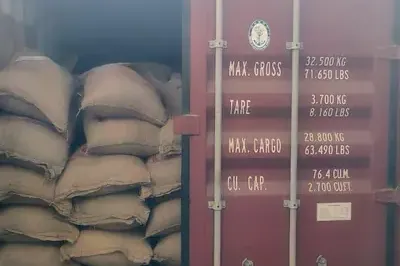
Methyl bromide is a colourless gas that spreads quickly through cargo and kills insects at all life stages. The fumigator seals the container or stack, releases a measured dose of gas, and checks the concentration at set times. Exposure is usually about 24 hours, depending on the temperature and the treatment schedule. The space is then ventilated until the gas falls to a safe level.
Is methyl bromide still allowed for export cargo? Yes, but only for limited uses. Methyl bromide depletes the ozone layer. Under the Montreal Protocol, it was phased out for most uses in 2005 in developed countries and in 2015 in developing countries. A separate quarantine and pre-shipment (QPS) exemption still allows its use where an importing country officially requires it, or for treatments to prevent the spread of pests. In India, methyl bromide fumigation for export must be done by agencies accredited by the Plant Protection, Quarantine and Storage directorate.
How Does Aluminium Phosphide Fumigation Work?
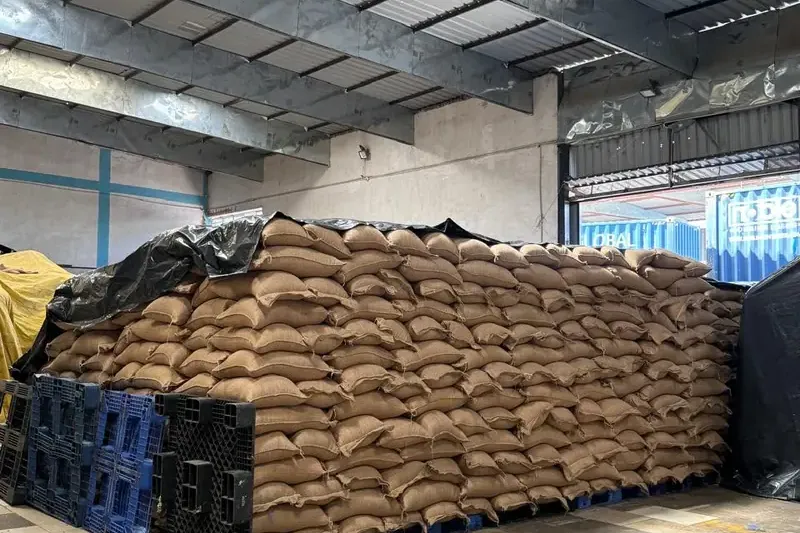
Aluminium phosphide is supplied as tablets, pellets or sachets. When exposed to moisture in the air, it releases phosphine gas, which kills insects. The fumigator places a measured amount in the stack or container and seals it. Phosphine acts more slowly than methyl bromide, so exposure usually lasts several days, and longer in cool weather.
After exposure, the space is opened and aired. The spent powder is removed, and the gas is allowed to disperse until levels are safe. Phosphine is widely used for stored grains, pulses and oilseeds, because it leaves little residue when properly ventilated. Some insect populations have developed resistance to phosphine, which is why the correct dose and full exposure time are important.
How Do Methyl Bromide and Aluminium Phosphide Compare?
The table compares the two main fumigants used for export cargo from India.
| Factor | Methyl bromide | Aluminium phosphide (phosphine) |
|---|---|---|
| Form | Compressed gas | Tablets or pellets that release phosphine gas |
| Typical exposure | About 24 hours | Several days, longer in cool weather |
| Speed of action | Fast | Slow |
| Main uses | Quarantine treatments, wood packing (ISPM 15), some commodity rules | Stored grains, pulses, oilseeds, spices |
| Regulatory status | Ozone-depleting; allowed under the QPS exemption | Widely permitted; residue limits apply in food |
| Residue concern | Bromide residues; some markets restrict use on food | Low if well aired; residue limits apply |
| Insect resistance | Rare | Known in some pest populations |
| Certificate | Issued by an accredited methyl bromide agency | Issued by the fumigation agency |
Methyl bromide and aluminium phosphide compared for export cargo.
Which fumigant do importing countries prefer for food commodities? It depends on the country and the commodity. Many food buyers prefer phosphine, or non-chemical options such as heat treatment, because of the ozone and residue concerns around methyl bromide. Some quarantine rules, however, still name methyl bromide. Always follow the import permit or the buyer’s written instruction.
What Are the Residue, Safety and Regulatory Considerations?
- Residues: food markets set maximum residue limits for fumigants. Proper airing keeps residues low. Your Certificate of Analysis can include fumigant residues if your market requires it.
- Worker safety: both gases are highly toxic. Only trained, licensed fumigators should handle them, and treated areas must be marked and guarded.
- Shipping rules: under the IMDG Code, a container under fumigation is treated as dangerous goods (UN 3359) and must carry a fumigation warning sign. Most shipping lines require the container to be ventilated and declared before loading.
- On arrival: warehouse staff should not open a fumigated container straight away. Doors should be opened, the container ventilated and the air tested before anyone enters.
How long must cargo stay sealed after fumigation? It must stay sealed for the full exposure time on the certificate, about 24 hours for methyl bromide or several days for phosphine. After that, it must be aired until gas levels are safe before the cargo is handled.
Where Does the Fumigation Certificate Fit in Shipping Documents?
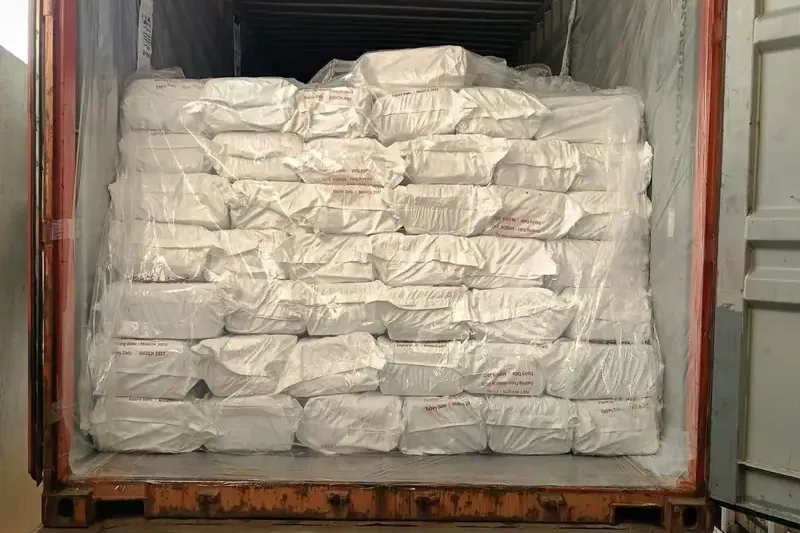
The fumigation certificate is one of the supporting documents in an export set. In India, the fumigation is usually done before the Plant Quarantine inspection, so the treatment details can appear on the phytosanitary certificate as well. A complete fumigation certificate shows:
- Name, address and accreditation number of the fumigation agency.
- Exporter, consignee, commodity, quantity and packing.
- Container numbers and seal numbers, or lot marks.
- Fumigant, dose rate, exposure time and temperature.
- Date and place of treatment, and whether the cargo was covered or in a container.
- Signature of the authorised fumigator.
Check that the container numbers, quantities and dates match your invoice, packing list and bill of lading. Our export documentation checklist lists every document in the set, and our guide to the certificate of analysis explains how to read the lab report.
Related reading: Phytosanitary Certificate: What It Is and How It Is Issued.
How Do You Get Fumigated and Certified Cargo from India?
Tell your exporter early whether you need a fumigation certificate, which fumigant your market accepts and whether the treatment must appear on the phytosanitary certificate. Elysium Agri Corporation arranges fumigation as required by your buyer or destination, using approved agencies, and issues the fumigation certificate with the rest of the export set. We never use ethylene oxide.
Before loading, we check that every container is clean, dry and odour-free, fit kraft liners and desiccants where needed, and record seal numbers. See our quality process for the six checks before a container is sealed, our certificates page for the documents with every shipment and our packaging options.
Tell us your product, destination and any treatment your import permit names. Request a certified-cargo quote →
Frequently asked questions
What is a fumigation certificate and when is it needed?
A fumigation certificate is issued by an approved fumigation agency to confirm that cargo, packing or a container was treated with a stated fumigant, dose, temperature and exposure time. It is needed when the importing country's rules, the import permit or the buyer require proof that the goods were treated against insects and pests before shipment.
Is methyl bromide still allowed for export cargo?
Yes, but only for limited uses. Methyl bromide depletes the ozone layer and was phased out for most uses under the Montreal Protocol. A quarantine and pre-shipment exemption still allows it where an importing country officially requires it, or to stop pests spreading, including ISPM 15 treatment of wooden packing. Accredited agencies must apply it.
How does aluminium phosphide fumigation work?
Aluminium phosphide tablets or pellets react with moisture in the air to release phosphine gas, which kills insects at all stages. The fumigator places a measured dose in a sealed container or sheeted stack and leaves it for several days, longer in cool weather. The space is then aired and the spent powder removed.
How long must cargo stay sealed after fumigation?
Cargo must stay sealed for the full exposure time stated on the certificate, usually about 24 hours for methyl bromide and several days for phosphine. It must then be ventilated until gas levels are safe. At destination, doors should be opened and the air tested before anyone enters a fumigated container.
Which fumigant do importing countries prefer for food commodities?
It depends on the country, the commodity and the buyer. Many food buyers prefer phosphine or non-chemical treatments because of ozone and residue concerns with methyl bromide. Some quarantine rules still name methyl bromide for specific goods. Always follow the treatment stated on your import permit or in the buyer's written instructions.
Related reads


