
On this page
- What Does FOB Mean in Export?
- What Is the FOB Full Form and Where Does the Term Come From?
- Who Pays for What Under FOB?
- When Do Risk and Responsibility Transfer?
- How Does FOB Compare With CFR and CIF?
- What Are the Pros and Cons of FOB for Importers?
- How Do You Estimate Your Landed Cost on FOB Offers?
- How Can You Buy Agro Commodities from India on FOB Terms?
- Frequently asked questions
The full form of FOB in export is Free on Board. Under FOB, the exporter delivers the goods on board the ship named by the buyer at the agreed port of shipment, and from that moment the buyer pays the ocean freight and carries the risk. FOB is one of the eleven Incoterms 2020 rules published by the International Chamber of Commerce (ICC). This guide explains what FOB means, who pays for what, when risk passes, and how to turn an FOB price into a landed cost.
Key takeaways
- FOB stands for Free on Board and is written with the port of shipment, for example “FOB Mundra”.
- The seller pays for export clearance and loading. The buyer pays ocean freight, insurance and all import costs.
- Risk passes to the buyer when the goods are on board the vessel at the port of shipment.
- FOB is meant for sea and inland waterway transport. The ICC recommends FCA for container cargo, but FOB remains common in the agri trade.
What Does FOB Mean in Export?
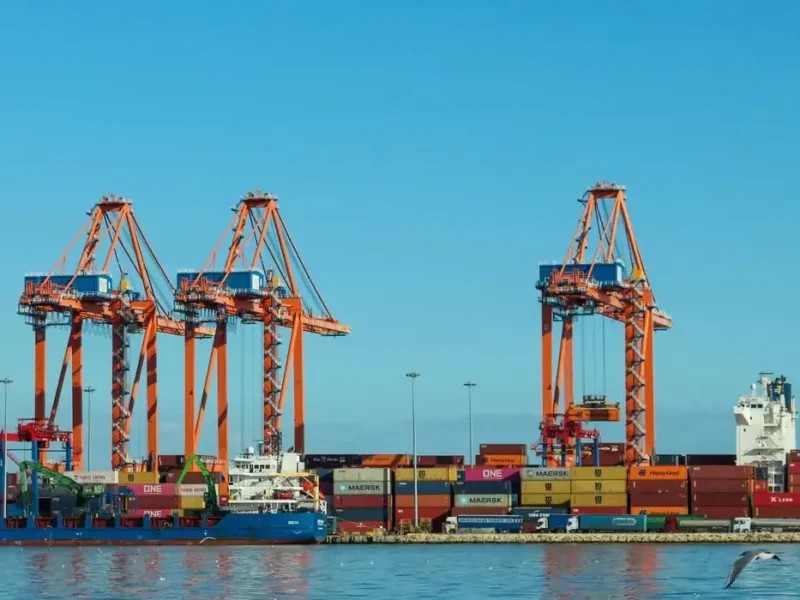
In export, FOB means the seller’s price covers the goods, export clearance and loading onto the ship at the named port. The buyer takes over from there. An FOB price is always quoted with a port, such as “US$ 1,300 per MT FOB Mundra”, because the port defines where the seller’s job ends.
FOB is popular with exporters because it keeps their responsibility inside their own country. It is popular with many importers because they can book their own freight, choose their own shipping line and often get better rates through a forwarder. When you compare offers from several suppliers, asking for FOB prices puts them on the same basis before freight.
What Is the FOB Full Form and Where Does the Term Come From?
The FOB full form in export is Free on Board. “Free” means the seller has done everything needed to make the goods available, and “on board” means they are loaded on the ship. The term comes from sea trade, where the seller’s duty traditionally ended when the cargo crossed the ship’s rail.
The ICC first published Incoterms in 1936 to give traders one set of definitions. Earlier versions used the ship’s rail as the dividing line. Since Incoterms 2010, delivery under FOB happens when the goods are placed on board the vessel. The current version is Incoterms 2020. Contracts should name the version, for example “FOB Mundra, Incoterms 2020”.
Note that in the USA, “FOB” is also used in domestic sales law with a different meaning, such as “FOB shipping point” or “FOB destination”. In international trade contracts, always refer to Incoterms to avoid confusion.
Who Pays for What Under FOB?
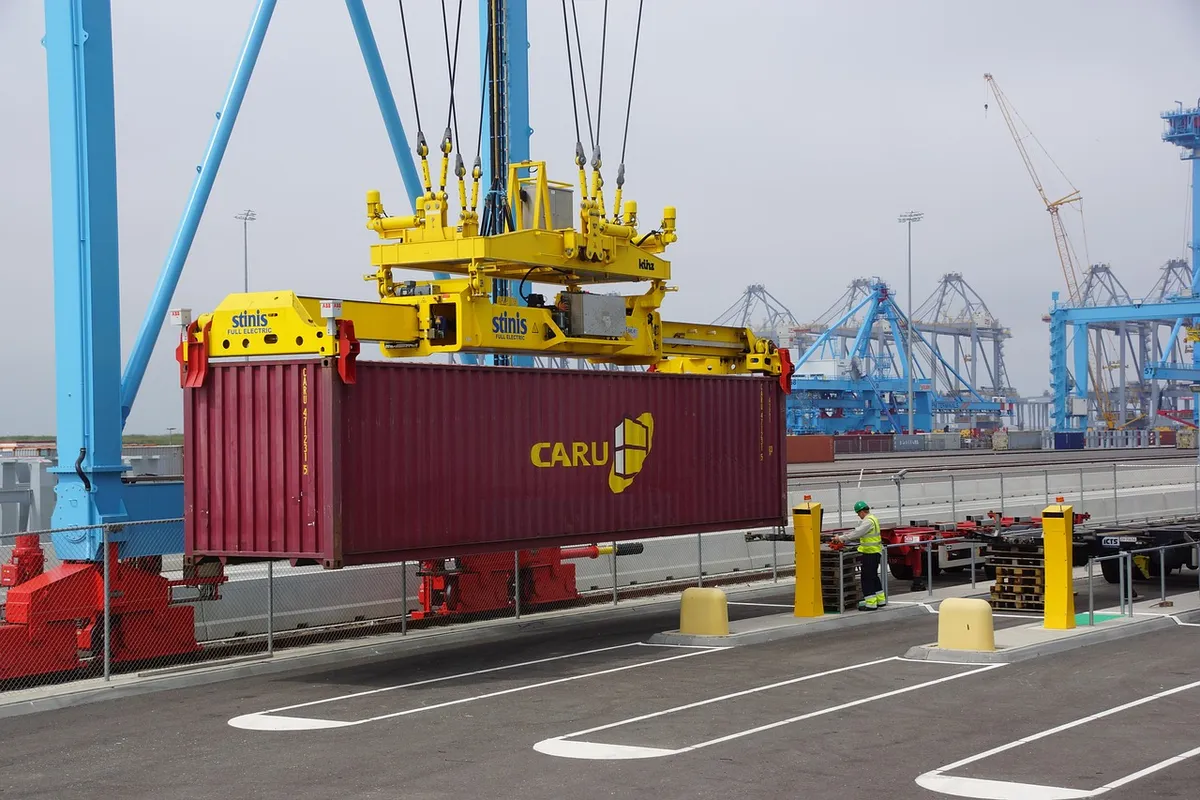
Under FOB, the seller pays all costs until the goods are on board, and the buyer pays everything after. The table shows the usual split for a container of agri goods shipped from India.
| Cost or task | Seller (exporter) | Buyer (importer) |
|---|---|---|
| Goods, cleaning, grading and packing | Yes | No |
| Inland transport to the port of shipment | Yes | No |
| Export clearance and export documents | Yes | No |
| Loading on board the vessel | Yes | No |
| Booking the vessel and ocean freight | No | Yes |
| Marine insurance | No | Yes (optional but advised) |
| Unloading and charges at the destination port | No | Yes |
| Import clearance, duty and VAT | No | Yes |
| Delivery to the buyer’s warehouse | No | Yes |
Typical FOB cost split under Incoterms 2020. Terminal handling charges at the port of loading should be confirmed in the contract.
For container cargo, check who pays the terminal handling charges at the loading port. Practice varies by shipping line and port, so state it clearly in the contract to avoid disputes.
When Do Risk and Responsibility Transfer?
Under FOB, risk passes from the seller to the buyer when the goods are on board the vessel at the port of shipment. Any loss or damage after that point, at sea or at the destination, is the buyer’s risk. This is why buyers on FOB terms should arrange marine insurance from the moment of loading.
- Before loading: the seller is responsible for the goods, including damage in the warehouse, in inland transport and at the port.
- On board: risk transfers to the buyer.
- After loading: the buyer bears the risk of loss, damage or delay, and claims against the insurer or carrier.
For containers, there is a practical gap. The seller usually hands the sealed container to the terminal days before it is loaded, but under FOB the seller still carries the risk until it is on board. This is the reason the ICC recommends FCA (Free Carrier) for container cargo, where risk passes when the container is handed to the carrier.
How Does FOB Compare With CFR and CIF?
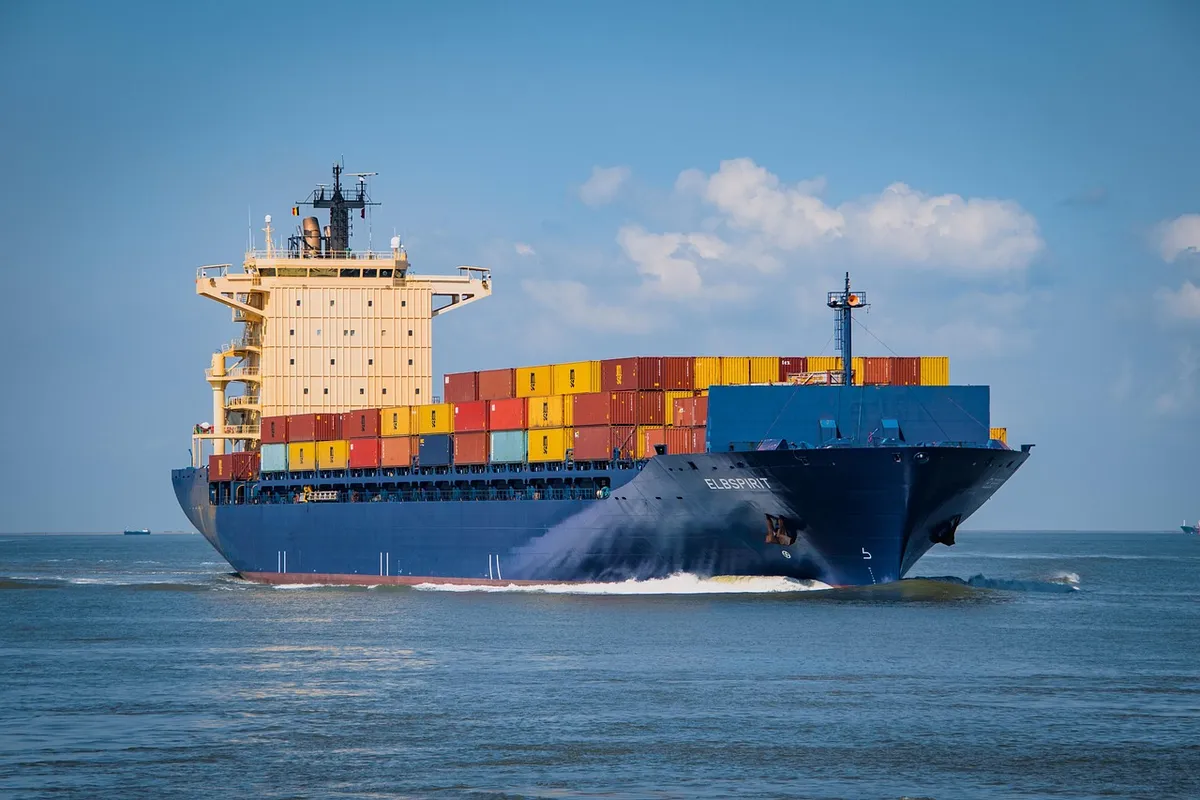
FOB, CFR and CIF differ in who pays for freight and insurance, but not in where the risk passes. In all three, risk passes when the goods are on board in the port of shipment.
- FOB (Free on Board): the buyer books and pays the ocean freight and insurance.
- CFR (Cost and Freight): the seller books and pays the ocean freight to the destination port. The buyer arranges insurance.
- CIF (Cost, Insurance and Freight): the seller pays freight and minimum marine insurance (Institute Cargo Clauses C). The buyer may want wider cover.
Our detailed guide on FOB vs CIF for agri imports from India explains the differences with a worked example.
What Are the Pros and Cons of FOB for Importers?
FOB gives importers more control and often lower freight costs, but it also means more work and more risk.
- Pro: control of freight. You choose the shipping line, routing and timing.
- Pro: freight rates. Importers with regular volumes or a good forwarder can often book cheaper freight than the seller.
- Pro: clear comparison. FOB prices let you compare suppliers before freight.
- Con: more coordination. You must book the vessel in time for the seller’s loading date.
- Con: risk at sea. You must insure the cargo yourself.
- Con: delays. If your nominated vessel is late, the seller may charge storage or demurrage.
FOB also affects documents and payment. Because you book the ship, your forwarder or shipping line issues the bill of lading, and the seller needs it to collect payment under a letter of credit or cash against documents. Agree early who will send the shipping instructions, which name appears as shipper, and how quickly the bill of lading will be released after loading.
How Do You Estimate Your Landed Cost on FOB Offers?
Add every cost from the port of shipment to your warehouse to the FOB price. The landed cost formula is:
Landed cost = FOB price + ocean freight + insurance + import duty + import VAT or GST + port and clearance charges + inland delivery + bank charges.
Remember that most countries charge import duty on the CIF value, so you must add freight and insurance to the FOB price before you calculate duty. The USA, Canada, Australia and New Zealand charge duty on the FOB value. Your duty rate depends on the product’s HS code; see our guide to the full form of HS code. Our landed cost calculator does the sums for you, and the container load calculator shows how many tonnes fit in each container, which sets your freight cost per tonne.
Related reading: Incoterms Types: All 11 Incoterms 2020 Rules Explained.
How Can You Buy Agro Commodities from India on FOB Terms?
Elysium Agri Corporation, based in Jamnagar, Gujarat, quotes FOB as well as CFR and CIF prices for peanuts, sesame, spices, pulses, grains, dehydrated vegetables and animal feed. Our cargo ships from Mundra, Kandla (Deendayal) or Pipavav, so you can choose the port that gives you the best freight rate. On FOB terms, we handle sourcing, cleaning, lot-wise lab testing, packing, export clearance, the phytosanitary certificate and certificate of origin, and loading on board your nominated vessel.
Now that you know the FOB full form in export and what it covers, tell us the product, grade, quantity and port of shipment you prefer, and we will send an FOB quote with the loading schedule. Request an FOB quote →
Frequently asked questions
What is the full form of FOB in export?
FOB stands for Free on Board. It is an Incoterms rule published by the International Chamber of Commerce. Under FOB, the exporter delivers the goods on board the vessel nominated by the buyer at the named port of shipment, such as FOB Mundra. The buyer then pays ocean freight, insurance and all import costs.
What does an exporter pay under FOB terms?
Under FOB, the exporter pays for the goods, packing, inland transport to the port of shipment, export customs clearance, export documents and loading on board the vessel. Responsibility for terminal handling charges at the loading port varies, so it should be stated in the contract. Everything after loading, including ocean freight, is paid by the buyer.
When does risk pass from seller to buyer under FOB?
Risk passes when the goods are on board the vessel at the named port of shipment. Before that, any loss or damage is the seller's risk. After loading, the buyer carries the risk at sea and at destination, so the buyer should arrange marine insurance. Older Incoterms versions used the ship's rail as the dividing line.
What is the difference between FOB and CIF?
Under FOB, the buyer books and pays the ocean freight and insurance. Under CIF, the seller pays the freight to the destination port and minimum marine insurance. In both cases, the risk passes to the buyer once the goods are on board at the port of shipment. CIF is simpler for the buyer, while FOB gives more control over freight.
Is FOB suitable for container shipments?
FOB is widely used for container shipments in the agri trade, but the ICC recommends FCA instead. With containers, the seller hands the sealed container to the terminal days before loading, yet under FOB still carries the risk until it is on board. FCA moves the risk to the buyer when the container is handed to the carrier.
Related reads


