
On this page
- What Are Incoterms?
- What Are the Incoterms Rules at a Glance?
- How Do the Sea Rules FOB, CFR and CIF Work?
- How Do the Rules for Any Mode of Transport Work?
- How Do Cost, Risk and Insurance Differ Under Each Term?
- Which Incoterm Suits Agro Commodity Buyers?
- What Are the Common Mistakes in Incoterm Selection?
- Which Incoterms Do Indian Exporters Commonly Offer?
- Frequently asked questions
There are 11 Incoterms types in the current Incoterms 2020 rules. Seven can be used for any mode of transport (EXW, FCA, CPT, CIP, DAP, DPU and DDP), and four are only for sea and inland waterway transport (FAS, FOB, CFR and CIF). Each rule sets out who pays for each cost, who arranges transport and insurance, and where the risk passes from seller to buyer. This guide explains every rule and shows which ones suit buyers of agricultural commodities.
Key takeaways
- Incoterms 2020 has 11 rules in two groups: seven for any transport mode and four for sea and inland waterway only.
- Under FOB, CFR and CIF, the risk passes to the buyer once the goods are on board the vessel at the port of loading.
- CIF requires only minimum insurance (Institute Cargo Clauses C), while CIP requires wider cover (Clauses A).
- Most Indian agro exporters quote FOB, CFR or CIF, and the right choice depends on how much control you want over freight.
What Are Incoterms?
Incoterms are standard trade terms published by the International Chamber of Commerce (ICC). Each term is a three-letter code that defines the duties of the seller and the buyer in delivering goods. A term answers three questions: where delivery takes place, who pays which costs, and when the risk of loss or damage passes to the buyer.
Incoterms do not cover everything. They do not set the price, the payment terms, the transfer of ownership or the remedies for breach of contract. Those belong in your sales contract. To use a rule correctly, name the rule, the place and the edition, for example “CIF Rotterdam, Incoterms 2020”. The ICC revises the rules about once every ten years. The current edition, Incoterms 2020, came into force on 1 January 2020.
What Are the Incoterms Rules at a Glance?
The table lists all 11 Incoterms types, the point where risk passes, and who pays the main freight. Use it as a quick reference when you compare quotes.
| Rule | Full name | Mode | Risk passes to buyer | Main freight paid by |
|---|---|---|---|---|
| EXW | Ex Works | Any | At the seller’s premises, goods not loaded | Buyer |
| FCA | Free Carrier | Any | When handed to the buyer’s carrier | Buyer |
| CPT | Carriage Paid To | Any | When handed to the first carrier | Seller |
| CIP | Carriage and Insurance Paid To | Any | When handed to the first carrier | Seller (plus insurance) |
| DAP | Delivered at Place | Any | At the named place, ready for unloading | Seller |
| DPU | Delivered at Place Unloaded | Any | At the named place, after unloading | Seller |
| DDP | Delivered Duty Paid | Any | At the named place, import cleared | Seller (plus duties) |
| FAS | Free Alongside Ship | Sea | Alongside the vessel at the loading port | Buyer |
| FOB | Free on Board | Sea | On board the vessel at the loading port | Buyer |
| CFR | Cost and Freight | Sea | On board the vessel at the loading port | Seller |
| CIF | Cost, Insurance and Freight | Sea | On board the vessel at the loading port | Seller (plus insurance) |
The 11 Incoterms 2020 rules. Always name the place and the edition in your contract.
How Do the Sea Rules FOB, CFR and CIF Work?
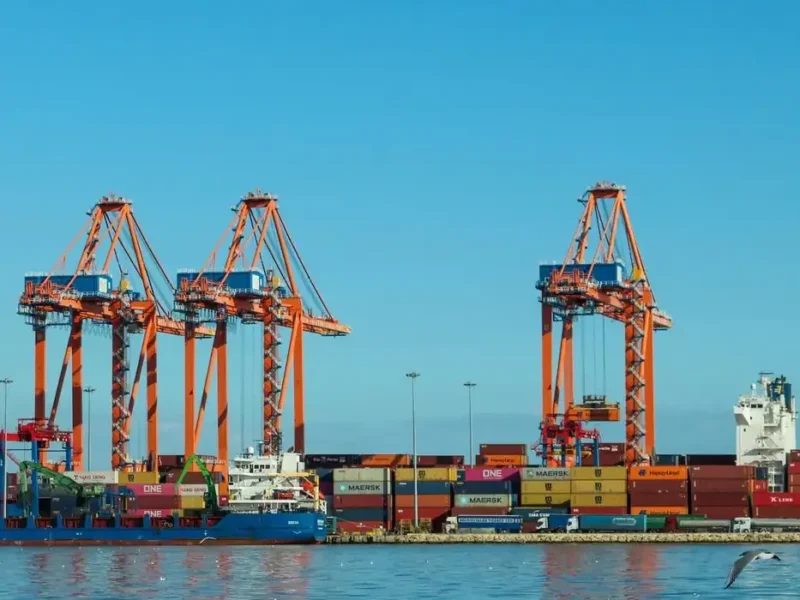
FOB, CFR and CIF all deliver the goods on board the vessel at the port of loading, and that is where the risk passes to you. The difference is who pays for the ocean freight and the insurance. A fourth sea rule, FAS, delivers the goods alongside the ship and is mainly used for bulk cargo.
- FOB (Free on Board): the seller clears the goods for export and loads them on the vessel you nominate. You book and pay the ocean freight and insurance.
- CFR (Cost and Freight): the seller also books and pays the ocean freight to your port. You arrange your own insurance.
- CIF (Cost, Insurance and Freight): the seller pays the freight and buys marine insurance for you, at minimum cover under Institute Cargo Clauses (C).
A common mistake is to think that under CFR or CIF the seller carries the risk until arrival. It does not. If the cargo is damaged at sea, you claim on the insurance, not against the seller. We explain this in more detail in our guide to FOB vs CIF for agri imports from India.
How Do the Rules for Any Mode of Transport Work?
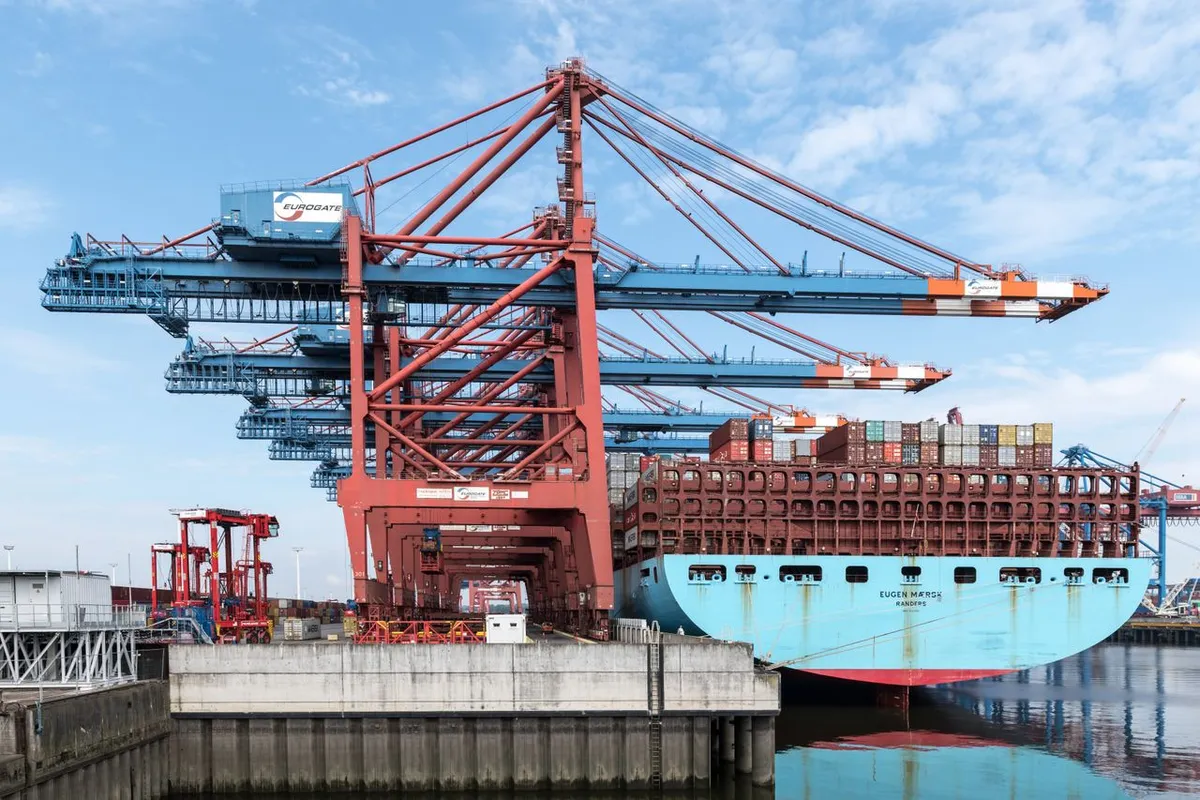
The seven rules for any mode of transport work for road, rail, air, sea or a mix of these. They are the better choice for containers, because a container is usually handed to the carrier at a depot or terminal, not loaded on board by the seller.
- EXW: the seller only makes the goods available at its premises. You load, clear export and transport. It puts the most work on the buyer.
- FCA: the seller clears export and hands the goods to your carrier at a named place. The ICC suggests FCA instead of FOB for container cargo.
- CPT and CIP: the seller pays carriage to the named destination, but risk passes when the goods reach the first carrier. CIP adds insurance at the higher Clauses (A) level.
- DAP: the seller delivers to your named place, ready for unloading. You clear import and pay duties.
- DPU: like DAP, but the seller also unloads the goods. It replaced the old DAT rule in 2020.
- DDP: the seller delivers to your door and pays import duties and taxes. It puts the most work on the seller.
How Do Cost, Risk and Insurance Differ Under Each Term?
Cost and risk do not always move together. Under the “C” terms (CFR, CIF, CPT and CIP), the seller pays freight to the destination, but the risk passes much earlier, at loading. Under the “D” terms (DAP, DPU and DDP), cost and risk both stay with the seller until the destination.
Insurance is only compulsory under CIF and CIP. Under every other rule, the party that carries the risk should decide whether to insure. If you buy FOB or CFR, take out your own cargo cover from the moment of loading. Customs value also depends on the term. Most countries charge import duty on the CIF value, while the USA, Canada, Australia and New Zealand use the FOB value. Our landed cost calculator shows how freight, insurance, duty and local charges add up for each term.
Which Incoterm Suits Agro Commodity Buyers?
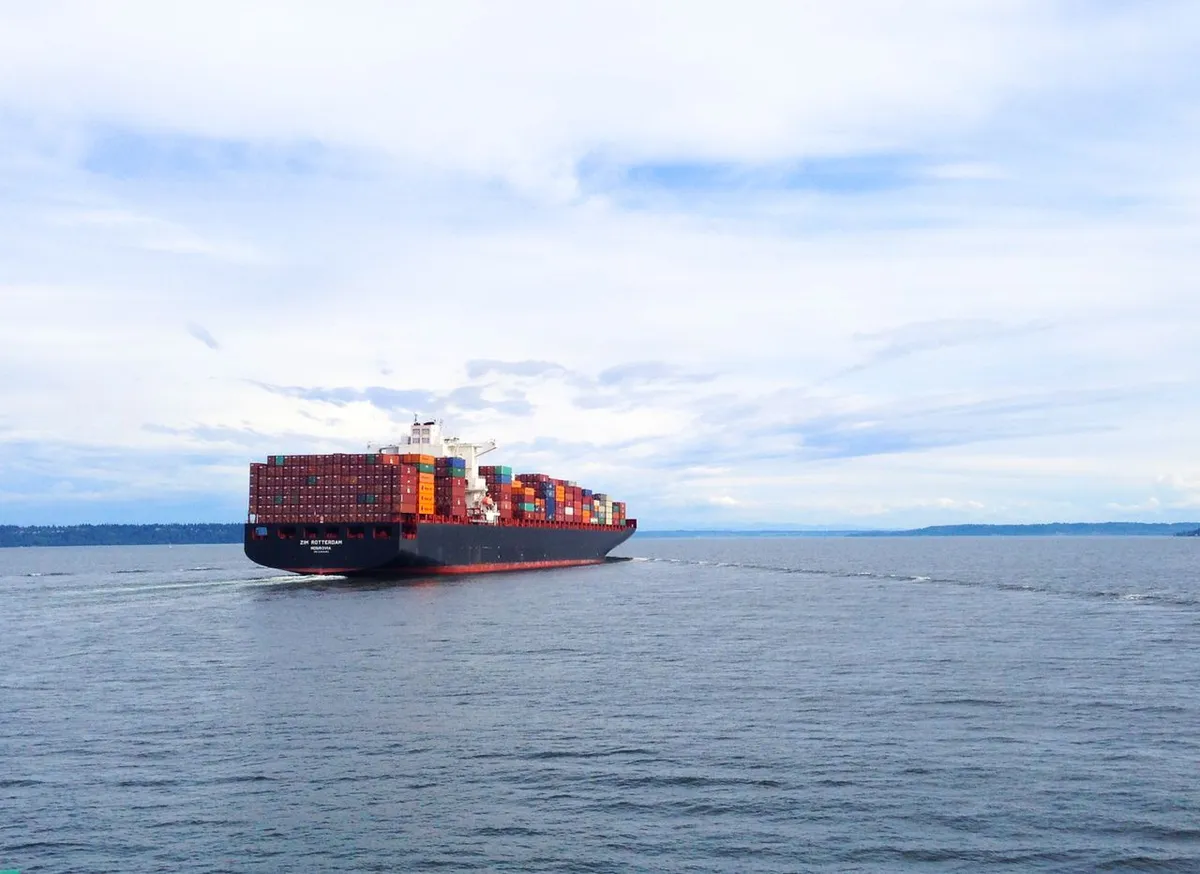
For most agro commodity buyers, FOB, CFR or CIF is the best fit, because the goods move in full containers by sea from a named Indian port. The choice depends on your size and your freight contracts.
- Choose FOB or FCA if you have a freight forwarder or annual rates with a shipping line. You control the vessel, the transit time and the cost. This gives the importer the most control.
- Choose CFR if you want the exporter to book the freight but prefer to use your own insurance policy.
- Choose CIF for small or first orders when you want one price to your port. Ask for higher cover if Clauses (C) is not enough for you.
- Consider DAP or DDP only if the seller has a reliable partner in your country. For bulk food imports, import clearance is often best kept by the buyer.
What Are the Common Mistakes in Incoterm Selection?
Most problems come from vague contracts and from using a term that does not match how the goods actually move. Watch for these mistakes:
- Writing “FOB” or “CIF” without a named port or the edition year.
- Assuming CIF means the seller carries the risk to your port.
- Relying on minimum CIF insurance for high-value cargo.
- Choosing EXW from India, where the buyer usually cannot handle Indian export clearance.
- Choosing DDP without checking who will pay import VAT and whether it can be reclaimed.
- Not agreeing who pays terminal handling charges at each end.
Related reading: FOB Full Form in Export: Meaning, Costs and Risk and Cash Against Documents vs LC vs TT: Export Payment Terms Compared.
Which Incoterms Do Indian Exporters Commonly Offer?
Indian agro exporters most often quote FOB, CFR and CIF, with the loading port named. Among all the Incoterms types, these three match the way commodities leave Gujarat in sealed containers. Some exporters offer FCA, DAP or DDP on request, usually for regular buyers.
Elysium Agri Corporation quotes FOB, CFR and CIF, and other terms on request. Our shipments leave from Mundra, Kandla (Deendayal) or Pipavav in Gujarat, and we choose the port with the best sailing to your destination. Use our container load calculator to plan your quantity and the HS code finder to check your tariff line. You can confirm our registrations on our verification page.
Tell us the product, quantity, destination port and the term you prefer, and we will send a matching price. Request an FOB, CFR or CIF quote →
Frequently asked questions
What are the 11 Incoterms and how do they differ?
The 11 Incoterms 2020 rules are EXW, FCA, CPT, CIP, DAP, DPU and DDP for any mode of transport, and FAS, FOB, CFR and CIF for sea and inland waterway. They differ in where delivery takes place, who pays freight, insurance and duties, and the point at which risk passes from seller to buyer.
Which Incoterms are used for sea freight of bulk commodities?
Bulk and containerised commodities usually move on FOB, CFR or CIF, with the loading port named. FAS is used for some break-bulk cargo delivered alongside the ship. For containers handed over at a terminal, the ICC suggests FCA, CPT or CIP, although FOB, CFR and CIF remain common in the agro trade.
What is the difference between FOB, CFR and CIF?
Under all three, risk passes to the buyer when the goods are on board at the loading port. Under FOB, the buyer books and pays the ocean freight. Under CFR, the seller pays freight to the destination port. Under CIF, the seller pays freight and also buys minimum marine insurance for the buyer.
Which Incoterm gives the importer the most control?
EXW gives the buyer control of the whole movement, but it is hard to use from India because the buyer must handle export clearance. In practice, FOB or FCA gives an importer the most useful control. You choose the shipping line, the vessel and the forwarder, and you can use your own freight rates and insurance.
Does DAP or DDP suit agro commodity buyers?
DAP or DDP can suit buyers who want a delivered price, but they shift import tasks to the seller. For food imports, the buyer usually handles border checks, import duty and VAT better locally. Most agro buyers prefer FOB, CFR or CIF, and use DAP or DDP only with trusted, regular suppliers.
Related reads


