

On this page
- What Does FOB Mean in an Export Quote?
- How Do Product and Packaging Costs Shape the Price?
- What Do Inland Transport and Port Handling Add?
- What Do Testing, Certification and Documentation Cost?
- How Do Exporter Margin and Financing Costs Work?
- FOB Cost Components at a Glance
- FOB vs CFR vs CIF: Where Do Costs Change Hands?
- Requesting an FOB Quote from Elysium
- Frequently asked questions
FOB price calculation adds up every cost the exporter pays until the goods are loaded on the ship: the product and its processing, export packing, inland transport, port and terminal handling, testing and certificates, export documentation and customs clearance, financing, and the exporter’s margin. Ocean freight, insurance and destination costs are not included. Knowing how an FOB price is built helps you compare quotes fairly and spot what a low price may leave out. This guide walks through each cost block and shows where CFR and CIF add to it.
Key takeaways
- FOB = product + packing + inland transport + port handling + testing and documents + finance + margin.
- The product cost is the largest part and moves with the crop and market every day.
- Packing, container load and testing can change the FOB price per tonne more than buyers expect.
- CFR adds ocean freight; CIF adds freight and minimum marine insurance. Risk passes on board in all three.
What Does FOB Mean in an Export Quote?
FOB (Free on Board) means the price of the goods loaded on board the vessel at the named port of shipment, for example “FOB Mundra”. It is one of the Incoterms® 2020 rules for sea and inland waterway transport, as listed by the US International Trade Administration. Under FOB, the exporter pays all costs and carries the risk until the goods are on board. The buyer pays the ocean freight, insurance and everything at the destination.
An FOB quote for agro commodities is usually given in US dollars per metric tonne. It should state the product, grade, packing, quantity, port, shipment period, payment terms and how long the price is valid. If any of these change, the FOB price changes too. For a comparison with Ex Works, see our guide to EXW vs FOB.
How Do Product and Packaging Costs Shape the Price?
The product cost is the biggest part of any FOB price. For agro commodities, it starts with the price of the raw crop in the Indian market, such as groundnuts in Rajkot or cumin in Unjha. To this, the exporter adds the cost of turning raw produce into an export-grade product:
- Processing: cleaning, grading, sortex (colour sorting), hulling, blanching, splitting or grinding, depending on the product.
- Processing loss: the weight removed as dust, stones, broken seeds or rejects. A 99.95% sortex grade loses more weight than a 99% machine-cleaned grade, which is one reason it costs more.
- Market costs: local fees and taxes on purchase, and local transport to the processing unit.
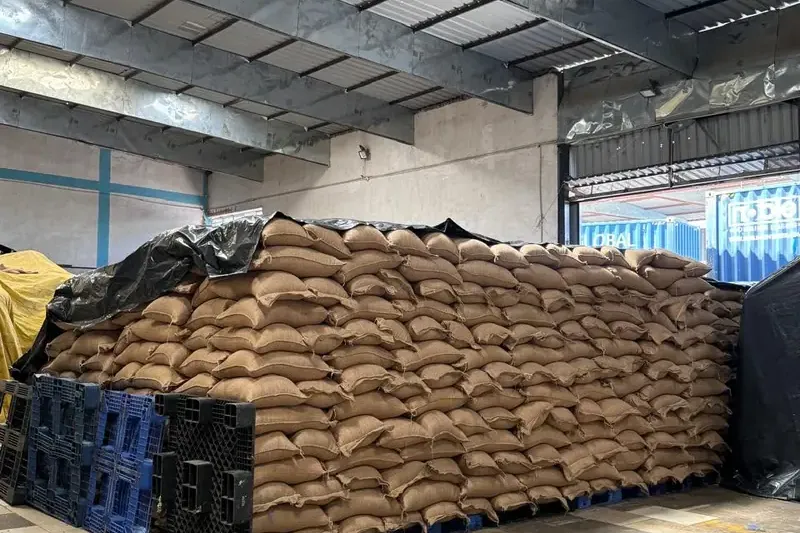
Packing comes next. Standard 25 kg or 50 kg PP bags are the lowest-cost option. Paper bags with PE liners, jute bags, vacuum packs, cartons and printed private label packs cost more. Some packs also reduce how many tonnes fit in a container, which raises the cost per tonne. Our packaging page shows the main options.
What Do Inland Transport and Port Handling Add?
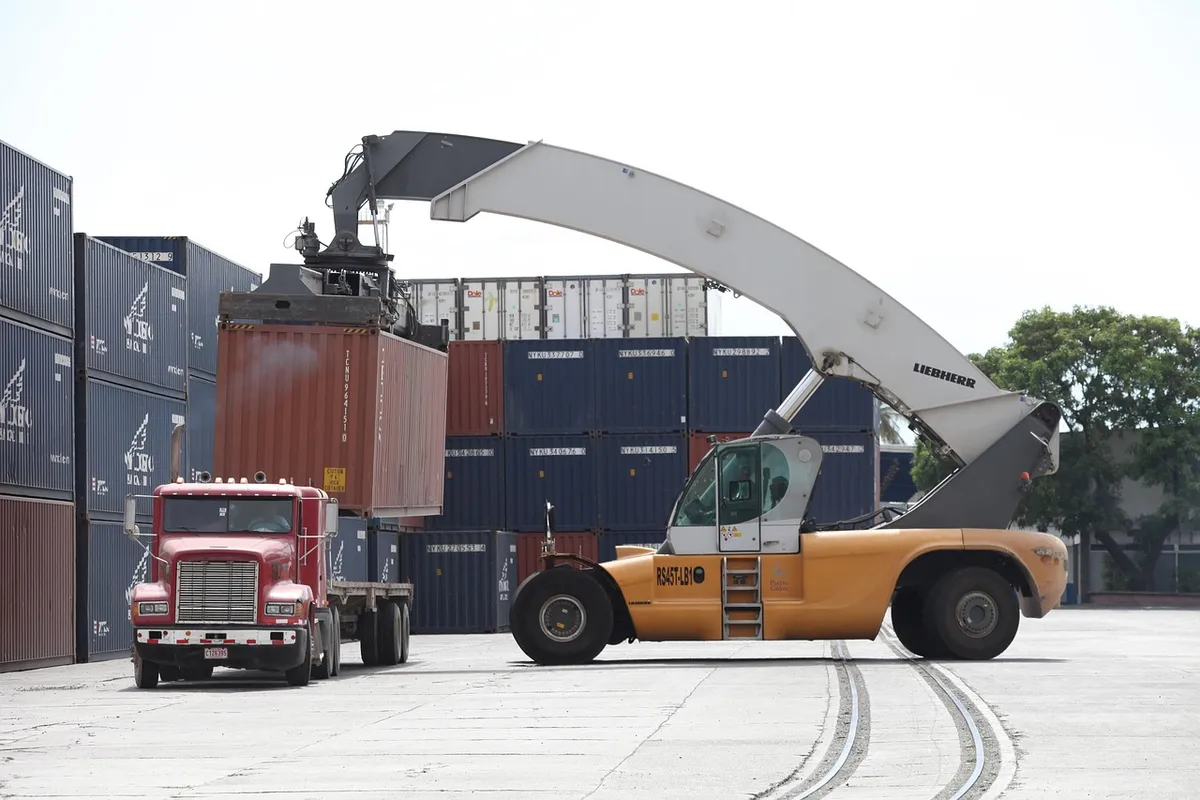
Inland transport and port handling are the costs of getting the goods from the warehouse onto the ship. They are usually charged per container, so the cost per tonne depends on how much fits in the box.
- Container stuffing: labour to load the bags into the container at the warehouse, plus liners, desiccants and lashing.
- Inland haulage: trucking the container from the warehouse to the port or container yard.
- Origin terminal and port charges: terminal handling and other charges at the export port, as agreed in the contract.
- Customs broker (CHA) fees: the agent’s fee for filing the shipping bill and handling clearance.
Container load has a large effect here. A 20 ft container holds about 19 MT of bagged sesame but only about 9–10 MT of coriander, because coriander is light and bulky. The same per-container costs are then spread over half the tonnage. Our container load calculator shows typical loads by product. Exports from Gujarat usually move through Mundra, Kandla (Deendayal) or Pipavav.
What Do Testing, Certification and Documentation Cost?
Testing and documents are a smaller share of the price, but they are essential, and they vary by product and market. Typical items include:
- Lab testing: a Certificate of Analysis from an accredited lab for aflatoxin, pesticide residues, ethylene oxide, Salmonella or other parameters in your specification.
- Official certificates: the phytosanitary certificate, the certificate of origin, and product-specific certificates such as Spices Board clearance or the EU health certificate for groundnuts.
- Fumigation: where the buyer or destination requires it, with a fumigation certificate.
- Inspection: an independent survey by SGS, Intertek or Bureau Veritas, if the contract says the seller pays for it.
- Courier: sending original documents to the buyer or the bank.
A stricter market usually means more tests and a higher FOB price. For example, EU-bound spices go through mandatory sampling and need an official ethylene oxide certificate. Read more on our lab testing and certificates pages.
How Do Exporter Margin and Financing Costs Work?
The exporter’s margin covers its overheads, its business risk and its profit. Overheads include staff, quality control, office costs and the cost of keeping buyer samples and records. Margins in commodity trade are usually thin, because buyers compare prices closely.
Financing cost depends on the payment terms. The exporter usually pays for the crop before it is paid by the buyer, so it needs working capital for the time between purchase and payment. Common terms for Indian agro exports are advance telegraphic transfer (TT), part advance with the balance against documents, cash against documents (CAD) and irrevocable letters of credit (LC) at sight. Bank fees for an LC or CAD collection add to the cost. Longer credit periods, or terms that delay payment, usually mean a higher FOB price.
Currency is also part of the picture. Indian exporters buy in rupees and sell in US dollars, so a quote is priced on the exchange rate of the day. This is one reason most FOB quotes for agro products are valid for only a short time.
FOB Cost Components at a Glance
The table summarises how to calculate FOB price for exports, and what moves each part.
| Cost block | What it includes | What moves it |
|---|---|---|
| Product | Raw crop purchase in the Indian market | Crop size, season, demand, exchange rate |
| Processing | Cleaning, sortex, hulling, grinding and weight loss | Grade and specification |
| Packing | Bags, liners, cartons, labels, printing | Pack type and private label |
| Inland transport and stuffing | Loading, liners, desiccants, trucking to port | Distance, container load |
| Port and clearance | Origin terminal charges, customs broker fees | Port, shipping line, contract terms |
| Testing and documents | Lab reports, phytosanitary, origin, fumigation, health certificates | Destination rules and buyer’s specification |
| Finance | Working capital, bank charges | Payment terms and credit period |
| Margin | Overheads, risk and profit | Order size, market competition |
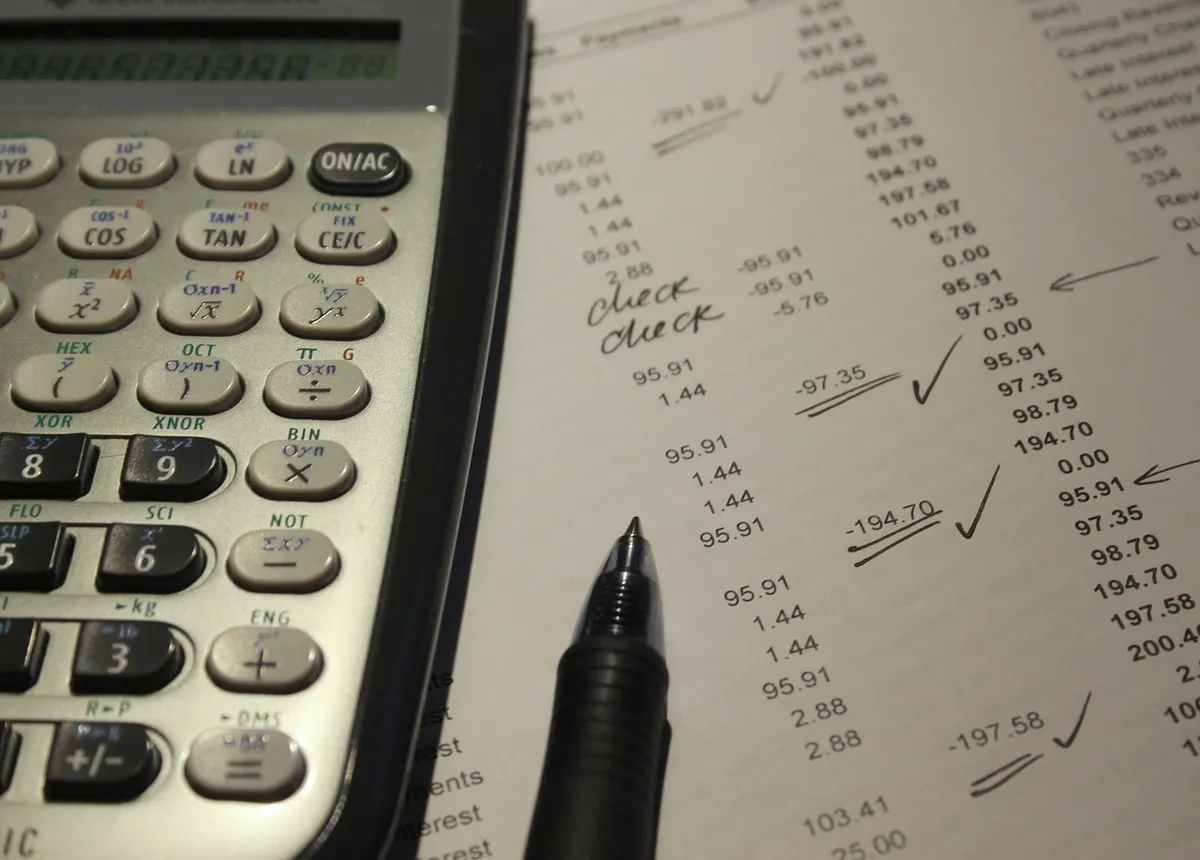
In simple terms: FOB price per MT = (all costs up to loading + margin) ÷ net tonnes loaded. When two quotes differ, check each block. A low quote may use a lower grade, cheaper packing, fewer tests or longer delivery than you expect.
FOB vs CFR vs CIF: Where Do Costs Change Hands?
FOB, CFR and CIF share the same delivery point: risk passes to the buyer once the goods are on board in India. The difference is who pays for the main carriage and insurance.
- FOB: the seller’s price ends at loading. You book and pay ocean freight and insurance.
- CFR (Cost and Freight): FOB plus ocean freight to your port, booked by the seller.
- CIF (Cost, Insurance and Freight): CFR plus minimum marine insurance (Institute Cargo Clauses C).
To compare offers on different terms, convert them all to a landed cost per tonne at your warehouse. Most countries, including the EU, the UK, the Gulf states and most of Asia, charge import duty on the CIF value. The USA, Canada, Australia and New Zealand charge it on the FOB value. Our landed cost calculator does this for you, and our guide to FOB vs CIF for agri imports explains the choice in more detail.
Related reading: Letter of Credit Process: A Step-by-Step Guide for Agri Importers.
Requesting an FOB Quote from Elysium
A clear request gets an accurate FOB price calculation. Tell us the product, grade or specification, quantity, packing, destination port, shipment period, any certificates you need and your preferred payment terms. With these details, we can quote a firm price instead of a rough estimate.
Elysium Agri Corporation, based in Jamnagar, Gujarat, quotes FOB, CFR and CIF under Incoterms® 2020, with other terms on request. We ship through Mundra, Kandla (Deendayal) and Pipavav, and each quote comes with a specification sheet and packing options. Prices move with the crop and the market, so we quote on the day. You can verify our registrations on the verify Elysium page.
Send us your requirements, and a partner will review your request the same working day. Request an FOB quote →
Frequently asked questions
What does an FOB price include in an export quote?
An FOB price includes the product, processing and grading, export packing, container stuffing, inland transport to the port, origin port and terminal charges, export customs clearance, testing and export certificates, financing costs and the exporter's margin. It ends when the goods are loaded on board at the named port. Ocean freight, insurance and destination costs are excluded.
How do you calculate FOB price for exports?
Add every cost up to loading on the vessel: product and processing, packing, stuffing and inland haulage, port and customs broker charges, testing and documents, finance and bank charges, and margin. Divide the total by the net tonnes loaded to get the FOB price per metric tonne. Check the container load, because per-container costs spread over the tonnage.
What is the difference between FOB, CFR and CIF?
Under FOB, the seller's price ends with the goods loaded on board, and the buyer pays ocean freight and insurance. CFR adds ocean freight to the destination port, booked by the seller. CIF adds freight and minimum marine insurance. Under all three, risk passes to the buyer once the goods are on board at the port of shipment.
Which costs are added before goods are loaded on board?
Before loading, the exporter pays for processing and packing, container stuffing with liners and desiccants, trucking to the port, origin terminal handling as agreed, customs broker fees for the shipping bill, lab testing, phytosanitary and origin certificates, fumigation where required, and any seller-paid inspection. All of these are built into the FOB price.
How does packing affect an FOB quote?
Packing affects both the material cost and the load per container. Standard PP bags are the cheapest. Paper bags with liners, vacuum packs, cartons and printed private label packs cost more, and some reduce the tonnes that fit in a container. Fewer tonnes spread the per-container costs more thinly, which raises the FOB price per tonne.
Related reads


