
On this page
The difference in EXW vs FOB is where the seller’s job ends. Under Ex Works (EXW), the seller only makes the goods available at its own premises and the buyer handles everything else, including loading and export clearance; under Free on Board (FOB), the seller clears the goods for export and delivers them on board the ship at the named port, where risk passes to the buyer. For most overseas buyers of agro commodities from India, FOB is simpler and safer. This guide compares the two terms, who pays for what and which suits your business.
Key takeaways
- EXW puts the most work and risk on the buyer; FOB shares it at the ship’s rail.
- Under EXW the buyer must arrange Indian export clearance, which is hard for a foreign company.
- Under FOB the seller pays inland transport, port handling and export clearance, and the buyer pays ocean freight.
- Both terms let you choose your own shipping line and forwarder.
EXW vs FOB: The Short Answer
EXW is the minimum obligation for the seller. FOB adds the export steps that happen inside the seller’s country. Both are Incoterms® 2020 rules published by the International Chamber of Commerce (ICC). As the US International Trade Administration notes, EXW can be used for any mode of transport, while FOB is one of the four rules for sea and inland waterway transport only.
In simple terms, an EXW price is the price at the factory gate. An FOB price is the price with the goods loaded on the vessel in the export port. The FOB price is higher, but it includes costs that you would otherwise pay separately, often at a higher rate because you are arranging them from abroad.
What Does Ex Works (EXW) Mean?
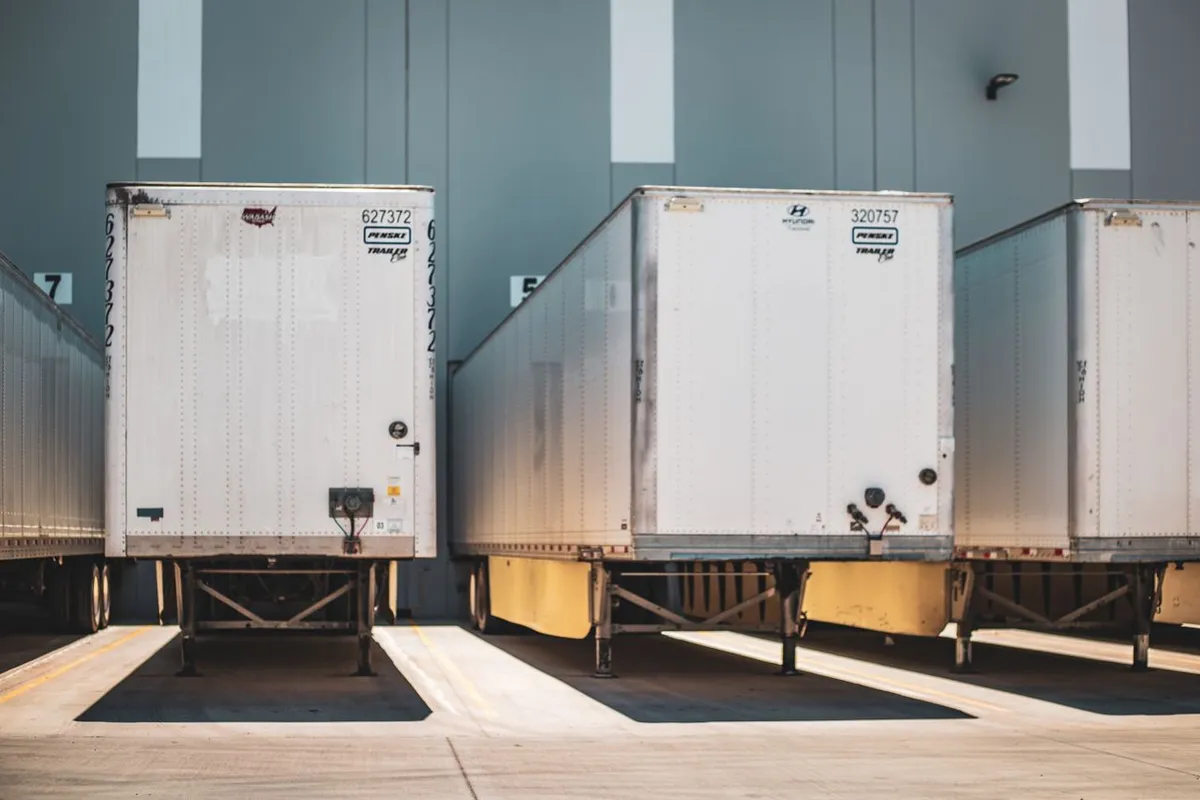
Ex Works means the seller delivers when it places the goods at the buyer’s disposal at the seller’s premises or another named place, such as a warehouse. The goods are not loaded onto any vehicle, and they are not cleared for export.
From that moment, the buyer bears all costs and risks. The buyer must arrange loading at the warehouse, inland transport to the port, export customs clearance, port handling, ocean freight, insurance and import clearance. In practice, many sellers help with loading, but under EXW they do so at the buyer’s risk unless the contract says otherwise.
What Does Free on Board (FOB) Mean?
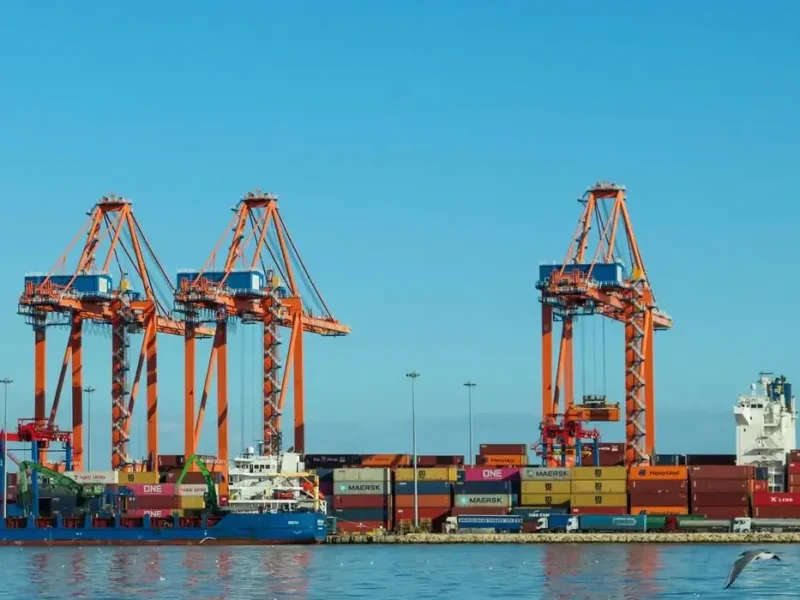
Free on Board means the seller delivers the goods on board the vessel nominated by the buyer at the named port of shipment. The seller pays for and arranges packing, loading at its warehouse, inland transport, export customs clearance and port handling. Once the goods are on board, the buyer takes over the cost and risk.
The buyer books and pays the ocean freight, arranges marine insurance if required and handles the destination costs. An FOB quote always names the port, for example “FOB Mundra”. For agro exports from Gujarat, the usual ports are Mundra, Kandla (Deendayal) and Pipavav on India’s west coast. For a step-by-step view of what sits inside the price, see our landed cost calculator, which starts from the FOB value and adds freight, insurance, duty and local costs.
Who Pays for What: EXW vs FOB
The table shows who pays for each step in a typical containerised export from India.
| Cost or task | EXW | FOB |
|---|---|---|
| Export packing | Seller | Seller |
| Loading at the seller’s warehouse | Buyer | Seller |
| Inland transport to the port | Buyer | Seller |
| Export customs clearance and documents | Buyer | Seller |
| Origin port and terminal handling | Buyer | Seller |
| Loading on board the vessel | Buyer | Seller |
| Ocean freight | Buyer | Buyer |
| Marine insurance | Buyer (optional) | Buyer (optional) |
| Destination port charges and import clearance | Buyer | Buyer |
| Import duty and taxes | Buyer | Buyer |
Terminal handling charges on containers are often split by practice between the shipping line, seller and buyer. Agree in the contract who pays origin terminal handling, so there is no dispute at loading.
How Do Risk Transfer and Export Clearance Differ?
Risk moves much earlier under EXW. Under EXW, risk passes when the goods are placed at the buyer’s disposal at the seller’s premises. Any damage during loading, trucking or port handling is the buyer’s risk. Under FOB, risk passes when the goods are on board the vessel at the port of shipment, so the seller carries the risk of the inland journey.
Export clearance is the other big difference. Under EXW, the buyer is responsible for export formalities. In India, the export declaration (shipping bill) is filed by or for an exporter with an Import Export Code (IEC), so a foreign buyer usually cannot clear the goods in its own name. It must rely on the seller or a local agent, which blurs the responsibilities that EXW is meant to define. Agro products may also need phytosanitary certificates, Spices Board clearance or other export certificates that the seller is best placed to obtain. Under FOB, all of this is the seller’s job.
There is also a tax point. Indian exports are zero-rated for GST, but the exporter needs proof that the goods actually left the country. Under EXW, the seller loses control of the shipment at its gate. Some sellers therefore charge GST on EXW sales, or ask for a deposit, until they receive proof of export. This can raise the real cost of an EXW deal.
Under FOB, the document flow is clear. Once the goods are loaded, you receive the commercial invoice, packing list and bill of lading, plus the Certificate of Analysis, phytosanitary certificate and certificate of origin for agro products. These documents let you clear the goods at destination and support any insurance claim.
Which Term Suits Which Buyer?
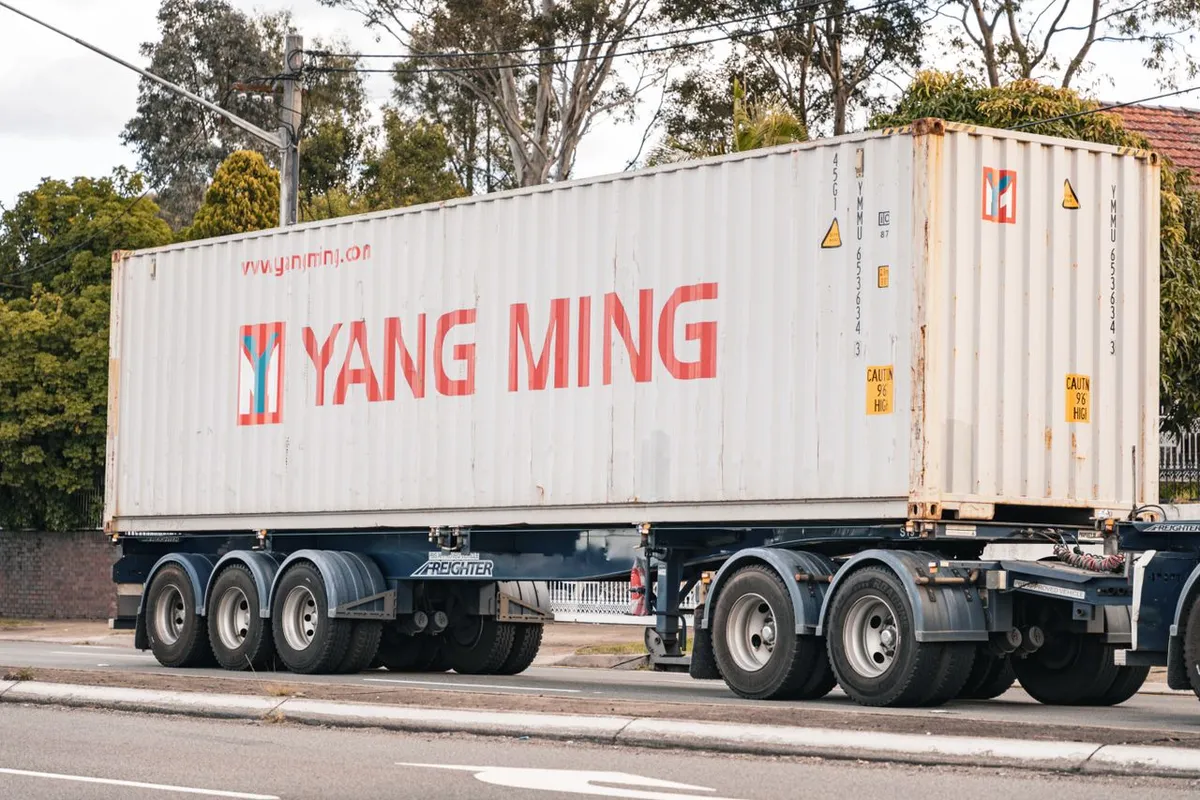
FOB suits most importers buying agro commodities from India. EXW suits only buyers with their own strong presence in the export country. Use this guide:
- First-time importers: choose FOB, or CFR or CIF if you want the seller to book freight. FOB keeps export paperwork with the party that knows it best.
- Buyers with a nominated forwarder: FOB lets your forwarder book the ocean freight and control the shipping schedule and rates.
- Large buyers with an Indian office or agent: EXW can work, because your local team can handle trucking and clearance. You may gain on price if you have better local rates.
- Buyers consolidating from several suppliers: EXW or FCA can help when goods are collected from many factories into one consolidation warehouse.
Many trade advisers also point out that for containerised cargo, Free Carrier (FCA) can fit better than both, because the container is often handed to the carrier at an inland depot or terminal before it is loaded on the ship. If you are unsure, compare the delivered cost of each option before you decide. Our guide to FOB vs CIF for agri imports explains the next step, when the seller also pays freight and insurance.
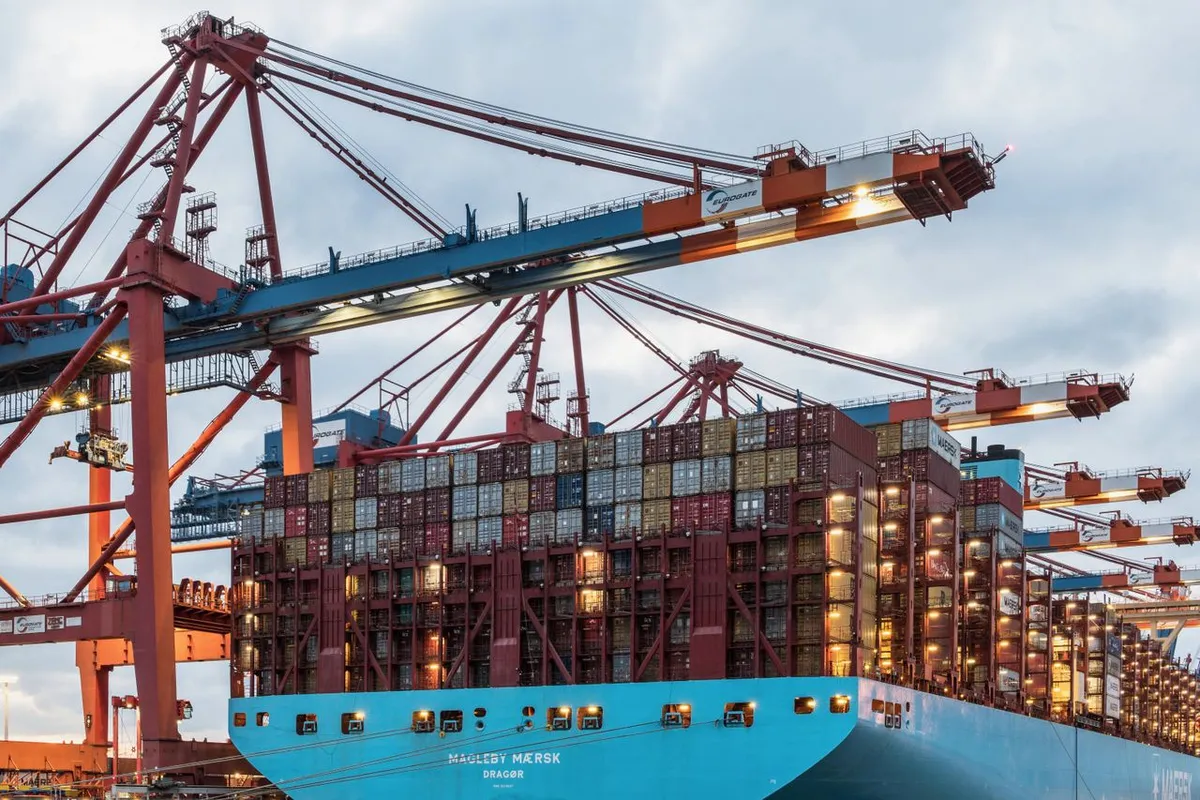
Related reading: Types of Bill of Lading: Bill of Lading Explained for Exporters and FOB Price Calculation: How an Export Quote Is Built.
Buying from India on FOB Terms
When you compare EXW vs FOB offers from Indian exporters, ask for both prices to be quoted for the same quantity, packing and quality. Then add your own cost of trucking, clearance and port handling to the EXW price. In most cases, FOB gives a lower total cost and far less risk for an overseas buyer. Also confirm the port, the shipment period, who pays origin terminal handling and the latest date for your vessel booking. Clear answers on these points prevent most disputes at loading. If you plan to book your own freight, share your forwarder’s contact early, so that container pick-up, stuffing and customs filing match the vessel’s cut-off time.
Elysium Agri Corporation, in Jamnagar, Gujarat, quotes on FOB, CFR and CIF terms, with other terms on request, under Incoterms® 2020. We ship through Mundra, Kandla (Deendayal) and Pipavav. We handle packing, container stuffing, export clearance and all export documents, including the certificates your market needs, and we share loading photos and seal numbers with you. You can check our registrations on the verify Elysium page and plan your load with the container load calculator.
Tell us the product, grade, quantity and port, and we will send an FOB price, with CFR or CIF if you prefer. Request an FOB quote →
Frequently asked questions
What is the difference between EXW and FOB?
Under EXW, the seller makes the goods available at its premises, and the buyer handles loading, inland transport, export clearance and everything after. Under FOB, the seller also loads the goods, moves them to the named port, clears them for export and places them on board. Risk passes to the buyer once the goods are on the vessel.
Who pays for export clearance under EXW?
Under EXW, the buyer is responsible for export clearance and its costs. This is difficult for a foreign buyer in India, because the shipping bill is filed by or for an exporter holding an Import Export Code. In practice the buyer depends on the seller or a local agent, so FOB or FCA is often a clearer choice.
Which is better for a first-time importer, EXW or FOB?
FOB is usually better for a first-time importer. The seller, who knows local trucking, port procedures and export documents, handles those steps and carries the risk until loading. You still choose your own shipping line or forwarder. EXW suits buyers that already have a trusted team or agent in the export country.
At what point does risk transfer under FOB?
Under FOB, risk transfers from the seller to the buyer when the goods are placed on board the vessel at the named port of shipment. Damage during trucking, port handling or before loading is the seller's risk. From that point on, the buyer carries the risk, so many buyers arrange marine insurance from the moment of loading.
Can I buy FOB from an Indian exporter and arrange my own freight?
Yes. That is how FOB works. The Indian exporter delivers the goods on board at the named port, such as FOB Mundra, and you or your forwarder book the ocean freight. Share your forwarder's details and vessel booking early, so the exporter can plan container pick-up, stuffing and the export documents in time.
Related reads


