
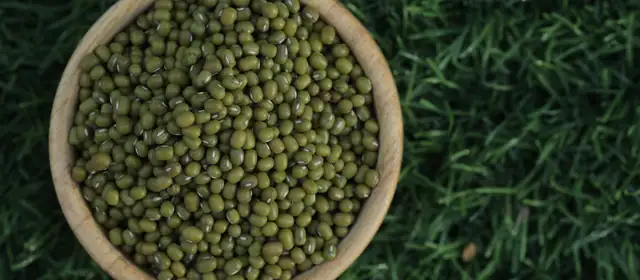
Indian Pulses, Spices and Sesame for Turkey, Prepared for MinAF Border Checks
Bulk lots for Mersin traders, packers and processors, with Turkish labels and test reports ready before loading.
Turkey buys Indian chickpeas, lentils, cumin, coriander, dehydrated onion, turmeric and peanuts for its packers, processors and re-exporters. Elysium Agri Corporation ships these from Gujarat, India, through Mundra, Kandla or Pipavav to Mersin, Istanbul Ambarli and other Turkish ports. Every lot is tested before loading.
As a Turkish buyer, you need cargo that passes Ministry of Agriculture and Forestry (MinAF) controls the first time. That means a Turkish label on the pack before inspection begins and documents that match your FSIS pre-notification. For corn and soy products it also means proof that no unapproved GE event is present. We prepare all three with you before loading.
At a Glance
- Main ports
- Mersin (main gateway for pulses, sesame and spices); Istanbul Ambarli; Izmir / Aliaga; Gemlik; Iskenderun
- Route and transit
- Suez route. Published schedules show about 12 days from Mundra to Mersin and about 15 to Ambarli, longer via the Cape. Confirmed with each quote.
- Food import authority
- Ministry of Agriculture and Forestry (MinAF), General Directorate of Food and Control
- Label language
- Turkish, on the pack before import controls begin (a sticker is accepted)
- Trade agreement with India
- None. Standard (MFN) rates apply under the annual Import Regime Decree
- Certificates buyers ask for
- Non-GMO statement for corn and soy products; ISO 22000, FSSC 22000 or BRCGS; halal as a buyer preference
- Business languages
- Turkish; English with larger importers
What Turkish Importers Buy from India
Pulses and seed spices are the two largest groups.
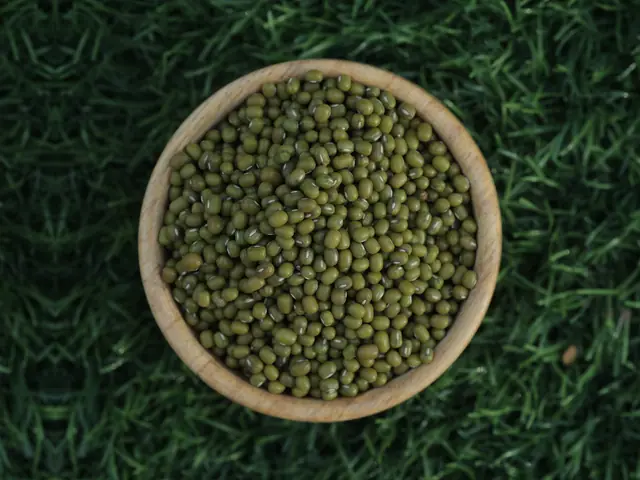
Chickpeas, Lentils and Pulses
Bought in bulk by Mersin traders for packing and onward sale. India shipped about US$22.7 million of dried pulses to Turkey in 2025.
View details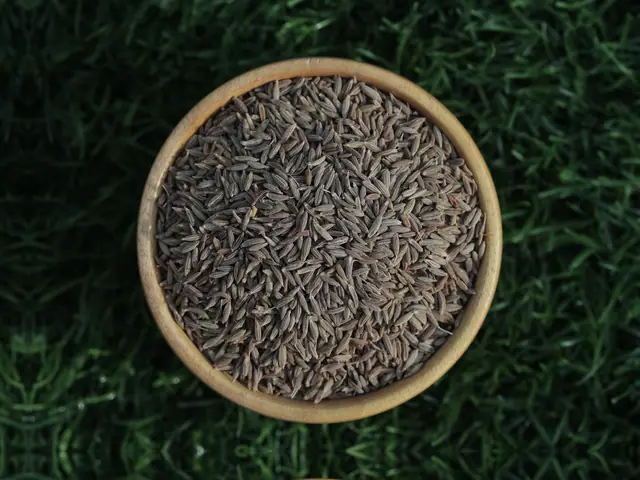
Seed Spices and Turmeric
Cumin, coriander, fennel and turmeric for spice packers. India shipped about US$19.1 million of seed spices to Turkey in 2025.
View details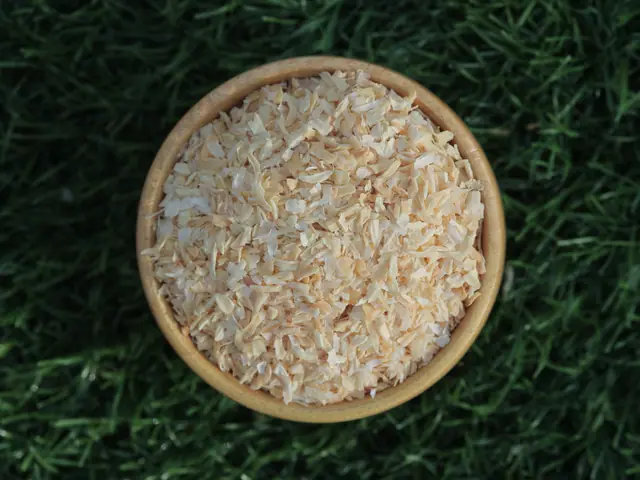
Dehydrated Onion and Garlic
Flakes, granules and powder for food manufacturers.
View details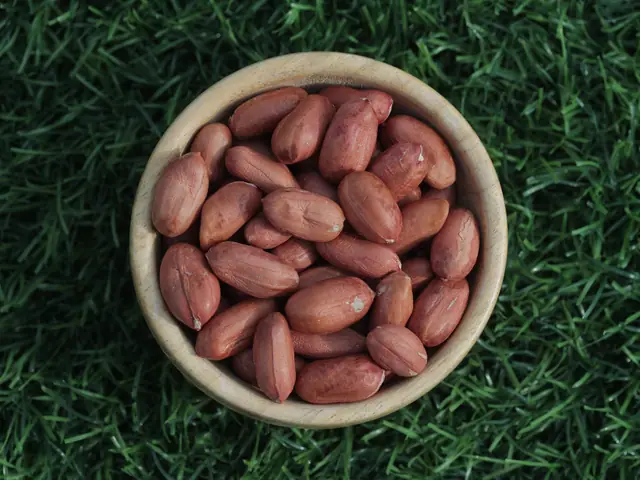
Peanuts
Raw and blanched kernels. Aflatoxin analysis is commonly asked for at the Turkish border.
View details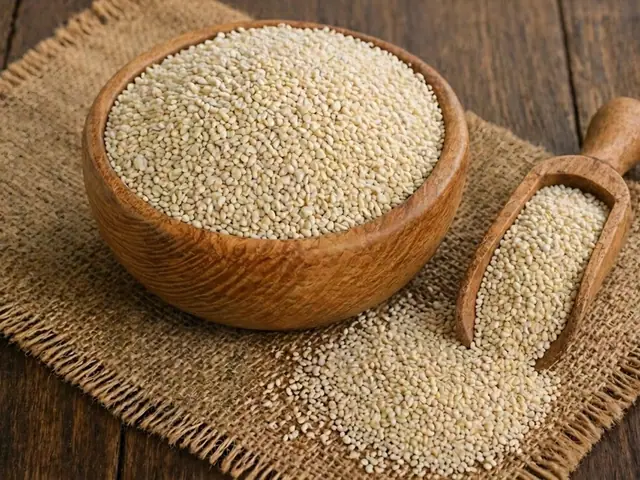
Sesame Seeds
Natural and hulled sesame for tahini, halva and simit producers.
View details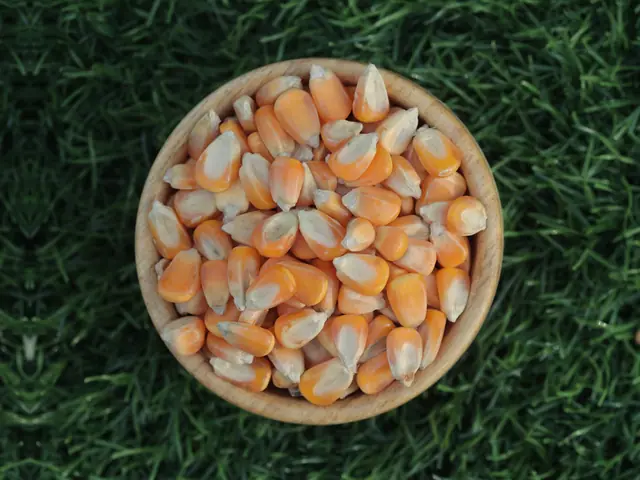
Maize and Feed Ingredients
Maize, corn DDGS and soybean meal, subject to Turkey's GE approval rules.
View detailsWhat MinAF Asks of Importers in Turkey
MinAF, through its General Directorate of Food and Control, handles food safety and plant health at the border. The Ministry of Trade handles customs.
- You pre-notify each plant-origin food or feed product in MinAF's Food Safety Information System (FSIS) before arrival: product name, category, origin and ingredients.
- A MinAF Control Certificate is needed where the HS code is listed, for example seeds for sowing.
- A permanent Turkish label must be on the package before official controls begin. It shows the food name, ingredients, allergens, net quantity, date, storage conditions, operator and origin. Peanut and sesame are allergens.
- No GE event is approved for food use in Turkey. Only specific corn and soybean events are approved for feed.
Duty on Indian Goods in Turkey
India and Turkey have no free trade or preferential agreement, and India is outside the EU-Turkey customs union. Indian goods pay standard (MFN) rates under the annual Import Regime Decree. Rates on pulses and grains can be changed by presidential decision during the year. For example, Turkey applied zero duty to chickpeas and lentils for a period that ran to 31 December 2022. Ask your customs broker for the live rate, then use our landed cost calculator.
Shipping from Gujarat to Mersin and Istanbul
Mersin is the main Mediterranean container gateway and the hub of the pulses, sesame and spice trade. On a direct Suez routing, published carrier schedules show about 12 days from Mundra to Mersin and about 15 days to Istanbul Ambarli. Carriers that sail around the Cape take longer, so we confirm routing and transit with each quote.
- Loading ports: Mundra, Kandla and Pipavav.
- Discharge at Mersin, Ambarli, Izmir / Aliaga, Gemlik or Iskenderun, as you prefer.
Documents Turkey Asks For
| Document | Why this market needs it |
|---|---|
| Phytosanitary certificate | Supports MinAF plant health control at the border. |
| Product specification and label draft | Must match your FSIS pre-notification. |
| Non-GE declaration or analysis | Needed for maize, corn grits and flour, corn DDGS and soybean meal. |
| Aflatoxin analysis for peanuts | Commonly asked for at Turkish border controls. |
| Certificate of Analysis | Lab results for the exact lot, for MinAF and your quality team. |
Why Turkish Importers Work with Elysium
- Every export lot is tested at an NABL-accredited lab before it leaves Gujarat. See lab testing.
- Bag marking and label text are agreed with you before packing. See packaging.
- SGS, Bureau Veritas or Intertek can inspect and sample at loading. See quality control.
- You can check our IEC and GSTIN on Indian government portals. See Verify Elysium.
Frequently Asked Questions
Who files the FSIS pre-notification?
You do, as the importer, before the cargo arrives. FSIS asks for the product name, category, origin and ingredients. We send you the specification sheet and label text early, so that your entry and our shipping documents use exactly the same wording.
Can the Turkish label be a sticker?
Yes. A sticker is accepted, but it must be permanent and on the package before official import controls begin. Send us the Turkish text with your order.
Can you supply corn DDGS or soybean meal to Turkey?
Only where the lot can be shown to be free of GE events that Turkey has not approved for feed. No GE event is approved for food use.
What is the import duty on Indian chickpeas or lentils?
We do not publish a rate, because Turkey changes duty on pulses and grains by decree during the year. Ask your customs broker for the rate on the day you plan to buy. We can then quote quickly while the rate suits you.
Do you test peanuts for aflatoxin?
Yes. Every export lot is tested at an NABL-accredited lab and comes with a Certificate of Analysis.
Last reviewed: October 2026