
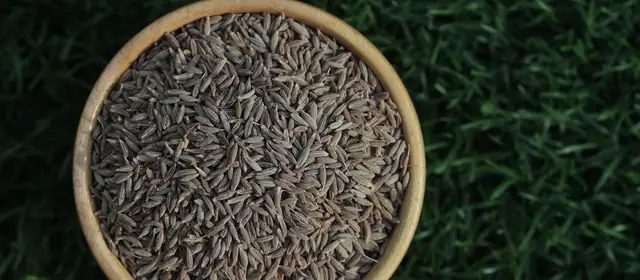
Indian Spices, Pulses and Sesame Prepared for SFDA Clearance in Saudi Arabia
Test reports, bag marking and chamber-certified papers agreed with you before loading, so your FASAH filing is complete when the vessel arrives.
Saudi importers and wholesalers buy turmeric, seed spices, pulses, sesame and millets from India every year. Elysium Agri Corporation exports these from Jamnagar, Gujarat, through Mundra, Kandla and Pipavav. Each lot is tested at an NABL-accredited lab and travels with the papers your SFDA and FASAH filings require.
What sets Saudi Arabia apart is strictness on residues and on dates. SFDA applies the lowest pesticide limit among the Codex, EU and US standards, and it does not accept production or expiry dates on stickers. So you agree the test scope and the bag marking with us before loading, not after arrival.
At a Glance
- Main ports
- Jeddah Islamic Port and King Abdullah Port on the Red Sea; Dammam and Jubail on the Gulf
- Route and transit
- From Mundra, Kandla or Pipavav. Red Sea ports are bookable at present. Routing and transit are confirmed with each quote
- Food import authority
- Saudi Food and Drug Authority (SFDA); customs by ZATCA through the FASAH platform
- Label language
- Arabic, or an Arabic translation, is mandatory
- Trade agreement with India
- None in force. India-GCC free trade talks opened in February 2026
- Certificates buyers ask for
- Health or phytosanitary certificate, pesticide residue and mycotoxin reports, ISO 22000 or HACCP, BRCGS, halal
- Business languages
- Arabic; English is used in import trade documents
Indian Products in Demand in Saudi Arabia
Spices, pulses and oilseeds are an established trade from India to the Kingdom.
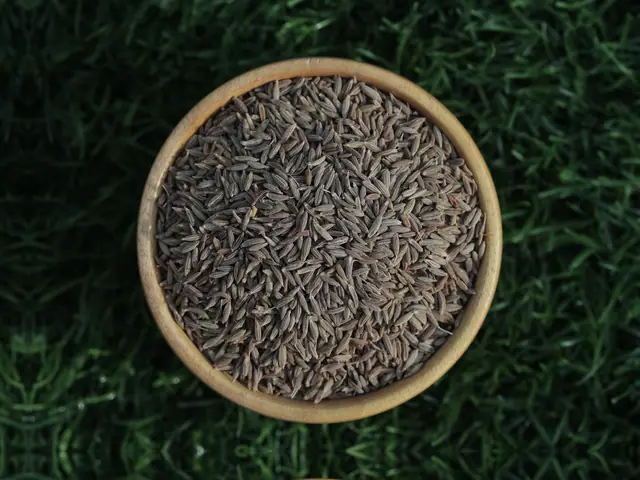
Spices
Turmeric finger and powder, cumin, coriander, fennel and fenugreek. India shipped about US$24 million of seed spices to Saudi Arabia in 2025.
View details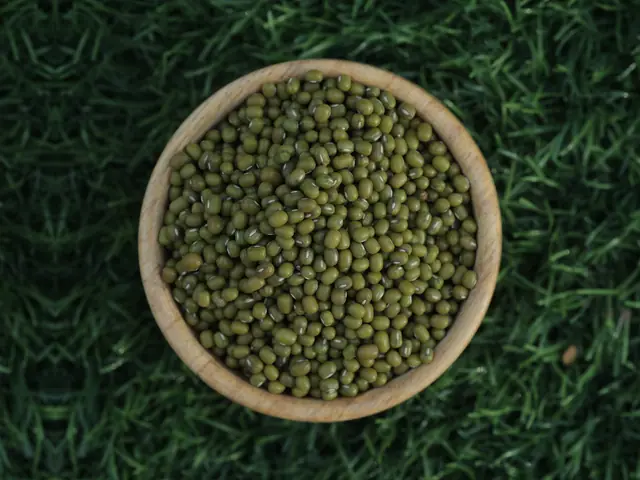
Pulses
Moong, urad, pigeon peas, lentils and green peas. India shipped about US$22 million of pulses to Saudi Arabia in 2025.
View details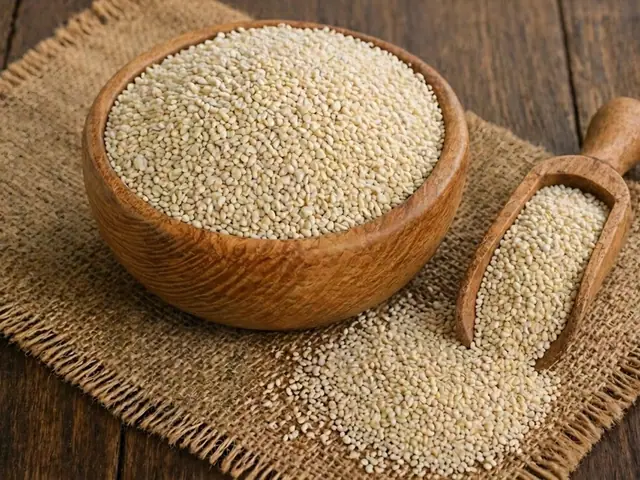
Sesame Seeds
Natural, hulled and black sesame for wholesalers and food manufacturers.
View details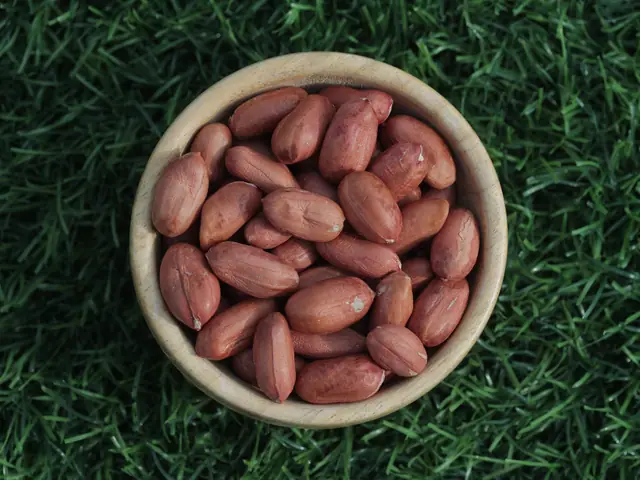
Peanuts
Bold and java kernels, blanched, roasted and in-shell, sold by count.
View details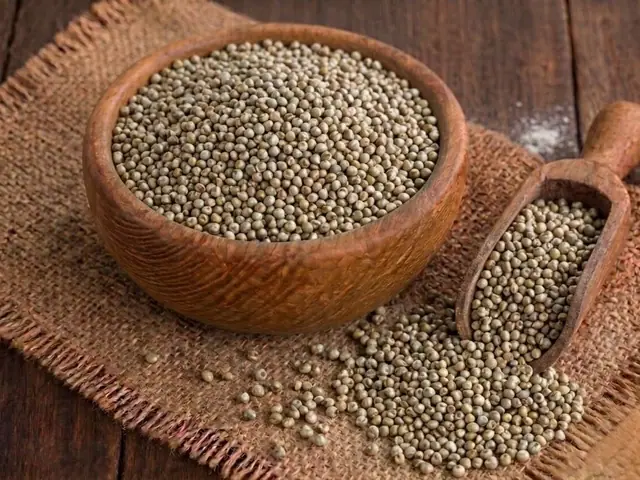
Millets and Grains
Millets, maize, wheat flour and corn grits. Millets from India reach Saudi buyers every year.
View details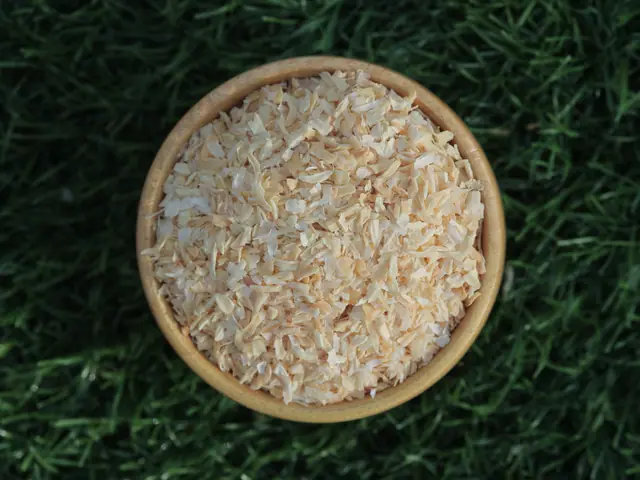
Dehydrated Onion and Garlic
Flakes, chopped, granules and powder for spice blenders and food processors.
View detailsSFDA and FASAH: What Your Side Requires
SFDA sets and enforces food rules and inspects at the ports. ZATCA clears goods through FASAH. The registrations are in your name as importer. We supply the data and documents they need.
- You need a commercial registration and an SFDA E-Account. Every product is registered before import with its HS code, barcode, ingredients in Arabic and English, and images of the label and pack.
- Each consignment is cleared through SFDA E-Clearance. Documents are filed on FASAH at least 48 hours before the vessel arrives.
- Labels carry the product name, packer name and address, ingredients, shelf life and country of origin. The origin mark must be permanent.
- Production and expiry dates are printed, engraved or embossed by the producer. Stickered dates are not accepted.
- Bulk bags should show the same core particulars in Arabic and English.
Import Duty on Indian Goods in Saudi Arabia
India and Saudi Arabia have no preferential trade agreement in force. India and the GCC signed terms of reference for a free trade agreement on 5 February 2026, and talks have started, but no reduced duty applies yet. Saudi Arabia uses the GCC common external tariff. Most food products pay 5% on the CIF value, and bulk animal feed is among the duty-free items. VAT is 15%. Higher rates can apply where local production is large, so check your HS line with your broker. You can estimate the full cost with the landed cost calculator.
Shipping to Saudi Arabia: Red Sea Ports First
The Strait of Hormuz has been effectively closed to commercial shipping since 28 February 2026. This affects the Gulf ports of Dammam and Jubail. Jeddah Islamic Port and King Abdullah Port, both on the Red Sea, remain bookable. We do not promise a transit time at present.
- Discharge port, routing and transit are confirmed with each quote. Buyers in Riyadh or the Eastern Province should tell us their preferred port.
- Pallets: Saudi ports made pallets mandatory for containerised imports from mid-2025, and the rule was reported suspended in May 2026. Confirm the current status with your clearing agent before we load loose bags.
- Loading is from Mundra, Kandla or Pipavav. Check quantities with the container load calculator.
Extra Documents for Saudi Customs and SFDA
| Document | Why this market needs it |
|---|---|
| Commercial invoice certified by a chamber of commerce | Saudi customs asks for a chamber-certified invoice. |
| Chamber-issued certificate of origin | It proves Indian origin, which must match the permanent origin mark on the bags. |
| Health or phytosanitary certificate | Required as applicable to the product and checked by SFDA at the port. |
| Pesticide residue and mycotoxin report | SFDA applies the lowest of the Codex, EU and US residue limits, and GSO 193 for contaminants. |
| SABER conformity certificates | Carriers report these are needed for all imports, while food falls under SFDA. Confirm with your clearing agent which applies. |
Why Saudi Buyers Choose to Work with Elysium
- Rejection risk on residues: your lot is tested at an NABL-accredited lab against the limits you name. See lab testing.
- Bag marking that stays on: printing and pack options are explained on packaging.
- A supplier you can check: IEC and GSTIN are open to verification. See verify Elysium.
- Your own inspector: SGS, Bureau Veritas or Intertek may inspect before loading. See quality.
Frequently Asked Questions
Which pesticide limits does SFDA apply to Indian spices?
SFDA applies the lowest of the Codex, EU and US maximum residue limits, so a lot that is acceptable elsewhere can still be rejected. Tell us the limits your quality team works to. The NABL lab report for your lot is prepared against that scope before loading.
Do my bags have to be on pallets?
Saudi ports made pallets mandatory for containerised imports from mid-2025, with exemptions for bulk grain and jumbo bags. The requirement was reported suspended in May 2026. Please confirm the current rule with your clearing agent, and we load palletised or loose as you instruct.
Is a SABER certificate needed for food shipments?
Sources differ. Carriers report that SABER product and shipment certificates are required for all imports, while food is regulated by SFDA through product registration and E-Clearance. Your clearing agent can confirm which applies to your product before you place the order.
Can you ship to Dammam for buyers in Riyadh and the Eastern Province?
Dammam and Jubail are on the Gulf side and are affected by the closure of the Strait of Hormuz. Jeddah and King Abdullah Port are being booked at present. We confirm which port can be served, and the routing, with each quote.
Do Indian goods get a duty preference in Saudi Arabia?
Not yet. India and the GCC signed terms of reference for a free trade agreement in February 2026, but talks are not concluded. Indian goods pay the normal GCC tariff, which is 5% on CIF value for most food products, plus 15% VAT.
Last reviewed: October 2026