
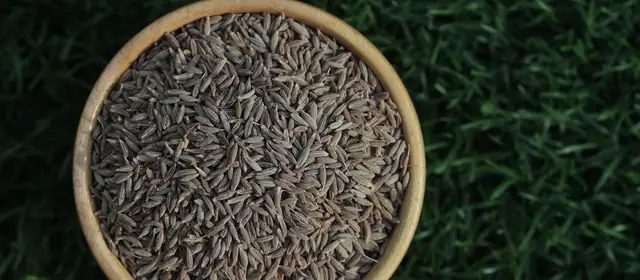
Cumin, Chickpeas and Feed Ingredients from Gujarat for Uzbekistan Importers
Tested lots, a phytosanitary certificate with every shipment, and routing agreed before you order.
Elysium Agri Corporation exports cumin, chickpeas, pulses, sesame, turmeric and feed ingredients from Jamnagar, Gujarat to importers in Uzbekistan. Every lot is tested at an NABL-accredited lab before loading at Mundra, Kandla or Pipavav. Uzbekistan reported about 2,900 tonnes of cumin from India in 2024, so Indian origin is already familiar in your market.
Two things set an Uzbekistan order apart. Your side needs a sanitary-epidemiological conclusion before the goods can be sold, and the cargo crosses several borders by sea and rail. You get lot documents for the first and a written routing plan for the second.
At a Glance
- Main ports
- Doubly landlocked. Rail terminal: Sergeli station, Tashkent
- Route and transit
- Sea from Gujarat, then rail. Confirmed with each quote
- Food import authority
- Committee for Sanitary-Epidemiological Welfare and Public Health; Agency for Quarantine and Plant Protection
- Label language
- Uzbek in Latin script on consumer packs; bulk is exempt
- Trade agreement with India
- None in force. A preferential agreement is under study
- Certificates buyers ask for
- Phytosanitary certificate, sanitary-epidemiological conclusion, declaration of conformity; Halal is voluntary
- Business languages
- Uzbek and Russian
What Uzbekistan Buys from India in Our Range
Cumin comes first; five more lines follow in the trade records.
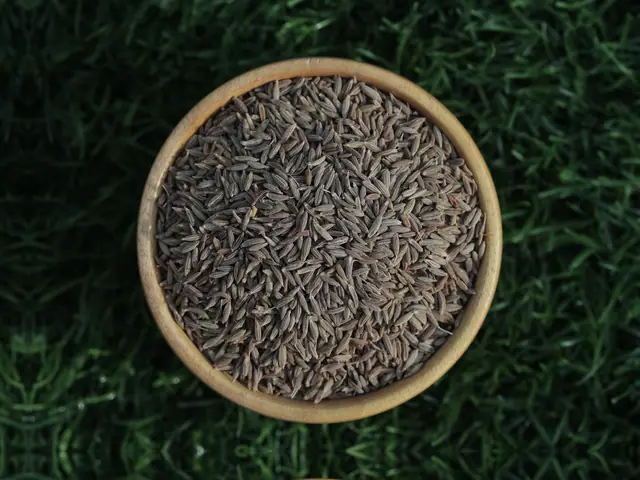
Cumin and Seed Spices
The standout line: Uzbekistan is the largest Central Asian buyer of Indian cumin.
View details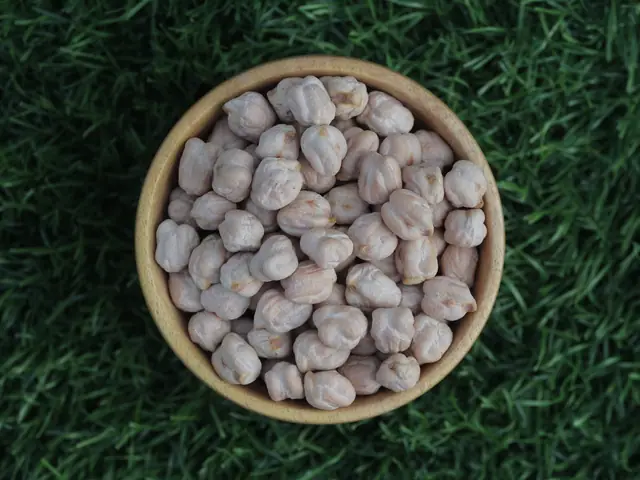
Chickpeas and Pulses
Uzbekistan reported about 1,200 tonnes of chickpeas from India in 2024. Kabuli and desi types, plus dried pulses.
View details
Soybean Meal and Feed Ingredients
India's records show soybean oilcake and feed preparations moving to Uzbekistan.
View details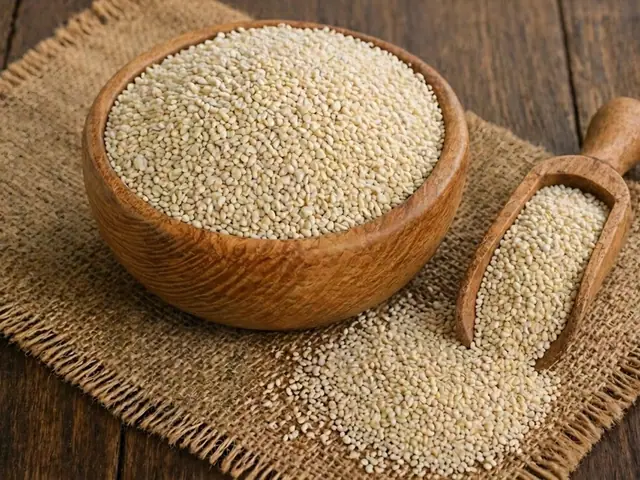
Sesame Seeds
Natural, hulled and black sesame for bakeries.
View detailsTurmeric and Dry Ginger
Finger and powder for spice packers and food manufacturers.
View details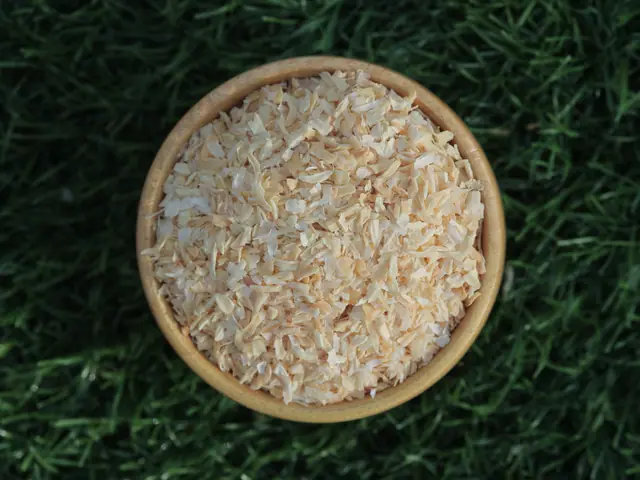
Dehydrated Onion and Garlic
Flakes, granules and powder for seasoning blends.
View detailsWhat the Importer Needs in Uzbekistan
Uzbekistan is outside the Eurasian Economic Union and runs its own system. Rules have changed several times since 2023, so confirm them with your broker for each shipment.
- The importer must be an Uzbek-registered legal entity or individual entrepreneur.
- Imported food needs a sanitary-epidemiological conclusion, issued electronically.
- Each plant-product shipment needs an IPPC phytosanitary certificate.
- The declaration of conformity is recorded in the Technical Regulation Information System.
- Consumer packs need Uzbek labelling in Latin script.
Duty, VAT and Trade Agreement Status
No trade agreement between India and Uzbekistan is in force. A feasibility study for a preferential trade agreement is complete and next steps were agreed in August 2026, with no tariff effect yet. Import VAT is 12 percent. Zero import duty applies to a list of essential foods until 1 January 2027; spices, pulses, peanuts and sesame are not named in the published summary. Check your HS code, then use the landed cost calculator.
Shipping from Gujarat to Tashkent
The established container service ran from Mundra to Bandar Abbas, then by rail through Sarakhs to Sergeli station in Tashkent. Sea traffic through the Strait of Hormuz has been disrupted since 28 February 2026, so no transit time is promised here. Routing and transit are confirmed with each quote.
- Option: sea to a Chinese port, then rail through Khorgos/Altynkol and Kazakhstan.
- Option: the Trans-Caspian route through Poti, Baku and the Caspian ferry.
- Wooden pallets must be ISPM-15 treated.
- Plan your load with the container load calculator.
Documents for an Uzbekistan Shipment
| Document | Why this market needs it |
|---|---|
| Phytosanitary certificate | Required for every plant-product shipment |
| Certificate of Analysis | Evidence for your sanitary conclusion and declaration of conformity |
| Certificate of origin | Uzbek customs may ask for it |
| Rail or road transport documents | Cover the overland leg to Tashkent |
Why Uzbekistan Importers Choose Elysium
- A Certificate of Analysis from an NABL-accredited lab comes with every lot. See lab testing.
- You can appoint SGS, Bureau Veritas or Intertek before loading. See quality.
- Check our IEC and GSTIN before you pay. See verify Elysium.
- See packaging.
Frequently Asked Questions
Do bulk bags need Uzbek-language labels?
Decree UP-140 requires Uzbek labelling in Latin script on imported consumer goods. Goods imported without consumer packaging, such as bulk cargo, are exempt.
Who obtains the sanitary-epidemiological conclusion?
You do, as the importer. It is issued electronically and is valid for up to three years or for the product's shelf life. Our Certificate of Analysis and specification support your application.
Is there zero import duty on Indian spices or pulses?
Do not assume so. Zero duty applies to a list of essential foods until 1 January 2027, but spices, pulses, peanuts and sesame are not named in the published summary. Ask your broker for your HS code rate.
Which route will my container take to Tashkent?
The route through Bandar Abbas is disrupted at present. Other options run through a Chinese port and Kazakhstan by rail, or across the Caspian Sea. The route and transit are confirmed in writing with each quote.
Can the goods carry a Halal mark?
Since 1 February 2025, products certified to the standards of Islamic countries may carry a Halal mark in Uzbekistan. The mark is voluntary.
Last reviewed: October 2026