
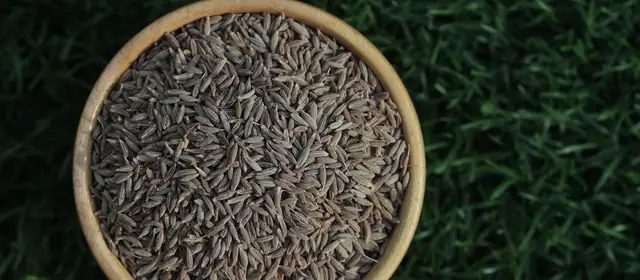
Indian Spices, Pulses and Peanuts for the United Kingdom, Documented for Port Health
Lab-tested lots with the health certificate, test results and origin declaration your UK clearance needs.
Elysium Agri Corporation exports cumin, turmeric, pulses, peanuts and dehydrated onion from Jamnagar, Gujarat, to importers, spice packers and food manufacturers in the United Kingdom. Cargo sails from Mundra, Kandla or Pipavav to London Gateway or Felixstowe. Every lot is tested at an NABL-accredited laboratory before it leaves India.
Buying for Great Britain changed on 1 January 2026. Seed spices, turmeric and ginger from India joined groundnuts and sesame on the list of high-risk foods, so each consignment now needs an export health certificate and laboratory results. Since 15 July 2026, the India-UK trade agreement also lets qualifying Indian goods claim a preferential duty rate. Your quote lists the health and origin documents for your product.
At a Glance
- Main ports
- London Gateway and Felixstowe; Southampton on request
- Route and transit
- From Mundra: typically about 16 days to London Gateway and 20 days to Felixstowe; longer if transhipped or routed via the Cape. Confirmed with each quote
- Food import authority
- Food Standards Agency and Food Standards Scotland; Port Health Authorities check at Border Control Posts
- Label language
- English; retail packs need a UK business address
- Trade agreement with India
- India-UK Comprehensive Economic and Trade Agreement (CETA), signed July 2025, in force since 15 July 2026
- Certificates buyers ask for
- BRCGS Food Safety, FSSC 22000 or ISO 22000, IFS Food, organic, SMETA social audit
- Business languages
- English
What UK Importers Buy from India
Product groups where India is already an established origin for the UK.
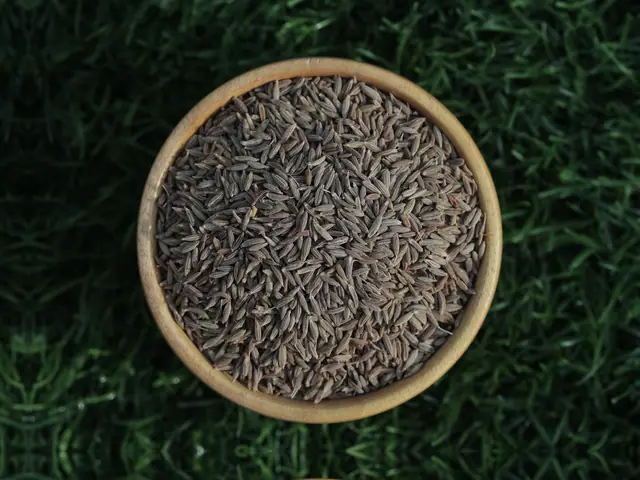
Cumin and Seed Spices
The UK imported about 5,400 tonnes of cumin in 2024, and India supplied 92% of it. Buyers take whole seed in 25 kg bags and clean, steam-treat and grind it themselves.
View detailsTurmeric and Dry Ginger
Turmeric finger and powder, dry ginger and ginger powder. Both are now on the GB high-risk list for pesticide residues, so each lot needs a health certificate and test results.
View details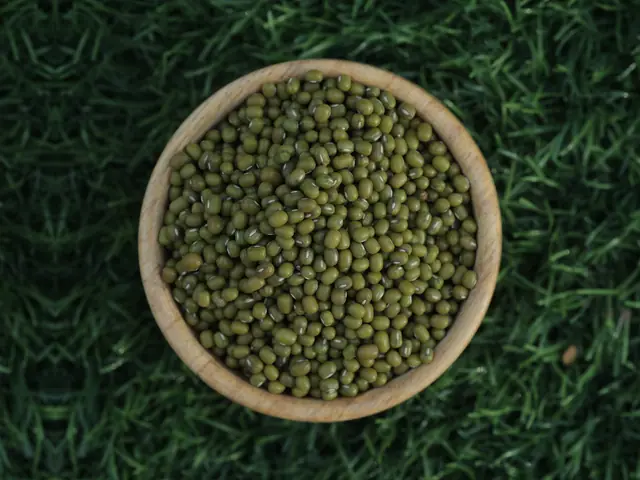
Pulses and Chickpeas
India shipped about US$25 million of dried pulses to the UK in 2025. Kabuli and desi chickpeas, lentils, moong, urad and pigeon peas for packers and wholesalers.
View details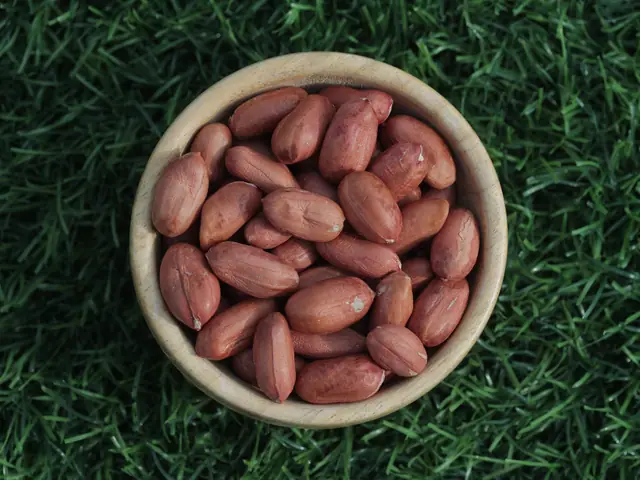
Peanuts and Peanut Butter
Bought by count per ounce, such as 38/42 and 40/50, with blanched and peanut butter grades for snack and nut butter makers. Aflatoxin is the deciding risk, so ask for the lot's laboratory report with your offer.
View details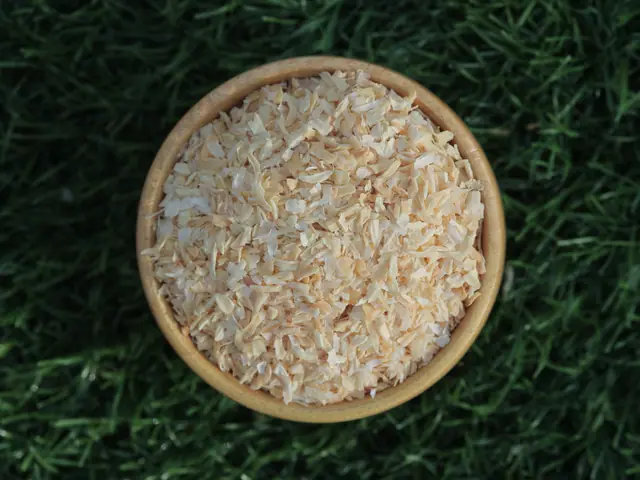
Dehydrated Onion and Garlic
White onion flakes, chopped, granules and powder, and dehydrated garlic, to your specification.
View details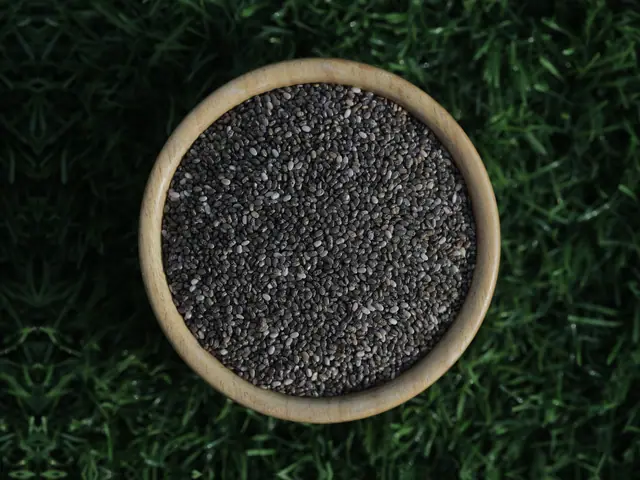
Psyllium Husk and Sesame Seeds
Psyllium husk and seeds, and natural, hulled and black sesame. Sesame from India is controlled at the GB border for Salmonella and pesticide residues.
View details Psyllium Husk and Sesame SeedsWhat Your UK Import Needs at Port Health
The Food Standards Agency and Food Standards Scotland set the import food safety rules, and Port Health Authorities carry out the checks at Border Control Posts. As the importer, you must be a registered food business and be registered on IPAFFS.
- Pre-notify high-risk food of non-animal origin with a CHED-D in IPAFFS, and route it through a Border Control Post designated for that commodity.
- Groundnuts, peanut butter, seed spices, turmeric and ginger from India need an export health certificate with sampling and laboratory results for each consignment.
- Some plant products need a phytosanitary certificate and a CHED-PP, depending on their plant health risk category. We confirm this for your product with your quote.
- Retail packs are labelled in English with the 14 allergens identified, including peanuts and sesame, and a UK address: the UK importer's address if the food business is outside the UK.
- Great Britain keeps its own pesticide residue limits, separate from the EU.
How Duty Works Under the India-UK Trade Agreement
The India-UK Comprehensive Economic and Trade Agreement (CETA) was signed in July 2025 and has been in force since 15 July 2026. The Indian government states that it gives zero-duty access on about 99% of Indian exports to the UK. To claim the preferential rate, the goods must be wholly obtained or sufficiently processed in India and be covered by an origin declaration or a certificate of origin. The rate depends on your commodity code, so check your line on the UK Trade Tariff. Estimate your full cost with the Landed Cost Calculator.
Mundra to London Gateway and Felixstowe
Schedule snapshots show about 16 days from Mundra to London Gateway and about 20 days to Felixstowe. These are typical figures for direct services. Transhipped or Cape-routed sailings from India typically take 22 to 26 days. Each quote states the routing and the expected transit.
- Tell us your port and its Border Control Post. Listed goods must enter through a post designated for that commodity.
- Whole seed spices are packed in 25 kg bags; other packing follows your specification.
Extra Documents for a UK Consignment
| Document | Why this market needs it |
|---|---|
| Export health certificate with laboratory results | Required for each consignment of Indian groundnuts, peanut butter, seed spices, turmeric and ginger entering Great Britain. |
| CHED-D data for IPAFFS | Your agent pre-notifies high-risk food of non-animal origin before the vessel arrives. |
| Origin declaration or certificate of origin | Needed to claim the preferential duty rate under the India-UK CETA. |
| Phytosanitary certificate | Needed for plant products in the high or medium plant health risk categories; confirmed product by product. |
| Certificate of Analysis from an NABL-accredited laboratory | UK buyers screen suppliers on their pesticide residue and aflatoxin history. |
Why UK Buyers Shortlist Elysium
- Rejection at port health is your main exposure. Every lot is tested at an NABL-accredited laboratory and has a Certificate of Analysis. See Lab Testing.
- You may want your own eyes on the cargo. Inspection by SGS, Bureau Veritas or Intertek is welcome before loading. See Quality.
- Your auditors ask where a lot came from. We work with specialist processing units in Gujarat and supervise every export lot. See Traceability.
- Supplier checks should take minutes. Our IEC and GSTIN can be verified on Indian government portals. See Verify Elysium.
Frequently Asked Questions
Do Indian seed spices and turmeric now need a health certificate for Great Britain?
Yes. Since 1 January 2026, cumin, coriander, fennel and other seed spices, and turmeric and ginger from India, are on the GB high-risk list for pesticide residues. Each consignment needs an export health certificate with sampling and laboratory results, and you pre-notify it with a CHED-D in IPAFFS.
Can I claim zero duty under the India-UK trade agreement?
The agreement has been in force since 15 July 2026, and the Indian government states that about 99% of Indian exports qualify for zero duty. Your goods must originate in India and be covered by an origin declaration or certificate. Check the rate for your commodity code on the UK Trade Tariff.
How are peanuts specified for the UK market?
UK buyers specify peanuts by count per ounce, for example 38/42 or 40/50, and by form: raw, blanched or peanut butter grade. Indian groundnuts and peanut butter are controlled for aflatoxins at the border, so agree the aflatoxin limit and the test method in the contract before shipment.
Do the same rules apply if my goods go to Northern Ireland?
No. Northern Ireland follows the EU regime, not the GB one. Your agent raises the CHED-D in TRACES NT in place of IPAFFS, and EU controls on Indian groundnuts, sesame and spices apply. Tell us the final destination with your enquiry, so the correct documents are prepared.
Which UK ports can you ship to?
Most cargo from Mundra goes to London Gateway or Felixstowe, and Southampton is quoted on request. Listed goods must enter through a Border Control Post designated for that commodity, so confirm the post with your clearing agent first. Routing and transit time are stated in every quote.
Last reviewed: October 2026