
Feed Ingredients and Peanuts from India, Documented for Thailand's Feed Mills and Food Processors
Lab-tested lots from Gujarat, shipped to Laem Chabang with the papers your import licence calls for.
Thailand buys Indian raw materials for its feed mills and food factories. Elysium Agri Corporation exports to Thailand from Jamnagar, Gujarat: rapeseed meal and other feed ingredients, peanuts, maize, chickpeas, pulses and seed spices. Every lot is tested at an NABL-accredited lab and loads at Mundra, Kandla or Pipavav.
Buying for Thailand is led by documents. The authorities ask for a GMP or equivalent certificate for the processing plant and a laboratory report less than one year old. Pesticide residue limits are strict, and corn, soybean meal, onion and garlic enter under tariff-rate quotas.
At a Glance
- Main ports
- Laem Chabang, Bangkok Port, Lat Krabang ICD
- Route and transit
- From Mundra, typically about 12 days to Laem Chabang
- Food import authority
- Thai FDA; Department of Agriculture; Department of Livestock Development (feed)
- Label language
- Thai on consumer packs; English on bulk bags
- Trade agreement with India
- AITIGA (2010); India-Thailand Early Harvest Scheme (2004)
- Certificates buyers ask for
- GMP or HACCP, recent lab report, phytosanitary, certificate of origin
- Business languages
- Thai; English with larger importers and feed groups
What Thailand Buys from India
Feed ingredients and peanuts lead.
Rapeseed Meal and Feed Ingredients
India shipped about 616,000 tonnes of rapeseed meal to Thailand in FY 2023-24, bought by feed mills.
View details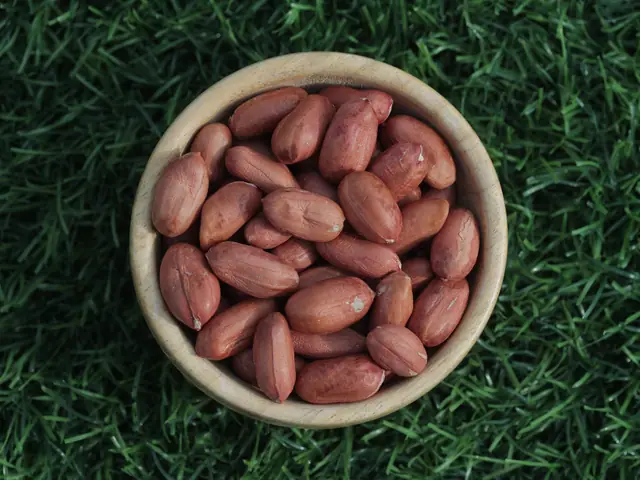
Peanuts
Thailand took about 6% of India's groundnut exports in 2024-25, mainly for snack and sauce makers.
View details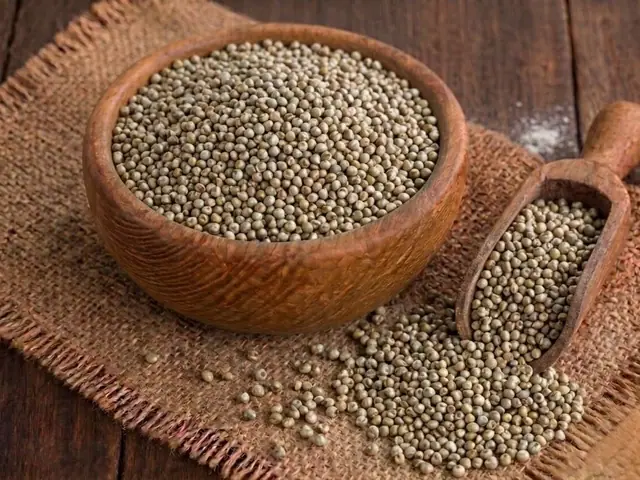
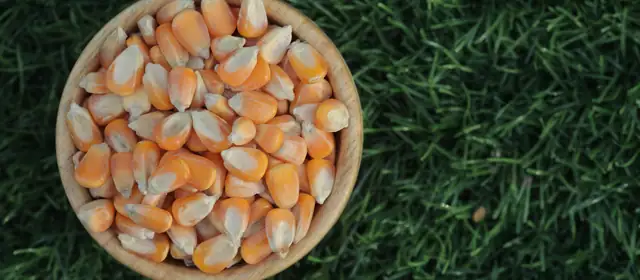
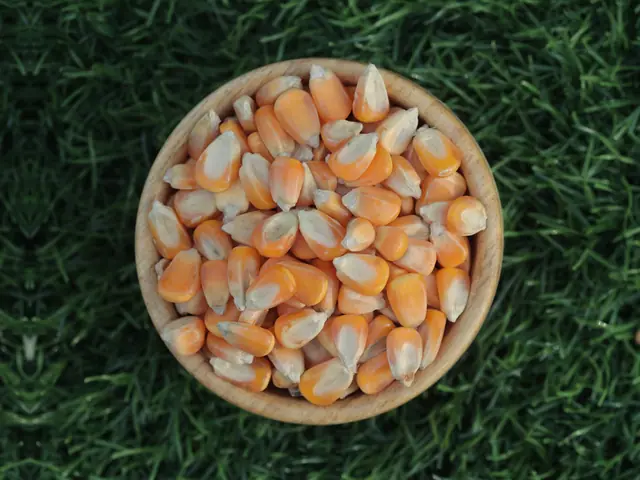
Maize
A quota commodity in Thailand, so each shipment depends on your Department of Foreign Trade permit.
View details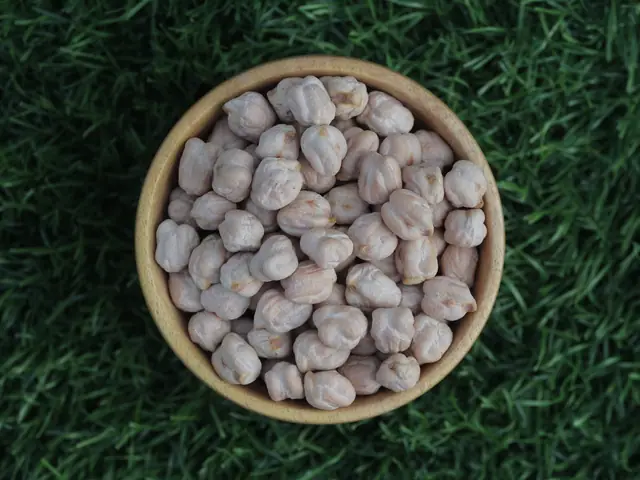
Chickpeas and Pulses
Kabuli, desi and roasted chickpeas for importers; chickpeas draw strong Thai-language search interest.
View details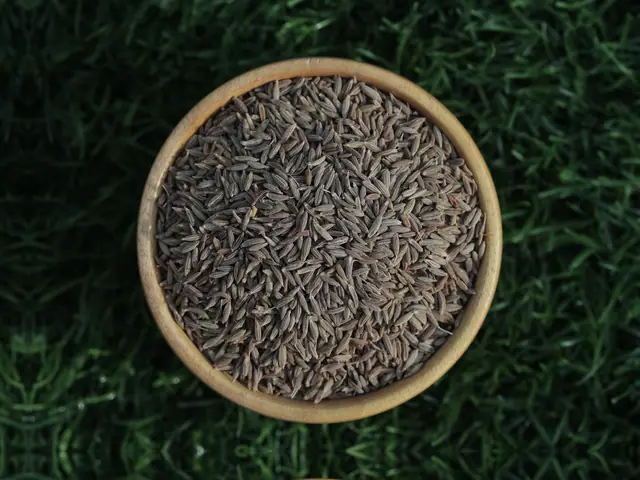
Seed Spices and Turmeric
Cumin, coriander, fennel and turmeric, offered against Thailand's residue limits.
View detailsLicences, Permits and Labels in Thailand
The Thai FDA controls food imports and labels. As the importer, you hold the licences.
- A Thai FDA food import licence, renewed every three years.
- A Department of Agriculture import permit for plant products.
- A Department of Livestock Development licence for feed ingredients.
- A GMP or equivalent certificate for the foreign processing plant.
- Pesticide residues: 0.01 mg/kg by default for unlisted pesticides; zero tolerance for paraquat and chlorpyrifos.
- Thai labels on food sold to consumers; English marks on bulk bags.
AITIGA Duty and Thailand's Tariff-Rate Quotas
Indian goods enter Thailand at the AITIGA preferential rate when a certificate of origin travels with the shipment. Without it, the MFN rate applies. Corn, soybeans, soybean meal, onion and garlic fall under tariff-rate quotas, and duty inside and outside the quota differs sharply. The agreement is under review, so check your HS line with the HS Code Finder and the Landed Cost Calculator.
Gujarat to Laem Chabang
Containers load at Mundra, Kandla or Pipavav and discharge at Laem Chabang. Typical transit from Mundra is about 12 days on current carrier schedules, confirmed with each quote.
- Bangkok buyers can receive at Bangkok Port or Lat Krabang ICD.
- See Packaging and the Container Load Calculator.
Extra Documents for Thailand
| Document | Why this market needs it |
|---|---|
| GMP or HACCP certificate for the processing plant | Thai FDA asks for it before food can be imported. |
| Laboratory analysis report | Must be less than one year old. |
| Phytosanitary certificate | Must match your import permit conditions. |
| Tariff-rate-quota permit (your side) | For corn, soybean meal, onion and garlic. |
| APEDA Certificate of Export with aflatoxin analysis | Peanuts for Thailand are tested to 20 ppb total aflatoxin. |
How Elysium Answers Thailand's Document Checks
- Residue and aflatoxin risk: every lot is tested at an NABL-accredited lab, with a Certificate of Analysis. See Lab Testing.
- See Certificates.
- Your own check: SGS, Bureau Veritas or Intertek inspection is welcome. See Quality.
- A supplier you can check: verify our IEC and GSTIN through Verify Elysium.
Frequently Asked Questions
Which licences must I hold before you ship to Thailand?
For food, a Thai FDA food import licence and a Department of Agriculture import permit for plant products. For feed ingredients, a Department of Livestock Development feed import licence. Send copies with your order.
Can you ship maize, soybean meal, onion or garlic to Thailand?
Yes, but these are tariff-rate-quota commodities. You need a quota permit from the Department of Foreign Trade, and duty outside the quota is much higher. Confirm your permit first, then send the quantity.
What pesticide residue limits apply to Indian spices and peanuts?
Thailand applies a default limit of 0.01 mg/kg for unlisted pesticides and zero tolerance for paraquat and chlorpyrifos. Tell us the residue panel you require.
Do bulk bags need Thai labels?
Thai is mandatory on food sold to consumers. Bulk bags for processors carry product name, origin, net weight, lot and dates in English, and you add the Thai label as importer of record.
How long does a shipment take from Gujarat to Laem Chabang?
Typical transit from Mundra to Laem Chabang is about 12 days on current carrier schedules. That is sailing time only. Testing and documents come first, and the schedule is stated in your quote.
Last reviewed: October 2026