

Indian Peanuts, Spices and Feed Ingredients for the Philippines, Shipped to Match Your SPSIC
Tested lots from Gujarat, with documents that agree with your import clearance line by line.
Elysium Agri Corporation is an agro-commodity exporter in Jamnagar, Gujarat, and we export to the Philippines. Licensed importers, roasters, snack makers and feed mills can order peanuts, turmeric, dry ginger, seed spices and feed ingredients from us. Your cargo loads at Mundra, Kandla or Pipavav and lands at Manila, Batangas, Subic, Cebu or Davao.
Buying for the Philippines is led by paperwork. Your Sanitary and Phytosanitary Import Clearance (SPSIC) must be issued before the goods ship, and one clearance covers one shipment. So you send us the SPSIC details first. We then prepare the lot, the bag markings and the documents to match it.
At a Glance
- Main ports
- Manila (MICT and South Harbor), Batangas, Subic, Cebu, Davao
- Route and transit
- Typically about 30 days, Mundra to Manila, with transshipment; confirmed with each quote
- Food import authority
- BPI (plant products), BAI (feed), Philippine FDA (processed packaged food)
- Label language
- English or Filipino
- Trade agreement with India
- ASEAN-India Trade in Goods Agreement (AITIGA), in force since 2010
- Certificates buyers ask for
- Phytosanitary, Certificate of Analysis, AITIGA origin; GMP, HACCP or ISO 22000 for processed foods
- Business languages
- English; Filipino (Tagalog)
What the Philippines Buys from India
A peanut market first. The other lines are smaller and quoted on enquiry.
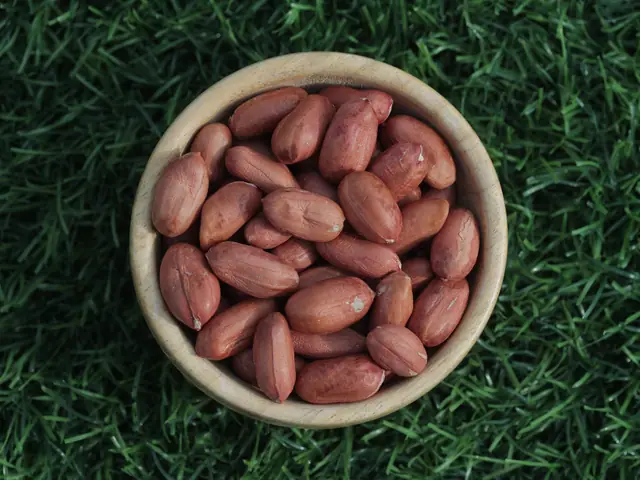
Peanuts
The Philippines took 8.41% of India's groundnut exports in 2024-25, the third-largest destination. Kernels go to roasters, snack makers and peanut butter producers.
View details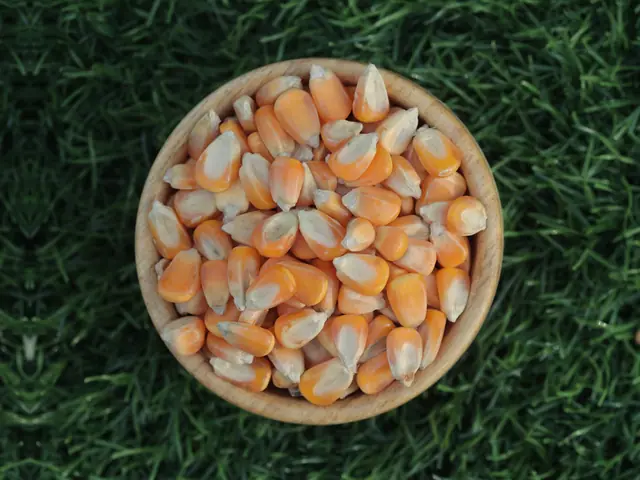
Animal Feed Ingredients
India shipped about US$16.85 million of feed products here in 2025, mainly feed preparations, DDGS-type residues and oil cakes.
View details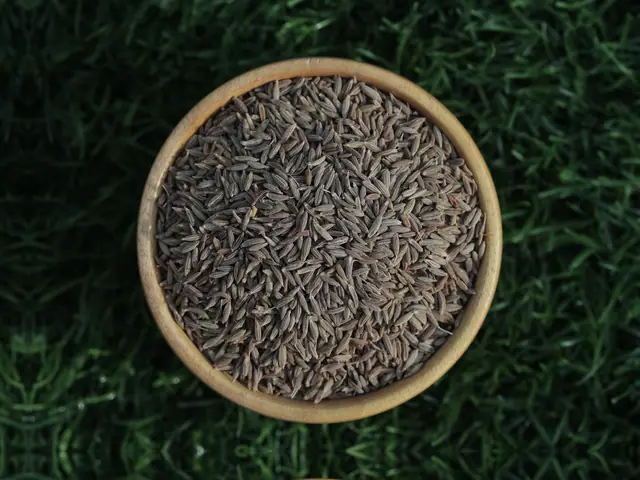
Turmeric and Dry Ginger
A modest line for spice packers and food makers: finger, powder and dry ginger.
View details Turmeric and Dry GingerCumin, Coriander and Fennel
Small volumes, suited to spice importers who buy part loads.
View details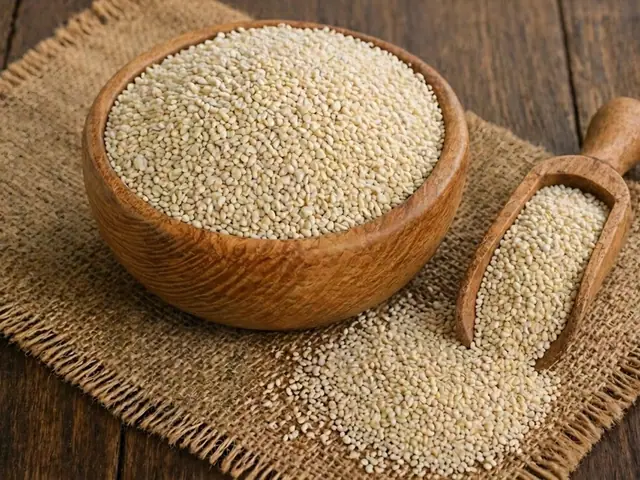
Sesame Seeds
On enquiry. Check first that BPI will clear this commodity from India.
View detailsWhat Your Import Needs in the Philippines
The Bureau of Plant Industry (BPI) covers nuts, seeds, spices and grains. The Bureau of Animal Industry (BAI) covers feed. The Philippine FDA covers processed, pre-packaged food.
- Your company must be BPI-accredited, or BAI-registered for feed, to apply for an SPSIC.
- The SPSIC date must come before the shipment date. It covers one shipment and cannot be transferred.
- Mixing commodities in one shipment can get the SPSIC revoked.
- A plant product not imported from India before needs a completed pest risk analysis. Ask BPI first.
- Processed foods need an FDA License to Operate and product registration. Labels are in English or Filipino.
Duty and the ASEAN-India Agreement
Indian-origin goods shipped with an AITIGA certificate of origin can take the preferential rate for their HS line. Without the certificate, the MFN rate applies. Some lines sit on sensitive or exclusion lists, so we do not promise a duty saving. Ask your customs broker for the rate on your HS code, then estimate your cost with the Landed Cost Calculator.
Shipping from Gujarat to the Philippines
On current carrier schedules, Mundra to Manila is typically about 30 days on a transshipment routing. We confirm vessel, routing and transit with each quote. That is long for peanuts, so moisture and aflatoxin are tested before loading.
- Luzon: Manila, Batangas or Subic. Visayas: Cebu. Mindanao: Davao.
Documents for the Philippines
| Document | Why this market needs it |
|---|---|
| SPSIC (obtained by you) | Issued before the goods ship. Every other document must agree with it. |
| Phytosanitary certificate | Required for plant products. |
| APEDA Certificate of Export and aflatoxin Certificate of Analysis | Required for every peanut shipment from India. |
| AITIGA certificate of origin | Needed to claim the preferential duty rate. |
| BAI feed product registration | For feed ingredients, with your report on previous imports. |
Why Importers in the Philippines Choose Elysium
- Aflatoxin on a long voyage: every lot is tested at an NABL-accredited lab. See Lab Testing.
- See Packaging.
- A second opinion before loading: SGS, Bureau Veritas or Intertek inspection is welcome. See Quality.
- A supplier you can check from Manila: confirm our IEC and GSTIN through Verify Elysium.
Frequently Asked Questions
Can you ship before my SPSIC is issued?
No. The SPSIC date must come before the shipment date, and cargo that sails earlier can be seized. Send us the clearance details first. We then fix the loading date and prepare matching documents.
Can I combine peanuts and spices in one container?
We advise against it. Commingling different commodities in one shipment can get the SPSIC revoked. Each SPSIC covers one shipment, so plan one commodity per clearance and ask BPI before any mixed load.
Who labels the goods for the Philippine market?
Bulk bags leave India marked in English with product name, origin, net weight, lot and dates. Retail packs need the full FDA label in English or Filipino, with allergen and nutrition information and your company's name as importer.
Will I pay less duty on Indian goods under AITIGA?
It depends on the HS line. With an AITIGA certificate of origin, the preferential rate applies where the product is covered. We supply the certificate of origin, and your broker should confirm the rate before you order.
What payment terms do you offer to Philippine buyers?
Terms are agreed with each order and written in your quote.
Last reviewed: October 2026