
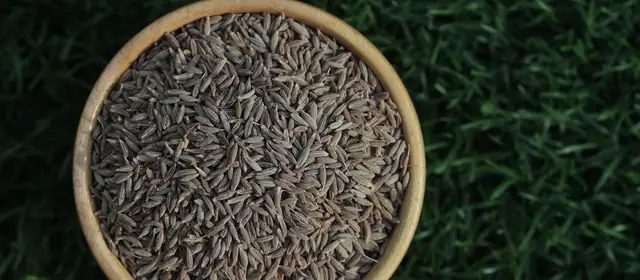
Coriander, Turmeric, Cumin and Peanuts from India for Malaysia's Millers and Wholesalers
Lab-tested seed spices and peanuts from Gujarat, shipped to Port Klang with the papers your MAQIS permit lists.
Malaysia buys the full range of Indian seed spices, and Elysium Agri Corporation exports to it from Jamnagar, Gujarat. We offer coriander, turmeric, cumin, fennel, peanuts, pulses and dehydrated onion to Malaysian spice millers, curry-powder blenders, wholesalers and food manufacturers. Cargo loads at Mundra, Kandla or Pipavav.
Buying for Malaysia is permit-led. Your MAQIS import permit must be in place before the cargo ships, and its conditions decide what the phytosanitary certificate must say. Halal is not a legal requirement for plant products, but your customers often expect it.
At a Glance
- Main ports
- Port Klang, Tanjung Pelepas, Penang, Pasir Gudang
- Route and transit
- Direct service from Mundra, typically about 9 days to Port Klang; confirmed with each quote
- Food import authority
- Ministry of Health (Food Safety and Quality Division); MAQIS for plant quarantine
- Label language
- Bahasa Malaysia or English
- Trade agreement with India
- AITIGA (2010) and the India-Malaysia CECA (2011)
- Certificates buyers ask for
- Phytosanitary, Certificate of Analysis, certificate of origin, halal on request
- Business languages
- Bahasa Malaysia and English; Mandarin and Tamil among trading families
Indian Products Malaysia Buys in Volume
Seed spices come first in this market, with peanuts close behind.
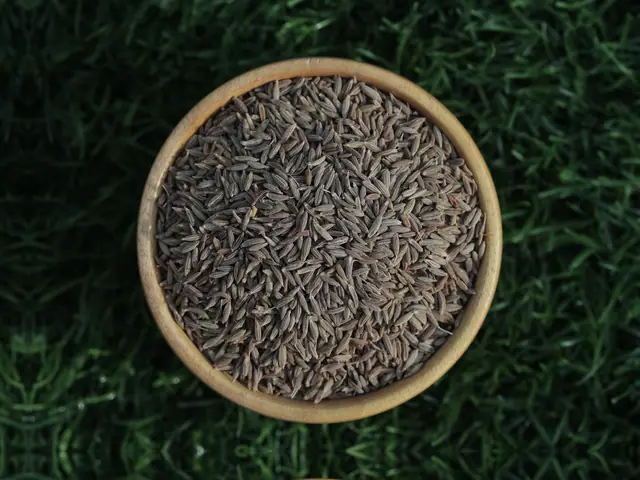
Coriander Seed
India shipped about 14,500 tonnes to Malaysia in 2025-26, for spice millers and curry-powder blenders.
View detailsTurmeric
Finger and powder for millers, blenders and food manufacturers.
View detailsCumin and Fennel
Both move in volume to wholesale traders, typically in 25 to 50 kg bags.
View details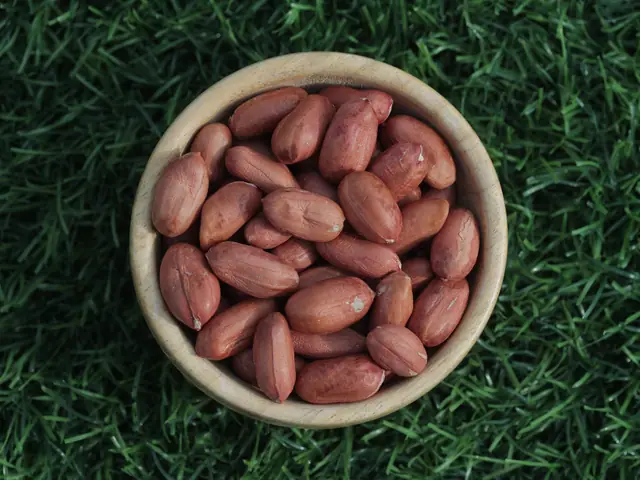
Peanuts
Malaysia took about 6.5% of India's groundnut exports in 2024-25.
View details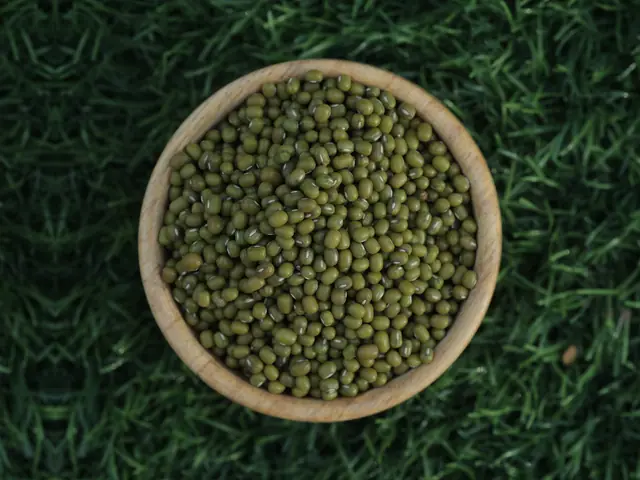
Pulses and Chickpeas
Dals, lentils and chickpeas for wholesale traders and repackers.
View details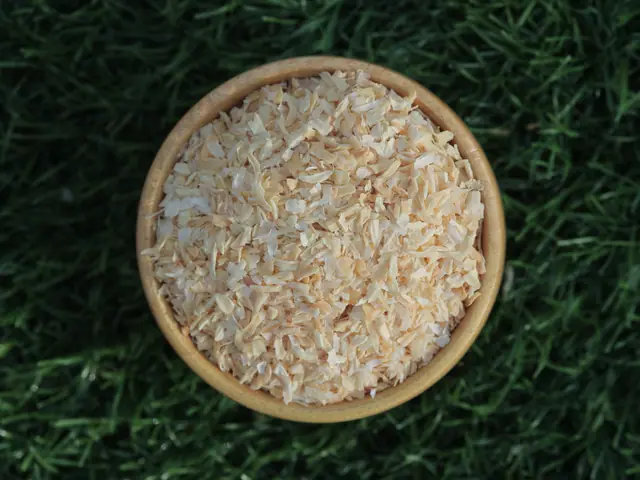
Dehydrated Onion
Flakes, granules and powder for processors in a market that already buys Indian onions.
View detailsImport Permits and Labels in Malaysia
The Ministry of Health sets food safety and label rules under the Food Act 1983 and Food Regulations 1985. MAQIS handles plant quarantine. As importer, you hold the permits.
- A MAQIS import permit for plant products, issued before shipment through the e-permit system.
- An Indian phytosanitary certificate that meets the permit conditions.
- A label in Bahasa Malaysia or English with product name, ingredients, allergens, net weight, importer, origin and date marking.
- Bulk bags for further processing carry product name, origin, net weight, lot and importer details.
Two Trade Agreements, One Certificate of Origin
Indian goods can enter Malaysia under AITIGA or under the India-Malaysia Comprehensive Economic Cooperation Agreement, in force since 1 July 2011. The preferential rate applies only when the matching certificate of origin travels with the shipment; otherwise the MFN rate applies. Rates depend on the HS line. Estimate your cost with the Landed Cost Calculator.
Mundra to Port Klang
A direct container service links Mundra with Port Klang. Typical transit is about 9 days on current carrier schedules, and we confirm vessel and transit with each quote.
- Northern buyers: Penang. Johor buyers: Tanjung Pelepas or Pasir Gudang.
- See Packaging.
Documents Malaysian Importers Ask For
| Document | Why this market needs it |
|---|---|
| MAQIS import permit (your side) | We need a copy before loading. |
| Phytosanitary certificate | Required for plant products at entry. |
| APEDA Certificate of Export with aflatoxin analysis | Peanuts for Malaysia are tested to 15 ppb total aflatoxin. |
| AITIGA or CECA certificate of origin | Needed to claim preferential duty. |
| Halal certificate | Often requested by processors and retailers. |
What Malaysian Buyers Get from Elysium
- Aflatoxin control: every lot is tested at an NABL-accredited lab before it ships. See Lab Testing.
- Halal and food-safety papers: see what we hold on Certificates.
- Even lots for your mill: we supervise each lot at specialist processing units in Gujarat. Details are on Quality.
- No doubt about who you pay: check our IEC and GSTIN through Verify Elysium.
Frequently Asked Questions
Do I need the MAQIS permit before you ship?
Yes. The MAQIS import permit for plant products must be issued before shipment. Its conditions tell us what the phytosanitary certificate must state, so please send a copy with your order.
Is halal certification required for spices and peanuts?
Not by law. Malaysia makes halal mandatory for meat and animal products, not plant products. Many processors and retailers still expect it, and the certifier must be recognised by JAKIM.
What aflatoxin limit applies to Indian peanuts for Malaysia?
APEDA, India's export authority, applies a limit of 15 ppb total aflatoxin for Malaysia. A lot above that limit does not receive the Certificate of Export. You receive the Certificate of Analysis with the shipping documents.
Can bulk bags be marked in English?
Yes. Malaysia accepts Bahasa Malaysia or English on imported food. Bulk bags carry product name, origin, net weight, lot and your details as importer. Retail packs need the full label, including allergens and nutrition information.
Which certificate of origin should I ask for?
Either an AITIGA or an India-Malaysia CECA certificate of origin can support a preferential rate. Which one suits you depends on your HS line. Ask your customs broker, then tell us which to issue before loading.
Last reviewed: October 2026