
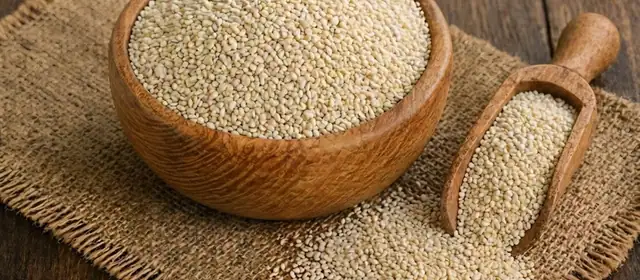
Bulk Sesame, Spices and Dehydrated Onion from India for Israel's Food Processors
Raw material for tahini, spice and food companies, tested lot by lot and documented for FCS and PPIS.
Israel's tahini makers, spice packers and food importers buy raw material in bulk and repack it under Hebrew labels. Elysium Agri Corporation supplies that raw material from Gujarat, India: sesame, cumin, coriander, turmeric, dehydrated onion and garlic, shipped from Mundra, Kandla or Pipavav to Haifa or Ashdod.
Two things set this market apart. Plant products need a PPIS import permit for each shipment, matched by a phytosanitary certificate from India. And most retailers and hotels expect kosher supervision recognised by the Chief Rabbinate. We ask for your permit conditions and your kosher requirement at the quote stage, so the lot is prepared to them.
At a Glance
- Main ports
- Haifa (Haifa Port and Bayport); Ashdod (Ashdod Port and Southport)
- Route and transit
- Routing and transit are confirmed with each quote, as schedules and surcharges on this route can change.
- Food import authority
- National Food Control Service (FCS), Ministry of Health; PPIS, Ministry of Agriculture, for plant products and seeds
- Label language
- Hebrew on pre-packaged food (Israeli Standard SI 1145)
- Trade agreement with India
- None in force. Terms of Reference for free trade talks were signed in November 2025
- Certificates buyers ask for
- Kosher recognised by the Chief Rabbinate; GMP, HACCP or ISO 22000 evidence for sensitive foods
- Business languages
- Hebrew; English for import correspondence; Arabic
What Israeli Importers Buy from India
Sesame and spices lead, followed by dehydrated vegetables.
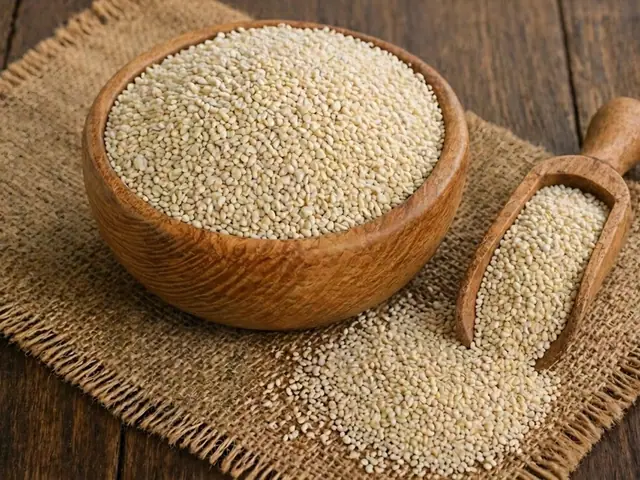
Sesame Seeds
Natural and hulled sesame for the tahini and halva industry. India shipped about US$16.8 million of oilseeds in the group that includes sesame to Israel in 2025.
View details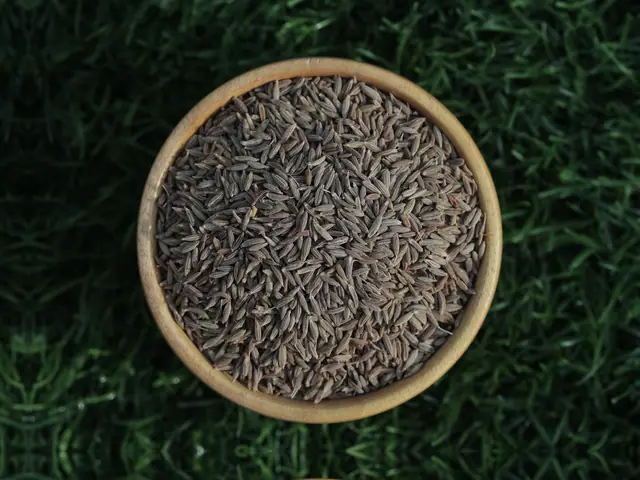
Seed Spices
Cumin, coriander and fennel for spice packers. India shipped about US$5.3 million of seed spices to Israel in 2025.
View detailsTurmeric and Dry Ginger
Turmeric finger and powder, and dry ginger, in bulk for repacking.
View details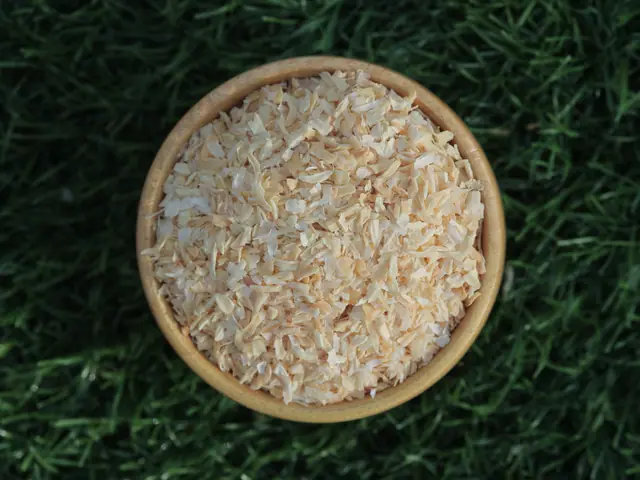
Dehydrated Onion and Garlic
Flakes, chopped, granules and powder for food manufacturers.
View details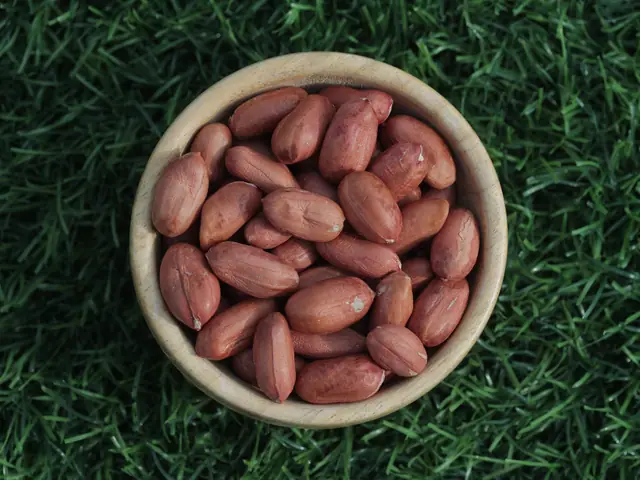
Peanuts and Peanut Butter
Raw and blanched kernels for processors. Retail packs of peanut butter follow Israel's front-of-pack labelling rules.
View detailsWhat an Importer Needs in Israel
The National Food Control Service (FCS) licenses food imports. Plant Protection and Inspection Services (PPIS) permits plants, plant products and seeds. Israel has reformed its food import rules in recent years, so your customs agent's current guidance is final.
- You must be registered with FCS and register each food product.
- Sensitive foods need pre-approval before arrival. Non-sensitive foods go through an online import declaration.
- Plant products and seeds need a PPIS import permit for each shipment, with a phytosanitary certificate from India.
- Pre-packaged food needs Hebrew labelling under SI 1145. Bulk bags for further processing are outside that regulation but carry normal shipping marks.
- Retail packs need a red front-of-pack label when sodium exceeds 400 mg, sugar 10 g or saturated fat 4 g per 100 g.
Duty on Indian Goods in Israel
No free trade agreement between India and Israel is in force. Indian goods pay the standard (MFN) rates in the Israel Tax Authority customs tariff book, and Israeli Customs gives advance rulings. The two governments signed Terms of Reference to launch trade talks on 20 November 2025. The talks are at an early stage, so no preference applies yet. Ask your customs agent for your rate, then use our landed cost calculator.
Shipping from Gujarat to Haifa and Ashdod
Containers for Israel discharge at Haifa or Ashdod. Schedules, insurance and surcharges on this route can change with regional conditions. We therefore do not publish a transit time. Each quote states the carrier, routing, expected transit and any surcharge that applies that week.
- Loading ports: Mundra, Kandla and Pipavav.
- Tell us which port your customs agent prefers.
- Demand rises before Rosh Hashana in September and October and before Passover in March and April. Please order early for these periods.
Documents Israel Asks For
| Document | Why this market needs it |
|---|---|
| Phytosanitary certificate | Must match the conditions of your PPIS import permit for that shipment. |
| Certificate of Analysis, signed by the lab | FCS registration asks for composition and chemical and microbiological test results. |
| Kosher certificate | Not a legal import requirement for plant products, but commercially essential. |
| Health certificate, Free Sale Certificate and GMP evidence | Asked for when the product is classed as a sensitive food. |
| Copies of the origin label and Hebrew label | Needed for retail products. |
Why Israeli Importers Work with Elysium
- The Certificate of Analysis for your lot comes from an NABL-accredited lab. See lab testing.
- Each lot number links the bag to its processing unit, which supports kosher and audit questions. See traceability.
- SGS, Bureau Veritas or Intertek can inspect before loading. See quality control.
- Our registration and certificates are open to check. See certificates and Verify Elysium.
Frequently Asked Questions
Is kosher certification a legal requirement for sesame or spices?
No. It is not a legal import requirement for plant products, but most supermarkets and hotels will not carry non-kosher goods. Only the Chief Rabbinate can approve a product as kosher in Israel.
Who applies for the PPIS import permit?
You do, as the importer, for each shipment of plant products or seeds. Send us the permit conditions before the lot is packed. The phytosanitary certificate issued in India is then worded to match your permit.
Do bulk bags need Hebrew labels?
Bulk commodity bags for further processing are not pre-packaged food, so the Hebrew labelling standard SI 1145 does not apply to them. The bags still carry normal shipping marks: product, origin, net weight and lot number. Retail packs need full Hebrew labelling.
Is there a free trade agreement between India and Israel?
Not yet. India and Israel signed Terms of Reference to launch free trade negotiations on 20 November 2025, and the talks are at an early stage. Until an agreement is in force, Indian goods pay standard rates. Your customs agent can request an advance ruling.
Will peanut butter need a red warning label?
Retail packs carry a red front-of-pack label when sodium exceeds 400 mg, sugar 10 g or saturated fat 4 g per 100 g.
Last reviewed: October 2026