

Indian Sesame, Spices and Dehydrated Onion for Germany's Mills and Bakeries
Whole, clean raw material from Gujarat, with a laboratory report for every lot and the EU certificates your border control post asks for.
Elysium Agri Corporation is an agro-commodity exporter in Jamnagar, Gujarat. We ship dehydrated onion and garlic, sesame seeds, cumin, turmeric, peanuts and feed materials to importers, spice mills, industrial bakeries and organic wholesalers in Germany. Cargo loads at Mundra, Kandla or Pipavav and discharges at Hamburg, Bremerhaven or Wilhelmshaven.
German buyers re-clean, sterilise and pack in their own plants, and many apply internal residue limits that are stricter than the legal EU maximums. Every export lot is tested at an NABL-accredited laboratory and carries a Certificate of Analysis.
At a Glance
- Main ports
- Hamburg, Bremerhaven, Wilhelmshaven
- Route and transit
- Mundra to Hamburg: typically 21 to 30 days, depending on Suez or Cape routing; confirmed with each quote
- Food import authority
- BVL coordinates; the food control authorities of the federal states carry out the checks; customs (Zoll) clears the goods
- Label language
- German for retail packs
- Trade agreement with India
- None in force. India-EU Free Trade Agreement: negotiations concluded on 27 January 2026; not signed or in force as of 3 October 2026
- Certificates buyers ask for
- IFS Food or BRCGS; FSSC 22000 or ISO 22000; EU organic; SMETA; accredited-laboratory reports per lot
- Business languages
- German; English is widely used in the import trade
What German Importers Buy from India
Germany is Europe's main processing market for sesame and spices, so most demand is for whole, clean raw material.
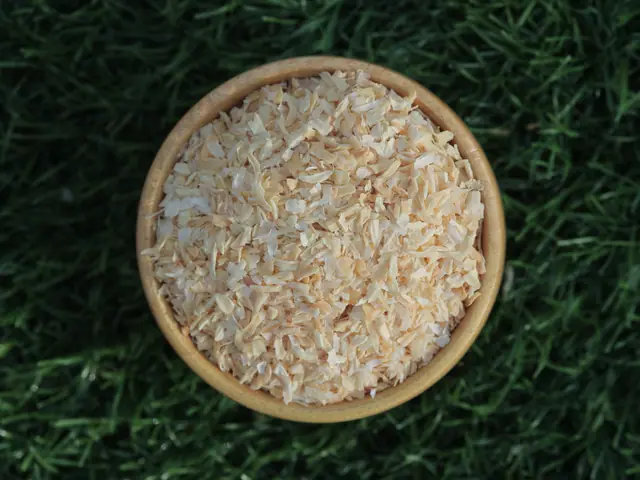
Dehydrated Onion and Garlic
White onion flakes, chopped, granules and powder, and dehydrated garlic, for seasoning and food manufacturers. India shipped about US$30.6 million of dried vegetables to Germany in 2025.
View details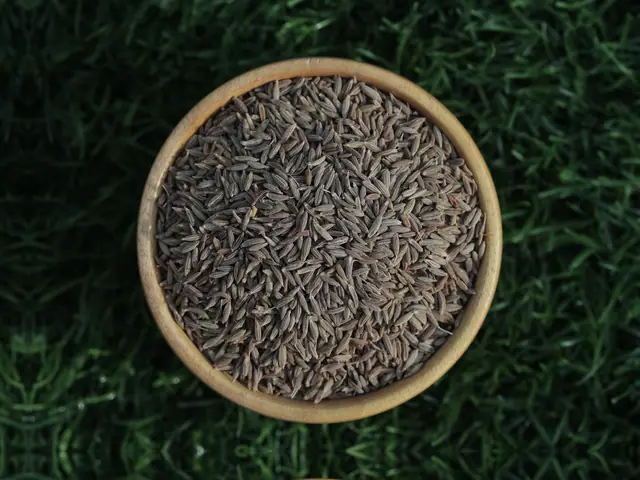
Cumin and Seed Spices
Whole seed is preferred, so that you can clean, steam-treat and grind it yourself. India supplied 82% of Germany's cumin imports in 2024.
View detailsTurmeric and Dry Ginger
Turmeric finger and powder, dry ginger and ginger powder. German buyers prefer heat or steam sterilisation to ethylene oxide treatment.
View details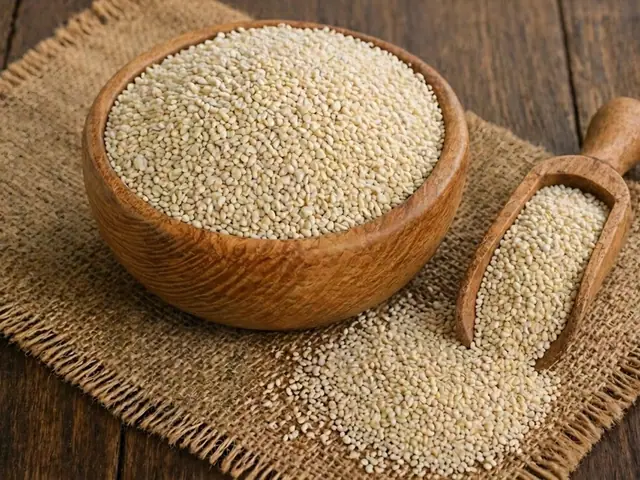
Sesame Seeds
High-purity hulled sesame for industrial bakeries, plus natural and black sesame.
View details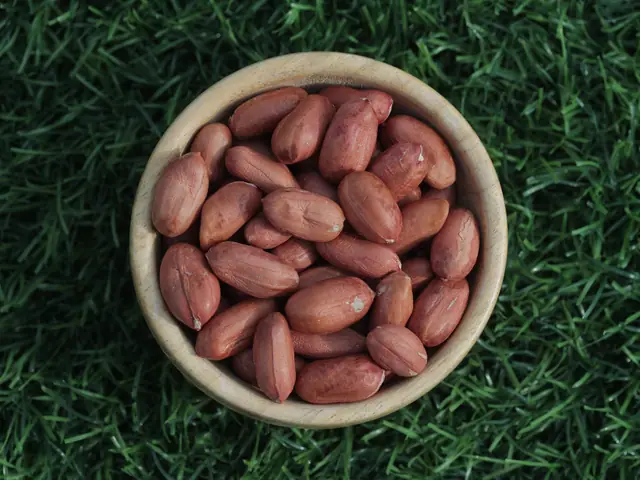
Peanuts
Bold, java and blanched grades, specified by count per ounce. Much of Germany's peanut volume arrives through the Netherlands.
View details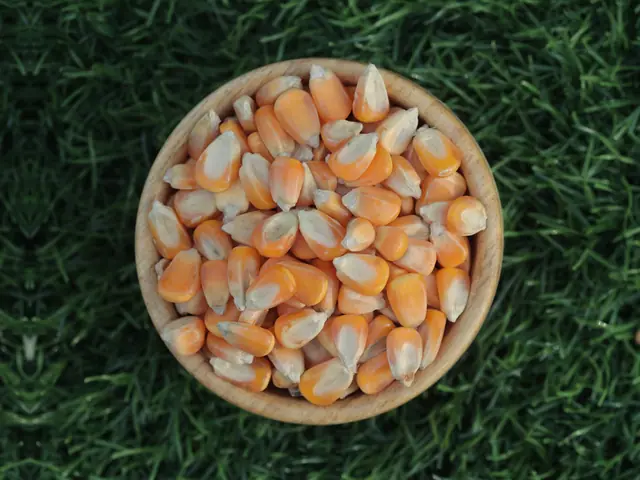
Animal Feed
Corn DDGS, de-oiled rice bran and oilseed meals for feed mills. Specification is agreed with each quote.
View detailsGerman and EU Import Rules for Indian Food Products
BVL, the Federal Office of Consumer Protection and Food Safety, coordinates import control and keeps the lists of border control posts. The food control authorities of the federal states carry out the checks, and customs (Zoll) clears the goods. You, the importer, carry out the border steps.
- Indian groundnuts, sesame and certain spices are under increased official controls under Regulation (EU) 2019/1793. Lots travel with the official certificate and laboratory report where the regulation requires it.
- You or your agent pre-notify listed products with a CHED-D in TRACES NT before arrival, and route them through a designated border control post.
- Retail packs are labelled in German with the particulars of Regulation (EU) 1169/2011. Peanuts and sesame are listed allergens and must be emphasised.
- Bulk bags show product, lot code, net weight, best-before date, origin and exporter. Food-contact packaging must comply with Regulation (EC) 1935/2004.
Duty and the India-EU Free Trade Agreement
No trade agreement between India and the EU is in force. Negotiations for the India-EU Free Trade Agreement were concluded on 27 January 2026, and the European Commission sent the text to the Council for signature authorisation on 11 September 2026. As of 3 October 2026 it is not signed or in force: the Council decision, European Parliament consent and Indian ratification are still pending. Until it enters into force, Indian goods enter on MFN terms, plus the EU's standard GSP where a tariff line is covered. The EU Common Customs Tariff is the same in every member state and is paid once, at the first EU port of entry. Check your TARIC code, then estimate your cost with our Landed Cost Calculator.
Shipping from Mundra to Hamburg
Published schedules show about 21 days from Mundra to Hamburg on a Suez routing. Forwarders quote up to 30 days from India when the service is transhipped or routed around the Cape of Good Hope. These are typical figures, not a guarantee. Vessel, route and transit time are confirmed with each quote.
- Discharge at Hamburg, Bremerhaven or Wilhelmshaven, as your border control post and warehouse require.
- See Packaging.
- Plan your load with the Container Load Calculator.
Documents German Buyers Ask For
| Document | Why this market needs it |
|---|---|
| Official certificate (model in Annex IV of Regulation (EU) 2019/1793) | Issued by the Indian competent authority where the regulation requires it for groundnuts, sesame and listed spices. |
| Sampling and laboratory analysis results | Attached to the official certificate: aflatoxins for groundnuts, Salmonella and pesticide residues for sesame, pesticide residues for spices. |
| Data for your CHED-D | You or your agent lodge the CHED-D in TRACES NT before the vessel arrives. |
| Specification sheet, allergen declaration and lot traceability record | German quality departments ask for these before they approve a supplier. |
Why German Buyers Shortlist Elysium
- Your residue limits come first. Every export lot is tested at an NABL-accredited laboratory and ships with a Certificate of Analysis. See Lab Testing.
- Your auditors want traceability. We work with specialist processing units in Gujarat and supervise every export lot. See Traceability.
- You can send your own inspector. SGS, Bureau Veritas and Intertek are welcome before loading. See Quality.
- You can check the exporter before you contract. Our IEC and GSTIN are verifiable on Indian government portals. See Verify Elysium.
Frequently Asked Questions
Can you meet residue limits that are stricter than the EU MRLs?
Send your parameter list with your enquiry.
Are your spices steam-sterilised or treated with ethylene oxide?
Indian sesame and spices are checked at the EU border for pesticide residues, including ethylene oxide. Whole seed can be shipped untreated for your own steam treatment.
Should the cargo discharge at Hamburg or at Rotterdam?
EU duty is the same in every member state and is paid once, at the first EU port of entry. So choose the port by your border control post and warehouse.
Does the India-EU Free Trade Agreement reduce my duty today?
No. Negotiations were concluded on 27 January 2026, but the agreement is not signed or in force as of 3 October 2026. Until then, the EU Common Customs Tariff applies on MFN terms, plus standard GSP where your tariff line is covered.
Do you supply organic lots, and is IFS or BRCGS certification available?
German buyers expect a GFSI certificate such as IFS Food or BRCGS. Tell us which one you require. See Certificates.
Last reviewed: October 2026