
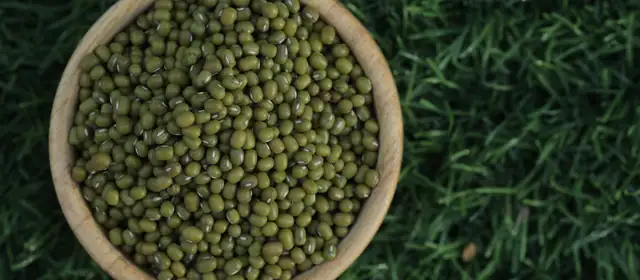
Indian Pulses, Spices and Peanuts for Singapore, Tested to the Specification You Set
Lab-tested lots from Gujarat, documented for Singapore or for the country your cargo moves on to.
Elysium Agri Corporation exports pulses, seed spices, turmeric, peanuts and sesame to Singapore from Jamnagar, Gujarat. You may be an importer-distributor, a food-service supplier, a nut and snack packer, or a trading house booking cargo for a third country. Your order loads at Mundra, Kandla or Pipavav, with a laboratory report for every lot.
Singapore buys modest volumes to tight specifications, and food enters free of customs duty. Two points need care. The aflatoxin limit applied to Indian peanuts for Singapore is tighter than for Malaysia or Thailand. And cargo you sell onward may need the labels and documents of its final destination.
At a Glance
- Main ports
- Port of Singapore (Tuas, Pasir Panjang); Jurong Port for bulk cargo
- Route and transit
- Direct service from Mundra, typically 9 to 10 days; confirmed with each quote
- Food import authority
- Singapore Food Agency (SFA); NParks for plant health
- Label language
- English
- Trade agreement with India
- India-Singapore CECA (2005) and AITIGA (2010); food is duty-free already
- Certificates buyers ask for
- Certificate of Analysis, phytosanitary where required, halal where you make a halal claim
- Business languages
- English; Mandarin, Malay and Tamil are also official
What Singapore Buys from India
Pulses and spices lead by value.
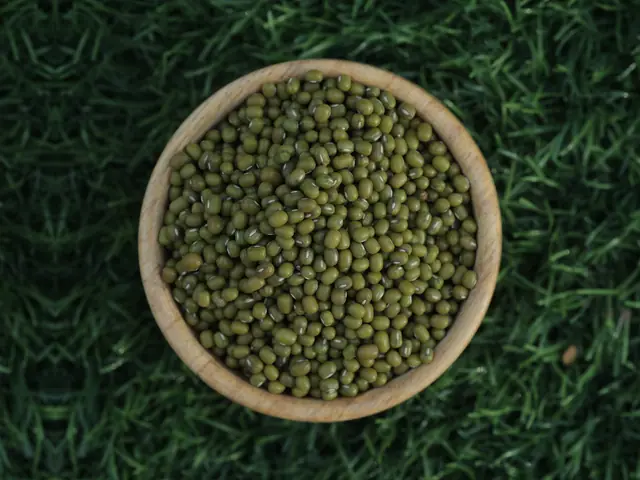
Pulses and Chickpeas
India shipped about US$10.8 million of pulses to Singapore in 2025: moong, urad, lentils and chickpeas for distributors.
View details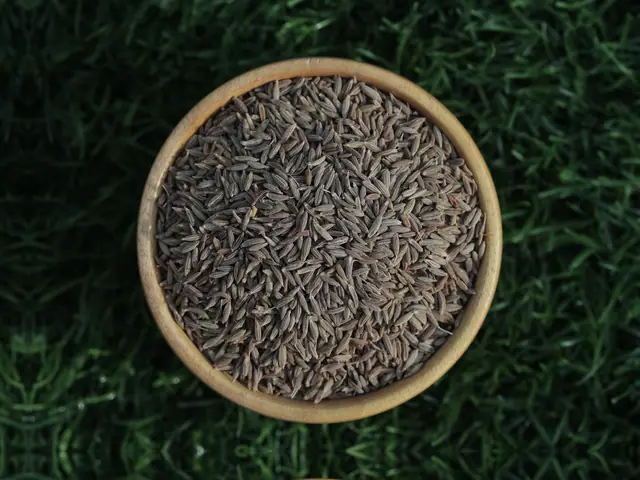
Seed Spices
Coriander, cumin and fennel; India's seed-spice exports to Singapore were about US$3.7 million in 2025.
View detailsTurmeric and Dry Ginger
Turmeric finger and powder, dry ginger and ginger powder for blenders.
View details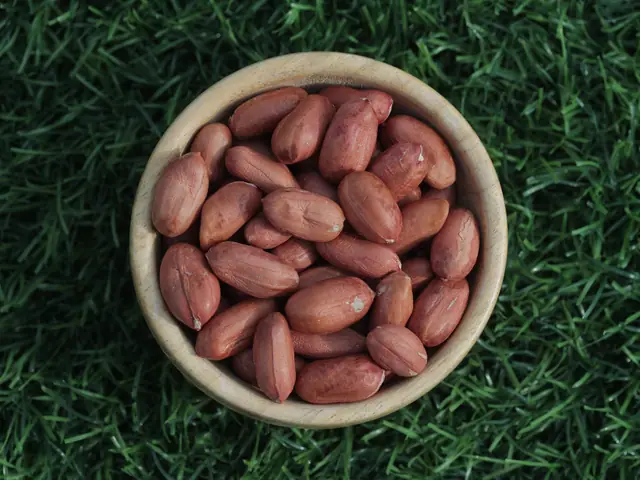
Peanuts
Hand-picked selected and blanched kernels, the grades suited to a 5 ppb aflatoxin limit.
View details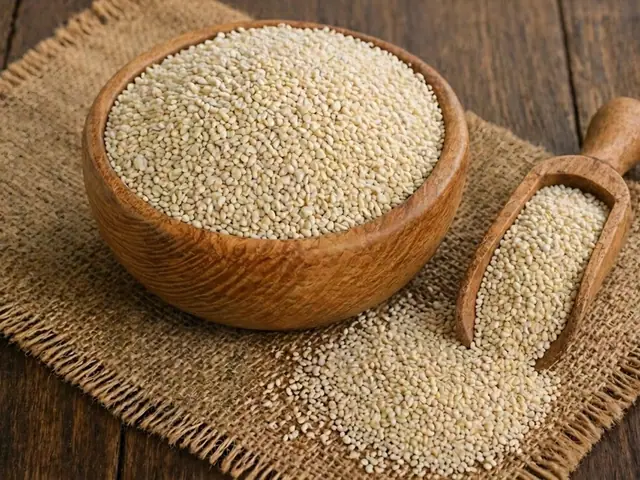
Sesame Seeds
Natural, hulled and black sesame for bakeries and trading houses.
View detailsWhat Your Company Needs to Import Food into Singapore
The Singapore Food Agency regulates food under the Sale of Food Act. NParks oversees plant health, and Singapore Customs handles declarations through TradeNet. As importer, you hold the registrations and permits.
- Registration with ACRA, with your UEN activated at Singapore Customs.
- Registration with SFA to import processed food. Please confirm with SFA how your product is classed.
- An import permit through TradeNet for every consignment.
- An English label on pre-packed food: name, ingredients, allergens, net quantity, your name and address, country of origin in full, and a date mark.
No Customs Duty on Food, GST on the CIF Value
Singapore charges customs duty only on intoxicating liquors, tobacco products, motor vehicles and petroleum products. Every product we offer is non-dutiable; you pay Goods and Services Tax of 9% on the CIF value. The India-Singapore CECA and AITIGA therefore do not change your landed duty. Work out your full cost with the Landed Cost Calculator.
Mundra to Singapore
A direct container service links Mundra with Singapore. Typical transit is 9 to 10 days on current carrier schedules, and your quote confirms the routing.
- Retail and private-label demand is strong in Singapore.
Documents for a Singapore Shipment
| Document | Why this market needs it |
|---|---|
| APEDA Certificate of Export with aflatoxin analysis | Required by India for peanuts; the limit applied for Singapore is 5 ppb. |
| Laboratory report | SFA or your customer may ask for it. |
| Phytosanitary certificate | Where NParks requires it for the plant product. |
| Halal certificate | Only if you make a halal claim; the certifier must be recognised by MUIS. |
| Certificate of origin | Not needed for duty here; issued if your onward buyer requires one. |
| Final-destination documents | Re-export cargo follows the rules of the country where it is sold. |
Why Singapore Buyers Work with Elysium
- Aflatoxin tested before loading: every lot goes to an NABL-accredited laboratory. See Lab Testing.
- Your inspector is welcome: SGS, Bureau Veritas or Intertek. See Quality.
- A lot you can trace: each one is supervised at specialist units in Gujarat. See Traceability.
- A supplier you can check: confirm our IEC and GSTIN through Verify Elysium.
Frequently Asked Questions
Is there import duty on Indian pulses, spices or peanuts in Singapore?
No. Singapore levies customs duty only on intoxicating liquors, tobacco products, motor vehicles and petroleum products. Food is non-dutiable. You pay Goods and Services Tax of 9% on the CIF value.
What aflatoxin limit applies to Indian peanuts for Singapore?
APEDA, India's export authority, applies a limit of 5 ppb for Singapore, for aflatoxin B1 and for total aflatoxin. A lot above the limit does not receive the Certificate of Export.
We re-export from Singapore. Can you prepare documents for the final country?
Yes. Tell us the final destination when you enquire. Labels, bag markings and certificates are then prepared to that country's rules. This matters most for peanuts, where each destination has its own aflatoxin limit.
What must the label show on pre-packed food?
The label is in English. It shows the name of the food, ingredients in descending order, allergens, net quantity, the local importer's name and address, the country of origin in full, and a date mark.
Is halal certification required in Singapore?
No. Halal is voluntary in Singapore, and MUIS is the authority. If you make a halal claim, the certificate must come from a certifier that MUIS recognises.
Last reviewed: October 2026