
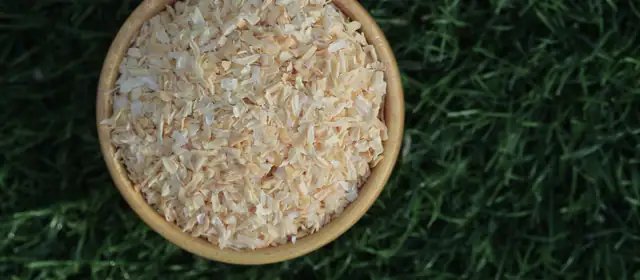
Exporting to Serbia from India: Dehydrated Vegetables, Peanuts and Herbal Raw Material
Small and consolidated loads through Rijeka, with Serbian label details and non-GMO statements prepared before loading.
Elysium Agri Corporation, an exporter in Jamnagar, Gujarat, ships agro products to Serbia. This is a small and specialised market for Indian goods. Dehydrated onion and garlic come first, followed by peanuts for roasters and psyllium for herbal processors. Cargo leaves Mundra, Kandla or Pipavav and reaches Serbia through an Adriatic port.
Serbia is not an EU member and has no free trade agreement with India, so your import differs from an EU one. You face phytosanitary inspection at the border, a label in Serbian, the standard customs tariff and a strict law on GMO. We prepare for each of these points before the cargo is loaded.
At a Glance
- Main ports
- Landlocked. Rijeka (Croatia) preferred; Koper (Slovenia) and Thessaloniki (Greece) as alternatives
- Route and transit
- Sea to Rijeka, then rail or truck to Belgrade or Sremska Mitrovica; transit confirmed with each quote
- Food import authority
- Ministry of Agriculture, Forestry and Water Management (phytosanitary border inspection)
- Label language
- Serbian, in Cyrillic or Latin script; stickers allowed
- Trade agreement with India
- No free trade agreement; a 2006 bilateral Trade Agreement grants most-favoured-nation status
- Certificates buyers ask for
- Phytosanitary certificate, health certificate, non-GMO statement for maize and soy products
- Business languages
- Serbian; English in import trade
What We Can Supply to Serbian Buyers
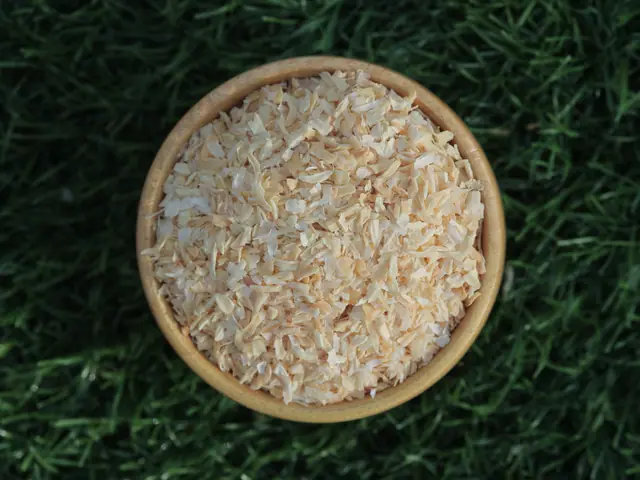
Dehydrated Onion and Garlic
The largest of our lines in India's trade with Serbia: about US$494,000 of dried vegetables in 2025.
View details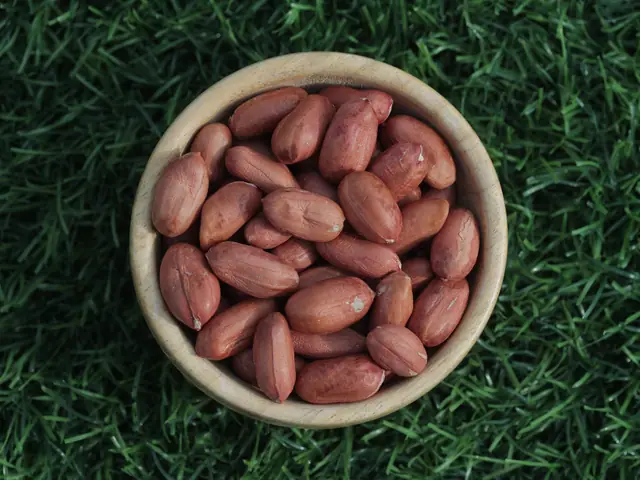
Peanuts
For roasters and snack makers. Trade is irregular: about US$223,000 of Indian groundnuts in 2024 and none reported in 2025.
View details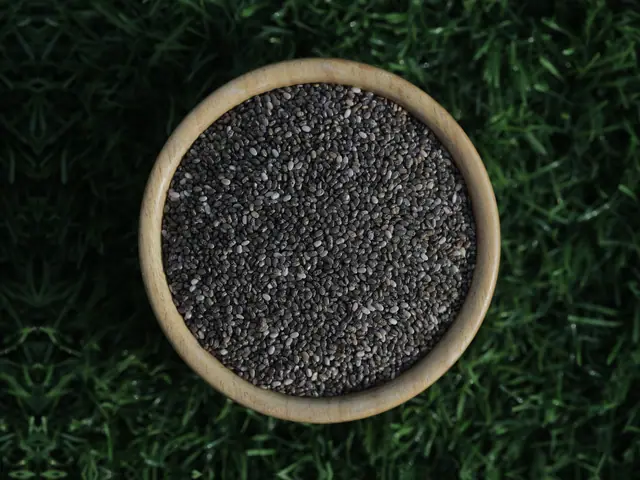
Psyllium Husk and Seeds
View details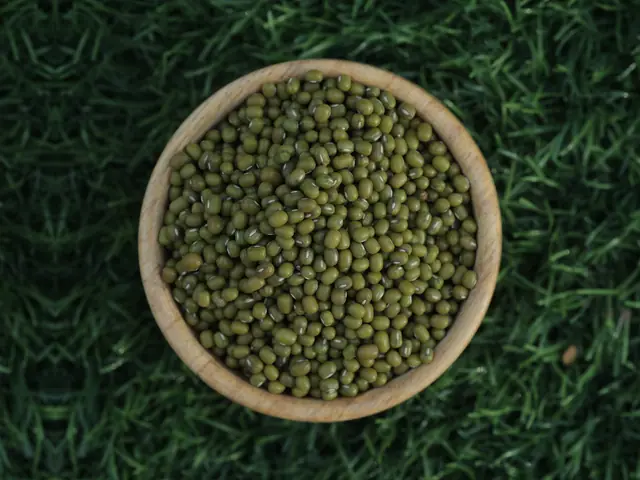
Pulses and Chickpeas
View details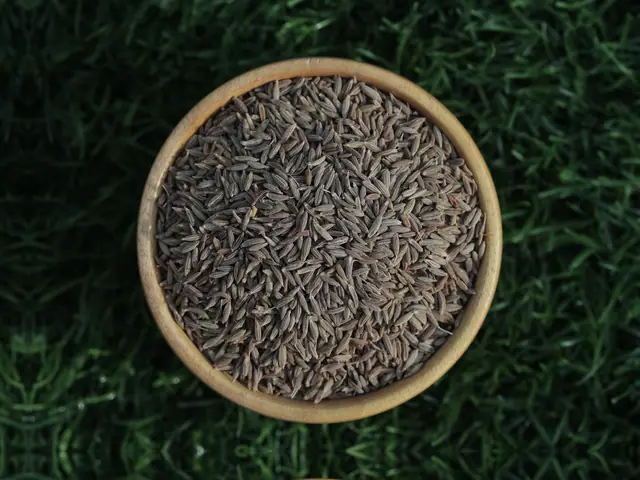
Turmeric and Seed Spices
Very small volumes today. The Embassy of India records Serbian interest in Indian spices.
View detailsSerbian Import Rules for Plant Products
The Phytosanitary Department of the Ministry of Agriculture, Forestry and Water Management inspects plant products at the border. No prior import approval is needed for ordinary food of plant origin. The importer must be a company or agent registered in Serbia. It presents the consignment at a border crossing that has a phytosanitary inspection post and pays the inspection fees.
- Sampling is risk-based. First-time imports, new labels and products not tested for more than six months are more likely to be sampled, so allow time for this on a first order.
- All food must be labelled in Serbian, in Cyrillic or Latin script. A sticker on the original pack is allowed, and the label gives the name and address of the importer in Serbia.
- Bulk packs show product name, net weight, expiry date, importer details and country of origin.
- Serbian law prohibits the commercial use of GMO crops. For maize, corn grits, soybean meal and DDGS, a non-GMO statement is prudent.
Duty and VAT on Indian Goods in Serbia
India and Serbia have no free trade agreement. A 2006 bilateral Trade Agreement grants most-favoured-nation status, so Indian goods pay the standard Serbian customs tariff. The USDA reports that agricultural tariffs range from 0 to 30 percent of value, and that VAT is 20 percent, with a reduced rate of 10 percent for basic foods, grains, seeds and animal feed. Suppliers from the EU, CEFTA and Turkey may enter at preferential rates, so compare offers on landed cost. Ask your customs broker for the rate on your tariff line, then use our Landed Cost Calculator.
Shipping to Serbia Through Rijeka
Serbia is landlocked. Maersk names Rijeka in Croatia as its preferred entry port for Serbia and issues through bills of lading only via Rijeka. Koper and Thessaloniki are alternatives. From the port, containers move by rail or truck to Belgrade or Sremska Mitrovica. We have no reliable published transit time for this route, so routing and transit are confirmed with each quote.
- Rail planning documents are needed at least 10 days before the vessel reaches Rijeka.
- Volumes are usually small, so LCL or consolidated shipments are common.
- Contracts are normally in EUR or USD.
Documents a Serbian Importer Needs from Us
| Document | Why this market needs it |
|---|---|
| Phytosanitary certificate | Presented at the border crossing with a phytosanitary inspection post. |
| Health certificate from the Indian competent authority | Listed alongside the phytosanitary certificate for food imports into Serbia. |
| Non-GMO statement | Prudent for maize and soy products, because Serbian law prohibits the commercial use of GMO crops. |
| Serbian label text or sticker details | The label must name the importer in Serbia and be in place before retail sale. |
| Certificate of Analysis for the lot | Supports risk-based sampling on a first-time import. |
Why Serbian Importers Choose a Supervised Indian Lot
- A first import is more likely to be sampled. Every export lot is tested at an NABL-accredited laboratory before it ships. See Lab Testing.
- You are buying from a new origin. Check our IEC and GSTIN on Indian government portals first. See Verify Elysium.
- Your label must be right before retail sale. See Packaging.
- You may want independent proof. SGS, Bureau Veritas or Intertek can inspect the cargo before loading. See Quality.
Frequently Asked Questions
Do I need an import permit for peanuts or dehydrated onion in Serbia?
No prior import approval is needed for ordinary food of plant origin. Approvals apply to live animals, animal products, seeds, planting material and pesticides. Your company or agent must be registered in Serbia and must present the consignment for phytosanitary inspection at the border crossing.
Is there a duty preference for Indian goods in Serbia?
No. There is no free trade agreement between India and Serbia, so Indian goods pay the standard customs tariff. The USDA reports agricultural tariffs between 0 and 30 percent of value. Ask your customs broker for the exact rate on your tariff line before you order.
Which port should we use for a shipment to Serbia?
Maersk names Rijeka in Croatia as the preferred entry port and allows through bills of lading only via Rijeka. Koper in Slovenia and Thessaloniki in Greece are alternatives. Tell us which port your forwarder prefers, and we confirm the routing and transit with the quote.
Can you supply maize, soybean meal or DDGS to Serbia?
Serbia produces and exports its own maize, wheat and sunflower, so cereals and feed are rarely import needs. Serbian law also prohibits the commercial use of GMO crops.
How should the Serbian label be prepared?
The label must be in Serbian, in Cyrillic or Latin script, with a minimum font size of 1.2 mm. It shows product name, ingredients, net quantity, expiry date, storage conditions, importer name and address, country of origin, nutrition declaration and lot number. A sticker is allowed.
Last reviewed: October 2026