
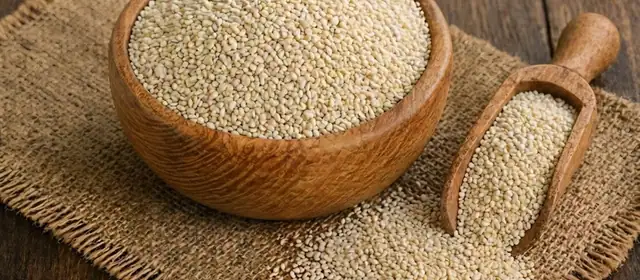
Indian Sesame, Peanuts and Spices for Romania, Documented for Constanta
Lot-tested cargo from Gujarat, with the EU certificates your border control post asks for.
Elysium Agri Corporation is an exporter in Jamnagar, Gujarat. We ship sesame seeds, peanuts, dehydrated onion and garlic, turmeric and seed spices to importers, packers and ingredient distributors in Romania. Cargo is loaded at Mundra, Kandla or Pipavav and is normally discharged at Constanta, Romania's main container port on the Black Sea.
When you import from India into Romania, you buy for the EU border. Indian groundnuts, sesame and certain spices are under increased official controls under Regulation (EU) 2019/1793, so a clean laboratory report matters more to you than a low offer.
At a Glance
- Main ports
- Constanta (Black Sea)
- Route and transit
- Mundra to Constanta with transshipment; about 23 days is typical on published schedules, confirmed with each quote
- Food import authority
- ANSVSA (National Sanitary Veterinary and Food Safety Authority)
- Label language
- Romanian for all compulsory particulars
- Trade agreement with India
- EU-India Free Trade Agreement concluded in January 2026, not yet in force; the EU Common Customs Tariff applies
- Certificates buyers ask for
- BRCGS, IFS or FSSC 22000; ISO/IEC 17025 laboratory reports per lot; EU organic for organic lots
- Business languages
- Romanian; English in trade correspondence
What Romanian Importers Buy from India
Buyers are importer-packers, bakery and confectionery ingredient distributors and ethnic food wholesalers.
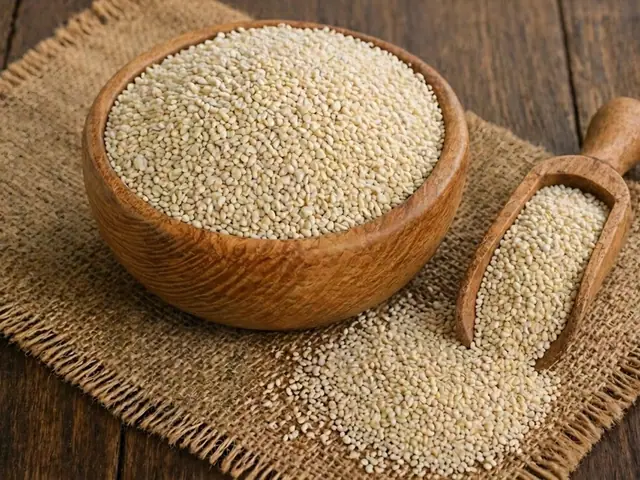
Sesame Seeds
Hulled and natural white sesame for bakery and tahini. India shipped about US$3.5 million of oil seeds under HS 1207, the heading that includes sesame, to Romania in 2025.
View details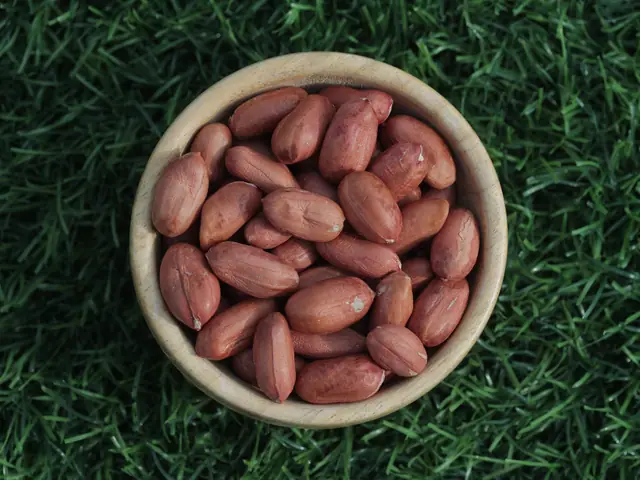
Peanuts
About US$1.1 million of raw Indian groundnuts went to Romania in 2025. Aflatoxin within EU limits is the specification that decides the order.
View details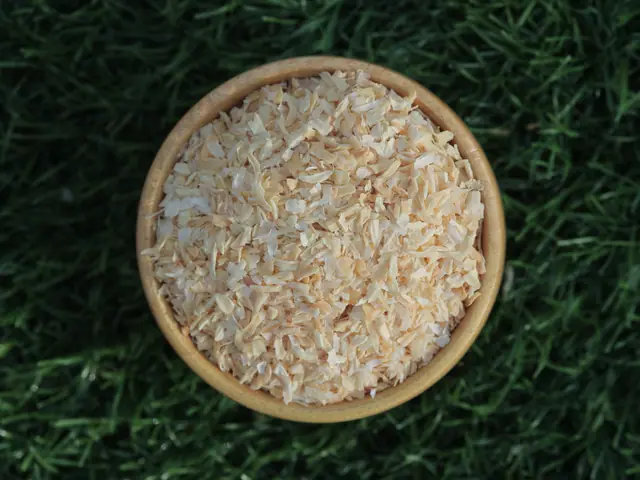
Dehydrated Onion and Garlic
Flakes, chopped, granules and powder for seasoning blenders and food manufacturers.
View details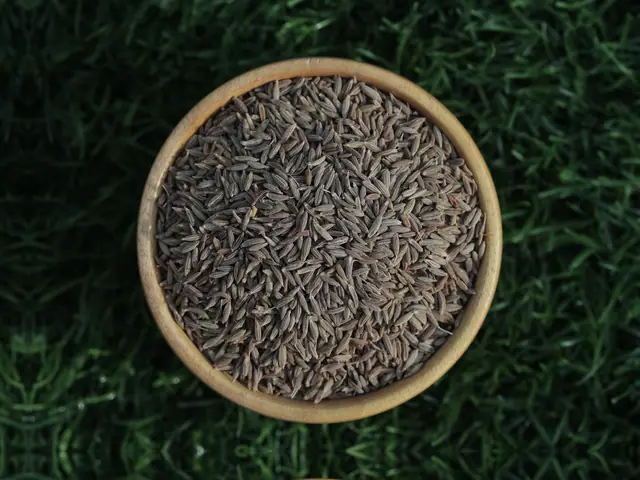
Turmeric and Seed Spices
Turmeric, cumin, coriander and fennel. The Embassy of India's buyer meeting in Bucharest in February 2026 named spices as a high-value item.
View details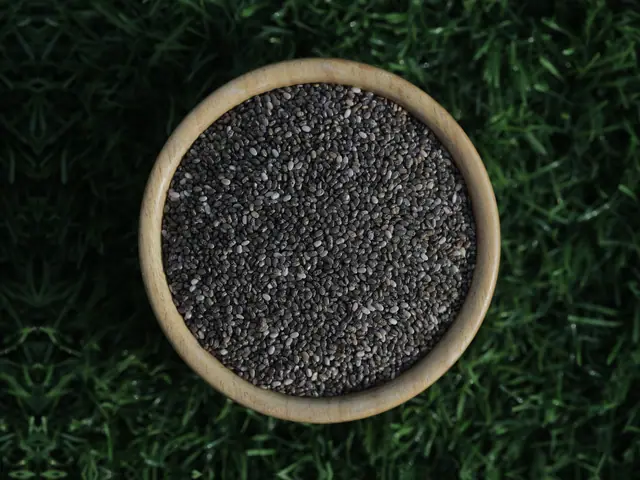
Psyllium Husk and Seeds
For health food and supplement packers. India supplies Romania with herbal plant material under HS 1211, the heading that includes psyllium.
View detailsRomanian and EU Import Rules Your Consignment Must Meet
ANSVSA applies food and feed import rules in Romania. The National Phytosanitary Authority handles plant health, and ANPC enforces labelling together with ANSVSA and the Ministry of Health. The exporter does not register with Romanian authorities. You, the importer, carry out the border steps, and our task is to send documents that match the cargo exactly.
- Indian groundnuts, sesame and certain spices are under increased official controls under Regulation (EU) 2019/1793. Groundnut consignments travel with an official certificate from the Indian competent authority and accredited laboratory results.
- You or your agent pre-notify controlled consignments with a CHED-D in TRACES before arrival, and present the original certificates at a border control post.
- Compulsory label particulars must be in Romanian under EU Regulation 1169/2011. The Romanian label may be attached at origin or at the EU port of entry, as you and we agree.
- Bulk bags show product name and variety, lot number, minimum durability date, storage instructions, net weight and origin. Peanuts and sesame are declared as allergens.
Duty and the EU-India Trade Agreement
Romania applies the EU Common Customs Tariff. The duty is the same in every member state and is charged on the CIF value at the first EU customs clearance point, with Romanian VAT added. Negotiations for an EU-India Free Trade Agreement were concluded in January 2026, but the agreement is not yet in force, so do not plan on preferential rates today. Check the rate for your HS code in TARIC, then estimate your full cost with our Landed Cost Calculator.
Shipping from Mundra to Constanta
Containers move from Mundra, Kandla or Pipavav to Constanta with transshipment. Published schedules show about 23 days from Mundra as typical. This is a schedule figure, not a carrier guarantee, and routing through Suez or around the Cape changes it. We confirm the vessel, route and transit time with each quote.
- See Packaging.
- Plan the load with our Container Load Calculator.
Documents We Prepare for Constanta
| Document | Why this market needs it |
|---|---|
| Official certificate (model in Regulation (EU) 2019/1793) | Issued by the Indian competent authority for groundnuts, and for sesame where the regulation requires it. |
| Sampling and analysis report from an ISO/IEC 17025 accredited laboratory | Aflatoxins for groundnuts; Salmonella and pesticide residues, including ethylene oxide, for sesame. |
| Data for your CHED-D | You or your agent file the CHED-D in TRACES before the cargo reaches the border control post. |
| Health certificate | Supplied when you ask for it. |
Why Romanian Buyers Work with Elysium
- Border rejection is your main risk. Every export lot is tested at an NABL-accredited laboratory and ships with a Certificate of Analysis. See Lab Testing.
- You can check us before you pay. Our IEC and GSTIN can be verified on Indian government portals. See Verify Elysium.
- You can send your own inspector. SGS, Bureau Veritas and Intertek inspections are welcome. See Quality.
- You know where the lot was processed. We work with specialist processing units in Gujarat and supervise every export lot. See Traceability.
Frequently Asked Questions
Do you have to register with ANSVSA before shipping to Romania?
No. The exporter does not register with Romanian authorities. You, the Romanian or EU importer, pre-notify controlled consignments in TRACES and present the original certificates at a border control post. We send certificate copies and laboratory reports early, so that your agent can file on time.
Which Indian products face extra EU checks at Constanta?
Indian groundnuts, sesame and certain spices are under increased official controls under Regulation (EU) 2019/1793. Groundnuts are checked for aflatoxins, and sesame for Salmonella and pesticide residues. The annexes are amended regularly, so we review the current list with you before each contract.
What aflatoxin limits do your peanuts meet for the EU?
EU limits for groundnuts for direct consumption are 2 µg/kg of aflatoxin B1 and 4 µg/kg of total aflatoxins. Higher limits apply to groundnuts that are sorted or treated before sale. Tell us the intended use, and the lot is tested against that limit before shipment.
Can the bags carry Romanian labels?
Yes. EU rules require the compulsory particulars in Romanian, and the label may be attached at origin or at the EU port of entry.
Will the EU-India Free Trade Agreement reduce my duty now?
Not yet. Negotiations were concluded in January 2026, but the agreement still needs a Council decision, European Parliament consent and Indian ratification. Until it applies, you pay the EU Common Customs Tariff rate for your HS code. EU food safety rules stay unchanged under the agreement.
Last reviewed: October 2026