
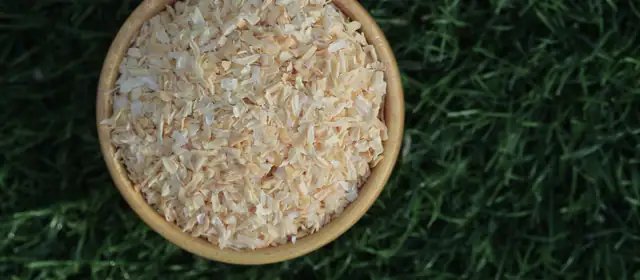
Dehydrated Vegetables, Sesame and Spices from India for Processors in Poland
Ingredients to your specification, with the papers your agent needs for TRACES and the State Sanitary Inspection.
Elysium Agri Corporation is an exporter in Jamnagar, Gujarat. We export to Poland and offer dehydrated onion and garlic, sesame, turmeric, seed spices and psyllium to importers and food processors, loading at Mundra, Kandla or Pipavav for Gdansk and Gdynia. India shipped about US$8.5 million of dried vegetables to Poland in 2025.
Poland buys to process. Sesame goes into sezamki, halva and tahini, and Polish plants process peanuts for sale across the EU. Your order is judged on specification and on documents, and a Polish importer files two notifications before arrival. Indian trade with Poland is uneven, and this page says so plainly: solid in dehydrated vegetables, modest in spices, small in peanuts.
At a Glance
- Main ports
- Gdansk (Baltic Hub) and Gdynia
- Route and transit
- From Mundra, about 23 days is typical on a Suez routing; longer via the Cape or with transhipment. Confirmed with each quote
- Food import authority
- State Sanitary Inspection (PIS); IJHARS for commercial quality; PIORiN for plant health
- Label language
- Polish on all retail labels; EU bulk bag marking for B2B lots
- Trade agreement with India
- None in force. India-EU Free Trade Agreement concluded on 27 January 2026; not yet signed or in force
- Certificates buyers ask for
- BRCGS, IFS, FSSC 22000 or ISO 22000; EU organic for organic lots; SMETA social audit
- Business languages
- Polish; English is common with importers
What Poland Buys from India, and What We Can Offer
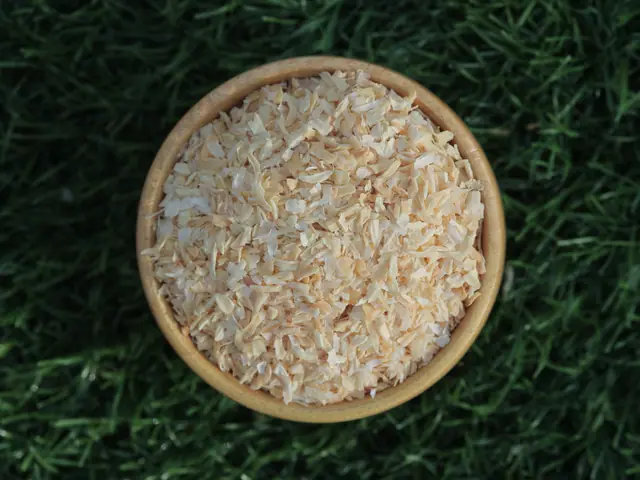
Dehydrated Onion and Garlic
The largest Indian food line into Poland in trade data.
View details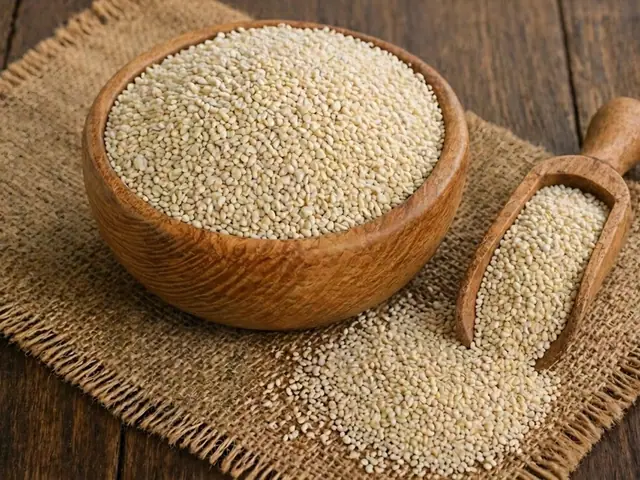
Sesame Seeds
Natural and hulled sesame for sezamki (sesame snaps), halva and tahini.
View details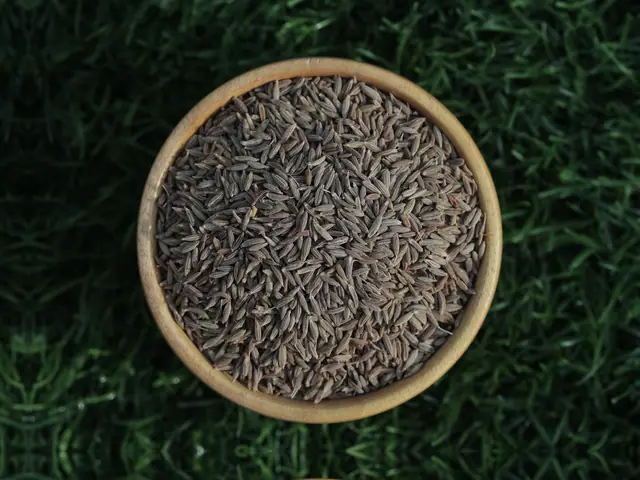
Turmeric, Cumin and Seed Spices
Indian spice trade with Poland is modest, and tonnage is not published.
View details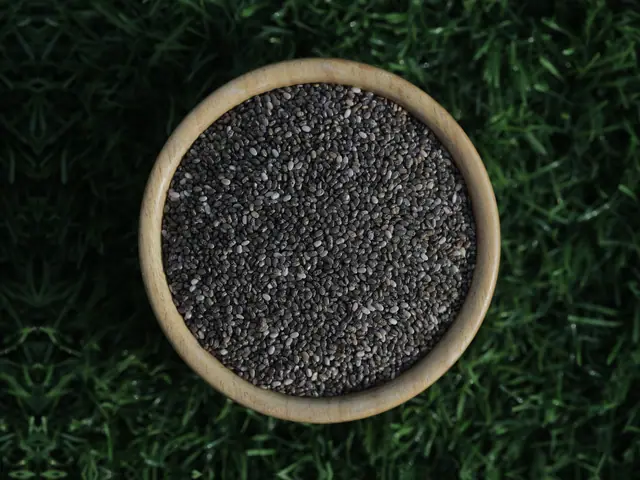
Psyllium and Dry Ginger
Poland imports Indian herbal raw material under the customs heading that includes psyllium.
View details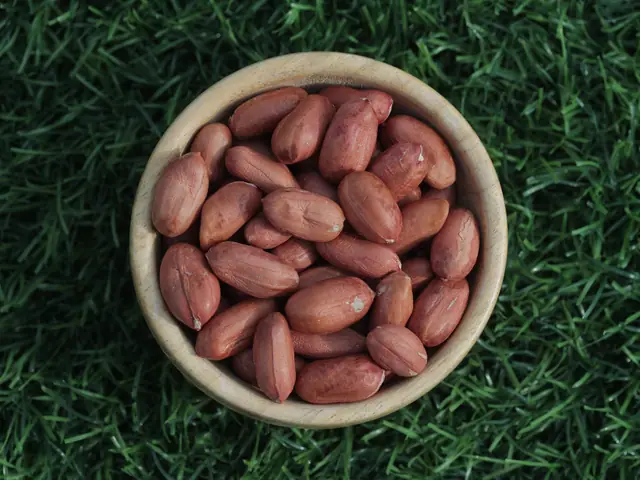
Peanuts
A processing market where India's share is small: about US$0.37 million of raw peanuts in 2025.
View detailsImport Rules in Poland: EU Controls Plus One National Step
Poland applies EU food law and adds one national application. The State Sanitary Inspection (PIS) carries out border sanitary control of food of non-animal origin. IJHARS checks commercial quality at the border, and PIORiN handles plant health.
- Indian groundnuts, sesame and certain spices are under increased official controls under Regulation (EU) 2019/1793. Listed goods enter through a designated Border Control Post.
- Your agent pre-notifies listed goods with a CHED-D in TRACES NT before arrival.
- You apply to PIS for border sanitary control no later than 48 hours before the planned import, or 24 hours for microbiologically unstable food.
- Retail labels must be in Polish under EU Regulation 1169/2011. Peanuts and sesame are listed allergens.
- Bulk bags carry product name, lot code, net weight, best-before date, storage conditions, origin and the exporter's name and address.
Duty and Trade Agreement Status
No trade agreement between India and the EU is in force. Negotiations on the India-EU Free Trade Agreement were concluded on 27 January 2026, and the European Commission sent the text to the Council for signature authorisation on 11 September 2026. As of 3 October 2026 it is not signed or in force: a Council decision, European Parliament consent and Indian ratification are still pending. Until then, Indian goods enter on MFN terms, plus the EU's standard GSP where your tariff line is covered. The EU Common Customs Tariff is the same in every member state and is paid once, at the first EU port of entry. Check your code and its GSP status in TARIC, then estimate the full cost with the Landed Cost Calculator.
Shipping from Gujarat to Gdansk and Gdynia
Containers load at Mundra, Kandla or Pipavav. A typical schedule from Mundra to Gdansk or Gdynia is about 23 days when the vessel sails through Suez. Cape routing or transhipment takes longer, so your quote states the service, the routing and the expected arrival.
- Tell us where the container is first cleared in the EU. If that is not a Polish port, the border control post there applies.
- Typical packs for this market are 25 kg PP or multi-wall paper bags and big bags of 900 to 1,000 kg.
Documents a Polish Importer Needs from Us
| Document | Why this market needs it |
|---|---|
| CHED-D data set | Your agent lodges the CHED-D in TRACES NT before arrival for every product listed in Regulation (EU) 2019/1793. |
| Official certificate with laboratory results | Issued by the Indian competent authority for the goods the regulation names, with sampling and analysis results attached. We confirm the issuing body with your quote. |
| Details for your PIS application | You lodge it at least 48 hours before import, so lot, weight and vessel details are sent once the booking is fixed. |
| Specification sheet and allergen declaration | Polish processors ask for these with lot traceability. Peanut and sesame status must travel with the goods. |
Why Polish Buyers Can Rely on Our Lots
- Border rejection is the main risk for Indian sesame, peanuts and spices. Every lot is tested at an NABL-accredited laboratory before it ships. See Lab Testing.
- A processor needs the same specification on every delivery. We supervise each export lot at specialist units in Gujarat. See Quality.
- Your own laboratory will test on arrival. Each lot has a Certificate of Analysis to compare with your result. See Traceability.
- A new supplier should be easy to check. Our IEC and GSTIN are verifiable on Indian government portals. See Verify Elysium.
Frequently Asked Questions
Does Poland add any import step on top of the EU rules?
Yes. The importer applies to the State Sanitary Inspection (PIS) for border sanitary control at least 48 hours before the planned import. This is separate from the CHED-D in TRACES NT. We send lot and vessel details early so both can be filed on time.
Are Indian sesame, peanuts and spices checked more closely at the EU border?
Yes. Indian groundnuts, sesame and certain spices are under increased official controls under Regulation (EU) 2019/1793. The goods it names need an official certificate and laboratory results for each consignment. The annexes change, so check the current list before each order.
Is there a trade agreement that reduces duty on Indian goods in Poland?
Not yet. The India-EU Free Trade Agreement was concluded on 27 January 2026 but is not signed or in force. Until it is, the EU Common Customs Tariff applies, with standard GSP where your tariff line is covered.
Can you supply sesame for sezamki, halva and tahini production?
We offer natural and hulled sesame from Gujarat. Salmonella must be absent in sesame entering the EU, and pesticide residues including ethylene oxide are controlled. Send your specification, and the quote is matched to it.
Do you supply Indian peanuts to Polish roasters?
We can quote them, and we are open that Indian peanut trade with Poland is small today. EU aflatoxin limits are stricter for peanuts sold for direct consumption than for lots that will be sorted or further processed, so tell us the intended use.
Last reviewed: October 2026