
Indian Agro Ingredients for the Czech Republic, in Small and Mixed Lots
Psyllium, dehydrated vegetables, pulses and spices, cleared at a European sea port and moved by rail to your terminal.
Elysium Agri Corporation exports agro commodities from Jamnagar, Gujarat, to buyers in the Czech Republic. Direct trade in our products is small, so this page is written for packers and wholesalers who need part loads or mixed containers of psyllium, dehydrated onion, pulses and spices. Cargo sails from Mundra, Kandla or Pipavav to a European sea port.
Most Czech processors buy Indian peanuts, sesame and spices through importers in Germany, the Netherlands and Poland. A direct order makes sense when you want your own specification, a laboratory report for your exact lot and a named origin. Your consignment is checked at the first EU port of entry, not in Czechia, so the documents are prepared for that port.
At a Glance
- Main ports
- Landlocked. Hamburg and Bremerhaven; Koper and Trieste as Adriatic options
- Route and transit
- Sea to a German or Adriatic port, then rail or truck to a Czech terminal; transit confirmed with each quote
- Food import authority
- CAFIA / SZPI (Czech Agriculture and Food Inspection Authority); EU border checks at the first EU port of entry
- Label language
- Czech on retail packs (agree the text with your importer); EU bulk bag marking
- Trade agreement with India
- EU-India Free Trade Agreement concluded in January 2026, not yet in force
- Certificates buyers ask for
- BRCGS, IFS or FSSC 22000; ISO/IEC 17025 laboratory reports per lot; EU organic for organic lots
- Business languages
- Czech; English and German in import trade
What We Can Ship to the Czech Republic
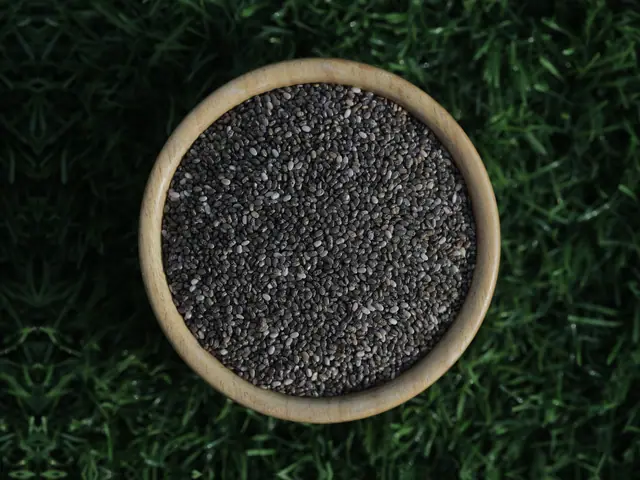
Psyllium Husk and Seeds
The largest of our product groups in India's trade with Czechia: about US$466,000 of herbal plant material under HS 1211, the heading that includes psyllium, in 2025.
View details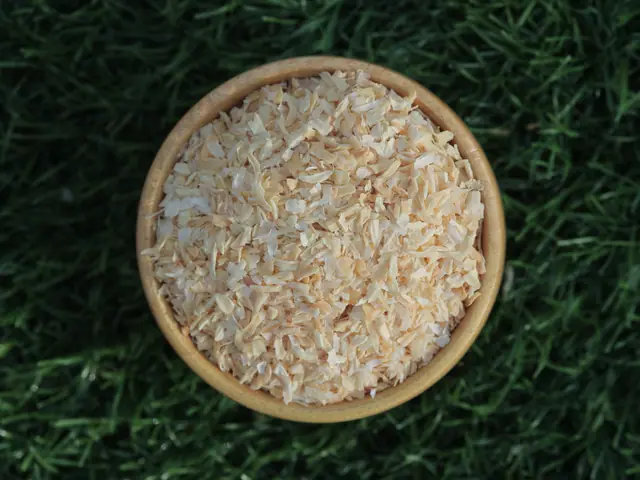
Dehydrated Onion and Garlic
About US$158,000 of Indian dried vegetables reached Czechia in 2025.
View details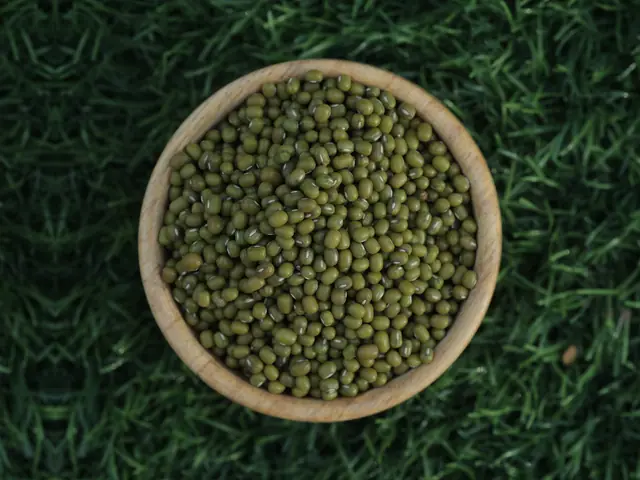
Pulses and Chickpeas
View details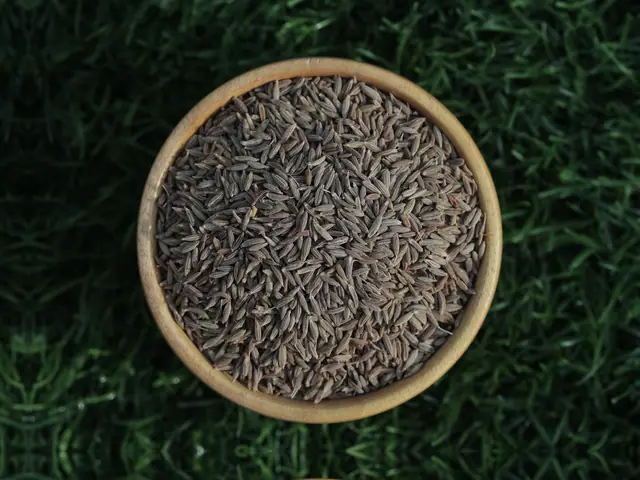
Turmeric, Cumin and Seed Spices
View details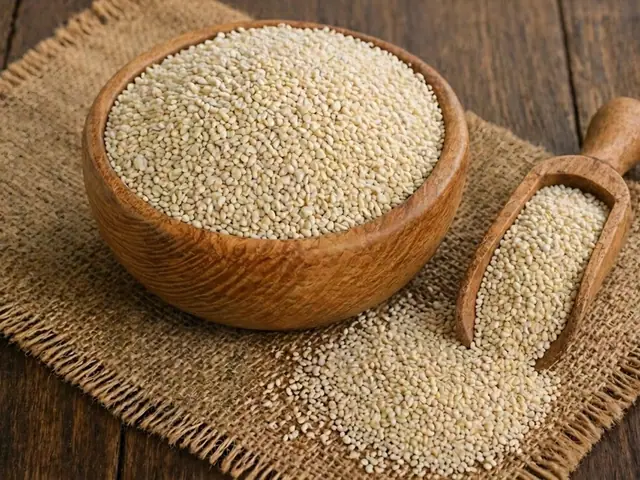
Sesame and Peanuts
Direct Indian shipments are very small today, and most supply arrives through EU importers.
View detailsWhere Your Czech Consignment Is Checked
CAFIA, known in Czech as SZPI, supervises the safety, quality and labelling of food of non-animal origin in the Czech Republic. Because the country is landlocked, EU border checks take place at the first EU point of entry, usually a German, Slovenian or Dutch sea port. After that, the goods move to Czechia in free circulation or under transit.
- Indian groundnuts, sesame and certain spices are under increased official controls under Regulation (EU) 2019/1793. The practice of the border control post at your entry port applies.
- You or your agent file the CHED-D in TRACES at that port before the vessel arrives.
- Each groundnut consignment needs an official certificate from the Indian competent authority and results from an ISO/IEC 17025 accredited laboratory.
- Bulk bags show product name and variety, lot number, minimum durability date, storage conditions, net weight and origin. Peanuts and sesame are declared as allergens.
Duty Is Paid Once, at the First EU Customs Point
The Czech Republic applies the EU Common Customs Tariff, which is identical in every member state. Duty is charged on the CIF value where the goods are first cleared in the EU, and Czech VAT is added. The EU-India Free Trade Agreement was concluded in January 2026 but is not yet in force, so today's tariff rate applies. Find your code with our HS Code Finder, check the rate in TARIC, and estimate the full cost with the Landed Cost Calculator.
Sea to Hamburg or Koper, Then Rail to Your Terminal
Hamburg and Bremerhaven are the main sea ports for Czech container traffic, with several container shuttle trains a day to Czech inland terminals. Koper, with daily trains via Dunajska Streda, and Trieste are the Adriatic alternatives. Gdansk has a rail link three times a week. Sailing schedules from India differ by service and routing, and the rail leg is booked separately, so we confirm the transit time with each quote.
- Tell us your entry port and inland terminal. The documents are made out for that border control post.
Documents for Entry Through a German or Adriatic Port
| Document | Why this market needs it |
|---|---|
| Official certificate under Regulation (EU) 2019/1793 | Required for Indian groundnuts, and for sesame where the regulation applies. It is presented at the entry port, not in Czechia. |
| ISO/IEC 17025 laboratory report per consignment | Shows aflatoxin results for groundnuts, and Salmonella and pesticide residue results for sesame. |
| CHED-D data set | Your agent at Hamburg, Bremerhaven or Koper needs it to pre-notify in TRACES. |
| Certificate of Analysis for each lot | Pesticide residues in Indian spices are a visible concern in the Czech market, so the report travels with the offer. |
Why a Czech Buyer Can Rely on a Direct Indian Lot
- Residues are the question you hear most. Each lot is tested at an NABL-accredited laboratory, and the Certificate of Analysis is yours to review. See Lab Testing.
- A small order still gets a supervised lot. We work with specialist processing units in Gujarat and supervise every export lot. See Quality.
- You can confirm who we are in minutes. Our IEC and GSTIN are verifiable on Indian government portals. See Verify Elysium.
- If your customer asks for BRCGS, IFS or FSSC 22000, tell us at enquiry stage.
Frequently Asked Questions
Can I order less than a full container for the Czech Republic?
Many Czech buyers need a part load or a mixed container of several products. A small lot receives the same laboratory testing as a full load.
Where are the EU border checks done if my warehouse is in Czechia?
At the first EU point of entry, usually the German, Slovenian or Dutch sea port. Your agent there files the CHED-D in TRACES and presents the certificates. After release, the goods travel to the Czech Republic as EU goods in free circulation or under transit.
Should I route through Hamburg or Koper?
Hamburg and Bremerhaven carry most Czech container traffic and have several shuttle trains a day to Czech terminals. Koper offers daily trains via Dunajska Streda. The better choice depends on your terminal and your forwarder. We quote to either port and confirm the sailing details with the offer.
Why buy direct from India instead of from a German or Dutch importer?
An EU importer is often simpler for very small quantities, and many Czech processors buy that way. A direct lot gives you your own specification, a laboratory report for that exact lot and a named processing origin. We tell you plainly if your volume is too small to ship direct.
Do retail packs need Czech labels?
EU Regulation 1169/2011 governs food information, and retail packs sold in Czechia are expected to carry the mandatory particulars in Czech. Confirm the exact wording with your importer or with CAFIA. See Private Label.
Last reviewed: October 2026